




Industrial Inspection Equipment: The Complete Guide to Advanced Quality Inspection and Manufacturing Solutions

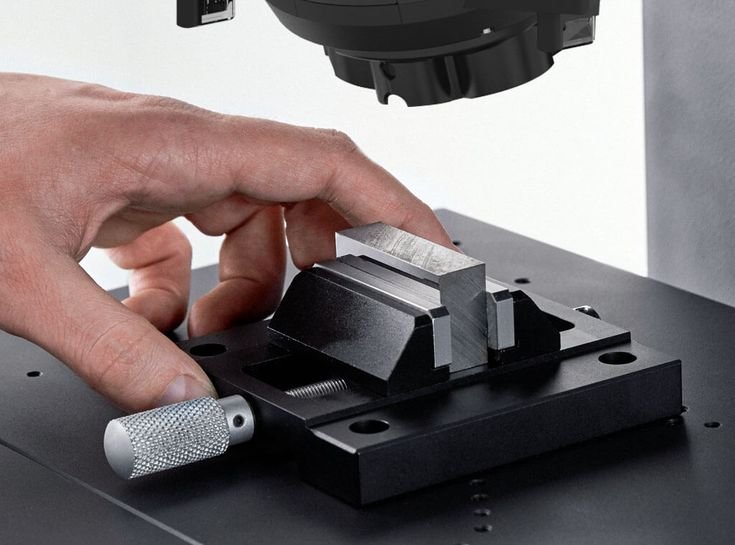
Introduction to Industrial Inspection Equipment
Industrial inspection equipment is an essential part of modern manufacturing and quality assurance systems. These advanced tools help companies evaluate products, materials, and components to ensure they meet strict performance, safety, and reliability requirements.
As manufacturing becomes more automated and precision-focused, inspection technology has evolved beyond traditional manual checks. Modern industrial inspection systems use advanced sensors, digital imaging, automation software, and artificial intelligence to identify defects, measure product characteristics, and improve production efficiency.
Industries such as automotive, aerospace, electronics, metal processing, medical devices, energy, and heavy machinery depend on industrial inspection equipment to maintain consistent quality and reduce costly failures.

What Is Industrial Inspection Equipment?
Tanım ve Amaç
Industrial inspection equipment refers to a wide range of machines and instruments used to examine, measure, test, and verify industrial products and materials.
These systems are designed to detect defects, evaluate performance, and confirm whether products meet engineering specifications.
Common inspection functions include:
- Dimensional measurement
- Surface inspection
- Material testing
- Hardness measurement
- Defect detection
- Chemical composition analysis
- Structural evaluation
Industrial inspection equipment provides objective measurement data, helping manufacturers make accurate quality decisions.
Role in Modern Manufacturing
Modern manufacturing requires high precision and repeatability. Industrial inspection equipment supports production by:
- Detecting defects early
- Improving manufacturing consistency
- Reducing waste
- Increasing productivity
- Ensuring product safety
- Supporting automated production lines
By integrating inspection into manufacturing processes, companies can maintain better control over product quality.
Why Industrial Inspection Is Important
Improving Product Quality
Inspection systems help manufacturers verify:
- Material properties
- Product dimensions
- Surface conditions
- Mechanical performance
- Assembly accuracy
Reliable inspection ensures products perform as expected in real-world applications.
Reducing Manufacturing Risks
Industrial inspection helps identify problems such as:
- Cracks
- Material weaknesses
- Incorrect dimensions
- Surface defects
- Manufacturing errors
Early detection reduces production losses and prevents defective products from reaching customers.
Supporting Industry Standards
Many industries require compliance with international standards.
Inspection equipment helps companies meet requirements from organizations such as:
- ASTM
- ISO
- DIN
- JIS
Types of Industrial Inspection Equipment
Dimensional Inspection Equipment
Dimensional inspection systems measure product geometry and verify manufacturing accuracy.
Common equipment includes:
- Coordinate measuring machines (CMM)
- Laser measurement systems
- Optical measurement systems
- 3D scanners
Uygulamalar şunları içerir:
- Precision components
- Machined parts
- Automotive assemblies
- Aerospace components
Material Testing Equipment
Material testing equipment evaluates mechanical properties such as:
- Çekme mukavemeti
- Compression strength
- Fatigue resistance
- Elasticity
Yaygın olarak kullanılan sistemler şunlardır:
- Universal testing machines
- Tensile testing machines
- Compression testing systems
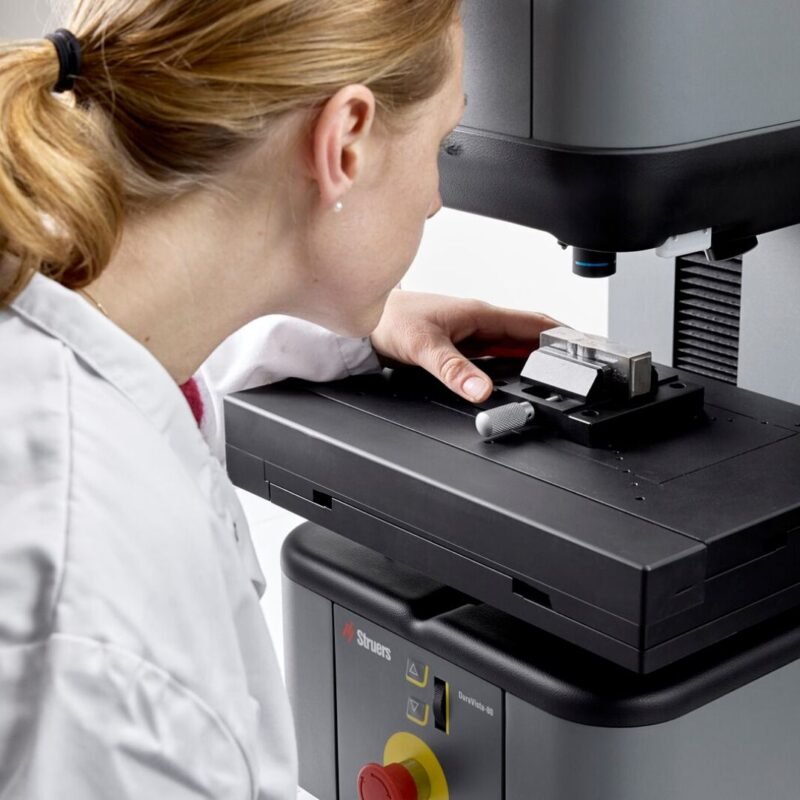
Sertlik Test Cihazları
Hardness testers measure resistance to indentation and deformation.
Common methods include:
- Rockwell sertlik testi
- Brinell sertlik testi
- Vickers sertlik testi
- Mikrosertlik testi
- Portable hardness testing
Uygulamalar şunları içerir:
- Steel components
- Heat-treated parts
- Castings
- Kaplamalar
Non-Destructive Testing Equipment
Non-destructive testing (NDT) evaluates materials without damaging them.
Common technologies include:
- Ultrasonic testing
- Magnetic particle testing
- Eddy current testing
- Dye penetrant testing
- Radiographic inspection
Uygulamalar şunları içerir:
- Weld inspection
- Aerospace parts
- Pressure vessels
- Structural components
Optical Inspection Systems
Optical inspection systems use cameras and imaging technology to analyze product quality.
They detect:
- Surface scratches
- Cracks
- Shape errors
- Assembly defects
Automated Vision Inspection Systems
Machine vision systems combine cameras, software, and artificial intelligence to automate inspection.
Avantajlar şunları içerir:
- High-speed inspection
- Consistent results
- Azaltılmış insan hatası
- Automatic defect classification
Chemical Analysis Equipment
Chemical inspection equipment identifies material composition and verifies alloy grades.
Common technologies include:
- X-ray fluorescence (XRF)
- Optical emission spectroscopy
- Laser analysis systems
Common Industrial Inspection Methods
Visual Inspection
Traditional visual inspection remains widely used for identifying obvious defects.
Modern systems improve visual inspection through:
- Digital cameras
- Automated lighting
- Image processing software
Dimensional Measurement
Dimensional inspection verifies:
- Size
- Şekil
- Position
- Tolerance accuracy
It is critical for precision manufacturing.
Hardness Testing
Hardness testing evaluates material strength and surface durability.
Common applications:
- Metaller
- Plastikler
- Kauçuk
- Kaplamalar
Tensile and Strength Testing
Strength testing determines how materials respond to applied forces.
Measurements include:
- Yield strength
- Çekme mukavemeti
- Elongation
- Breaking point
Ultrasonic Testing
Ultrasonic inspection uses sound waves to identify internal defects.
Avantajları şunlardır:
- Deep material inspection
- Non-destructive operation
- High defect sensitivity
X-Ray Inspection
X-ray inspection reveals internal structures and hidden defects.
Uygulamalar şunları içerir:
- Castings
- Elektronik
- Welded components
- Complex assemblies
Surface Defect Detection
Surface inspection systems detect:
- Cracks
- Corrosion
- Scratches
- Coating problems
Main Components of Industrial Inspection Equipment
Sensors and Measurement Devices
Modern inspection systems use:
- Force sensors
- Laser sensors
- Optical sensors
- Ultrasonic probes
- Digital measurement devices
Imaging and Detection Systems
Advanced imaging technologies provide:
- High-resolution images
- Automated defect recognition
- Digital inspection records
Control Software
Inspection software manages:
- Test procedures
- Data collection
- Analiz
- Reporting
Data Management Systems
Modern sistemler şunları destekler:
- Quality databases
- Traceability
- İstatistiksel analiz
- Production monitoring
Advanced Features of Modern Inspection Equipment
Automated Inspection
Automation improves:
- Denetim hızı
- Measurement consistency
- Production efficiency
Artificial Intelligence Detection
AI technology enables:
- Automatic defect recognition
- Pattern analysis
- Improved inspection accuracy
Real-Time Monitoring
Manufacturers can monitor:
- Production quality trends
- Process variations
- Equipment performance
Statistical Quality Control
Statistical tools help analyze:
- Quality variation
- Process stability
- Production performance
Endüstriyel Uygulamalar
Otomotiv Endüstrisi
Industrial inspection equipment is used for:
- Motor bileşenleri
- Şanzıman parçaları
- Vehicle structures
- Plastic and metal assemblies
Aerospace Manufacturing
Aircraft manufacturers inspect:
- Alüminyum alaşımlar
- Titanium components
- Composite structures
- Critical safety parts
Metal İşleme
Inspection systems verify:
- Steel products
- Castings
- Dövülerek
- Isıl işlem görmüş bileşenler
Electronics Manufacturing
Inspection equipment evaluates:
- Circuit boards
- Semiconductor components
- Bağlantı elemanları
- Electronic assemblies
Medical Device Production
Inspection ensures reliability of:
- Surgical instruments
- Implants
- Medical polymers
- Precision devices
How to Choose Industrial Inspection Equipment
Inspection Requirements
Determine whether you need:
- Dimensional measurement
- Material testing
- Defect detection
- Surface analysis
- Chemical testing
Material and Product Type
Different materials require different inspection approaches.
Örnekler:
- Metaller
- Plastikler
- Seramikler
- Composites
- Electronic materials
Doğruluk Gereksinimleri
Important factors include:
- Measurement resolution
- Tekrarlanabilirlik
- Calibration capability
- Detection sensitivity
Production Environment
Consider whether equipment will be used in:
- Laboratory environments
- Production lines
- Field inspections
- Automated factories

Uyum Standartları
Select equipment that meets relevant:
- ASTM standartları
- ISO requirements
- Industry regulations
Kalibrasyon ve Bakım
Regular maintenance should include:
- Sensor calibration
- Equipment cleaning
- Yazılım güncellemeleri
- Reference standard verification
- Mechanical inspection
Proper maintenance ensures long-term accuracy and reliability.
Benefits and Limitations
Avantajlar
Industrial inspection equipment provides:
- Improved product quality
- Reduced defects
- Increased manufacturing efficiency
- Better traceability
- Reliable quality data
- Compliance support
Sınırlamalar
Potential challenges include:
- Initial investment cost
- Operator training requirements
- Regular calibration needs
- Equipment selection complexity
Uluslararası Standartlar
Şunlarla ilgili ortak standartlar: industrial inspection equipment include:
- ASTM E18 – Rockwell Hardness Testing
- ASTM E10 – Brinell Hardness Testing
- ASTM E384 – Microindentation Hardness Testing
- ASTM E1444/E1444M – Magnetic Particle Testing
- ASTM E213 – Ultrasonic Testing of Metal Pipe and Tubing
- ISO 9001 – Quality Management Systems
- ISO 17025 – Testing and Calibration Laboratory Requirements
Resmi kaynaklar:
Sıkça Sorulan Sorular
1. What is industrial inspection equipment used for?
Industrial inspection equipment is used to measure, test, and verify the quality of industrial products, materials, and components.
2. What industries use industrial inspection equipment?
Industries including automotive, aerospace, electronics, medical devices, metal processing, energy, and manufacturing rely on inspection equipment.
3. What types of defects can industrial inspection equipment detect?
Depending on the technology, inspection equipment can detect cracks, surface defects, dimensional errors, material problems, and internal flaws.
4. Is industrial inspection equipment destructive?
Many inspection methods are non-destructive, allowing companies to test products without damaging them.
5. How often should industrial inspection equipment be calibrated?
Calibration frequency depends on equipment type, usage, manufacturer recommendations, and applicable industry standards.
6. How do I select the right industrial inspection equipment?
Consider inspection requirements, material type, accuracy needs, production environment, automation requirements, and compliance standards.
Sonuç
Industrial inspection equipment is a fundamental technology for achieving high-quality manufacturing and reliable product performance. From dimensional measurement and hardness testing to advanced non-destructive inspection and AI-powered vision systems, these solutions help companies detect problems, improve processes, and maintain strict quality standards.
By selecting the right industrial inspection equipment based on application requirements, material characteristics, inspection accuracy, and industry regulations, manufacturers can increase efficiency, reduce failures, and deliver safer, more reliable products to global markets.