




Durometer Hardness Test: Complete Guide to Measuring Rubber and Plastic Hardness

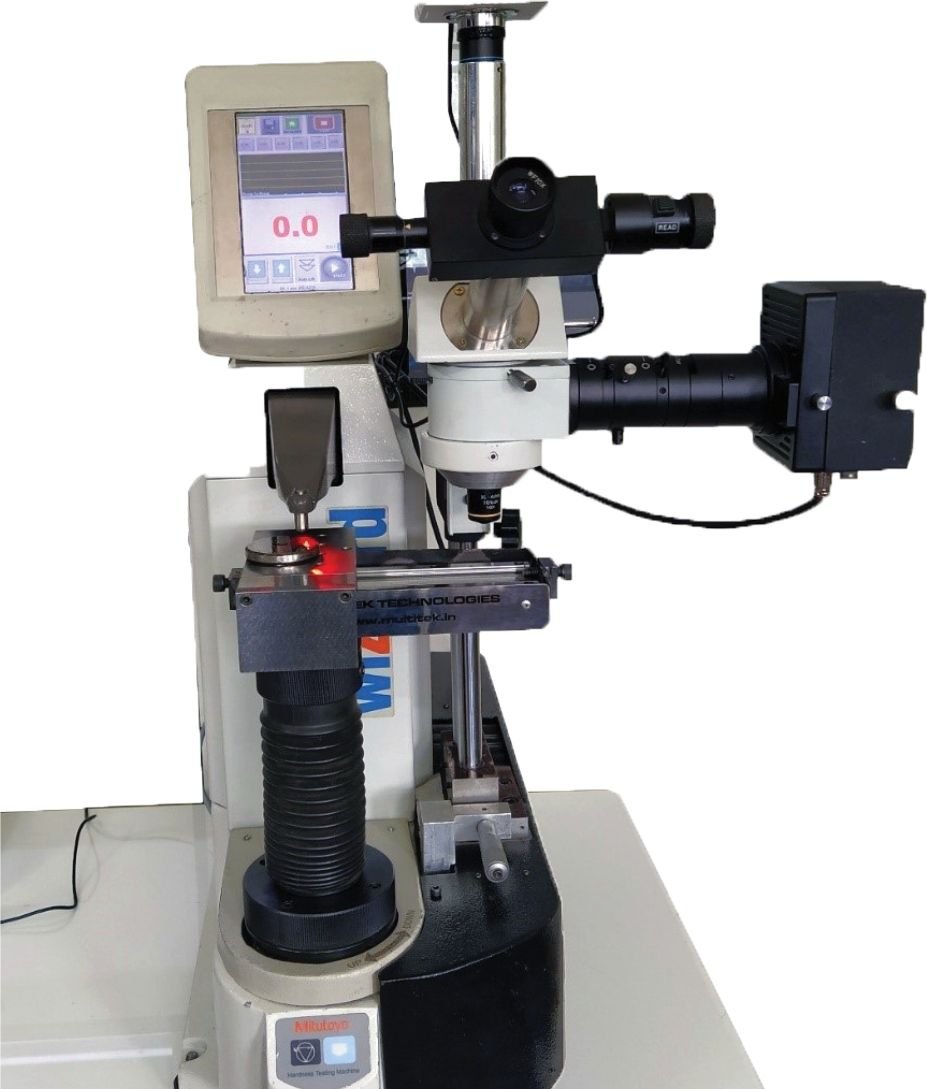
Introduction to the Durometer Hardness Test
Bu durometer hardness test is one of the most widely used methods for measuring the hardness of rubber, plastics, elastomers, silicone, and other flexible materials. The test provides a quick and reliable way to determine how resistant a material is to indentation, helping manufacturers maintain product consistency and performance.
Because hardness directly affects flexibility, durability, wear resistance, and user experience, durometer testing has become a critical quality control process across numerous industries. From automotive seals and medical tubing to consumer products and industrial components, durometer hardness values help engineers select the right material for specific applications.
The simplicity, speed, and portability of the durometer hardness test make it one of the most practical material evaluation methods available today.
What Is a Durometer Hardness Test?
Tanım ve Amaç
A durometer hardness test measures a material’s resistance to indentation using a specialized instrument called a durometer. The test applies a standardized spring force through an indenter and records how deeply the indenter penetrates the material.
Bu test genellikle şu amaçlarla kullanılır:
- Evaluate rubber hardness
- Measure plastic hardness
- Compare material formulations
- Verify manufacturing consistency
- Support product development
Malzeme Testlerinde Önemi
Hardness influences many material properties, including:
- Elasticity
- Flexibility
- Abrasion resistance
- Sıkıştırma direnci
- Product lifespan
Accurate hardness measurements help ensure products meet performance and safety requirements.
How a Durometer Hardness Test Works
Indentation Measurement Principle
The test measures the depth of indentation produced by a spring-loaded indenter.
- Softer materials allow deeper penetration.
- Harder materials resist penetration.
The resulting value is displayed on a hardness scale ranging from 0 to 100.
Components of a Durometer
A typical durometer includes:
- Indenter tip
- Calibrated spring mechanism
- Pressure foot
- Analog dial or digital display
Each component is designed to provide repeatable and accurate measurements.
Understanding Hardness Readings
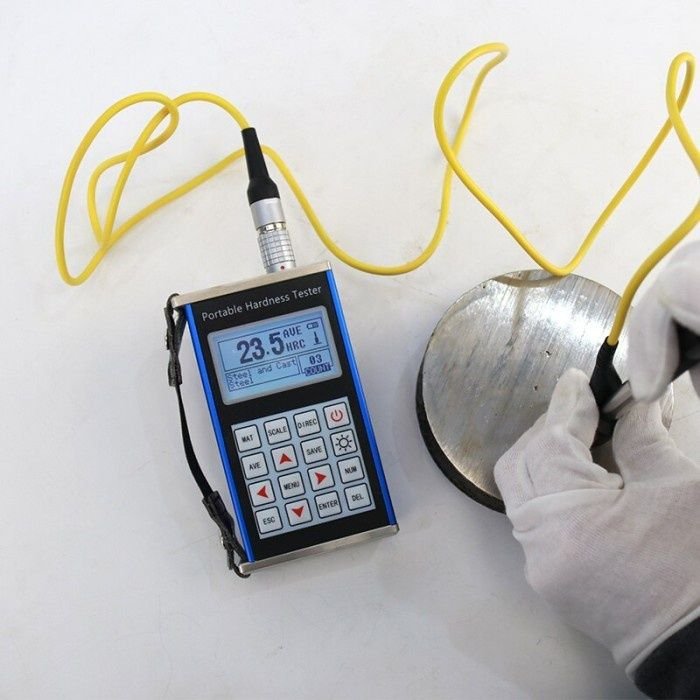
Hardness values are reported using Shore scales.
Örnekler şunları içerir:
- Shore A 30 = soft rubber
- Shore A 70 = medium-hard rubber
- Shore D 80 = hard plastic
Higher numbers indicate greater hardness.
Types of Durometer Hardness Scales
Shore A Durometer Scale
The Shore A scale is used for softer materials such as:
- Kauçuk
- Silikon
- Elastomerler
- Flexible plastics
Typical Shore A ranges:
| Malzeme | Kıyı A |
|---|---|
| Gel Materials | 10–20 |
| Silicone Rubber | 20–50 |
| Tire Rubber | 60–75 |
| Hard Rubber | 80–95 |
Shore D Durometer Scale
The Shore D scale measures harder materials such as:
- Nylon
- Polycarbonate
- Hard thermoplastics
Typical Shore D ranges:
| Malzeme | Shore D |
|---|---|
| Polyethylene | 50–65 |
| Nylon | 70–85 |
| Polycarbonate | 75–90 |
Shore OO and Other Specialty Scales
Specialized scales include:
- Shore OO
- Shore O
- Shore B
- Shore C
- Shore M
These scales are used for foams, gels, and specialty materials.
Durometer Hardness Test Procedure
Örnek Hazırlama
For reliable measurements:
- Clean the sample surface
- Ensure sufficient thickness
- Use a flat testing area
- Condition the material properly
Performing the Test
The durometer is placed perpendicular to the material surface.
The operator applies steady pressure until full contact is achieved.
Recording and Averaging Results
Multiple measurements should be taken at different locations.
The average value provides the most reliable hardness assessment.
Equipment Used for Durometer Hardness Testing
Analog Durometers
Traditional analog models feature:
- Mechanical dial indicators
- Basit kullanım
- Cost-effective design
Digital Durometers
Modern digital devices offer:
- High-resolution displays
- Veri depolama
- Statistical calculations
- USB connectivity
Test Stands and Fixtures
Test stands help improve:
- Tekrarlanabilirlik
- Operator consistency
- Ölçüm doğruluğu
Calibration Blocks
Calibration blocks verify instrument accuracy and support compliance with industry standards.
Advantages of the Durometer Hardness Test
The durometer method provides numerous advantages:
- Hızlı test süreci
- Kolay kullanım
- Non-destructive evaluation
- Portable equipment
- Low testing cost
- Immediate results
- Suitable for a wide range of materials
These benefits contribute to its widespread industrial use.
Limitations of the Durometer Hardness Test
Despite its popularity, some limitations exist:
- Not suitable for most metals
- Sensitive to sample thickness
- Influenced by temperature variations
- Requires proper testing technique
- Different scales may not be directly comparable
Understanding these limitations improves testing reliability.
Common Materials Tested with a Durometer
Rubber Products
Örnekler şunları içerir:
- Tires
- O-rings
- Gaskets
- Mühürler
Plastics and Polymers
Common materials include:
- PVC
- Polyethylene
- Polypropylene
- Nylon
Silicone and Elastomers
Durometer testing is frequently used for:
- Medical-grade silicone
- Industrial elastomers
- Flexible tubing
Foams and Soft Materials
Specialized scales are available for evaluating:
- Foam products
- Cushioning materials
- Soft gels
Endüstriyel Uygulamalar
Otomotiv Endüstrisi
Manufacturers test:
- Weather stripping
- Rubber mounts
- Contalar ve contalar
Tıbbi Cihazlar
Uygulamalar şunları içerir:
- Kateterler
- Tubing
- Silicone implants
Manufacturing and Quality Control
Durometer testing ensures:
- Product consistency
- Material compliance
- Process control
Consumer Products
Örnekler şunları içerir:
- Sporting goods
- Footwear
- Electronic accessories
Durometer Hardness Test vs Shore Hardness Test
A common misconception is that these are different tests.
In reality:
- Durometer = the instrument
- Shore hardness = the measurement scale
Therefore, a durometer hardness test is essentially a Shore hardness test performed using a durometer.
Endüstri Standartları ve Uyumluluk
The durometer hardness test is governed by internationally recognized standards:
- ASTM D2240
- ISO 868
Official references:
Following these standards ensures consistency and comparability of results.
Sıkça Sorulan Sorular
1. What is a durometer hardness test?
It is a test that measures a material’s resistance to indentation using a durometer instrument.
2. What materials can be tested with a durometer?
Rubber, silicone, plastics, elastomers, foams, and flexible polymers.
3. Shore A ile Shore D arasındaki fark nedir?
Shore A is used for softer materials, while Shore D is used for harder plastics and polymers.
4. Is the durometer hardness test destructive?
No. It is generally considered non-destructive because it leaves little or no permanent damage.
5. Why are multiple measurements recommended?
Material properties may vary slightly across the surface, so averaging improves accuracy.
6. Which industries use durometer testing?
Automotive, medical, plastics, manufacturing, aerospace, and consumer product industries.
Sonuç
Bu durometer hardness test is an essential method for evaluating the hardness of rubber, plastics, silicone, elastomers, and other flexible materials. Its simplicity, speed, portability, and reliability make it one of the most widely used material testing methods in modern manufacturing and quality control.
By understanding durometer scales, testing procedures, and applications, manufacturers can improve product quality, maintain consistency, and make more informed material selection decisions.

