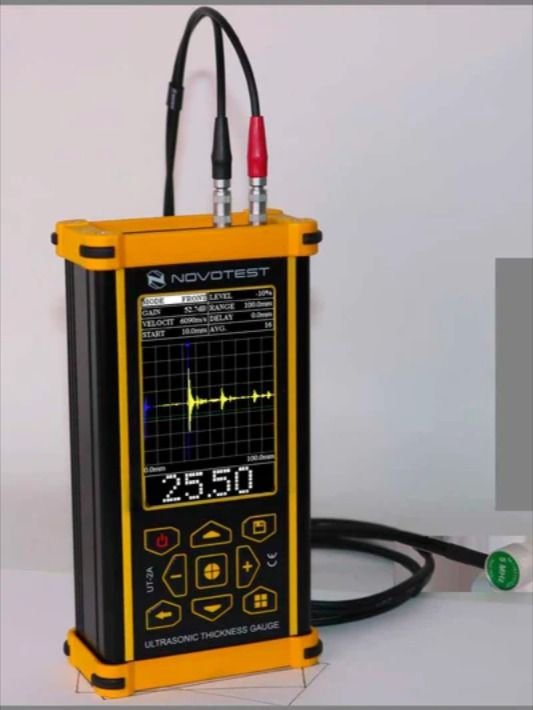
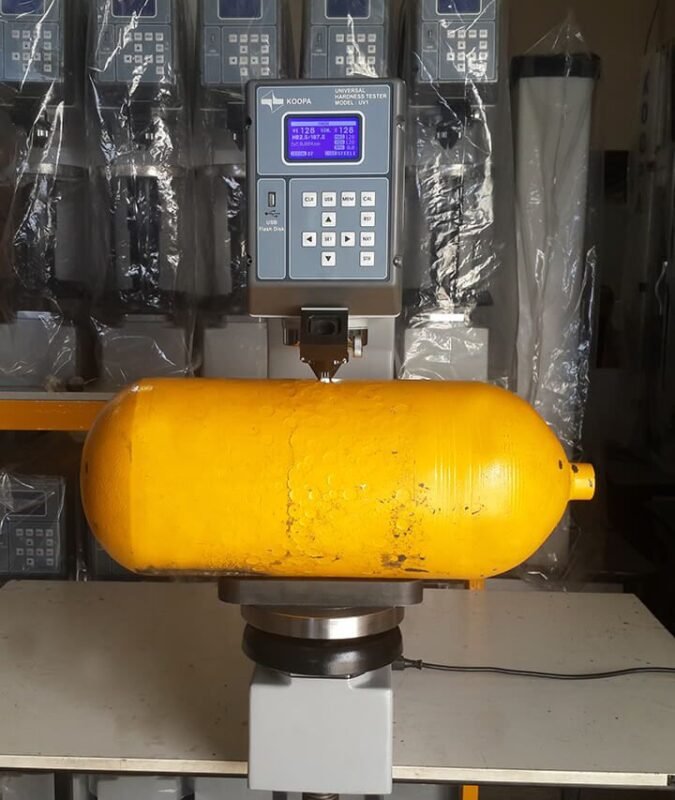
Laboratuvar Sertlik Test Cihazı: Doğru Malzeme Testi için 11 Güçlü Öngörü

.jpg)
Outline of the Article
| Başlık Seviyesi | Konu |
|---|---|
| H1 | Laboratory Hardness Tester: Complete Guide |
| H2 | Laboratuvar Sertlik Test Cihazına Giriş |
| H2 | What is a Laboratory Hardness Tester |
| H3 | Importance of Hardness Testing in Laboratories |
| H2 | How a Laboratory Hardness Tester Works |
| H3 | Temel Test Prensibi |
| H3 | Indentation Measurement Method |
| H2 | Types of Laboratory Hardness Tester |
| H3 | Brinell Sertlik Test Cihazı |
| H3 | Rockwell Sertlik Test Cihazı |
| H3 | Vickers Sertlik Test Cihazı |
| H3 | Micro Hardness Tester |
| H2 | Key Components of a Laboratory Hardness Tester |
| H3 | Girinti |
| H3 | Yük Uygulama Sistemi |
| H3 | Optik Ölçüm Sistemi |
| H3 | Digital Control Panel |
| H2 | Applications of Laboratory Hardness Tester |
| H2 | Advantages of Using Laboratory Hardness Tester |
| H2 | Standards and Testing Methods |
| H2 | Factors to Consider When Choosing a Laboratory Hardness Tester |
| H2 | Bakım ve Kalibrasyon |
| H2 | Future Trends in Hardness Testing Technology |
| H2 | SSS |
| H2 | Sonuç |
Laboratory Hardness Tester: Complete Guide to Accurate Material Testing
Laboratuvar Sertlik Test Cihazına Giriş
A laboratory hardness tester ölçmek için kullanılan özel bir araçtır. malzemelerin sertliği in controlled laboratory environments. Hardness refers to a material’s ability to resist indentation, scratching, or deformation when force is applied.
In material science and engineering, hardness testing plays an essential role in determining the strength, durability, and wear resistance of metals, alloys, plastics, ceramics, and other materials.
A laboratory hardness tester provides highly accurate and repeatable results, making it an important tool for research laboratories, quality control departments, universities, and industrial testing facilities.
Hardness testing helps engineers and researchers ensure that materials meet the required standards and specifications before being used in manufacturing or construction.
What is a Laboratory Hardness Tester
A laboratory hardness tester is a precision testing device designed to measure the hardness of materials by applying a controlled force through an indenter ve ortaya çıkan girintinin ölçülmesi.
The hardness value is calculated based on factors such as:
- Uygulanan yük
- Indentation depth or diameter
- Indenter shape
Laboratory hardness testers are widely used for material characterization and quality control.
Importance of Hardness Testing in Laboratories
Hardness testing is essential for several reasons:
- Sağlar material quality and consistency
- Helps determine aşınma direnci
- Supports research and development
- Validates heat treatment processes
- Confirms material specifications
Without accurate hardness testing, it would be difficult to evaluate the mechanical performance of materials.
How a Laboratory Hardness Tester Works
A laboratory hardness tester measures hardness by applying a specific load to a material surface using a standardized indenter.
Temel Test Prensibi
The testing process typically includes the following steps:
- The test sample is placed on the testing platform.
- A specific test load is applied through the indenter.
- The indenter penetrates the material surface.
- The indentation created is measured.
- The hardness value is calculated based on standardized formulas.
The process provides quantitative hardness values that can be compared with international standards.
Indentation Measurement Method
Different hardness testing methods measure indentation in different ways.
Two common measurement approaches include:
Derinlik Ölçümü
- Used in Rockwell hardness testing
- Measures the depth of indentation
Optical Measurement
- Used in Brinell and Vickers testing
- Measures indentation diameter or diagonal length using a microscope
Modern laboratory hardness testers often include digital imaging systems for precise measurement.
Types of Laboratory Hardness Tester
Several hardness testing methods are used in laboratories depending on the material type and testing requirements.
Brinell Sertlik Test Cihazı
Bu Brinell sertlik test cihazı uses a spherical steel or carbide ball indenter to measure hardness.
Key Characteristics
- Large indentation size
- Suitable for soft to medium-hard materials
- Ideal for cast metals and forgings
Uygulamalar
- Steel manufacturing
- Heavy metal components
- Structural materials
Rockwell Sertlik Test Cihazı
Bu Rockwell sertlik test cihazı measures hardness based on girinti derinliği.
Özellikler
- Hızlı test süreci
- Doğrudan sertlik okuması
- Minimal numune hazırlama
Uygulamalar
- Heat-treated metals
- Quality control laboratories
- Industrial production lines
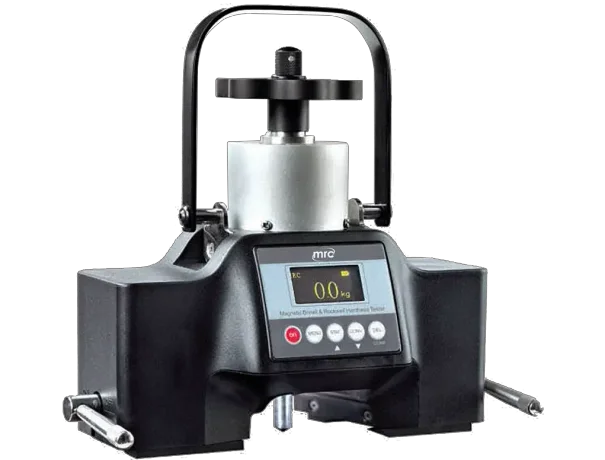
Vickers Sertlik Test Cihazı
Bu Vickers sertlik test cihazı uses a elmas piramit indenter.
Avantajlar
- Yüksek doğruluk
- İnce malzemeler için uygundur
- Geniş bir malzeme yelpazesine uygulanabilir
Uygulamalar
- Mikroyapı analizi
- Research laboratories
- Precision materials testing
Micro Hardness Tester
A micro hardness tester is designed for testing extremely small or thin materials.
Özellikler
- Very small test loads
- High magnification measurement
- Precise microstructure evaluation
Uygulamalar
- İnce kaplamalar
- Micro components
- Electronic materials
Key Components of a Laboratory Hardness Tester
A laboratory hardness tester includes several critical components that ensure accurate testing.
Girinti
Girinti ucu malzeme yüzeyine baskı yapan alet.
Common types include:
- Elmas piramit
- Steel ball
- Carbide ball
Yük Uygulama Sistemi
This system applies the controlled force required for indentation.
Load mechanisms may include:
- Dead weight systems
- Hydraulic systems
- Motorized load application
Optik Ölçüm Sistemi
Many testers include microscopes or digital cameras to measure indentation size accurately.
Digital Control Panel
Modern laboratory hardness testers include digital interfaces that allow operators to:
- Set testing parameters
- Record results
- Store data
Applications of Laboratory Hardness Tester
Laboratory hardness testers are widely used in various industries.
Material Science Research
Researchers use hardness testing to analyze material properties and performance.
Metallurgy Laboratories
Hardness testing helps evaluate metal strength and heat treatment results.
Kalite Kontrol
Manufacturers use laboratory hardness testers to verify product quality and consistency.
Otomotiv Endüstrisi
Ensures engine components and structural parts meet required hardness levels.
Havacılık ve Uzay Mühendisliği
Used to test high-performance alloys and structural materials.
Advantages of Using Laboratory Hardness Tester
Using a laboratory hardness tester offers multiple benefits.
High Accuracy
Laboratory-grade testers provide precise measurements.
Repeatable Results
Testing conditions remain consistent.
Geniş Malzeme Uyumluluğu
Suitable for metals, ceramics, plastics, and composites.
Standardized Testing
Complies with international testing standards.
Improved Quality Control
Helps ensure materials meet required specifications.
Standards and Testing Methods
Hardness testing follows international standards established by organizations such as:
- International Organization for Standardization
- ASTM Uluslararası
These standards ensure that hardness testing procedures are accurate, repeatable, and globally recognized.
Factors to Consider When Choosing a Laboratory Hardness Tester
Selecting the right hardness tester depends on several factors.
Malzeme Türü
Farklı malzemeler farklı test yöntemleri gerektirir.
Test Yük Aralığı
Ensure the tester supports required load levels.
Measurement Accuracy
Precision measurement systems improve test reliability.
Otomasyon Seviyesi
Automatic testers increase efficiency and reduce human error.
Data Recording
Modern testers provide digital storage and analysis features.
Bakım ve Kalibrasyon
Regular maintenance ensures reliable hardness testing results.
Important maintenance practices include:
- Cleaning indenters and test surfaces
- Verifying load calibration
- Inspecting optical systems
- Updating software
Proper calibration ensures accurate and consistent hardness measurements.
Future Trends in Hardness Testing Technology
Hardness testing technology continues to evolve.
Digital Imaging Systems
Advanced imaging improves measurement precision.
Fully Automated Testers
Automation reduces human error and increases efficiency.
Yapay Zeka Tabanlı Malzeme Analizi
Artificial intelligence is being used to analyze test results.
Integrated Laboratory Systems
Hardness testers can now integrate with laboratory data management systems.
Sıkça Sorulan Sorular (SSS)
1. What is a laboratory hardness tester used for?
A laboratory hardness tester measures the hardness of materials by evaluating their resistance to indentation.
2. What materials can be tested with a laboratory hardness tester?
Materials such as metals, alloys, plastics, ceramics, and coatings can be tested.
3. Yaygın sertlik test yöntemleri nelerdir?
Common methods include Brinell, Rockwell, Vickers, and micro hardness testing.
4. Why is hardness testing important?
Hardness testing helps determine material strength, durability, and wear resistance.
5. How accurate are laboratory hardness testers?
High-quality laboratory hardness testers provide extremely precise and repeatable measurements.
6. How often should hardness testers be calibrated?
Calibration should be performed regularly according to testing standards and manufacturer recommendations.
Sonuç
A laboratory hardness tester is an essential instrument for measuring the hardness and mechanical properties of materials in research and industrial laboratories. By using standardized testing methods such as Brinell, Rockwell, and Vickers, these devices provide reliable and accurate data that support quality control, product development, and scientific research.
With the integration of digital technology, automation, and advanced imaging systems, laboratory hardness testers continue to evolve, offering greater precision and efficiency in material testing.
For laboratories and industries focused on material performance and product reliability, investing in a high-quality laboratory hardness tester is critical for ensuring consistent and accurate results. 🔬