




Endüstriyel Sertlik Test Cihazı Güç Kılavuzu Ağır Hizmet Kalite Kontrolü için 11 Temel Avantaj


Endüstriyel Sertlik Test Cihazı Makalesi için Taslak
| Konu Alanı | LSI Anahtar Kelimeleriyle Detaylı Kapsam |
|---|---|
| Endüstriyel Sertlik Test Cihazına Giriş | endüstriyel malzeme testi, sertlik ölçümü |
| Endüstriyel Malzemelerde Sertliğin Anlamı | deformasyona karşı direnç, yüzey mukavemeti |
| Endüstriyel Sertlik Testinin Önemi | kalite kontrol, güvenlik güvencesi |
| Endüstriyel Sertlik Test Cihazının Evrimi | Brinell, Rockwell, Vickers geliştirme |
| Endüstriyel Sertlik Test Cihazının Çalışma Prensibi | girinti testi, yük kontrolü |
| Endüstriyel Sertlik Test Cihazının Temel Bileşenleri | indenter, çerçeve, ölçüm sistemi |
| Endüstriyel Sertlik Ölçme Cihazı Çeşitleri | Brinell, Rockwell, Vickers, Shore |
| Brinell Endüstriyel Sertlik Test Cihazı | dökümler, ağır bileşenler |
| Rockwell Endüstriyel Sertlik Test Cihazı | üretim hatları, hızlı test |
| Vickers Endüstriyel Sertlik Test Cihazı | hassasiyet, mikrosertlik |
| Shore Endüstriyel Sertlik Test Cihazı | kauçuk, plastik |
| Dijital Endüstriyel Sertlik Test Cihazı | otomasyon, veri doğruluğu |
| Taşınabilir Endüstriyel Sertlik Test Cihazı | yerinde denetim |
| Kalibrasyon ve Endüstriyel Standartlar | ASTM, ISO uyumluluğu |
| Doğru Endüstriyel Sertlik Ölçme Cihazı Seçimi | uygulama bazli seçi̇m |
| İmalatta Endüstriyel Sertlik Test Cihazı | süreç kontrolü |
| Ağır Sanayide Endüstriyel Sertlik Test Cihazı | petrol, gaz, i̇nşaat |
| Otomotiv Sektöründe Endüstriyel Sertlik Test Cihazı | bileşen güvenilirliği |
| Endüstriyel Sertlik Test Cihazının Avantajları | verimlilik, tutarlılık |
| Sınırlamalar ve Zorluklar | yüzey hazırlığı |
| Bakım ve Uzun Ömürlülük | kalibrasyon, bakım |
| Endüstriyel Testlerde Güvenlik Uygulamaları | operatör koruması |
| Endüstriyel Test Sonuçlarının Yorumlanması | sertlik ölçekleri |
| Kalite Güvence Sistemlerindeki Rolü | denetimler, uygunluk |
| Marka Uzmanlığı ve Endüstriyel Çözümler | Johoyd endüstriyel test cihazları |
| Yaygın Endüstriyel Test Hataları | hatalar, önleme |
| Endüstriyel Sertlik Test Cihazında Gelecek Trendler | akıllı teknoloji |
| SSS | ortak sektör sorulari |
| Sonuç | özet ve görünüm |
Giriş
Bir Endüstriyel Sertlik Test Cihazı malzemelerin stres altında performans göstermesi gereken her yerde kritik bir araçtır. Endüstriyel ortamlarda arıza maliyetli ve bazen de tehlikelidir. Bu nedenle, güvenilir sertlik ölçümü bir seçenek olmaktan ziyade bir zorunluluk haline gelir. Bu test ekipmanı, malzemelerin uygulanan kuvvete nasıl tepki verdiği hakkında net veriler sağlayarak endüstrilerin tutarlı kaliteyi korumasına yardımcı olur.
Büyük çelik yapılardan hassas işlenmiş parçalara kadar, endüstriyel sertlik testi üretimin her aşamasında karar verme sürecini destekler. Bu olmadan, malzeme performansı büyük ölçüde varsayımlara dayanır.
Endüstriyel Sertlik Test Cihazı
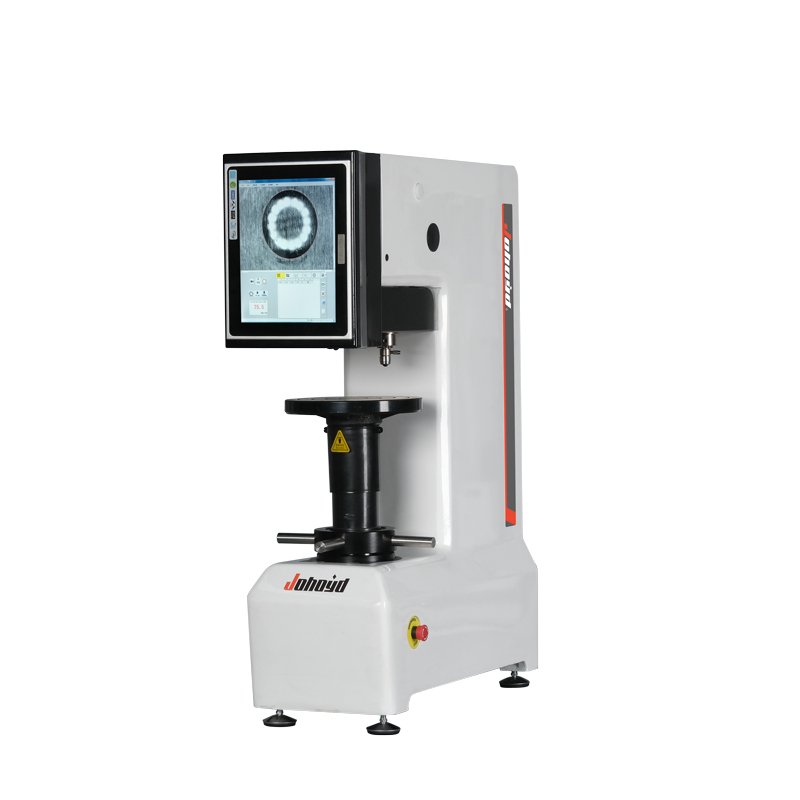
Bir Endüstriyel Sertlik Test Cihazı Bir malzemenin kalıcı deformasyona karşı direncini ölçer. Test cihazı, kontrollü kuvvet altında bir girintiyi yüzeye bastırarak yüzey mukavemetini yansıtan bir sertlik değeri üretir.
Konsept basit olmasına rağmen, sonuç güçlüdür. Tek bir sertlik değeri uygun ısıl işlemi onaylayabilir, malzeme tutarsızlıklarını tespit edebilir veya kusurlu parçaların hizmete girmesini önleyebilir.
Endüstriyel Malzemelerde Sertliğin Anlamı
Endüstriyel malzemelerdeki sertlik, girinti, çizilme veya aşınmaya karşı koyma kabiliyetini ifade eder. Dayanıklılık ve hizmet ömrü ile yakından bağlantılıdır. Metaller için sertlik genellikle gerilme mukavemeti ve aşınma direnci ile ilişkilidir.
Endüstriyel Sertlik Test Cihazı, mühendislerin bu özelliği ölçmesine olanak tanır. Görsel kontrollere veya varsayımlara güvenmek yerine, tekrarlanabilir, standartlaştırılmış veriler elde ederler.
Endüstriyel Sertlik Testinin Önemi
Endüstriyel sertlik testi, kalite kontrolde merkezi bir rol oynar. Malzemelerin tasarım özelliklerini ve endüstri standartlarını karşılayıp karşılamadığını doğrular. İnşaat, enerji ve ulaşım gibi sektörlerde sertlik sapmaları yapısal arızalara yol açabilir.
Üreticiler bir Endüstriyel Sertlik Test Cihazı kullanarak riski azaltır, güvenilirliği artırır ve itibarlarını korurlar. Çoğu durumda sertlik testi, ürün onayından önceki son kontrol noktası olarak hizmet eder.
Endüstriyel Sertlik Test Cihazının Evrimi
Sertlik test yöntemleri endüstriyel talepleri karşılamak için gelişti. İlk Brinell test cihazları büyük, kaba malzemelerle çalışıyordu. Rockwell testi daha sonra süreci basitleştirdi ve hızlandırdı, bu da onu üretim ortamları için ideal hale getirdi.
Vickers testi, çok yönlülüğü daha yüksek hassasiyetle genişletti. Günümüzün Endüstriyel Sertlik Test Cihazı, onlarca yıllık endüstriyel deneyimi yansıtan bu yöntemleri dijital kontrol ile entegre eder.
Endüstriyel Sertlik Test Cihazının Çalışma Prensibi
Çalışma prensibi, malzeme yüzeyine bastırılan bir girintiye bilinen bir yükün uygulanmasını içerir. Yüklemeden sonra girinti derinliği veya boyutu ölçülür.
Daha sert malzemeler deformasyona direnç göstererek daha küçük çentikler oluşturur. Bu ilişki malzemeler, partiler ve tedarikçiler arasında tutarlı bir karşılaştırma yapılmasını sağlar.
Endüstriyel Sertlik Test Cihazının Temel Bileşenleri
Tipik bir Endüstriyel Sertlik Test Cihazı şunları içerir:
- Girinti elmas veya sertleştirilmiş çelikten yapılmış
- Yük sistemi doğru kuvvet sağlama
- Sert çerçeve istikrarın sağlanması
- Ölçüm sistemi derinlik veya baskı boyutu için
- Ekran veya dijital arayüz
Her bileşen doğruluğa katkıda bulunur. Endüstriyel ortamlar sağlam yapı ve güvenilir performans gerektirir.
Endüstriyel Sertlik Ölçme Cihazı Çeşitleri
Endüstriyel sertlik test cihazları çeşitli şekillerde gelir. Yaygın tipler arasında Brinell, Rockwell, Vickers ve Shore test cihazları bulunur. Her biri belirli malzemelere ve test koşullarına uygundur.
Doğru tipin seçilmesi anlamlı sonuçlar elde edilmesini sağlar. Uygun olmayan bir test cihazının kullanılması veri kalitesini tehlikeye atabilir.
Brinell Endüstriyel Sertlik Test Cihazı
Brinell Endüstriyel Sertlik Test Cihazı büyük bir bilyeli indenter ve ağır yük kullanır. Dökümler, dövmeler ve homojen olmayan malzemeler için iyi çalışır.
Ancak, fark edilebilir bir girinti bırakır. Bu nedenle, kaba veya yarı mamul bileşenler için en uygunudur.
Rockwell Endüstriyel Sertlik Test Cihazı
Rockwell test cihazları endüstriyel üretim hatlarına hakimdir. Minimum yüzey hasarı ile hızlı sonuçlar verirler.
Çoklu Rockwell ölçekleri farklı malzemelerin test edilmesini sağlar. Bu esneklik, Rockwell Endüstriyel Sertlik Test Cihazını fabrikalarda standart bir seçim haline getirir.
Vickers Endüstriyel Sertlik Test Cihazı
Vickers testi yüksek hassasiyet sunar. Elmas piramit indenter, geniş bir sertlik aralığında test yapılmasını sağlar.
Endüstriler, doğruluğun en önemli olduğu ince kesitler, kaplamalar ve hassas bileşenler için Vickers test cihazlarını kullanır.
Shore Endüstriyel Sertlik Test Cihazı
Shore sertlik testi esas olarak kauçuk ve plastikler için geçerlidir. Girinti boyutundan ziyade penetrasyon derinliğini ölçer.
Shore Endüstriyel Sertlik Test Cihazı taşınabilir ve kullanımı kolaydır, bu da onu elastomer üretimi için ideal hale getirir.
Dijital Endüstriyel Sertlik Test Cihazı
Dijital teknoloji endüstriyel sertlik testlerini dönüştürdü. Modern makineler otomatik yükleme, elektronik ölçüm ve veri depolama özelliklerine sahiptir.
Bu iyileştirmeler operatör etkisini azaltır ve tekrarlanabilirliği artırır. Dijital test cihazları ayrıca kalite yönetim sistemleriyle sorunsuz bir şekilde entegre olur.
Taşınabilir Endüstriyel Sertlik Test Cihazı
Taşınabilir test cihazları, büyük veya sabit bileşenlerin yerinde incelenmesine olanak tanır. Petrol ve gaz gibi sektörler saha testleri için bu cihazlara güvenmektedir.
Taşınabilirlik hassasiyeti biraz azaltabilse de, kolaylık ve hız genellikle bu sınırlamadan daha ağır basar.
Kalibrasyon ve Endüstriyel Standartlar
Endüstriyel sertlik testi ASTM ve ISO gibi standartları takip eder. Düzenli kalibrasyon doğruluk ve izlenebilirlik sağlar.
Düzgün kalibre edilmiş bir Endüstriyel Sertlik Test Cihazı, uyumluluğu ve müşteri güvenini korur.
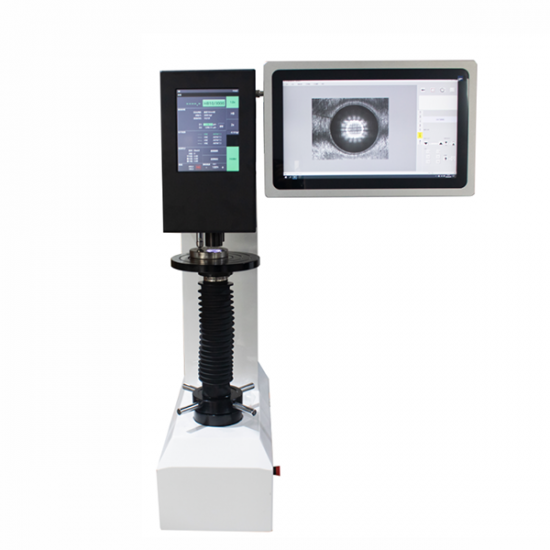
Doğru Endüstriyel Sertlik Ölçme Cihazı Seçimi
Doğru test cihazının seçilmesi malzeme türüne, test ortamına ve gereken hassasiyete bağlıdır. Yüksek hacimli üretim hızı tercih ederken, laboratuvarlar hassasiyete öncelik verir.
Gibi üreticiler Johoyd sektör odaklı çözümler sunarak müşterilerin doğru Endüstriyel Sertlik Test Cihazını uygulama ihtiyaçlarıyla eşleştirmelerine yardımcı olur.
İmalatta Endüstriyel Sertlik Test Cihazı
Üretimde, sertlik testi proses stabilitesini doğrular. Isıl işlem, kaynak ve işleme operasyonlarının tümü sertliği etkiler.
Endüstriyel Sertlik Test Cihazı sapmaları erken tespit ederek hurda ve yeniden işleme oranlarını azaltır.
Ağır Sanayide Endüstriyel Sertlik Test Cihazı
İnşaat, madencilik ve enerji gibi ağır endüstriler sağlam testler gerektirir. Bileşenler aşırı yükler ve zorlu ortamlarla karşı karşıyadır.
Endüstriyel sertlik testi, malzemelerin bu koşullara hatasız bir şekilde dayanmasını sağlar.
Otomotiv Sektöründe Endüstriyel Sertlik Test Cihazı
Otomotiv üreticileri dişliler, şaftlar ve motor bileşenleri için sertlik testlerine güvenmektedir. Tutarlı sertlik, performans ve güvenlik sağlar.
Testler uzun vadeli güvenilirliği ve müşteri güvenini destekler.
Endüstriyel Sertlik Test Cihazının Avantajları
Temel avantajlar şunlardır:
- Hızlı ve tekrarlanabilir ölçümler
- Minimum maddi hasar
- Mekanik performans ile güçlü bağlantı
- Uygun maliyetli kalite kontrolü
Bu faydalar, yaygın endüstriyel benimsemeyi açıklamaktadır.
Sınırlamalar ve Zorluklar
Yüzey pürüzlülüğü, yanlış ölçek seçimi ve ince numuneler sonuçları etkileyebilir. Bu zorlukların anlaşılması yanlış kullanımı önler.
Eğitim ve deneyim test güvenilirliğini artırır.
Bakım ve Uzun Ömürlülük
Rutin bakım ekipman ömrünü uzatır. Girintilerin temizlenmesi, hizalamanın kontrol edilmesi ve kalibrasyonun planlanması büyük önem taşır.
Bakımı iyi yapılmış bir Endüstriyel Sertlik Test Cihazı yıllarca tutarlı performans sağlar.
Endüstriyel Testlerde Güvenlik Uygulamaları
Operatörler güvenlik prosedürlerine uymalıdır. Doğru kullanım yaralanmaları ve ekipman hasarını önler.
Eğitim hem güvenliği hem de doğruluğu artırır.
Endüstriyel Test Sonuçlarının Yorumlanması
Sertlik değerleri bağlam içinde yorumlanmalıdır. Farklı ölçeklerin karşılaştırılması uygun dönüştürme gerektirir.
Deneyim, anlamlı sonuçlara ulaşılmasını sağlar.
Kalite Güvence Sistemlerindeki Rolü
Kalite güvence ekipleri, denetimler ve sertifikasyonlar için sertlik testlerine bağlıdır. Belgelendirilmiş sertlik verileri uyumluluğu destekler.
Aşağıdaki gibi güvenilir tedarikçiler Johoyd, aracılığıyla https://hardnesstests.com, endüstriyel müşterileri küresel standartlarla uyumlu güvenilir sertlik testi çözümleriyle desteklemektedir.
Yaygın Endüstriyel Test Hataları
Yaygın hatalar arasında kötü yüzey hazırlığı ve atlanan kalibrasyon yer alır. Farkındalık hataları azaltır.
Uygun prosedürlerle tutarlılık artar.
Endüstriyel Sertlik Test Cihazında Gelecek Trendler
Akıllı sensörler, yapay zeka destekli analiz ve kablosuz veri aktarımı geleceği şekillendiriyor. Bu teknolojiler verimliliği ve içgörüyü artırıyor.
Endüstriyel sertlik testi, endüstri talepleriyle birlikte gelişmeye devam ediyor.
Sıkça Sorulan Sorular
Endüstriyel Sertlik Test Cihazı ne için kullanılır?
Endüstriyel malzemelerde deformasyona karşı direnci ölçer.
Endüstriyel sertlik testi tahrip edici midir?
Çoğu yöntem minimal düzeyde yıkıcıdır.
Endüstride en yaygın olan test cihazı hangisidir?
Rockwell test cihazları yaygın olarak kullanılmaktadır.
Kalibrasyon ne sıklıkta yapılmalıdır?
Genellikle yıllık olarak veya standart gerekliliklere göre.
Bir test cihazı tüm malzemeleri kapsayabilir mi?
Farklı malzemeler farklı yöntemler gerektirir.
Sertlik testi endüstride neden kritik öneme sahiptir?
Güvenlik, kalite ve dayanıklılık sağlar.
Sonuç
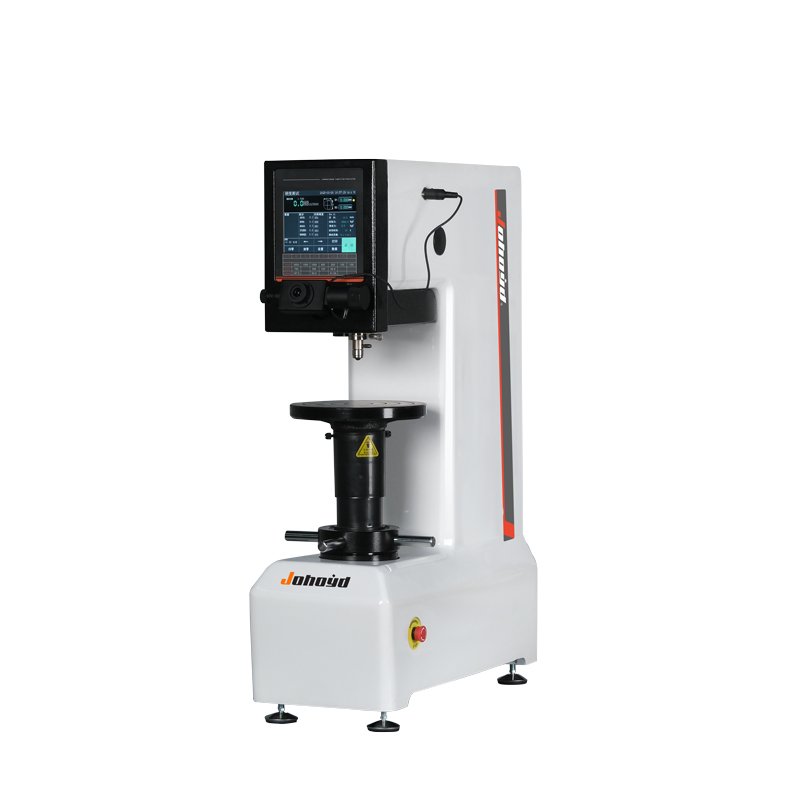
Bu Endüstriyel Sertlik Test Cihazı modern kalite kontrolün kalbinde yer alır. Uygulanan gücü eyleme geçirilebilir verilere dönüştürerek endüstrilerin başarısızlığı önlemesine ve tutarlılığı sürdürmesine yardımcı olur. Genellikle fark edilmese de, güvenlik ve güvenilirlikte belirleyici bir rol oynar.
gibi deneyimli üreticiler ile Johoyd aracılığıyla gelişmiş endüstriyel çözümler sunar hardnesstests.com, şirketler test süreçlerinde güven kazanıyor. Teknoloji ilerledikçe, endüstriyel sertlik testleri malzeme performansı ve güven için gerekli olmaya devam edecektir.
Önerilen Dahili Bağlantılar
- Endüstriyel Malzeme Test Çözümleri
- Mühendislik Malzemelerinin Mekanik Özellikleri
Önerilen Giden Bağlantılar
- ASTM Endüstriyel Sertlik Standartları
- ISO Test ve Muayene Kılavuzları