




Metallographic Sample Preparation Complete Guide Essential Steps for Accurate Microstructure Analysis


Outline for the Article on Metallographic Sample Preparation
| Oblasť témy | Podrobné pokrytie pomocou kľúčových slov LSI |
|---|---|
| Introduction to Metallographic Sample Preparation | metallography preparation |
| Definition of Metallographic Sample Preparation | metallurgical sample preparation |
| Role of Sample Preparation in Metallography | microstructure analysis |
| Importance of Proper Sample Preparation | accuracy and reliability |
| Overview of Metallographic Examination Process | preparation to analysis |
| Types of Materials in Metallography | kovy a zliatiny |
| Sampling and Sectioning | cutting techniques |
| Abrasive Cutting Methods | precision cutting |
| Mounting of Metallographic Samples | hot mounting, cold mounting |
| Purpose of Sample Mounting | edge retention |
| Mounting Materials and Resins | epoxy, phenolic |
| Grinding in Metallographic Preparation | surface leveling |
| Grinding Abrasives and Papers | silicon carbide |
| Grinding Techniques and Best Practices | stepwise grinding |
| Polishing in Metallographic Preparation | mirror finish |
| Rough Polishing Methods | diamond polishing |
| Final Polishing Techniques | oxide polishing |
| Polishing Cloths and Media | cloth selection |
| Cleaning Between Preparation Steps | contamination prevention |
| Etching in Metallography | microstructure revelation |
| Chemical Etching Methods | reagent selection |
| Electrolytic Etching | controlled etching |
| Etching Safety Considerations | chemical handling |
| Microscopic Examination Readiness | surface quality |
| Common Preparation Defects | scratches, deformation |
| Avoiding Preparation Artifacts | best practices |
| Manual vs Automatic Sample Preparation | efficiency comparison |
| Automatic Metallographic Preparation Equipment | consistency improvement |
| Sample Preparation for Hard Materials | steels and alloys |
| Sample Preparation for Soft Materials | aluminum and copper |
| Sample Preparation for Coated Materials | tenké vrstvy |
| Metallographic Preparation Standards | ASTM, ISO |
| Quality Control in Sample Preparation | repeatability |
| Applications in Metallurgical Laboratories | routine analysis |
| Applications in Failure Analysis | root cause investigation |
| Applications in R&D | vývoj materiálov |
| Maintenance of Sample Preparation Equipment | long-term performance |
| Safety in Metallographic Sample Preparation | ochrana operátora |
| Odborné znalosti a riešenia značky | Johoyd metallography equipment |
| Future Trends in Metallographic Preparation | automatizácia |
| Často kladené otázky | bežné otázky |
| Záver | zhrnutie |
Úvod
Metallographic sample preparation is a critical process in metallurgical analysis, enabling accurate examination of a material’s microstructure. Without proper preparation, even the most advanced microscope cannot deliver reliable results.
In metallurgical laboratories, manufacturing quality control, and research facilities, metallographic sample preparation forms the foundation for understanding material behavior, processing quality, and failure mechanisms.
Metallographic Sample Preparation
Metallographic sample preparation involves a series of controlled steps designed to produce a flat, scratch-free surface suitable for microscopic examination. Each step builds on the previous one, and errors introduced early are difficult to remove later.
Precision and consistency are essential throughout the process.
Definition of Metallographic Sample Preparation
Metallographic sample preparation is the process of cutting, mounting, grinding, polishing, and etching a material specimen to reveal its microstructure under a microscope. The goal is to expose true structural features without introducing artifacts.
This process applies to metals, alloys, and coated materials.

Role of Sample Preparation in Metallography
Sample preparation enables clear visualization of grains, phases, inclusions, and defects. Without proper preparation, microstructural interpretation becomes unreliable.
Accurate preparation supports informed engineering decisions.
Importance of Proper Sample Preparation
Proper metallographic sample preparation ensures that observed features represent the true material condition. Poor preparation can cause scratches, deformation, or false structures.
Reliable preparation protects data integrity.
Overview of Metallographic Examination Process
Metallographic examination follows a logical sequence: sampling, preparation, microscopic analysis, and interpretation. Preparation bridges raw material and meaningful analysis.
Each step influences final results.
Types of Materials in Metallography
Metallography applies to steels, aluminum alloys, copper alloys, titanium, and advanced materials. Each material responds differently to preparation.
Techniques must be adapted accordingly.
Sampling and Sectioning
Sampling involves selecting a representative portion of the material. Sectioning separates this portion from the bulk without altering microstructure.
Controlled cutting is essential.
Abrasive Cutting Methods
Abrasive cutting uses rotating wheels with coolant to minimize heat. Excessive heat can change microstructure.
Proper cutting preserves material integrity.
Mounting of Metallographic Samples
Mounting embeds the sample in a supporting medium. This facilitates handling and protects edges.
Mounting improves preparation efficiency.
Purpose of Sample Mounting
Sample mounting improves edge retention and allows consistent grinding and polishing. It also standardizes specimen size.
This improves repeatability.
Mounting Materials and Resins
Common mounting materials include epoxy, acrylic, and phenolic resins. Selection depends on temperature, pressure, and material type.
Correct choice improves results.
Grinding in Metallographic Preparation
Grinding removes cutting damage and flattens the surface. It uses progressively finer abrasives.
Controlled grinding prevents deformation.
Grinding Abrasives and Papers
Silicon carbide papers are commonly used. Grit size selection determines material removal rate.
Stepwise progression is critical.
Grinding Techniques and Best Practices
Grinding should be performed with uniform pressure and consistent direction changes. Over-grinding causes damage.
Technique influences surface quality.
Polishing in Metallographic Preparation
Polishing removes fine scratches from grinding. It produces a mirror-like surface suitable for microscopy.
Polishing requires precision.
Rough Polishing Methods
Rough polishing uses diamond suspensions with appropriate cloths. It bridges grinding and final polishing.
Proper lubrication prevents damage.
Final Polishing Techniques
Final polishing uses very fine abrasives such as alumina or silica. This step reveals microstructural details.
Cleanliness is essential.
Polishing Cloths and Media
Polishing cloth selection affects material removal and surface finish. Soft and hard cloths serve different purposes.
Matching cloth to material is important.
Cleaning Between Preparation Steps
Cleaning prevents cross-contamination between steps. Residual abrasives can cause scratches.
Cleanliness ensures accuracy.
Etching in Metallography
Etching selectively attacks microstructural features. It reveals grain boundaries and phases.
Etching transforms a polished surface into a readable structure.
Chemical Etching Methods
Chemical etching uses reagents specific to material type. Etchant selection determines contrast.
Controlled timing is critical.
Electrolytic Etching
Electrolytic etching uses electrical current to control material removal. It provides uniform results.
This method improves consistency.
Etching Safety Considerations
Etchants are often hazardous. Proper ventilation, protective equipment, and training are essential.
Safety protects personnel and facilities.

Microscopic Examination Readiness
A well-prepared sample shows clear microstructural features without artifacts. This ensures reliable analysis.
Preparation quality determines success.
Common Preparation Defects
Common defects include scratches, pull-outs, smearing, and deformation. These obscure true microstructure.
Identifying defects improves technique.
Avoiding Preparation Artifacts
Artifacts are avoided through proper cutting, controlled grinding, and careful polishing. Training and experience matter.
Consistency reduces errors.
Manual vs Automatic Sample Preparation
Manual preparation offers flexibility but depends on operator skill. Automatic systems provide consistency and efficiency.
Automation reduces variability.
Automatic Metallographic Preparation Equipment
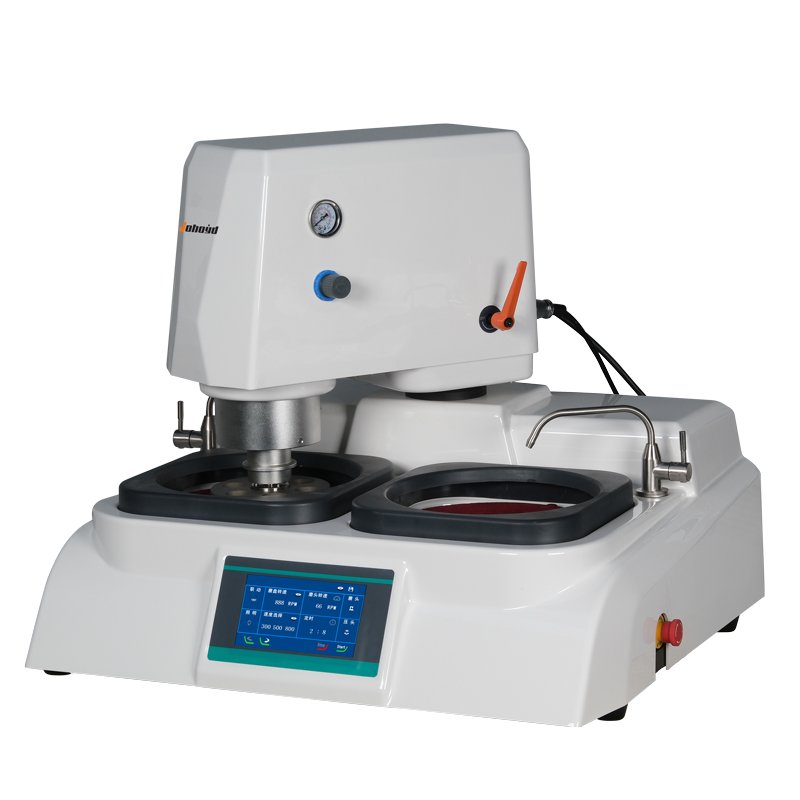
Automatic preparation machines control force, speed, and time. They improve repeatability and productivity.
Automation supports quality systems.
Sample Preparation for Hard Materials
Hard materials require careful grinding and diamond polishing. Excessive force causes cracking.
Controlled parameters ensure success.
Sample Preparation for Soft Materials
Soft materials smear easily. Gentle grinding and specialized cloths are required.
Technique adjustment is critical.
Sample Preparation for Coated Materials
Coated materials require excellent edge retention. Mounting and low-force polishing are essential.
Preparation protects coating integrity.
Metallographic Preparation Standards
Standards such as ASTM and ISO define preparation guidelines. Following standards ensures comparability.
Compliance supports quality assurance.
Quality Control in Sample Preparation
Quality control ensures consistent preparation results. Documentation and standard procedures reduce variation.
Repeatability builds confidence.
Applications in Metallurgical Laboratories
Routine metallographic analysis relies on proper preparation. Laboratories depend on consistent techniques.
Preparation underpins analysis.
Applications in Failure Analysis
Failure analysis requires precise preparation to identify cracks and defects. Poor preparation can mask root causes.
Accuracy is critical.
Applications in R&D
Research laboratories use metallographic preparation to study new materials. Microstructure guides innovation.
Preparation quality supports discovery.
Maintenance of Sample Preparation Equipment
Regular maintenance ensures consistent performance. Worn consumables affect results.
Maintenance supports reliability.
Safety in Metallographic Sample Preparation
Safety measures include guarding, proper chemical handling, and training. Preparation involves mechanical and chemical hazards.
Safety culture is essential.
Odborné znalosti a riešenia značky
Spoľahlivé metallographic sample preparation requires precision equipment and expert support. Johoyd, prostredníctvom https://hardnesstests.com, provides professional metallographic preparation equipment and hardness testing solutions that support laboratories, manufacturers, and quality control teams with accuracy, durability, and international compliance.
Future Trends in Metallographic Preparation
Future trends include greater automation, smart preparation systems, and improved consumables. These advancements will further enhance consistency and efficiency.
Často kladené otázky
What is metallographic sample preparation used for?
It prepares materials for microstructure examination.
Is metallographic preparation destructive?
Yes, it permanently alters the sample surface.
Which materials require metallographic preparation?
Metals, alloys, and coated materials.
Does preparation affect analysis accuracy?
Yes, preparation quality directly affects results.
Are automatic systems better than manual?
They offer improved consistency and efficiency.
Which standards apply to metallographic preparation?
ASTM and ISO standards.
Záver
Metallographic sample preparation is the foundation of reliable metallurgical analysis. From cutting and mounting to polishing and etching, each step determines the quality of microstructural observation.
S profesionálnymi riešeniami od Johoyd k dispozícii na hardnesstests.com, laboratories and manufacturers can rely on metallographic sample preparation equipment that delivers precision, consistency, and compliance. As technology advances, metallographic preparation will continue to support accurate material evaluation and industrial innovation.
Navrhované interné odkazy
- Metallurgical Testing Equipment
- Stroj na testovanie tvrdosti
Navrhované odchádzajúce odkazy
- ASTM Metallographic Preparation Standards
- ISO Metallography Testing Guidelines