




Babbitt Hardness Tester: Precision Testing for Soft Metal Alloys

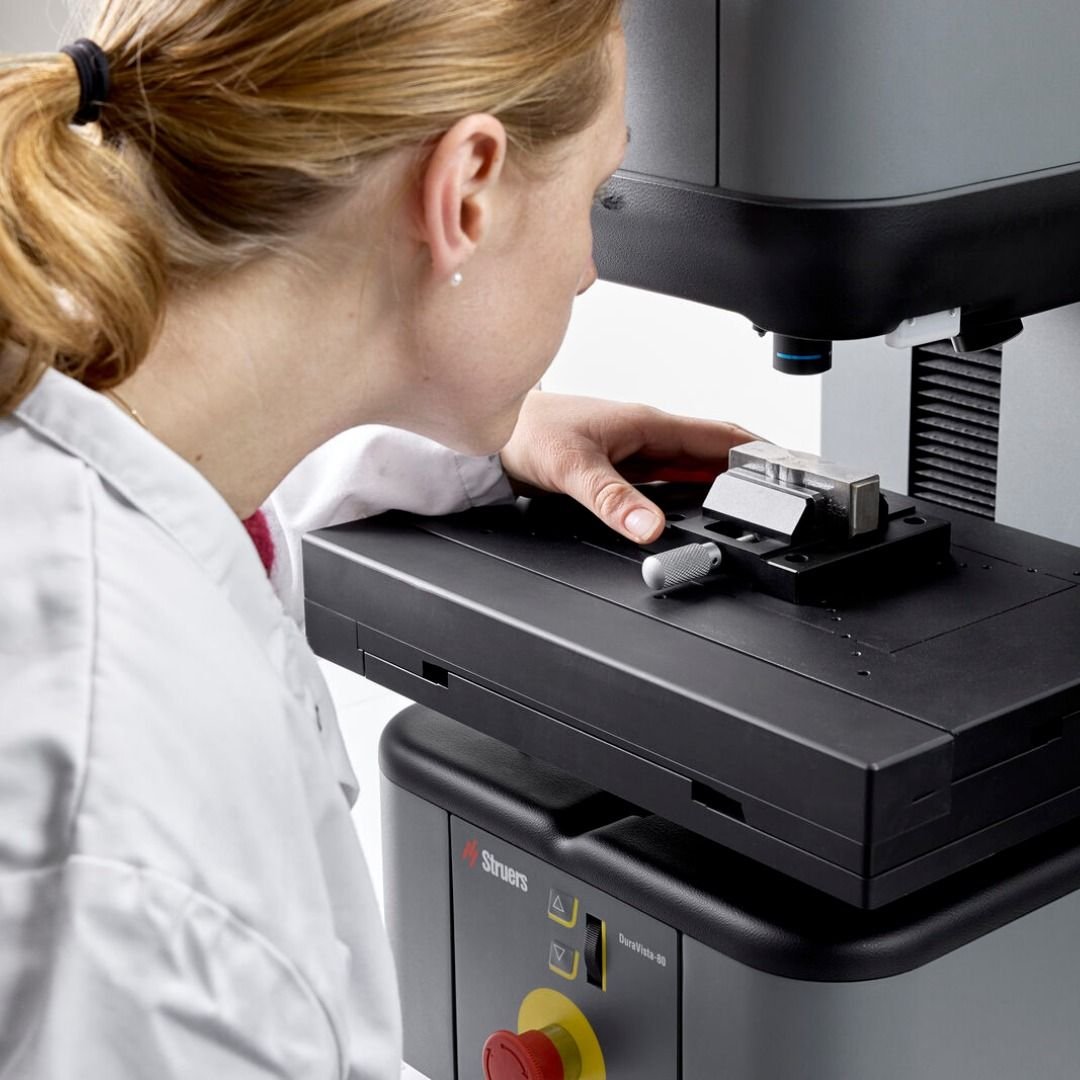
In the field of tribology, metallurgy, and mechanical engineering, certain materials demand specialized testing methods due to their unique properties. One such material is Babbitt metal—a soft, white metal alloy primarily used for bearing surfaces. Because of its low hardness and tendency to deform under load, testing Babbitt requires a dedicated instrument: the Babbitt hardness tester.
In this detailed, SEO-optimized article, we’ll explore what a Babbitt hardness tester is, how it works, its applications, benefits, selection criteria, and maintenance tips.
What Is a Babbitt Hardness Tester?
A Babbitt hardness tester is a specialized instrument designed to measure the hardness of Babbitt alloys and other soft metals (typically in the range of 5–35 HB). Babbitt metal, composed mainly of tin, lead, antimony, and copper, is widely used as a bearing lining material due to its excellent embeddability and conformability.
Standard hardness testers like Brinell or Rockwell are unsuitable for such soft materials because they apply excessive force, causing excessive penetration or deformation. The Babbitt hardness tester solves this by using a lighter load and a specific indenter suited for soft alloys.
How Does a Babbitt Hardness Tester Work?
The Babbitt hardness test follows a modified Brinell principle but with adjusted parameters:
- Sample Preparation The bearing surface or test coupon is polished to a smooth finish to ensure uniform contact.
- Indentation A hardened steel ball indenter (usually 2.5 mm or 5 mm diameter) is pressed into the Babbitt surface under a low test load—typically 62.5 kgf or less—compared to the 3000 kgf used in standard Brinell tests.
- Measurement After a dwell time of 10–30 seconds, the indenter is removed, and the diameter of the impression is measured optically.
- Hardness Calculation The Babbitt Hardness Number (BHN) is calculated using the standard Brinell formula: BHN=πD(D−D2−d2)2P
Kde:
- P= applied load (kgf)
- D= indenter diameter (mm)
- d= indentation diameter (mm)
Because of the low load, the indentation is shallow, preserving the integrity of the bearing surface while still providing reliable data.
Key Benefits of Using a Babbitt Hardness Tester
1. Tailored for Soft Metals
Applies just enough force to obtain measurable indentations without damaging soft Babbitt layers.
2. Non-Destructive for Functional Bearings
Shallow indentations allow testing on actual bearing shells without compromising usability.
3. Quality Assurance in Bearing Manufacturing
Ensures Babbitt linings meet specified hardness requirements for optimal performance.
4. Simple Operation
Manual or semi-automatic models are easy to use in production and field environments.
5. Compliance with Industry Standards
Meets ASTM E10 and other relevant standards for low-load Brinell testing.

Applications of Babbitt Hardness Testers
- Bearing Production – Verifying hardness of Babbitt-lined journal bearings, thrust washers, and bushings.
- Maintenance & Reconditioning – Testing worn or repaired bearings in turbines, compressors, and pumps.
- Marine Engineering – Checking stern tube bearings and rudder stock bushings.
- Power Generation – Ensuring reliability of hydro-generator and steam turbine bearings.
- Automotive Restoration – Testing vintage engine main and connecting rod bearings.
Babbitt vs. Other Hardness Tests for Soft Metals
| Funkcia | Babbitt Hardness Tester | Standard Brinell Tester | Rockwell Superficial Tester |
|---|---|---|---|
| Load Range | 31.25–62.5 kgf | 500–3000 kgf | 15–45 kgf |
| Indenter | Steel ball | Steel ball or carbide | Diamond cone / ball |
| Material Suitability | Very soft metals (Babbitt) | Medium to hard metals | Thin coatings, soft metals |
| Indentation Depth | Shallow | Deep | Very shallow |
| Best For | Bearing linings | General metal testing | Case depth, plating |
How to Choose the Right Babbitt Hardness Tester
- Load Range Ensure the tester can apply the correct low load (e.g., 62.5 kgf) for accurate Babbitt testing.
- Indenter Diameter Common sizes are 2.5 mm and 5 mm; choose based on desired indentation size and test standard.
- Systém merania Optical microscopes with digital readouts improve accuracy and repeatability.
- Portability For field inspections, consider a handheld or bench-top model with battery power.
- Calibration Standards Use certified test blocks traceable to national standards for regular calibration.
Maintenance Tips for Accurate Results
- Regular Calibration – Verify with low-range hardness test blocks.
- Inspect Indenter – Check for wear or deformation; replace if necessary.
- Clean Test Surface – Remove oil, dirt, or oxides for clear indentations.
- Control Environment – Perform tests at stable temperatures to avoid expansion effects.
- Document Results – Record load, indenter size, and indentation diameter for traceability.
Emerging Trends
- Digital Babbitt Testers – Integrate cameras and software for automatic indentation measurement.
- Wireless Data Logging – Send results directly to mobile devices or quality management systems.
- Combined Soft Metal Testing – Multi-mode testers that handle Babbitt, lead, and tin alloys in one unit.
Záver
Stránka Babbitt hardness tester is an essential tool for industries relying on soft metal bearings. Its ability to deliver accurate, non-destructive hardness measurements ensures the reliability and longevity of Babbitt-lined components.
By choosing the right tester and following proper procedures, engineers and technicians can maintain the highest standards of quality in bearing manufacture, maintenance, and repair.