




Ceramic Hardness Tester: The Complete Guide to Accurate Hardness Testing for Advanced Ceramics

Introduction to Ceramic Hardness Testers
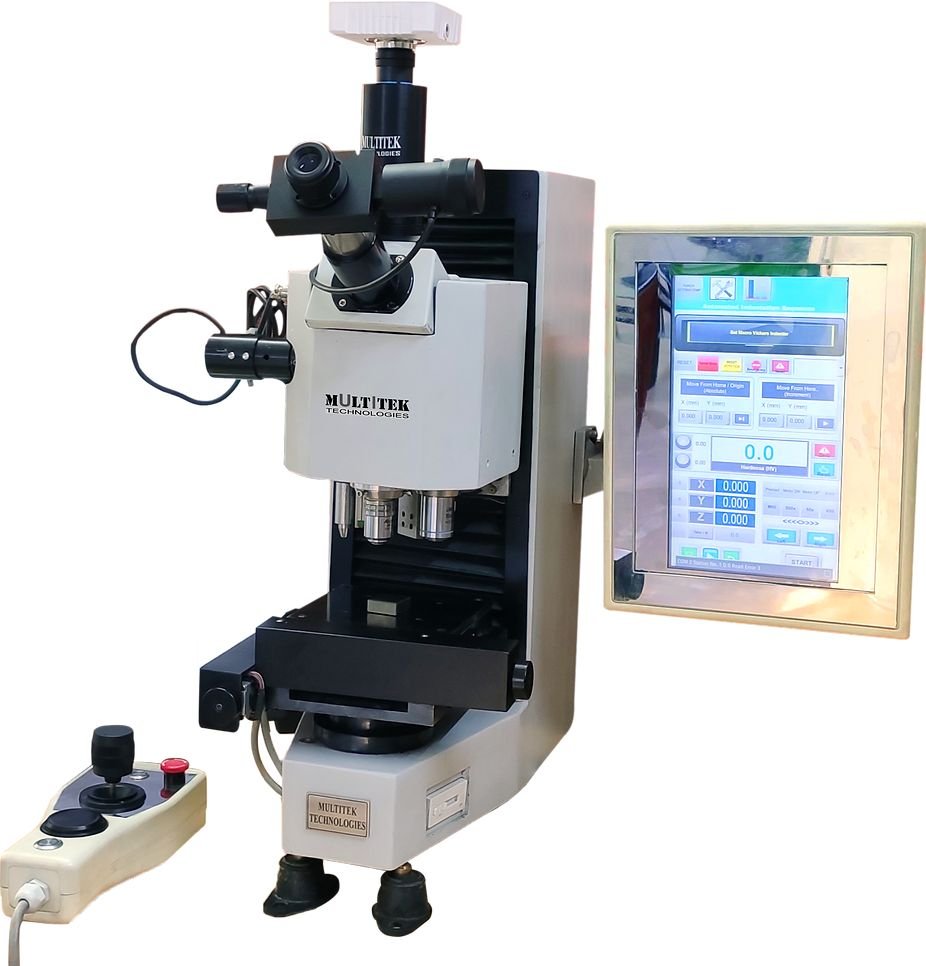
A ceramic hardness tester is a precision instrument designed to measure the hardness of advanced ceramic materials. Ceramics are among the hardest engineering materials available and are widely used in industries requiring exceptional wear resistance, high-temperature stability, corrosion resistance, and electrical insulation. Because ceramics are both extremely hard and relatively brittle, accurate hardness testing is essential for evaluating material quality, manufacturing consistency, and long-term performance.
Unlike conventional metals, ceramics require specialized testing methods capable of applying highly controlled loads while minimizing crack formation around the indentation. Modern ceramic hardness testers combine precision loading systems, diamond indenters, high-resolution optical measurement, and advanced software to deliver reliable, repeatable, and standards-compliant results.
What Is a Ceramic Hardness Tester?
Vymedzenie pojmu a účel
A ceramic hardness tester is a testing instrument used to determine the resistance of ceramic materials to permanent deformation under a controlled load. The resulting hardness value provides valuable information about the material’s wear resistance, mechanical strength, manufacturing quality, and suitability for demanding applications.
Typické aplikácie zahŕňajú:
- Kontrola prichádzajúceho materiálu
- Kontrola kvality výroby
- Výskum a vývoj
- Certifikácia materiálov
- Analýza porúch
- Process optimization
- Product validation
- Akademický výskum
Why Hardness Testing Is Important for Ceramics
Skúšky tvrdosti pomáhajú výrobcom overiť:
- Odolnosť proti opotrebeniu
- Mechanical strength
- Manufacturing consistency
- Sintering quality
- Surface integrity
- Životnosť výrobku
Since hardness often correlates with abrasion resistance and service life, it is one of the most important quality indicators for engineering ceramics.
Types of Ceramic Materials
Alumina Ceramics
Alumina (Al₂O₃) is widely used because of its excellent hardness, electrical insulation, corrosion resistance, and relatively low manufacturing cost.
Typické aplikácie zahŕňajú:
- Electronic substrates
- Pump seals
- Wear plates
- Insulators
Zirconia Ceramics
Zirconia (ZrO₂) combines high hardness with exceptional fracture toughness, making it suitable for structural and biomedical applications.
Silicon Carbide (SiC)
Silicon carbide offers extremely high hardness, thermal conductivity, and chemical resistance for abrasive and high-temperature environments.
Silicon Nitride (Si₃N₄)
Silicon nitride provides excellent fatigue resistance, thermal shock resistance, and mechanical strength.
Medzi bežné použitia patria:
- Ložiská
- Komponenty motora
- Turbine parts
Technical and Engineering Ceramics
Advanced ceramics include boron carbide, aluminum nitride, tungsten carbide composites, and other specialized materials used in high-performance industrial applications.
Ceramic Hardness Testing Methods
Testovanie tvrdosti podľa Vickersa
Vickers testing is one of the most commonly used methods for ceramics because the diamond pyramid indenter provides accurate hardness measurements over a wide hardness range.
Ideálne pre:
- Structural ceramics
- Engineering ceramics
- Laboratóriá kontroly kvality
Testovanie tvrdosti podľa Knoopa
Knoop testing produces a shallow elongated indentation, making it especially suitable for brittle ceramics and thin ceramic coatings.
Aplikácie zahŕňajú:
- Keramické povlaky
- Glass ceramics
- Krehké materiály
- Tenké rezy
Micro Vickers Hardness Testing
Micro Vickers testing applies low loads to evaluate localized hardness while minimizing crack formation.
Common applications:
- Fine-grained ceramics
- Surface-treated ceramics
- Mikroštrukturálna analýza
- Výskumné laboratóriá
Nanoindentation Testing
Nanoindentation measures hardness and elastic modulus using extremely small forces and continuous depth sensing.
Vhodné pre:
- Thin ceramic films
- Nanostructured ceramics
- MEMS materials
- Výskumné aplikácie
Instrumented Indentation Testing
Instrumented indentation provides additional mechanical properties, including:
Types of Ceramic Hardness Testers
Prístroje na meranie tvrdosti na pracovnom stole
Bench-mounted Vickers and Knoop systems provide laboratory-grade precision for production quality control.
Microhardness Testers
Microhardness systems are widely used for evaluating localized hardness, grain boundaries, and ceramic coatings.
Nano Hardness Testers
Nanoindentation systems are designed for ultra-small test forces and advanced material characterization.
Systémy na automatické meranie tvrdosti
Fully automated systems feature:
- Servo-riadené zaťaženie
- Zobrazovanie s automatickým zaostrovaním
- Automatické rozpoznávanie odsadenia
- AI-assisted measurement
- Hromadné testovanie
- Statistical reporting
Main Components of a Ceramic Hardness Tester
Precision Loading System
Accurate force control is essential because ceramics are brittle and highly sensitive to excessive loading.
Modern systems use servo-controlled loading mechanisms to ensure repeatable results.
Diamantové vtlačovacie hroty
V závislosti od metódy testovania môže tester použiť:
- Vickersova diamantová pyramída
- Knoop diamond indenter
- Berkovich indenter (nanoindentation)
Optický merací systém
Advanced optical systems include:
- Mikroskop s vysokým rozlíšením
- CCD alebo CMOS kamera
- LED osvetlenie
- Automatická detekcia okrajov
These technologies improve measurement accuracy while reducing operator variability.
Intelligent Software Platform
Moderný softvér podporuje:
- Automatické výpočty tvrdosti
- Crack length measurement
- Štatistická analýza
- Vytváranie správ vo formátoch PDF a Excel
- Database management
- Integrácia systému LIMS
Key Features of Modern Ceramic Hardness Testers
Ultra-High Precision Force Control
Precise loading minimizes crack formation and improves repeatability.
Automatické meranie odtlačkov
Digital image processing automatically measures indentation dimensions for consistent results.
AI-Assisted Image Analysis
Advanced software enhances edge detection, reduces image noise, and improves measurement reliability.
Statistical Reporting and Data Management
Modern systems support:
- Štatistická kontrola procesov (SPC)
- Hardness trend analysis
- Batch reporting
- Cloud storage
- Vysledovateľnosť údajov
Priemyselné aplikácie
Elektronický priemysel
Skontrolujte:
- Ceramic substrates
- Semiconductor components
- Insulators
- Electronic packages
Aerospace and Defense
Vyhodnoťte:
- Thermal protection systems
- Ceramic armor
- Turbine components
- High-temperature ceramics
Zdravotnícke pomôcky
Measure ceramic materials used in:
- Dental implants
- Hip replacements
- Surgical tools
Cutting Tools and Wear Parts
Verify hardness of:
- Ceramic cutting inserts
- Wear plates
- Industrial nozzles
- Seal rings

Research and Material Development
Universities and research laboratories use ceramic hardness testers to develop advanced ceramic materials and optimize manufacturing processes.
How to Choose the Best Ceramic Hardness Tester
Ceramic Material Type
Choose equipment appropriate for the ceramic composition, grain size, and expected hardness range.
Required Test Force
Select Micro Vickers, Knoop, or Nanoindentation depending on the sample size, thickness, and testing objectives.
Presnosť a automatizácia
Hľadajte funkcie, ako napríklad:
- Servo-riadené zaťaženie
- Zobrazovanie s automatickým zaostrovaním
- Automatické rozpoznávanie odsadenia
- Statistical reporting
Dodržiavanie noriem
Ensure the tester complies with ASTM and ISO standards relevant to ceramic hardness testing.
Kalibrácia a údržba
Bežná údržba by mala zahŕňať:
- Overovanie pomocou certifikovaných referenčných blokov na meranie tvrdosti
- Cleaning optical components and indenters
- Scheduled calibration
- Aktualizácie softvéru
- Preventívne kontrolné prehliadky
These procedures maintain long-term measurement accuracy.
Výhody a obmedzenia
Výhody
A ceramic hardness tester provides:
- Vysoká presnosť merania
- Vynikajúca opakovateľnosť
- Schopnosť pôsobiť s mimoriadne nízkou silou
- Automated measurement
- Digitálne podávanie správ
- International standards compliance
- Improved quality assurance
Obmedzenia
Medzi možné obmedzenia patria:
- Brittle materials may crack under excessive test loads.
- Surface preparation is critical for accurate measurements.
- Nanoindentation systems require specialized expertise.
- Advanced systems involve higher initial investment.
Medzinárodné normy
Spoločné normy pre ceramic hardness tester Medzi oblasti použitia patria:
- ASTM C1327 – Standard Test Method for Vickers Indentation Hardness of Advanced Ceramics
- ASTM E384 – Štandardná skúšobná metóda na stanovenie tvrdosti materiálov mikroindentáciou
- ASTM E92 – Standard Test Methods for Vickers Hardness and Knoop Hardness of Metallic Materials (also widely referenced for test procedures)
- ISO 14705 – Fine Ceramics (Advanced Ceramics) — Test Method for Hardness of Monolithic Ceramics at Room Temperature
- ISO 6507 – Skúška tvrdosti podľa Vickersa
- ISO 4545 – Knoop Hardness Test
Oficiálne zdroje:
Často kladené otázky
1. What is a ceramic hardness tester used for?
A ceramic hardness tester measures the hardness of advanced ceramic materials to evaluate wear resistance, manufacturing quality, mechanical performance, and suitability for demanding industrial applications.
2. Which hardness testing method is best for ceramics?
Vickers and Knoop hardness testing are the most commonly used methods for engineering ceramics. Micro Vickers is ideal for localized measurements, while nanoindentation is preferred for thin films and advanced material research.
3. Can ceramic hardness testers measure thin ceramic coatings?
Yes. Knoop, Micro Vickers, and nanoindentation systems are specifically designed to evaluate thin ceramic coatings while minimizing substrate influence.
4. Which industries use ceramic hardness testers?
Ceramic hardness testers are widely used in electronics, aerospace, defense, medical device manufacturing, cutting tool production, research laboratories, and advanced materials development.
5. How often should a ceramic hardness tester be calibrated?
Calibration should be verified regularly using certified reference blocks and performed according to the manufacturer’s recommendations and applicable ASTM or ISO standards.
6. How do I choose the right ceramic hardness tester?
Consider the ceramic material, sample dimensions, expected hardness range, required test force, automation level, measurement accuracy, and compliance with relevant testing standards.
Záver
A ceramic hardness tester is an essential instrument for evaluating the quality and mechanical performance of advanced ceramic materials. Whether testing alumina, zirconia, silicon carbide, silicon nitride, ceramic coatings, or other engineering ceramics, selecting the appropriate hardness testing method ensures accurate, repeatable, and standards-compliant measurements.
By investing in a ceramic hardness tester with precision force control, advanced optical imaging, intelligent software, and reliable calibration, manufacturers and research laboratories can improve quality assurance, optimize material development, reduce inspection errors, and ensure consistent product performance across demanding industrial applications.
