




Cast Iron Hardness Tester: Practical Guide for Accurate Measurement

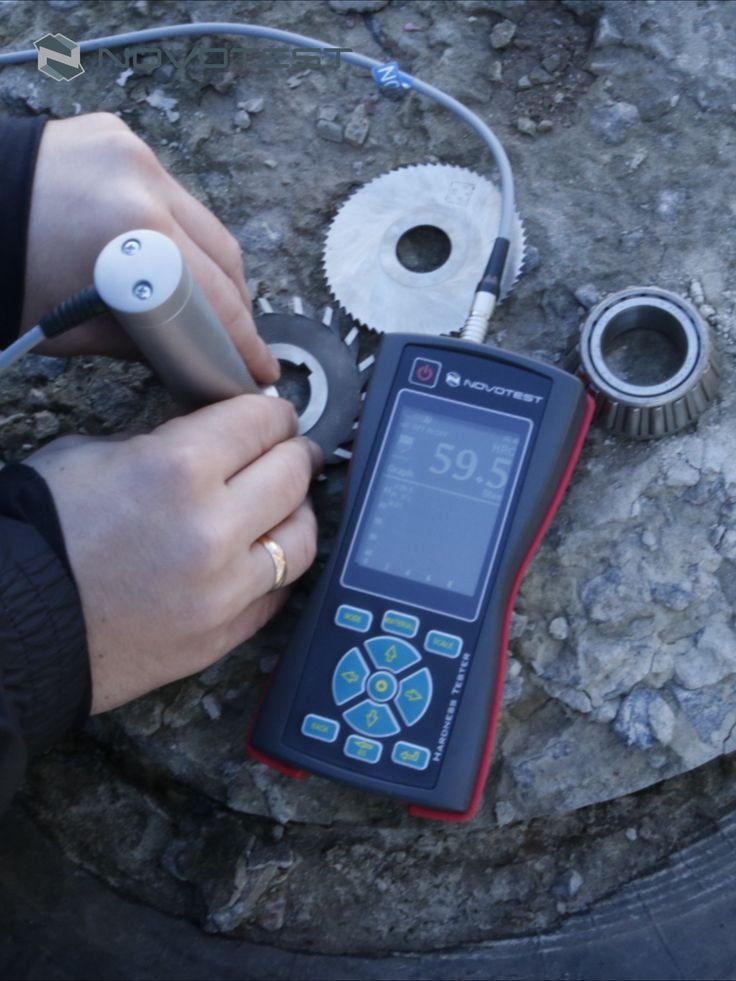
Introduction to Cast Iron Hardness Testing
A cast iron hardness tester is essential for evaluating the mechanical properties of cast iron components used in demanding industrial environments. Unlike steel or aluminum, cast iron has a coarse microstructure and graphite content that can affect measurement consistency. That’s why selecting the right cast iron hardness tester is critical for reliable results.
From foundries to maintenance teams, professionals rely on a cast iron hardness tester to verify quality, prevent failures, and ensure compliance with standards.
What Is a Cast Iron Hardness Tester
Definition and Scope
A cast iron hardness tester is a device used to measure the resistance of cast iron to indentation or impact, depending on the method applied.
Why Cast Iron Needs Special Attention
Cast iron contains graphite flakes or nodules, which can lead to variability in readings. A suitable cast iron hardness tester must handle these variations and still deliver stable results.
📎 Outbound references:
https://en.wikipedia.org/wiki/Hardness
https://www.iso.org/
How a Cast Iron Hardness Tester Works
Indentation-Based Measurement
Brinell Method
Uses a hardened ball to create a larger indentation, ideal for coarse materials like cast iron.
Rockwell Method
Measures depth of penetration under load; faster but sometimes less representative for rough cast surfaces.

Rebound-Based Measurement
A cast iron hardness tester using the rebound (Leeb) method measures impact velocity changes. It’s fast and ideal for large parts.
Types of Testers for Cast Iron
Tester tvrdosti podľa Brinella
Best suited for foundries and lab testing due to its large indentation and stable results.
Tester tvrdosti Rockwell
Used for quicker checks on smoother machined surfaces.
Portable (Leeb) Tester
Ideal for large castings and on-site inspections.
👉 Interné prepojenie:
https://hardnesstests.com/leeb-hardness-tester
Ultrasonic (UCI) Tester
Suitable for smaller areas and thin sections.
👉 Interné prepojenie:
https://hardnesstests.com/ultrasonic-hardness-tester
Key Features to Look For
Accuracy on Coarse-Grain Materials
A good cast iron hardness tester must compensate for material heterogeneity.
Impact Device Selection
Different probes (D, G types) are better suited for cast iron surfaces.
Data Logging and Connectivity
Modern testers allow storage and export of results for traceability.
Aplikácie v rôznych odvetviach
Foundry and Casting
Used to verify hardness after casting and heat treatment.
Automotive Components
Engine blocks, brake discs, and housings require consistent hardness checks.
Pipes, Valves, and Pumps
Critical for durability and pressure resistance.
👉 Interné prepojenie:
https://hardnesstests.com/field-hardness-tester-device
Advantages of Using the Right Tester
- Reliable results on coarse materials
- Vhodné pre veľké a ťažké komponenty
- Fast testing in field conditions
- Supports multiple hardness scales
Limitations and How to Mitigate Them
A cast iron hardness tester may show variability due to surface roughness and graphite distribution. To improve accuracy:
- Take multiple readings
- Prepare surfaces when possible
- Use appropriate test methods
How to Choose the Best Option
Material Grade and Surface Condition
Gray iron, ductile iron, and malleable iron behave differently.
Thickness and Geometry
Large castings may require portable testers, while small parts suit bench machines.
Budget and Support
Choose reliable suppliers with calibration and service support.
Údržba a kalibrácia
- Calibrate regularly using certified blocks
- Clean probes after each use
- Store equipment safely
- Follow manufacturer guidelines
Standards and Compliance
Most testing follows:
- ASTM → https://www.astm.org/
- ISO → https://www.iso.org/
These standards ensure repeatability and global acceptance.

Best Practices for Accurate Results
- Test on clean, flat surfaces
- Avoid edges and thin sections
- Take average of multiple readings
- Use correct probe and load
Product Recommendations and Internal Links
Explore suitable solutions for cast iron testing:
- https://hardnesstests.com/leeb-hardness-tester
- https://hardnesstests.com/portable-hardness-tester-equipment
- https://hardnesstests.com/ultrasonic-hardness-tester
- https://hardnesstests.com/field-hardness-tester-device
These options are designed for industrial environments and deliver reliable results across different cast iron applications.
Často kladené otázky
1. What is the best method for testing cast iron hardness?
Brinell is often preferred due to its larger indentation area.
2. Can portable testers be used on cast iron?
Yes, especially Leeb testers for large castings.
3. Does surface roughness affect results?
Yes, rough surfaces can cause variation in readings.
4. How many tests should be performed?
Multiple readings are recommended for accuracy.
5. Is calibration necessary?
Yes, regular calibration ensures reliable performance.
6. What industries use cast iron hardness testers?
Foundries, automotive, oil & gas, and heavy machinery sectors.
Záver
A cast iron hardness tester is essential for ensuring the quality and reliability of cast iron components. By choosing the right method and following best practices, you can achieve accurate and consistent results even on challenging materials. Investing in a suitable cast iron hardness tester improves quality control, reduces risk, and supports long-term operational efficiency.