




Vickers hardheidsmeter Definitieve gids precisiefeiten voor nauwkeurige materiaaltesten

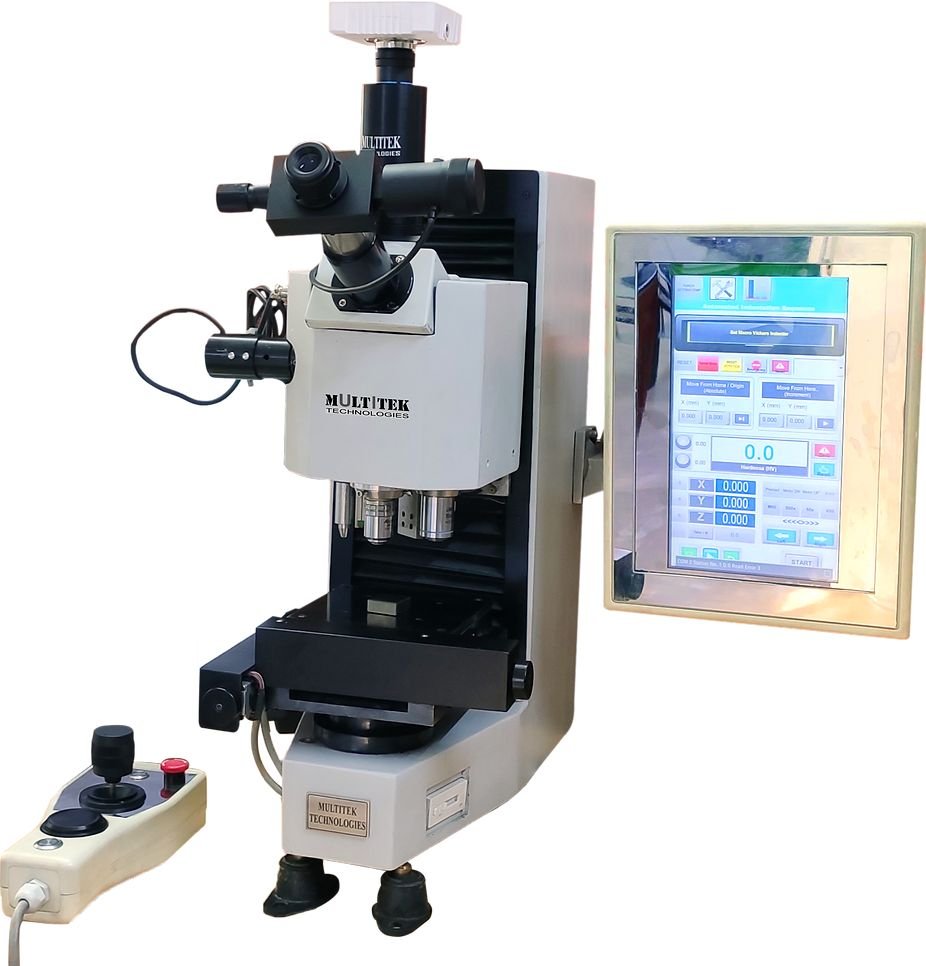
Outline for the Article on Vickers Hardness Tester
| Onderwerp | Gedetailleerde dekking met LSI-zoekwoorden |
|---|---|
| Introduction to Vickers Hardness Tester | Vickers hardness testing |
| Definition of Vickers Hardness Tester | Vickers testing machine |
| Importance of Vickers Hardness Testing | precisie hardheidsmeting |
| History and Development of Vickers Test | diamond indentation method |
| Basic Principle of Vickers Hardness Testing | diagonal length measurement |
| Vickers Hardness Number | HV calculation |
| Vickers Indenter Design | diamond pyramid indenter |
| Test Loads and Ranges | micro and macro hardness |
| Vickers Test Procedure | stapsgewijs testen |
| Types of Vickers Hardness Testers | handmatig, digitaal, automatisch |
| Manual Vickers Hardness Tester | traditional laboratory use |
| Digitale Vickers hardheidsmeter | optical and software measurement |
| Automatische Vickers hardheidsmeter | high-throughput testen |
| Micro Vickers Hardness Tester | low-load testing |
| Macro Vickers Hardness Tester | higher-load testing |
| Materials Suitable for Vickers Testing | metalen en legeringen |
| Vickers Hardness Testing for Steel | heat-treated steels |
| Vickers Hardness Testing for Aluminum | soft metals |
| Vickers Hardness Testing for Coatings | thin layers |
| Vickers Hardness Testing for Ceramics | brittle materials |
| Vereisten voor monstervoorbereiding | oppervlakafwerking |
| Nauwkeurigheid en herhaalbaarheid | reliable measurements |
| Calibration of Vickers Hardness Tester | traceerbaarheid |
| Standards for Vickers Hardness Testing | ASTM E92, ISO 6507 |
| Advantages of Vickers Hardness Tester | wide applicability |
| Limitations of Vickers Hardness Testing | optical dependence |
| Toepassingen in Productie | process validation |
| Toepassingen in kwaliteitscontrole | acceptatietesten |
| Toepassingen in R&D-laboratoria | materiële ontwikkeling |
| Applications in Metallography | microstructuurcorrelatie |
| Data Recording and Reporting | digitale documentatie |
| Veelvoorkomende testfouten | preventiestrategieën |
| Selecting the Right Vickers Hardness Tester | koopgids |
| Maintenance of Vickers Hardness Tester | nauwkeurigheid op lange termijn |
| Integration with Digital Systems | Industry 4.0 |
| Merkexpertise en -oplossingen | Johoyd Vickers testers |
| Future Trends in Vickers Hardness Testing | automation and AI |
| FAQs | veelvoorkomende vragen |
| Conclusie | samenvatting |
Inleiding
A Vickers hardheidsmeter is one of the most precise and versatile instruments used for measuring material hardness. Known for its ability to test both very soft and extremely hard materials using a single indenter geometry, the Vickers method has become a cornerstone of laboratory and industrial hardness testing.
Because it provides consistent results across a wide range of materials and loads, the Vickers hardness tester is widely adopted in manufacturing, research, and metallurgical laboratories around the world.

Vickers Hardness Tester
A Vickers hardheidsmeter measures hardness by pressing a diamond pyramid indenter into the surface of a material and measuring the diagonal lengths of the resulting indentation. The hardness value is calculated based on the applied load and indentation geometry.
This approach ensures excellent accuracy and repeatability.
Definition of Vickers Hardness Tester
A Vickers hardness tester is a mechanical or digital device that determines hardness using a square-based diamond pyramid indenter with a fixed angle. The method produces a Vickers Hardness Number, commonly expressed as HV.
Its standardized geometry allows results to be compared across different load ranges.
Importance of Vickers Hardness Testing
Vickers hardness testing is important because it offers a single testing principle applicable to many materials. It is especially valuable when high precision is required.
Industries rely on Vickers hardness testers for quality control, material research, and failure analysis.
History and Development of Vickers Test
The Vickers test was developed to overcome limitations of earlier hardness methods. By using a diamond indenter with a constant geometry, it enabled testing across a wide hardness range.
Over time, the Vickers hardness tester evolved with optical measurement and digital analysis.
Basic Principle of Vickers Hardness Testing
The Vickers test applies a known load to a diamond pyramid indenter. After unloading, the diagonal lengths of the indentation are measured.
Hardness is calculated from the load divided by the surface area of the indentation.
Vickers Hardness Number
The Vickers Hardness Number represents material resistance to indentation. It is expressed in HV units.
Modern Vickers hardness testers calculate this value automatically using software.
Vickers Indenter Design
The Vickers indenter is a square-based diamond pyramid with a fixed angle between faces. Diamond ensures minimal wear and consistent geometry.
This design supports accurate testing of very hard materials.
Test Loads and Ranges
Vickers hardness testing covers a wide load range. Low loads support microhardness testing, while higher loads enable macro hardness evaluation.
This flexibility is a key advantage of the Vickers method.
Vickers Test Procedure
The test procedure includes sample placement, load application for a specified time, unloading, and optical measurement of indentation diagonals.
Careful measurement ensures reliable results.
Types of Vickers Hardness Testers
Vickers hardness testers are available in manual, digital, and automatic configurations. Each type suits different testing volumes and environments.
Selecting the right type improves efficiency.
Manual Vickers Hardness Tester
Manual Vickers hardness testers require operator control for loading and measurement. They are reliable and cost-effective for laboratories.
Operator skill influences results.
Digitale Vickers hardheidsmeter
Digital Vickers hardness testers use cameras and software for indentation measurement. They improve accuracy and reduce operator influence.
Digital output supports traceable documentation.
Automatische Vickers hardheidsmeter
Automatic Vickers hardness testers perform loading, focusing, and measurement automatically. They are ideal for high-throughput testing.
Automation enhances consistency.
Micro Vickers Hardness Tester
Micro Vickers hardness testers apply very low loads. They are used for thin coatings, surface treatments, and microstructural analysis.
Precision is essential.
Macro Vickers Hardness Tester
Macro Vickers testers use higher loads for bulk material testing. They provide representative hardness values.
They are suitable for structural materials.
Materials Suitable for Vickers Testing
Vickers hardness testing is suitable for metals, alloys, ceramics, and coatings. Steel, aluminum, and advanced materials are commonly tested.
Method flexibility supports diverse applications.
Vickers Hardness Testing for Steel
Steel hardness testing using the Vickers method provides detailed insight into heat treatment and microstructure.
It supports critical quality decisions.
Vickers Hardness Testing for Aluminum
Aluminum alloys benefit from low-load Vickers testing. The method prevents excessive deformation.
It ensures alloy consistency.
Vickers Hardness Testing for Coatings
Thin coatings require precise measurement. Micro Vickers hardness testers evaluate coating hardness without substrate interference.
This supports surface engineering.
Vickers Hardness Testing for Ceramics
Ceramics are brittle and hard. The Vickers method provides reliable hardness data with controlled indentation.
It supports advanced material analysis.
Vereisten voor monstervoorbereiding
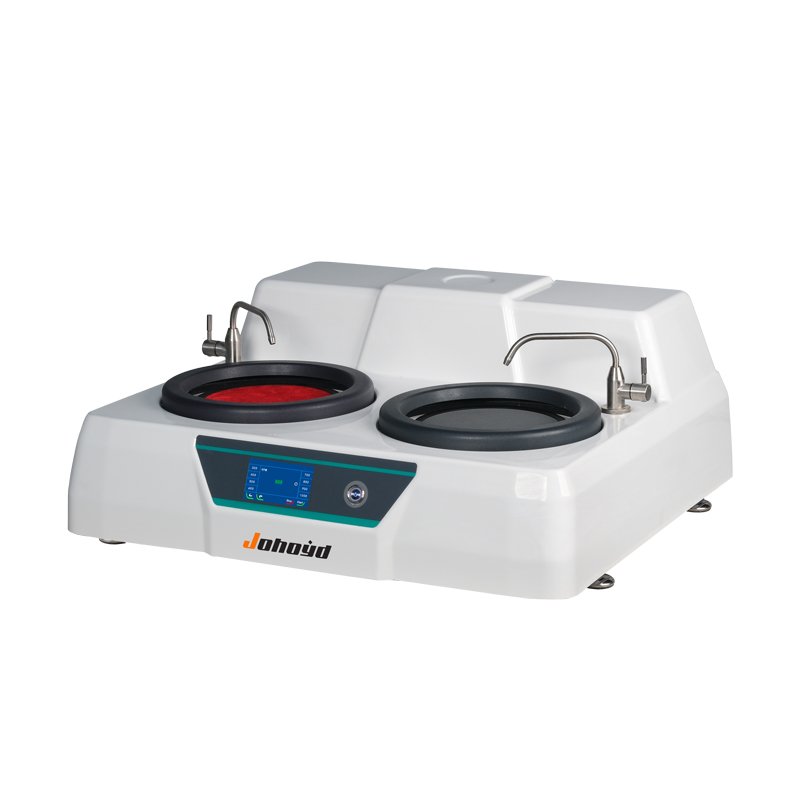
Smooth and flat surfaces are essential for accurate measurement. Polishing reduces measurement error.
Proper preparation improves repeatability.
Nauwkeurigheid en herhaalbaarheid
Accuracy depends on calibration and optical measurement quality. Repeatability improves with digital and automatic testers.
Consistent procedures enhance reliability.
Calibration of Vickers Hardness Tester
Regular calibration using certified test blocks ensures accuracy. Traceability supports quality systems and audits.
Calibration is essential for compliance.
Standards for Vickers Hardness Testing
Vickers hardness testing follows ASTM E92 and ISO 6507 standards. These standards define procedures, loads, and tolerances.
Naleving zorgt voor wereldwijde acceptatie.
Advantages of Vickers Hardness Tester
De belangrijkste voordelen zijn:
- High precision
- Wide hardness range
- Single indenter geometry
- Suitable for micro and macro testing
These benefits make the Vickers hardness tester highly versatile.
Limitations of Vickers Hardness Testing
Vickers testing requires optical measurement, which can be time-consuming. Surface preparation is more demanding than some methods.
Understanding limitations ensures correct application.
Toepassingen in Productie
Manufacturers use Vickers hardness testers to validate processes and materials. Testing supports consistent production quality.
It reduces risk.
Toepassingen in kwaliteitscontrole
Quality control laboratories rely on Vickers testing for acceptance and verification. Results support compliance decisions.
Accuracy is critical.
Toepassingen in R&D-laboratoria
R&D laboratories use Vickers hardness testers to study material behavior and develop new alloys.
Hardness trends guide innovation.
Applications in Metallography
Metallographic studies correlate hardness with microstructure. Vickers testing supports localized measurement.
This enhances understanding.
Data Recording and Reporting
Modern Vickers hardness testers provide digital reporting. Images and data are stored electronically.
Documentation supports audits.
Veelvoorkomende testfouten
Errors include poor surface preparation and incorrect load selection. Training reduces mistakes.
Standardization improves results.
Selecting the Right Vickers Hardness Tester
Selection depends on load range, automation level, and application needs. Expert guidance ensures optimal investment.
The right tester improves efficiency.
Maintenance of Vickers Hardness Tester
Routine maintenance preserves optical accuracy and mechanical stability. Proper care extends equipment life.
Maintenance supports reliable results.
Integration with Digital Systems
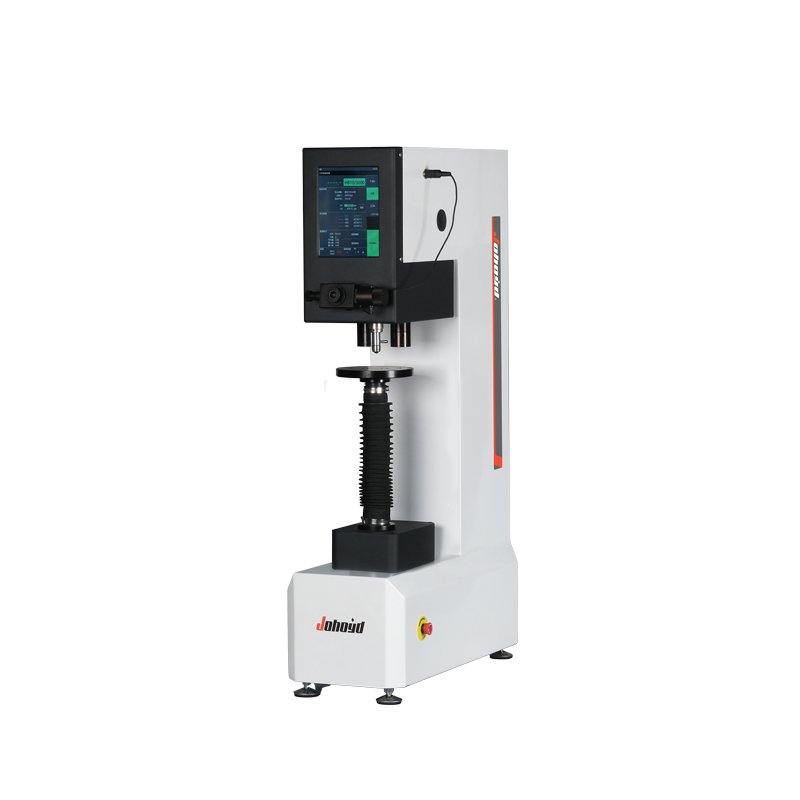
Vickers hardness testers increasingly integrate with digital quality systems. Data supports Industry 4.0 initiatives.
Connectivity enhances control.
Merkexpertise en -oplossingen
Betrouwbaar Vickers hardheidsmeter solutions require precision engineering and expert support. Johoyd, door https://hardnesstests.com, provides advanced Vickers hardness testers designed for laboratories, manufacturing, and research, delivering accuracy, durability, and full compliance with international standards.
Future Trends in Vickers Hardness Testing
Future developments include AI-assisted indentation analysis, higher automation, and improved data integration. These trends will further enhance testing efficiency.
Veelgestelde vragen
What does a Vickers hardness tester measure?
It measures hardness based on indentation diagonal length.
Is Vickers testing destructive?
Het is minimaal destructief.
Which materials suit Vickers testing?
Metals, ceramics, and coatings.
Do Vickers testers require calibration?
Ja, regelmatige kalibratie is vereist.
Is Vickers testing suitable for thin layers?
Yes, especially with micro loads.
Which standards apply to Vickers testing?
ASTM E92 and ISO 6507.
Conclusie
A Vickers hardheidsmeter is one of the most accurate and versatile tools for material hardness evaluation. Its ability to test a wide range of materials with consistent geometry makes it indispensable for quality control, research, and advanced material analysis.
Met vertrouwde leveranciers zoals Johoyd het leveren van professionele oplossingen door hardnesstests.com, industries can rely on Vickers hardness testers that ensure precision, reliability, and compliance. As technology continues to evolve, Vickers hardness testing will remain a vital part of modern material evaluation.
Aanbevolen interne koppelingen
- Microhardness Testing Machines
- Metallurgical Laboratory Equipment
Aanbevolen uitgaande links
- ASTM E92 Vickers Hardness Testing Standard
- ISO 6507 Vickers Hardness Measurement