




handheld hardness testerHandheld Hardness Tester: 13 Powerful Advantages, Working Principles, and Industrial Applicationshandheld hardness tester

Introduction to Handheld Hardness Tester
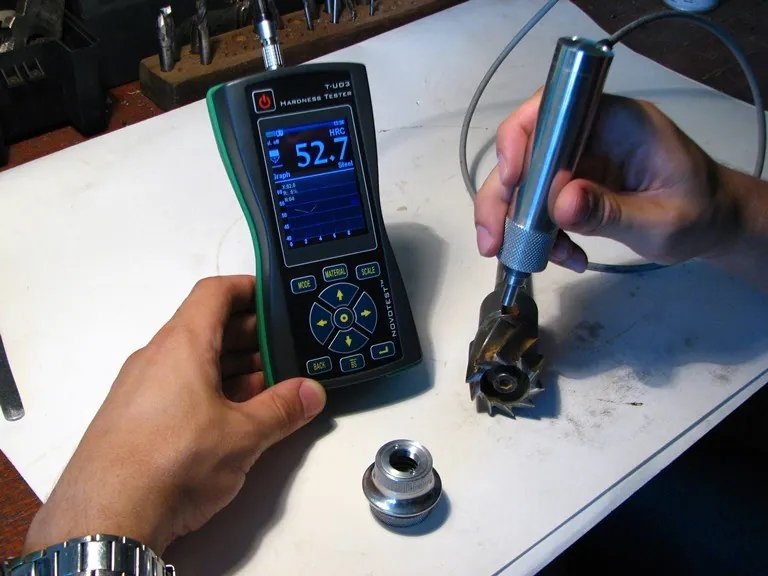
A handheld hardness tester is a compact and portable device used to measure the hardness of materials directly in the field. Unlike traditional laboratory hardness testing machines, handheld devices allow engineers and technicians to evaluate material hardness on-site without removing the component from service.
Hardness is a key property that determines a material’s strength, wear resistance, and durability. Industries such as manufacturing, aerospace, automotive, construction, and oil and gas rely heavily on hardness testing to ensure that materials meet design specifications and safety standards.
The handheld hardness tester has become an essential tool for non-destructive testing and quality control. Its portability allows technicians to test large components such as pipelines, heavy machinery, welded structures, and steel frameworks quickly and efficiently.
Evolution of Hardness Testing Technology
Hardness testing methods have evolved significantly over time. Early methods such as Brinell, Rockwell, and Vickers testing required large stationary machines and carefully prepared test samples.
While these traditional methods remain highly accurate, they are not suitable for testing large or installed components.
To address this limitation, engineers developed portable and handheld hardness testers that allow testing directly on equipment in the field. The introduction of Leeb rebound testing technology greatly improved the accuracy and reliability of portable hardness testing.
Modern handheld hardness testers now feature digital displays, microprocessor-based data analysis, and automatic hardness scale conversion, making them powerful tools for industrial inspection.
What Is a Handheld Hardness Tester
A handheld hardness tester is a portable device used to measure the hardness of metals and other materials without requiring laboratory equipment.
Definition and Key Characteristics
Handheld hardness testers are designed to be lightweight and easy to operate. They typically include a probe or impact device that contacts the surface of the test material.
Key characteristics include:
- Compact handheld design
- Digital measurement display
- Multiple hardness scale conversion
- Fast measurement results
- Rechargeable battery operation
These features allow users to perform hardness tests quickly and efficiently in various environments.
Importance in Modern Material Testing
Handheld hardness testers are widely used for:
- Material quality verification
- Equipment maintenance inspection
- Welding hardness evaluation
- Industrial quality control
Because the testing process is fast and minimally invasive, handheld hardness testers help industries maintain high safety and quality standards.
Working Principle of Handheld Hardness Tester
Handheld hardness testers use different measurement techniques depending on the device design.
Impact Rebound Method
The most common working principle is the impact rebound method, also known as Leeb hardness testing.
In this method, an impact body strikes the test surface with a specific force. The device measures the velocity of the impact body before and after impact.
The hardness value is calculated based on the ratio of rebound velocity to impact velocity.
Harder materials produce a stronger rebound, while softer materials absorb more energy.
Ultrasonic Contact Impedance Method
Some handheld hardness testers use the ultrasonic contact impedance (UCI) method.
In this technique, a vibrating probe applies a small force to the test material. The frequency shift of the vibration is measured and used to determine the hardness of the material.
This method is particularly useful for thin materials and small components.
Main Components of a Handheld Hardness Tester
Several key components allow handheld hardness testers to perform accurate measurements.
Impact Device or Probe
The probe or impact device contains the testing mechanism that contacts the material surface.
Display and Control Interface
The display shows measurement results and allows the user to control device settings.
Data Processing System
Modern testers include microprocessors that analyze measurement data and convert it into standardized hardness values.
Internal Sensors
Sensors measure velocity, vibration, or force during testing and transmit data to the processing unit.
Types of Handheld Hardness Tester
Different types of handheld hardness testers are available depending on the measurement technology used.
Leeb Hardness Tester
Leeb testers are the most widely used handheld hardness testers. They are ideal for testing large metal components.
Ultrasonic Hardness Tester
Ultrasonic testers provide high accuracy and are suitable for thin materials or small test areas.
Draagbare digitale hardheidsmeter
These devices include advanced digital interfaces, memory storage, and automatic data analysis.
Advantages of Handheld Hardness Tester
Handheld hardness testers provide several significant advantages.
Portability
Their compact design allows testing in remote locations and difficult environments.
Fast Testing
Results can be obtained within seconds.
Niet-destructief onderzoek
Only a very small indentation is produced on the test surface.
Multiple Hardness Scales
Many devices support several hardness scales such as:
- HRC
- HB
- HV
- HL
Kostenefficiëntie
Handheld testers reduce the need for expensive laboratory testing equipment.
Limitations of Handheld Hardness Tester
Despite their benefits, handheld hardness testers have certain limitations.
- Surface preparation may be required for accurate results
- Operator technique may affect measurement accuracy
- Some models are not suitable for extremely thin materials
- Environmental conditions can influence results
Proper training and calibration can help minimize these limitations.
Applications of Handheld Hardness Tester
Handheld hardness testers are widely used in many industries.
Manufacturing Industry
Used for quality control of metal parts during production.
Auto-industrie
Ensures engine and transmission components meet hardness requirements.
Ruimtevaartindustrie
Used to inspect aircraft components and structural materials.
Oil and Gas Industry
Helps test pipelines, drilling equipment, and pressure vessels.
Construction Industry
Used to inspect structural steel and building materials.
Handheld Hardness Tester vs Laboratory Hardness Tester
| Feature | Handheld Hardness Tester | Laboratorium hardheidsmeter |
|---|---|---|
| Portability | Portable | Stationary |
| Testing Location | On-site | Laboratory |
| Accuracy | High | Very high |
| Sample Requirement | No sample removal | Requires prepared sample |
| Cost | Lower | Higher |
Calibration and Maintenance
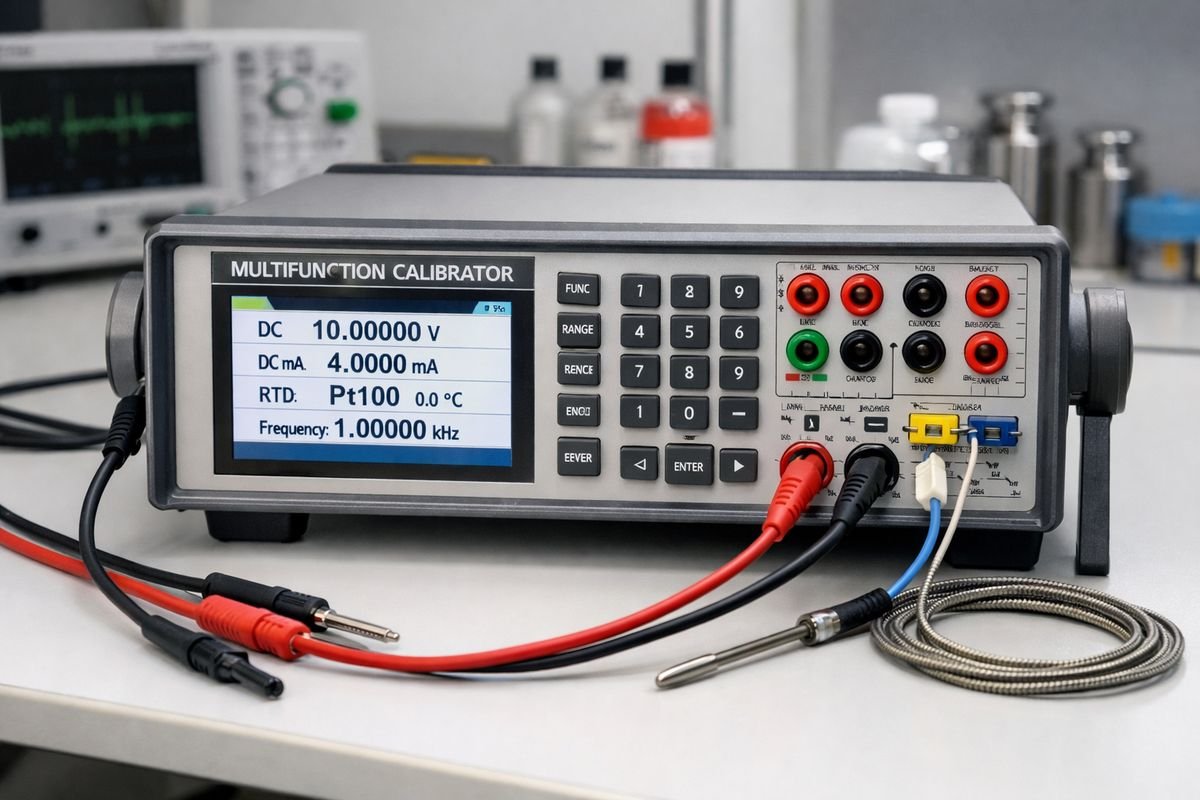
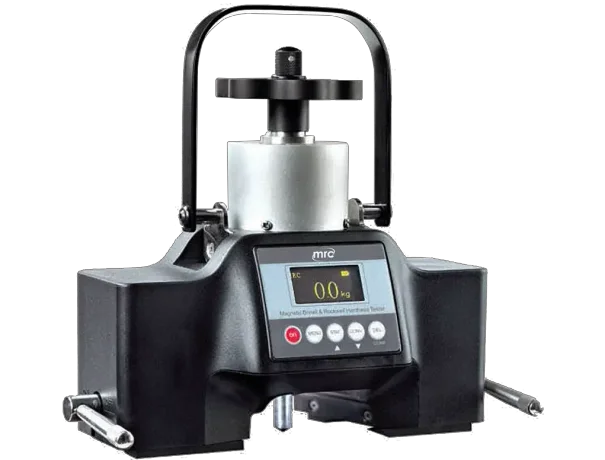
Regular calibration ensures accurate measurement results.
Maintenance practices include:
- Calibration using certified hardness blocks
- Cleaning probes and impact devices
- Checking battery and electronic components
- Software updates when required
Routine maintenance helps extend the lifespan of the device.
Future Trends in Handheld Hardness Tester Technology
The future of handheld hardness testers includes several technological advancements.
Emerging trends include:
- Wireless data transfer
- Integration with mobile devices
- AI-based material analysis
- Cloud-based quality monitoring systems
These innovations will further improve testing accuracy and industrial efficiency.
For more information on material testing standards, visit ASTM International:
https://www.astm.org
Veelgestelde vragen
1. What is a handheld hardness tester used for?
A handheld hardness tester is used to measure the hardness of metals and materials directly on-site.
2. What hardness scales can handheld testers measure?
Many handheld testers measure scales such as HRC, HB, HV, and HL.
3. Are handheld hardness testers accurate?
Yes, when properly calibrated and used correctly, they provide highly reliable results.
4. Can handheld hardness testers test welded areas?
Yes, they are commonly used to test hardness in welded joints and heat-affected zones.
5. What materials can be tested with handheld hardness testers?
Materials such as steel, cast iron, aluminum, copper, and alloys can be tested.
6. How often should a handheld hardness tester be calibrated?
Calibration should be performed regularly using certified test blocks to maintain accuracy.
Conclusie
De handheld hardness tester has become a vital tool in modern industrial quality control. Its portability, fast measurement capability, and ability to perform on-site inspections make it indispensable for engineers and technicians.
By allowing quick and reliable hardness measurements without removing components from service, handheld hardness testers improve efficiency, reduce downtime, and enhance product safety.
As technology advances, future handheld hardness testers will become even more intelligent, connected, and accurate, further strengthening their role in modern material testing and industrial inspection.