Automatische hardheidsmeter: Geavanceerde oplossing voor efficiënte materiaaltesten

Introduction to Automatic Hardness Testing
In today’s competitive manufacturing environment, quality control must be accurate, consistent, and efficient. An automatische hardheidsmeter helps achieve these goals by reducing manual intervention and improving measurement reliability. These advanced systems are designed to automatically perform hardness tests, analyze results, and generate reports with minimal operator involvement.
Hardness testing remains one of the most widely used methods for evaluating material properties. By automating the process, manufacturers can increase testing throughput, reduce human error, and improve production efficiency. From automotive components to aerospace materials, automated testing equipment has become an essential part of modern inspection programs.
As smart manufacturing and Industry 4.0 technologies continue to evolve, automated hardness testing solutions are playing an increasingly important role in quality assurance.
Why Automation Is Changing Hardness Measurement
Improved Accuracy and Repeatability
Manual testing procedures can be influenced by operator experience, measurement techniques, and environmental factors. Automated systems help eliminate many of these variables.
Voordelen zijn onder andere:
- Consistent load application
- Precise indentation measurement
- Minder operatorfouten
- Verbeterde herhaalbaarheid
- Greater confidence in results
These advantages are especially important in industries where strict quality standards must be maintained.
Increased Productivity in Manufacturing
Automation significantly reduces testing time by streamlining the entire inspection process. Faster testing enables manufacturers to monitor production more effectively and respond quickly to potential issues.
What Is an Automatic Hardness Tester?
Definition and Working Principle
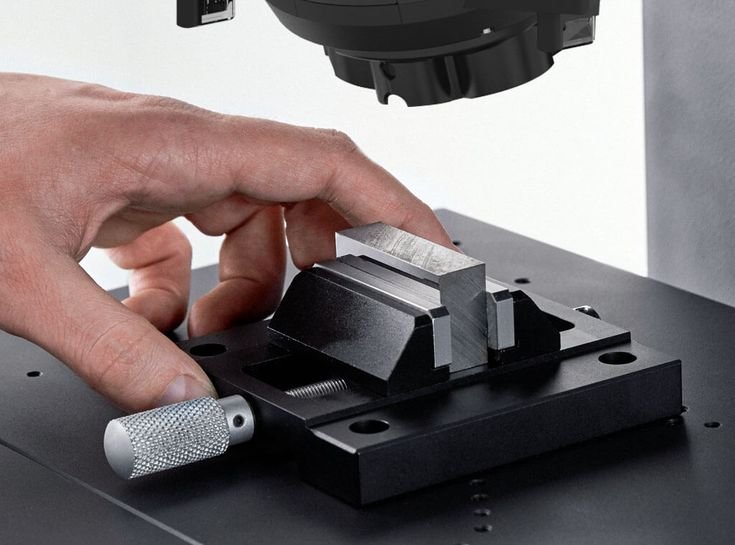
Een automatische hardheidsmeter is a testing instrument that automatically applies loads, measures indentations, calculates hardness values, and records results. These systems are designed to minimize manual operations while maximizing testing efficiency and accuracy.
Most automated systems follow a simple sequence:
- Position the sample
- Apply the test load automatically
- Create an indentation
- Measure the indentation electronically
- Display and store the results
This process ensures highly repeatable measurements across multiple samples.
Automated Testing Process
Modern systems often include:
- Motorized sample stages
- Automatic focusing
- Digital imaging
- Software-controlled testing cycles
- Automated report generation
These features simplify operation and improve productivity.
Gebruikelijke hardheidsschalen
Most systems support multiple hardness scales, including:
- HRC (Rockwell C)
- HRB (Rockwell B)
- HBW (Brinell)
- HV (Vickers)
- HK (Knoop)
Many models can automatically convert between scales, improving versatility.
Types of Automatic Hardness Tester Systems
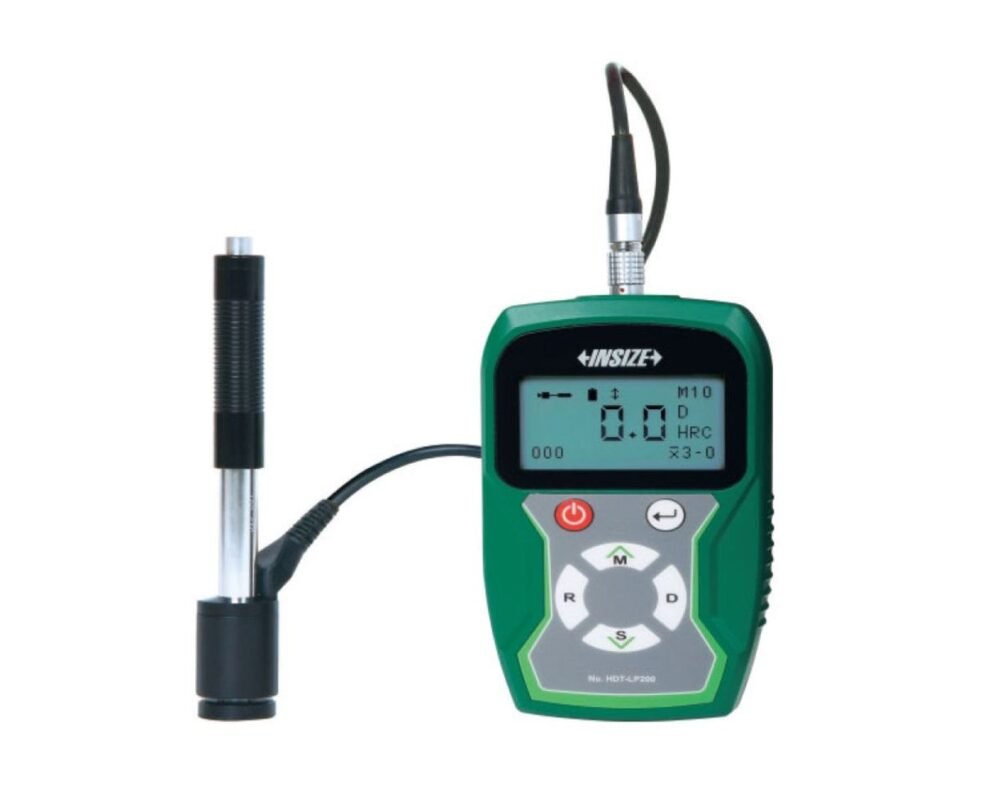
Automatic Rockwell Testers
Rockwell systems measure indentation depth and are widely used in production environments.
De voordelen zijn onder andere:
- Snelle testsnelheid
- Directe metingen
- High efficiency
- Eenvoudige bediening
These systems are ideal for high-volume manufacturing applications.
Automatic Brinell Testers
Brinell systems use automated imaging technology to measure large indentations accurately.
Typische toepassingen zijn onder andere:
- Constructiestaal
- Gietijzer
- Gesmede onderdelen
- Heavy machinery parts
Automatic Vickers Testers
Vickers testing provides high precision and is suitable for a broad range of materials.
Voordelen zijn onder andere:
- Excellent accuracy
- Breed belastingsbereik
- Dun materiaal testen
- Metallografische analyse
Automatische microhardheidsmeters
Microhardness systems are commonly used for:
- Coatings
- Thin films
- Elektronische onderdelen
- Microstructurele analyse
Automated optical measurement greatly improves efficiency in these applications.
Key Features of Modern Automatic Systems
Motorized Load Application
Advanced systems apply test forces electronically, ensuring consistent loading conditions for every test.
Automatic Indentation Measurement
Digital imaging software automatically detects and measures indentations, reducing operator involvement and improving accuracy.
Integrated Software and Reporting
Moderne apparatuur bevat vaak:
- Statistical analysis tools
- Batch testing functions
- Rapport genereren
- Data export capabilities
- Traceability features
These capabilities simplify quality management processes.
Connectivity and Data Management
Many systems support:
- USB connections
- Ethernet networking
- Laboratory information systems
- Cloud-based storage
- Remote monitoring
These features improve workflow integration and data accessibility.
Materials Suitable for Automated Hardness Testing
Staal en roestvrij staal
Automated testing is widely used to verify hardness and heat treatment quality in steel products.
Aluminium en non-ferro legeringen
Lightweight materials used in transportation and electronics often require hardness verification.
Gietijzeren onderdelen
Large castings benefit from automated testing because of the high repeatability achieved.
Heat-Treated and Coated Materials
Automated systems help evaluate surface treatments, coatings, and thermal processing results with greater precision.
Industriële toepassingen
Autoproductie
Toepassingen zijn onder andere testen:
- Versnellingen
- Lagers
- Motoronderdelen
- Transmissie onderdelen
- Ophangsystemen
Ruimtevaarttechniek
Aircraft materials require strict quality control. Automated testing helps ensure consistency and compliance.
Metal Processing Industries
Manufacturers use automated systems to monitor production quality and verify material properties.
Research and Laboratory Testing
Laboratories benefit from automated measurement, data analysis, and documentation capabilities.
Advantages of Using an Automatic Hardness Tester
Modern automated systems provide numerous benefits:
- Higher testing efficiency
- Improved accuracy
- Better repeatability
- Reduced labor requirements
- Faster reporting
- Enhanced traceability
- Increased production throughput
These advantages make automation an attractive investment for organizations focused on quality and productivity.
Factors to Consider Before Purchasing
Selecting the right testing system requires careful evaluation.
Testmethode
Choose a testing method that matches your materials and applications.
Production Volume
High-volume environments often benefit most from automation.
Meetnauwkeurigheid
Precision requirements vary depending on industry and application.
Software Features
Evaluate:
- Data management capabilities
- Reporting functions
- Integration options
- User interface design
Budget and Long-Term Value
Consider:
- Initial purchase costs
- Maintenance expenses
- Calibration requirements
- Software updates
A comprehensive evaluation helps ensure the best return on investment.
Maintenance and Calibration Guidelines
To maintain performance and accuracy:
- Verify results using certified hardness blocks
- Follow scheduled calibration procedures
- Clean optical components regularly
- Update software when necessary
- Maintain detailed service records
Proper maintenance extends equipment life and supports reliable testing.
Industriestandaarden en naleving
Automated hardness testing equipment typically complies with international standards such as:
- ASTM E18
- ASTM E10
- ASTM E384
- ISO 6506
- ISO 6507
- ISO 6508
For official standards information, visit:
Compliance ensures testing consistency and global acceptance of results.
Veelgestelde vragen
1. What is an automatic hardness tester used for?
It automatically measures material hardness while reducing manual effort and improving testing consistency.
2. What are the benefits of automation in hardness testing?
Automation improves accuracy, repeatability, productivity, and data management.
3. Which industries use automated hardness testing systems?
Automotive, aerospace, manufacturing, metallurgy, energy, and research laboratories.
4. Can automatic systems generate reports?
Yes. Most modern systems automatically generate detailed testing reports and statistical analyses.
5. Are automatic testers suitable for high-volume production?
Absolutely. They are specifically designed to improve efficiency in production environments.
6. Waarom is kalibratie belangrijk?
Kalibratie garandeert nauwkeurige metingen en naleving van de industrienormen.
Conclusie
Een automatische hardheidsmeter offers a powerful combination of precision, efficiency, and automation for modern material testing applications. By minimizing manual intervention and integrating advanced software capabilities, these systems help manufacturers improve quality control, increase productivity, and maintain compliance with international standards.
Whether used in production facilities, laboratories, or research environments, automated hardness testing technology provides reliable results and valuable operational advantages. Investing in the right automated solution can significantly enhance testing efficiency and support long-term quality assurance goals.