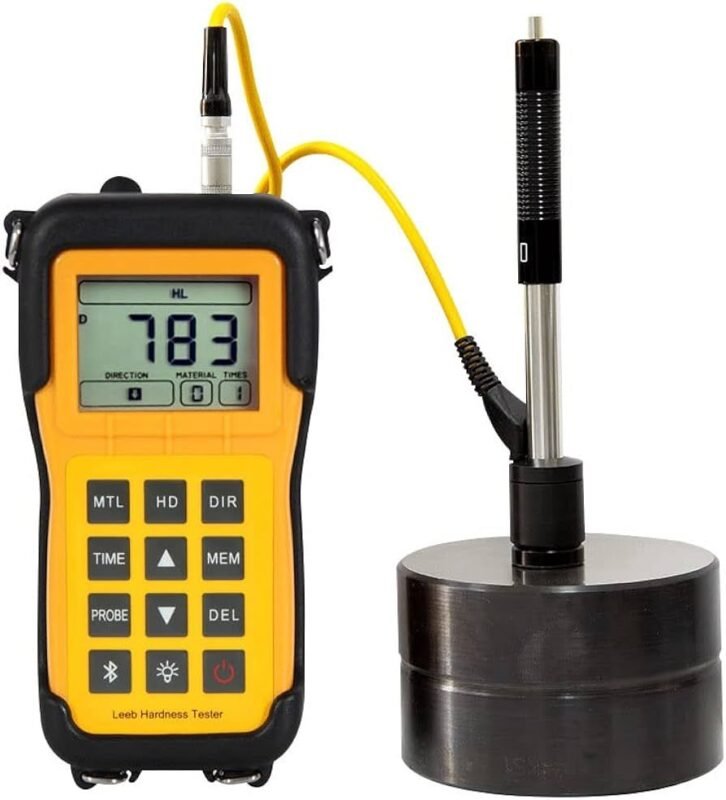
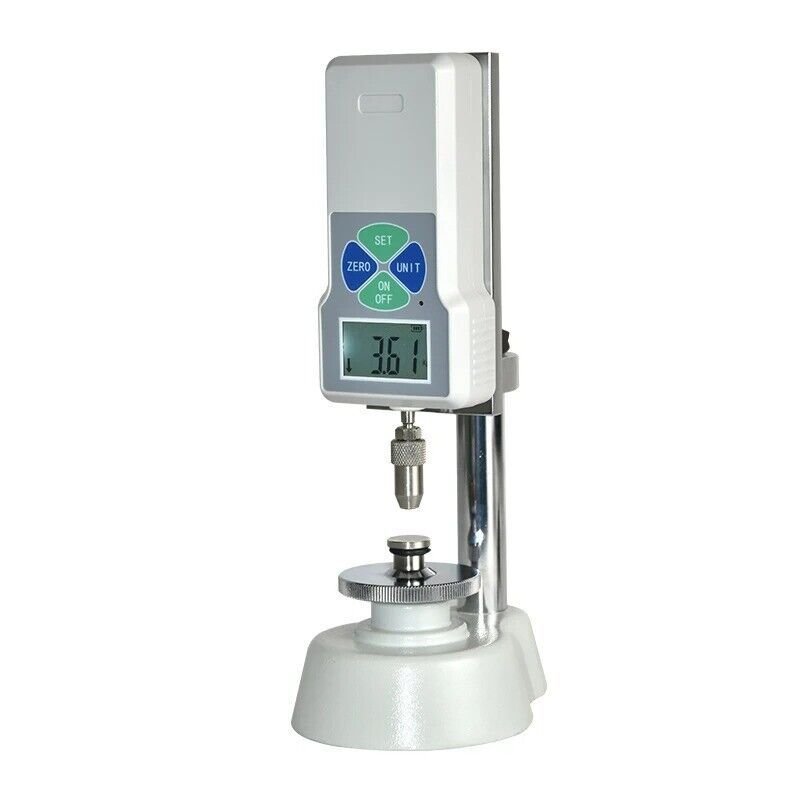
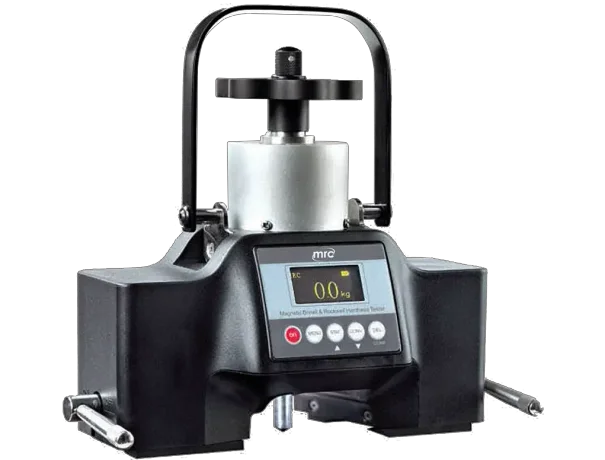
Industriële hardheidsmeter: Complete gids voor industriële materiaalinspectie

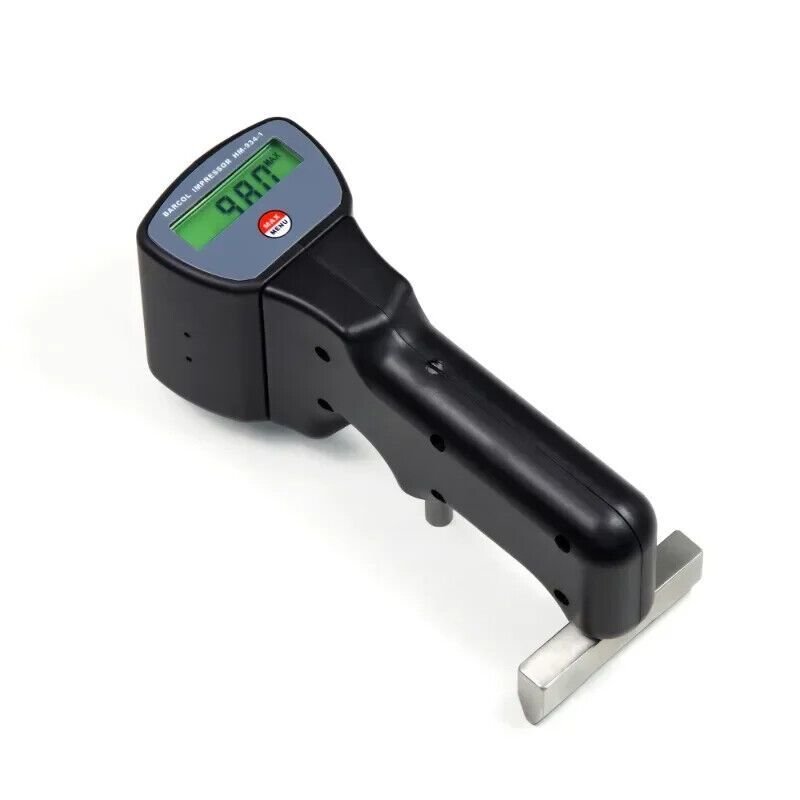
Inleiding tot industriële hardheidsmeter
Een industriële hardheidsmeter is een cruciaal instrument dat gebruikt wordt in de productie, metallurgie, lucht- en ruimtevaart, autotechniek en zware industrie. Deze systemen helpen fabrikanten bij het meten van de hardheid van metalen en industriële materialen om productkwaliteit en materiaalbetrouwbaarheid te garanderen.
Moderne industrieën vertrouwen op een industriële hardheidsmeter om warmtebehandelingsresultaten te verifiëren, de productiekwaliteit te bewaken en naleving van industriële normen te handhaven.
Waarom industriële hardheidsmeting belangrijk is

Verificatie van materiaalkwaliteit
Hardheidsmetingen helpen bij het bepalen van de sterkte, duurzaamheid en slijtvastheid van materialen.
Productieprocesbesturing
Fabrikanten gebruiken hardheidsmetingen om een consistente productiekwaliteit te behouden.
Uitgaande referentie:
https://en.wikipedia.org/wiki/Hardness_testing
Extra referentie:
https://www.iso.org/
Hoe een industriële hardheidsmeter werkt
Principe van inkeping en belastingstoepassing
De tester oefent een gecontroleerde belasting uit om een indrukking te maken op het materiaaloppervlak.
Hardheidsmeting en schaalconversie
Hardheidswaarden worden gemeten en omgezet in schalen zoals HRC, HBW of HV.
Digitale analyse en rapportage
Moderne systemen bieden geautomatiseerde berekeningen, digitale rapportage en gegevensopslag.
Interne link:
https://hardnesstests.com/digital-hardness-tester
Gebruikelijke soorten industriële hardheidsmeters
Rockwell hardheidsmeters
Gebruikt voor snelle hardheidsmeting in productieomgevingen.
Brinell hardheidsmeters
Geschikt voor grote onderdelen en gegoten materialen.
Vickers hardheidsmeters
Ontworpen voor precisie- en microhardheidstoepassingen.
Draagbare industriële hardheidsmeters
Ideaal voor veldinspectie en onderhoud van grote machines.
Interne link:
https://hardnesstests.com/portable-hardness-tester
Algemeen geteste materialen
Koolstofstaal
Vaak getest in de bouw en productie-industrie.
Roestvrij staal
Betrouwbare hardheidscontrole vereist voor industriële toepassingen.
Gietijzer
Gebruikt bij de inspectie van zware machines en industrieel gietwerk.
Aluminiumlegeringen
Het testen van de hardheid ondersteunt de kwaliteitscontrole van lichtgewicht onderdelen.
Interne link:
https://hardnesstests.com/hardness-testing-for-cast-iron
Belangrijkste kenmerken van moderne industriële hardheidsmeters
Laadsystemen met hoge precisie
Geavanceerde belastingscontrole verbetert de consistentie van testen.
Digitaal gegevensbeheer
Moderne machines ondersteunen geautomatiseerde rapportage en opslag.
Multi-schaal hardheidsconversie
Machines zetten de resultaten automatisch om in meerdere hardheidsschalen.
Geautomatiseerde testfuncties
Automatisering verbetert de efficiëntie en vermindert operatorfouten.
Interne link:
https://hardnesstests.com/automatic-hardness-tester
Industriële toepassingen van industriële hardheidsmeter
Autoproductie
Gebruikt voor het testen van tandwielen, assen en motoronderdelen.
Ruimtevaarttechniek
Ondersteunt nauwkeurige kwaliteitscontrole voor ruimtevaartmaterialen.
Olie- en gasindustrie
Hardheidstesten controleren pijpleidingen, lasnaden en drukvaten.
Metaalverwerkende fabrieken
Testen zorgt voor consistentie in metaalfabricage en warmtebehandeling.
Interne link:
https://hardnesstests.com/hardness-testing-for-pipelines
Voordelen van industriële hardheidsmeting
- Nauwkeurige materiaalverificatie
- Verbeterde controle op productkwaliteit
- Hoog testrendement
- Geschikt voor meerdere hardheidsschalen
- Ondersteunt industriële nalevingseisen
Uitdagingen en beperkingen
- Oppervlaktevoorbereiding beïnvloedt nauwkeurigheid
- Kalibratie is essentieel voor betrouwbare resultaten
- Verschillende materialen vereisen geschikte testmethoden

Industriestandaarden en naleving
Industriële hardheidsmeting volgt gewoonlijk:
- ASTM-standaarden → https://www.astm.org/
- ISO-normen → https://www.iso.org/
Beste praktijken voor nauwkeurige industriële tests
- Gekalibreerde testapparatuur gebruiken
- Gladde en stabiele testoppervlakken voorbereiden
- Kies zorgvuldig een geschikte hardheidsschaal
- Volg goedgekeurde industriële testprocedures
Aanbevolen producten en interne links
Verken verwante oplossingen:
- https://hardnesstests.com/rockwell-hardness-tester
- https://hardnesstests.com/brinell-hardness-tester
- https://hardnesstests.com/vickers-hardness-tester
- https://hardnesstests.com/hardness-testing-machine-manufacturer
FAQs over industriële hardheidsmeter
1. Waar wordt een industriële hardheidsmeter voor gebruikt?
Het meet de hardheid van materialen voor industriële inspectie en kwaliteitscontrole.
2. Welke industrieën gebruiken industriële hardheidsmeting?
Auto-, luchtvaart-, olie- en gas- en productie-industrie.
3. Welke materialen kunnen worden getest?
Staal, roestvrij staal, aluminium, gietijzer en warmtebehandelde materialen.
4. Zijn digitale industriële hardheidsmeters nauwkeurig?
Ja, moderne digitale systemen leveren zeer betrouwbare resultaten.
5. Waarom is het testen van de hardheid belangrijk in de productie?
Het garandeert de kwaliteit van het materiaal en de consistentie van de productie.
6. Waarom is kalibratie nodig?
Kalibratie garandeert nauwkeurige en herhaalbare hardheidsmetingen.
Conclusie
Een industriële hardheidsmeter is een essentieel hulpmiddel voor productie-inspectie, materiaalverificatie en industriële kwaliteitscontrole. Door gebruik te maken van geavanceerde testsystemen en gestandaardiseerde procedures kunnen industrieën nauwkeurige en betrouwbare hardheidsmetingen uitvoeren voor een groot aantal toepassingen.