Micro Hardness Test Equipment: 13 Powerful Insights to Maximize Precision and Material Performance

Introduction to Micro Hardness Test Equipment
What is Micro Hardness Test Equipment?
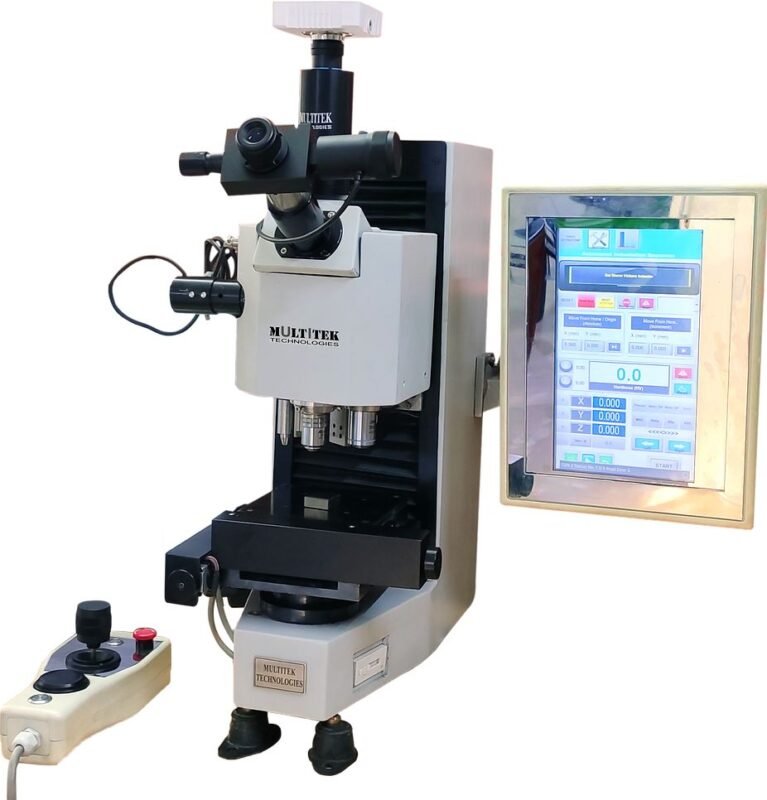
Micro hardness test equipment refers to specialized instruments designed to measure the hardness of materials at a microscopic level. These systems apply very small loads—often measured in grams—to create tiny indentations on a material’s surface. By analyzing these indentations, engineers can determine how resistant a material is to deformation.
Unlike conventional hardness testers, micro hardness test equipment is ideal for examining thin coatings, delicate components, and microstructures. This makes it a critical tool in industries where precision and accuracy are essential.
Importance in Modern Engineering
In today’s advanced engineering landscape, materials are becoming more complex and compact. As a result, traditional testing methods are no longer sufficient. Micro hardness test equipment plays a vital role in:
- Quality control of high-performance materials
- Failure analysis in engineering components
- Research and development of new materials
This technology ensures that products meet strict performance standards, especially in industries like aerospace, electronics, and medical devices.
Working Principle of Micro Hardness Test Equipment
Indentation Testing Method
The core principle of micro hardness test equipment is based on indentation. A diamond indenter is pressed into the surface of a material under a controlled load. The size and shape of the indentation provide valuable information about the material’s hardness.
Smaller indentations indicate harder materials, while larger ones suggest softer materials. This simple yet effective method allows for highly precise measurements.
Belasting toepassen en meten
Micro hardness test equipment uses carefully calibrated loads, typically ranging from a few grams to a few kilograms. After applying the load for a specific duration, the indentation is measured using a microscope.
The hardness value is then calculated using standardized formulas, ensuring consistency and accuracy.
Optical Measurement Techniques
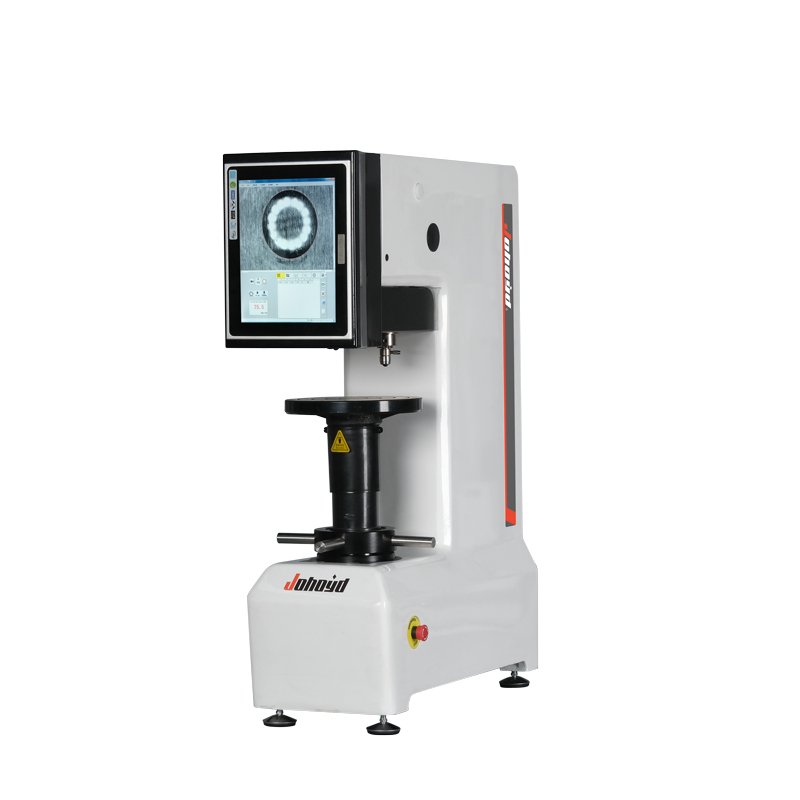
Modern micro hardness test equipment incorporates advanced optical systems, including digital cameras and image analysis software. These technologies enhance measurement accuracy and reduce human error.
Types of Micro Hardness Test Equipment
Vickers Hardness Test Equipment
Vickers micro hardness test equipment uses a square-based diamond pyramid indenter. It is widely used due to its versatility and ability to test a broad range of materials.
Knoop Hardness Test Equipment
Knoop micro hardness test equipment features an elongated diamond indenter, making it suitable for testing brittle materials and thin layers.
Differences Between Vickers and Knoop Methods
| Functie | Vickers | Knoop |
|---|---|---|
| Indenter Shape | Square Pyramid | Elongated Diamond |
| Application | General Materials | Thin/Brittle Materials |
| Meetnauwkeurigheid | Hoog | Extremely High for Thin Layers |

Key Components of Micro Hardness Test Equipment
Indringer
The indenter is typically made of diamond, ensuring durability and precision. It is responsible for creating the indentation on the material.
Microscope and Imaging System
A high-resolution microscope is used to observe and measure the indentation. Modern systems include digital imaging for enhanced accuracy.
Load Application Mechanism
This component ensures that the correct force is applied consistently during testing.
Software and Digital Interface
Advanced software allows for automated measurement, data recording, and analysis, making the testing process more efficient.
Advantages of Micro Hardness Test Equipment
High Accuracy and Precision
Micro hardness test equipment provides highly accurate results, making it ideal for scientific research and quality control.
Suitable for Small Samples
It is perfect for testing small or delicate components that cannot be evaluated using traditional methods.
Minimal Material Damage
Because of the low loads used, the testing process causes minimal damage to the sample.
Applications of Micro Hardness Test Equipment
Metallurgical Analysis
Micro hardness test equipment is widely used in metallurgy to study grain structures and phase distributions.
Thin Film and Coating Testing
It is essential for evaluating the hardness of coatings and thin films used in various industries.
Electronics and Semiconductor Industry
In the electronics sector, micro hardness test equipment helps ensure the reliability of micro-components.
Onderzoek Laboratoria
Researchers rely on this equipment for developing new materials and improving existing ones.
Standards and Calibration
International Testing Standards
Micro hardness test equipment must comply with international standards such as ASTM and ISO to ensure accuracy and reliability.
You can learn more about these standards here: https://www.astm.org
Calibration Procedures
Regular calibration is essential to maintain the accuracy of the equipment.
De meetnauwkeurigheid waarborgen
Using certified reference materials helps verify the accuracy of test results.
Sample Preparation for Micro Hardness Testing
Surface Preparation Techniques
A smooth and clean surface is crucial for accurate measurements.
Mounting and Polishing
Proper mounting and polishing ensure that the sample remains stable during testing.
Avoiding Common Errors
Common mistakes include improper alignment, contamination, and uneven surfaces.
Vergelijking met andere hardheidsmeetmethoden
Micro vs Macro Hardness Testing
Micro hardness test equipment is used for small-scale analysis, while macro testing is suitable for bulk materials.
Comparison with Rockwell and Brinell Tests
Rockwell and Brinell tests use larger loads and are less precise for small components.
Choosing the Right Method
The choice depends on the material, size, and required accuracy.
Factors to Consider When Selecting Micro Hardness Test Equipment
Load Range and Precision
Choose equipment that offers the appropriate load range for your application.
Magnification and Imaging Capabilities
Higher magnification improves measurement accuracy.
Automation and Software Features
Automated systems enhance efficiency and reduce human error.
Onderhoud en probleemoplossing

Routine Maintenance Practices
Regular cleaning and calibration are essential for optimal performance.
Common Issues and Solutions
Problems such as inconsistent readings can often be resolved through recalibration.
Extending Equipment Lifespan
Proper handling and maintenance can significantly extend the life of the equipment.
Future Trends in Micro Hardness Test Equipment
AI and Automation Integration
Artificial intelligence is transforming micro hardness test equipment by enabling automated analysis and improved accuracy.
Advanced Imaging Technologies
New imaging techniques are enhancing the precision of measurements.
Smart Laboratory Systems
Integration with smart lab systems allows for seamless data sharing and analysis.
Veelgestelde vragen (FAQ's)
1. What is micro hardness test equipment used for?
It is used to measure the hardness of small or thin materials with high precision.
2. How does micro hardness test equipment work?
It uses a diamond indenter to create a small indentation and measures its size.
3. What are the main types of micro hardness test equipment?
The main types are Vickers and Knoop systems.
4. Why is calibration important?
Calibration ensures accurate and reliable test results.
5. Which industries use micro hardness test equipment?
Industries include metallurgy, electronics, and research.
6. How often should maintenance be performed?
Maintenance should be done regularly based on usage and manufacturer recommendations.
Conclusie
Micro hardness test equipment is an indispensable tool in modern engineering and material science. Its ability to provide precise and reliable measurements makes it essential for quality control, research, and product development.
As technology continues to evolve, micro hardness test equipment will become even more advanced, offering greater accuracy, automation, and integration with smart systems. Investing in high-quality equipment and maintaining it properly ensures long-term performance and reliable results.