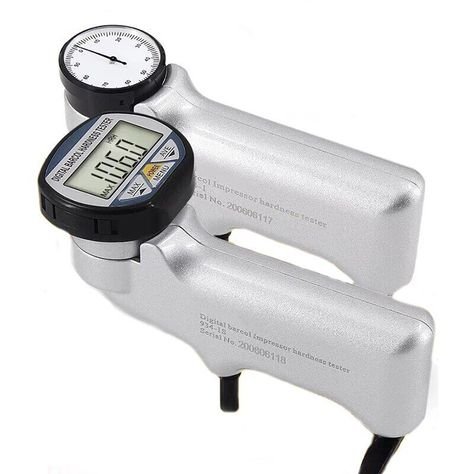
Turret Vickers Hardness Tester: Benefits for Multi-Scale Precision Testing


Overzicht van het artikel
| Koptekstniveau | Onderwerp |
|---|---|
| H1 | Turret Vickers Hardness Tester |
| H2 | Introduction to Turret Vickers Hardness Tester |
| H3 | What Is a Turret Vickers Hardness Tester |
| H3 | Importance in Advanced Material Testing |
| H2 | Working Principle of Turret Vickers Hardness Tester |
| H3 | Inpersproces |
| H3 | Turret-Based Objective Switching |
| H2 | Key Components of Turret Vickers Hardness Tester |
| H3 | Diamond Pyramid Indenter |
| H3 | Motorized Turret System |
| H3 | Optical and Digital Imaging System |
| H2 | Types of Turret Vickers Hardness Testers |
| H3 | Manual Turret Systems |
| H3 | Semi-Automatic Turret Testers |
| H3 | Fully Automatic Turret Testers |
| H2 | Materials Suitable for Turret Vickers Testing |
| H3 | Metalen en legeringen |
| H3 | Thin Films and Microstructures |
| H2 | Advantages of Turret Vickers Hardness Tester |
| H3 | Multi-Objective Efficiency |
| H3 | High Precision and Repeatability |
| H3 | Time-Saving Operation |
| H2 | Applications of Turret Vickers Hardness Tester |
| H3 | Metallurgische laboratoria |
| H3 | Industriële kwaliteitscontrole |
| H3 | Onderzoek en ontwikkeling |
| H2 | Comparison with Standard Vickers Testers |
| H3 | Turret vs Single-Objective Systems |
| H3 | Turret Vickers vs Other Hardness Methods |
| H2 | How to Choose a Turret Vickers Hardness Tester |
| H3 | Turret Capacity |
| H3 | Automation Level |
| H3 | Imaging and Software Features |
| H2 | Onderhoud en kalibratie |
| H2 | Future Trends in Turret Hardness Testing |
| H2 | Veelgestelde vragen |
| H2 | Conclusie |
Turret Vickers Hardness Tester: Complete Guide to Multi-Objective Hardness Testing Systems
A turret vickers hardness tester is an advanced hardness testing instrument designed to improve efficiency and precision by incorporating a rotating turret system. This allows multiple objectives and indenters to be used seamlessly, making it ideal for both micro and macro hardness testing applications.
The system operates based on the Vickers Hardness Test, ensuring highly accurate and consistent hardness measurements.
Introduction to Turret Vickers Hardness Tester
Turret systems represent a significant advancement in hardness testing.
What Is a Turret Vickers Hardness Tester
A turret vickers hardness tester is a machine equipped with a rotating turret that holds multiple lenses and indenters, enabling automatic switching between different magnifications and testing modes.
De belangrijkste kenmerken zijn onder meer:
- Multi-objective turret system
- Automated or manual switching
- High-resolution imaging
- Versatile testing capabilities
Importance in Advanced Material Testing
These testers are essential for:
- Multi-scale hardness analysis
- High-throughput testing
- Reducing manual intervention
- Improving laboratory efficiency
Working Principle of Turret Vickers Hardness Tester ⚙️
Inpersproces
A diamond pyramid indenter presses into the material surface under a controlled load to create an indentation.
Turret-Based Objective Switching
The motorized turret rotates to switch between:
- Indenter position
- Measurement objectives
- Different magnification levels
This allows seamless transition between testing and measurement stages.
Key Components of Turret Vickers Hardness Tester
Diamond Pyramid Indenter
Creates precise indentations for hardness measurement.
Motorized Turret System
Holds multiple objectives and enables automatic switching.
Optical and Digital Imaging System
Captures and analyzes indentation data with high accuracy.
Types of Turret Vickers Hardness Testers
Manual Turret Systems
Require manual rotation of the turret.
Semi-Automatic Turret Testers
Combine manual positioning with automated measurement.
Fully Automatic Turret Testers
Offer complete automation for testing and analysis.
Materials Suitable for Turret Vickers Testing 🏗️
Metalen en legeringen
Steel, aluminum, copper, and advanced alloys.
Thin Films and Microstructures
Ideal for coatings and micro-scale analysis.
Advantages of Turret Vickers Hardness Tester 🌟
Multi-Objective Efficiency
Allows testing at different magnifications without repositioning.
High Precision and Repeatability
Ensures consistent and accurate results.
Time-Saving Operation
Reduces testing time through automation.
Applications of Turret Vickers Hardness Tester 🏭
Metallurgische laboratoria
Used for detailed hardness analysis.
Industriële kwaliteitscontrole
Ensures consistent product quality.
Onderzoek en ontwikkeling
Supports advanced material research.
Comparison with Standard Vickers Testers
Turret vs Single-Objective Systems
Turret systems provide greater flexibility and efficiency.
Turret Vickers vs Other Hardness Methods
Compared to the Brinell Hardness Test and Rockwell Hardness Test, Vickers offers higher precision, especially for small samples.
How to Choose a Turret Vickers Hardness Tester 🔍
Turret Capacity
Select based on the number of objectives and indenters required.
Automation Level
Choose between manual, semi-automatic, and fully automatic systems.
Imaging and Software Features
Look for advanced digital imaging and analysis capabilities.

Onderhoud en kalibratie 🛠️
Regelmatig onderhoud
- Clean optical components
- Inspect turret alignment
- Maintain indenter condition
Kalibratie
Use certified reference blocks to ensure accuracy.
Future Trends in Turret Hardness Testing 🚀
AI-Based Image Processing
Improves measurement accuracy and speed.
Fully Integrated Systems
Combine hardness testing with other material analysis tools.
Remote Monitoring and Control
Enable operation and data access from remote locations.
Smart Laboratory Integration
Support Industry 4.0 and digital workflows.
Veelgestelde vragen
What is a turret Vickers hardness tester?
It is a hardness tester with a rotating turret for multiple objectives and indenters.
What are its main advantages?
Efficiency, precision, and multi-scale testing capability.
Welke materialen kunnen worden getest?
Metals, alloys, coatings, and microstructures.
Is it suitable for industrial use?
Yes, it is widely used in laboratories and manufacturing.
Does it require calibration?
Yes, regular calibration ensures accurate results.
How does it differ from standard testers?
It allows automatic switching between objectives and testing modes.
Conclusie
A turret vickers hardness tester is a highly advanced tool for modern material testing, offering flexibility, efficiency, and precision. Built on the principles of the Vickers Hardness Test, it enables multi-scale hardness analysis with minimal effort.
As technology continues to evolve, turret Vickers hardness testers will become even more intelligent and integrated, playing a key role in improving quality control and research in various industries. 🔍