




Industriële hardheidsmeter: Essentiële apparatuur voor moderne productie

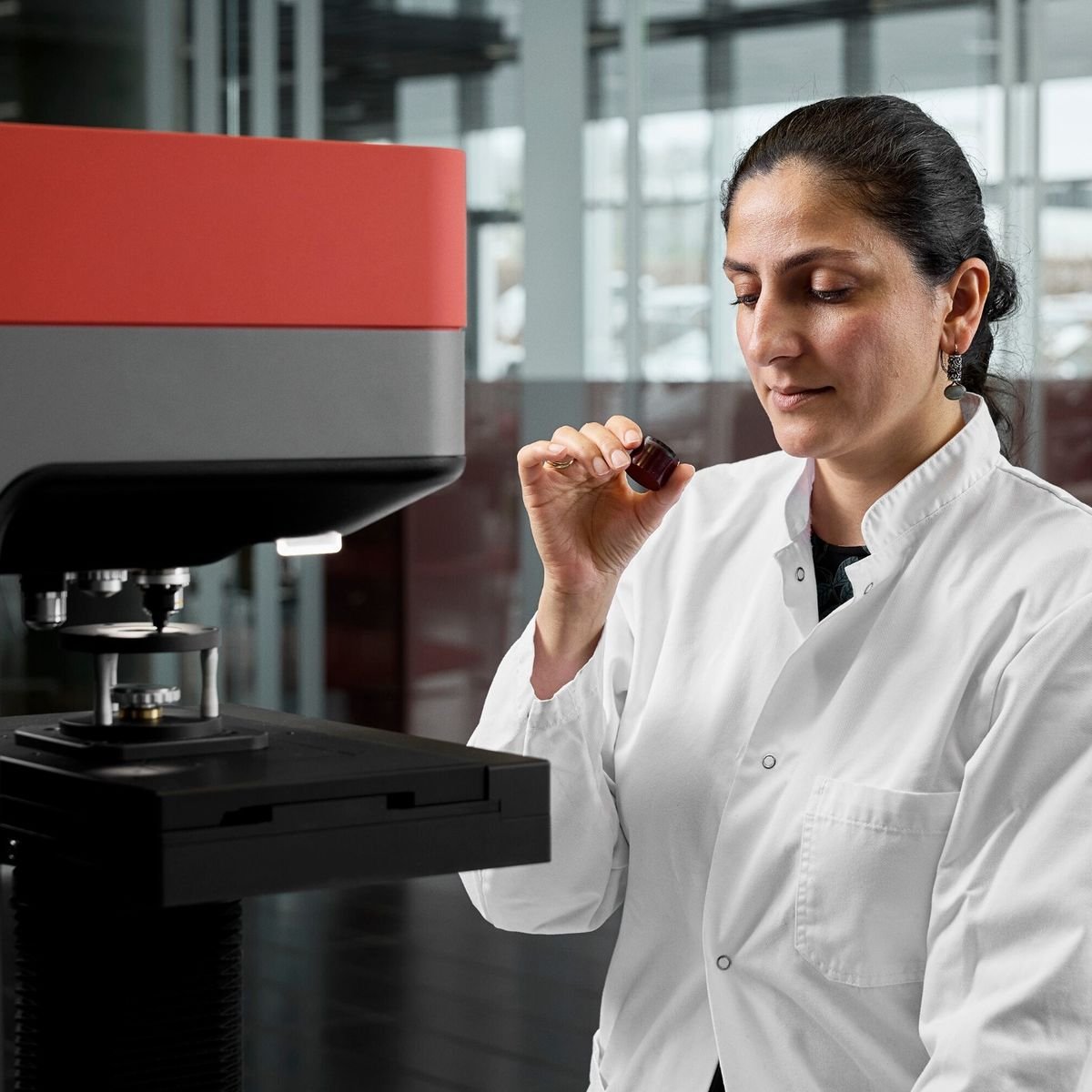
Een industriële hardheidsmeter is a critical instrument used in manufacturing, metallurgy, and quality control laboratories to measure the hardness of materials. Hardness refers to a material’s ability to resist deformation, indentation, or scratching when subjected to mechanical force. Accurate hardness measurements help manufacturers ensure product reliability, durability, and compliance with international quality standards.
In modern industries such as automotive, aerospace, heavy machinery, and metal fabrication, hardness testing is an essential step in the production process. High-quality equipment like the Johoyd Industrial Hardness Tester provides reliable and precise measurements that help engineers evaluate material properties and maintain strict quality control.
To explore professional hardness testing equipment, visit:
https://hardnesstests.com/products/
What Is an Industrial Hardness Tester?
An industrial hardness tester is a specialized testing machine designed to measure the hardness of metals, alloys, and other engineering materials in production environments. These instruments apply a controlled load to a material surface using a specific indenter and then measure the resulting indentation.
The hardness value obtained from the test helps engineers determine whether a material meets required specifications for strength, wear resistance, and durability.
Industrial hardness testers are designed for high efficiency, repeatability, and reliability, making them ideal for continuous use in factories and quality inspection departments.
Importance of Hardness Testing in Industry
Hardness testing plays a vital role in modern manufacturing. It allows engineers to quickly verify whether materials meet design specifications before they are used in production.
Kwaliteitscontrole
One of the primary uses of industrial hardness testers is quality control. Manufacturers must ensure that materials meet strict mechanical property requirements before being assembled into products.
Heat Treatment Verification
Many metal components undergo heat treatment processes such as quenching, tempering, and annealing. Hardness testing helps verify whether these processes have achieved the desired material properties.
Wear Resistance Evaluation
Hardness is closely related to wear resistance. Industrial components such as gears, shafts, and bearings require specific hardness levels to withstand friction and mechanical stress.
Failure Analysis
Wanneer mechanische onderdelen falen, kan het testen van de hardheid helpen bepalen of een onjuiste hardheid van het materiaal heeft bijgedragen aan het probleem.
Soorten industriële hardheidsmeters
Different hardness testing methods are used depending on the material and application. Industrial hardness testers are commonly available in several configurations.
Rockwell hardheidsmeter
The Rockwell hardness tester is one of the most widely used hardness testing machines in industrial environments.
De belangrijkste voordelen zijn:
- Snelle testsnelheid
- Directe hardheidsmetingen
- Eenvoudige bediening
- Hoge herhaalbaarheid
Rockwell testers are commonly used for steel, aluminum alloys, and other engineering metals.
Brinell hardheidsmeter
Brinell hardness testing uses a hardened steel or carbide ball indenter to create a relatively large indentation on the material surface.
This method is ideal for:
- Gegoten metalen
- Gesmede onderdelen
- Grote industriële onderdelen
Brinell testing is commonly used in heavy industries such as steel manufacturing and metal casting.
Vickers hardheidsmeter
The Vickers hardness test uses a diamond pyramid indenter and provides highly accurate hardness measurements.
It is widely used for:
- Precision materials testing
- Dunne materialen
- Laboratory analysis
- Metallographic research
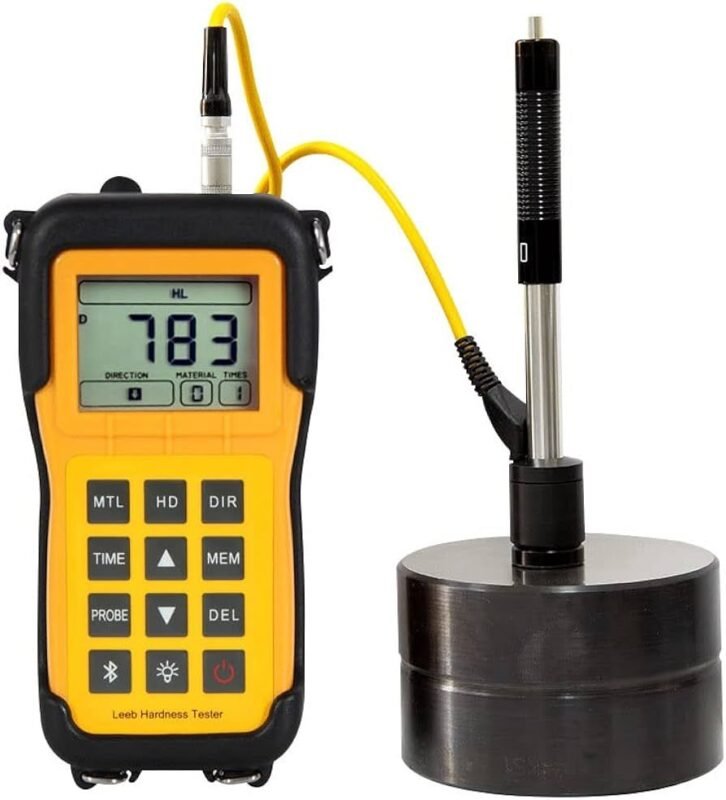
Draagbare hardheidsmeter
Portable hardness testers allow engineers to perform hardness measurements directly on large or heavy components that cannot be moved to a laboratory.
These devices are often used in:
- Veldinspecties
- Pipeline testing
- Large machinery maintenance
- Structural steel evaluation
Key Components of an Industrial Hardness Tester
Industrial hardness testers consist of several key components that ensure accurate and reliable testing.
Indringer
The indenter is the tool that presses into the material surface. Depending on the testing method, the indenter may be a diamond pyramid, steel ball, or carbide tip.
Systeem voor belastingstoepassing
The loading system applies a precise force to the indenter. Accurate load control is essential for obtaining reliable hardness measurements.
Meetsysteem
Many modern hardness testers include optical microscopes or digital cameras to measure indentation size automatically.
Controle-interface
Digital displays or touchscreen panels allow operators to configure testing parameters and read results easily.
Software voor gegevensverwerking
Advanced systems can store test results, generate reports, and export data for quality control documentation.
Applications of Industrial Hardness Testers
Industrial hardness testers are used in many sectors where material performance is critical.
Auto-industrie
Automotive manufacturers test the hardness of engine components, gears, and transmission parts to ensure durability and performance.
Ruimtevaartindustrie
Aircraft components require strict material verification. Hardness testing helps ensure structural integrity and safety.
Metaalproductie
Steel mills and metal processing plants rely on hardness testers to monitor material properties during production.
Productie van gereedschappen en matrijzen
Cutting tools and molds must have specific hardness levels to maintain performance and service life.
Onderzoek en ontwikkeling
Laboratories use industrial hardness testers to develop new materials and study material behavior under different conditions.
Advantages of Modern Industrial Hardness Testers
Technological advancements have significantly improved hardness testing equipment. Modern machines provide several benefits:
- Hoge meetnauwkeurigheid
- Automated testing procedures
- Digital data recording
- Improved testing efficiency
- Minder operatorfouten
- Integration with quality management systems
These improvements allow manufacturers to perform faster and more reliable material testing.
Choosing the Right Industrial Hardness Tester
Het kiezen van de juiste hardheidsmeter hangt af van verschillende factoren.
Type materiaal
Different materials require different testing methods. Metals, coatings, and ceramics may require specialized testers.
Testnormen
Ensure that the equipment complies with international standards such as ASTM, ISO, or DIN.
Steekproefgrootte
Large components may require Brinell or portable testers, while small samples may require microhardness testers.
Production Environment
Industrial environments often require machines that are durable, easy to operate, and capable of handling high testing volumes.
Professional Industrial Hardness Testing Solutions
Reliable testing equipment is essential for maintaining high product quality in industrial manufacturing. Advanced hardness testing machines help companies ensure consistent material performance while improving testing efficiency.
Manufacturers and laboratories seeking professional equipment can explore Johoyd Industrial Hardness Tester solutions designed for industrial production lines and quality control laboratories.
To learn more about available models and specifications, visit:
https://hardnesstests.com/products/