




Complete gids voor laboratoriumapparatuur voor materiaalwetenschappen Essentiële hulpmiddelen voor geavanceerd materiaalonderzoek

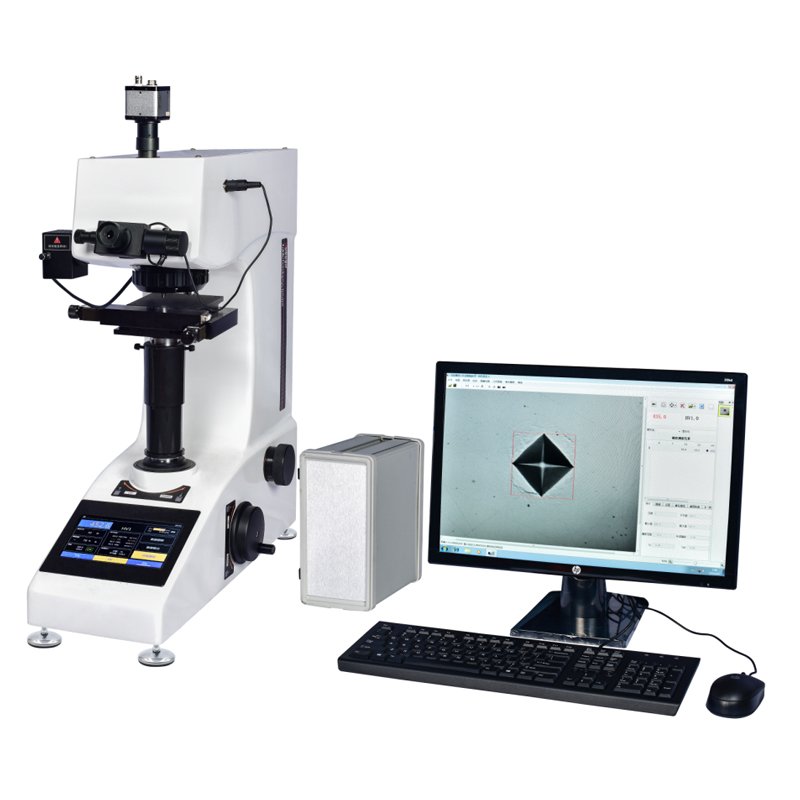
Schets voor het artikel over laboratoriumapparatuur voor materiaalwetenschappen
| Onderwerp | Gedetailleerde dekking met LSI-zoekwoorden |
|---|---|
| Inleiding tot laboratoriumapparatuur voor materiaalwetenschappen | laboratorium voor materiaalwetenschappen |
| Definitie van laboratoriumapparatuur voor materiaalwetenschappen | instrumenten voor het testen van materialen |
| De rol van laboratoriumapparatuur in de materiaalwetenschappen | materiaalkarakterisatie |
| Het belang van laboratoriumapparatuur in materiaalonderzoek | nauwkeurigheid en innovatie |
| Evolutie van laboratoriumapparatuur voor materiaalwetenschappen | traditioneel naar digitaal |
| Categorieën laboratoriumapparatuur voor materiaalwetenschappen | mechanisch, thermisch, chemisch |
| Mechanische testapparatuur | hardheid, trek, impact |
| Apparatuur voor hardheidsmeting in de materiaalwetenschappen | hardheidsmeters |
| Trekbanken | sterkte testen |
| Impact testapparatuur | beoordeling van de taaiheid |
| Apparatuur voor thermische analyse | thermische eigenschappen |
| Apparatuur voor differentiële scanning calorimetrie | DSC-tests |
| Thermogravimetrische analyseapparatuur | TGA-analyse |
| Metallografische prepareerapparatuur | oppervlaktevoorbereiding |
| Snij- en sectiemateriaal | monstervoorbereiding |
| Montagemateriaal voor metallografie | preparaatbevestiging |
| Slijp- en polijstapparatuur | oppervlaktebehandeling |
| Metallurgische microscopen | microstructuuranalyse |
| Optische microscopen voor materiaalwetenschappen | korrelstructuur |
| Digitale beeldvormingssystemen | microstructuurdocumentatie |
| Apparatuur voor chemische analyse | samenstellingstesten |
| Spectrometers voor materiaalwetenschappen | elementaire analyse |
| Apparatuur voor niet-destructief onderzoek | NDO-methoden |
| Draagbare testapparatuur | veldtesten |
| Digitale en geautomatiseerde laboratoriumapparatuur | slimme laboratoria |
| Systemen voor gegevensverwerving en -analyse | laboratoriumgegevens |
| Kalibratie en standaardisatie | nauwkeurigheidsgarantie |
| Internationale normen voor materiaalwetenschappelijke laboratoria | ISO, ASTM |
| Laboratoriumapparatuur voor metaalmaterialen | staal en legeringen |
| Laboratoriumapparatuur voor polymeren | testen van kunststoffen |
| Laboratoriumapparatuur voor keramiek | brosse materialen |
| Laboratoriumapparatuur voor composietmaterialen | geavanceerde materialen |
| De rol van laboratoriumapparatuur in onderzoek en ontwikkeling | innovatieondersteuning |
| De rol van laboratoriumapparatuur bij kwaliteitscontrole | acceptatietesten |
| Veiligheidsoverwegingen in laboratoria voor materiaalwetenschappen | laboratoriumveiligheid |
| De juiste laboratoriumapparatuur kiezen | koopgids |
| Onderhoud en betrouwbaarheid | levensduur van apparatuur |
| Merkexpertise en -oplossingen | Johoyd laboratoriumapparatuur |
| Toekomstige trends in laboratoriumapparatuur voor materiaalwetenschappen | AI en automatisering |
| FAQs | veelvoorkomende vragen |
| Conclusie | samenvatting |
Inleiding
Laboratoriumapparatuur voor materiaalwetenschappen vormt de basis van modern materiaalonderzoek, ontwikkeling en kwaliteitscontrole. Van metalen en polymeren tot keramiek en composieten, materiaalkunde laboratoria vertrouwen op gespecialiseerde apparatuur om structuur, samenstelling en mechanisch gedrag te analyseren.
Naarmate de industrie hogere eisen stelt aan materialen met betere prestaties, wordt geavanceerde laboratoriumapparatuur essentieel om de materiaaleigenschappen te begrijpen en een consistente kwaliteit te garanderen.
Laboratoriumapparatuur voor materiaalwetenschappen
Laboratoriumapparatuur voor materiaalwetenschappen omvat een breed scala aan instrumenten die ontworpen zijn om materialen te testen, analyseren en karakteriseren onder gecontroleerde omstandigheden. Deze instrumenten leveren betrouwbare gegevens voor onderzoek, productie en kwaliteitsborging.
Ze ondersteunen innovatie en naleving.

Definitie van laboratoriumapparatuur voor materiaalwetenschappen
Labapparatuur voor materiaalwetenschappen verwijst naar gespecialiseerde instrumenten die gebruikt worden om mechanische, thermische, chemische en structurele eigenschappen van materialen te evalueren.
Nauwkeurige metingen zijn het primaire doel.
De rol van laboratoriumapparatuur in de materiaalwetenschappen
Laboratoriumapparatuur stelt wetenschappers en ingenieurs in staat om te begrijpen hoe materialen zich onder verschillende omstandigheden gedragen. Het ondersteunt materiaalselectie, ontwerpoptimalisatie en storingsanalyse.
Betrouwbaar gereedschap stimuleert vooruitgang.
Het belang van laboratoriumapparatuur in materiaalonderzoek
Geavanceerde laboratoriumapparatuur zorgt voor nauwkeurige gegevensverzameling, herhaalbaarheid en traceerbaarheid. Zonder de juiste apparatuur is materiaalonderzoek niet betrouwbaar.
Nauwkeurigheid schept vertrouwen.
Evolutie van laboratoriumapparatuur voor materiaalwetenschappen
Laboratoriumapparatuur voor materiaalwetenschappen evolueerde van handmatige instrumenten naar digitale, geautomatiseerde systemen. Vooruitgang in sensoren en software verbeterde de efficiëntie en gegevenskwaliteit.
Moderne laboratoria zijn datagestuurd.
Categorieën laboratoriumapparatuur voor materiaalwetenschappen
Laboratoria voor materiaalwetenschappen gebruiken mechanische testapparatuur, instrumenten voor thermische analyse, metallografisch prepareergereedschap en analytische apparaten.
Elke categorie dient een specifiek doel.
Mechanische testapparatuur
Mechanische testapparatuur evalueert sterkte, hardheid, taaiheid en vervormingsgedrag van materialen.
Mechanische eigenschappen bepalen de prestaties.
Apparatuur voor hardheidsmeting in de materiaalwetenschappen
Hardheidsmeters meten de weerstand tegen indrukking. Rockwell, Brinell, Vickers en microhardheidsmeters worden vaak gebruikt.
Hardheid ondersteunt materiaalvergelijking.
Trekbanken
Trekbanken meten treksterkte, vloeigrens en rek. Ze zijn essentieel om het gedrag van materialen onder belasting te begrijpen.
Sterktegegevens leiden het ontwerp.
Impact testapparatuur
Slagtesters evalueren de taaiheid van materialen en hun weerstand tegen plotse belastingen. Ze worden gebruikt voor veiligheidskritische toepassingen.
Hardheid voorkomt falen.
Apparatuur voor thermische analyse
Apparatuur voor thermische analyse bestudeert het gedrag van materialen bij temperatuurveranderingen. Deze instrumenten evalueren stabiliteit en overgangen.
Thermische eigenschappen zijn belangrijk.
Apparatuur voor differentiële scanning calorimetrie
DSC meet de warmtestroom gerelateerd aan faseveranderingen. Het wordt veel gebruikt voor polymeren en legeringen.
Thermische overgangen worden onthuld.
Thermogravimetrische analyseapparatuur
TGA meet gewichtsveranderingen tijdens verhitting. Het helpt bij het analyseren van de samenstelling en thermische stabiliteit.
Het ontbindingsgedrag wordt bestudeerd.
Metallografische prepareerapparatuur
Apparatuur voor monstervoorbereiding bereidt preparaten voor op microstructuuranalyse. De juiste voorbereiding is cruciaal voor nauwkeurige observatie.
Voorbereiding zorgt voor duidelijkheid.
Snij- en sectiemateriaal
Snijmachines snijden materialen door zonder de structuur te veranderen. Bij nauwkeurig snijden blijft de microstructuur behouden.
Nauwkeurigheid begint bij het snijden.
Montagemateriaal voor metallografie
Inbedmiddelen omsluiten monsters voor hantering en polijsten. Het verbetert de stabiliteit van de monsters.
Montage verbetert de consistentie.
Slijp- en polijstapparatuur
Slijpen en polijsten produceren gladde oppervlakken voor microscopisch onderzoek. De kwaliteit van het oppervlak beïnvloedt de analyse.
Gladde oppervlakken onthullen details.
Metallurgische microscopen
Metallurgische microscopen onthullen de korrelstructuur en fasen. Optische en digitale systemen worden vaak gebruikt.
Microstructuur verklaart gedrag.
Optische microscopen voor materiaalwetenschappen
Optische microscopen ondersteunen routineonderzoek van materiaaloppervlakken en -structuren.
Visuele analyse ondersteunt het begrip.
Digitale beeldvormingssystemen
Digitale beeldvormingssystemen leggen beelden van de microstructuur vast en analyseren deze. Software maakt metingen en documentatie mogelijk.
Digitale records verbeteren de traceerbaarheid.
Apparatuur voor chemische analyse
Apparatuur voor chemische analyse bepaalt de elementaire samenstelling. De samenstelling beïnvloedt de eigenschappen.
Nauwkeurige analyse is essentieel.
Spectrometers voor materiaalwetenschappen
Spectrometers analyseren de elementaire inhoud met optische of röntgentechnieken.
Samenstellingsverificatie ondersteunt kwaliteit.
Apparatuur voor niet-destructief onderzoek
NDT-apparatuur evalueert materialen zonder ze te beschadigen. Het ondersteunt de inspectie van afgewerkte componenten.
Behoud is belangrijk.

Draagbare testapparatuur
Draagbare apparatuur maakt testen in het veld en analyse op locatie mogelijk. Mobiliteit verhoogt de flexibiliteit.
Testen in het veld bespaart tijd.
Digitale en geautomatiseerde laboratoriumapparatuur
Automatisering vermindert de invloed van de operator en verhoogt de verwerkingscapaciteit. Digitale systemen verbeteren de nauwkeurigheid van gegevens.
Slimme laboratoria verhogen de efficiëntie.
Systemen voor gegevensverwerving en -analyse
Gegevenssystemen verzamelen, slaan op en analyseren testresultaten. Ze ondersteunen onderzoek en kwaliteitsaudits.
Gegevens sturen beslissingen.
Kalibratie en standaardisatie
Kalibratie garandeert de nauwkeurigheid van de metingen. Gestandaardiseerde procedures zorgen voor consistentie.
Traceerbaarheid is verplicht.
Internationale normen voor materiaalwetenschappelijke laboratoria
ISO- en ASTM-standaarden geven richtlijnen voor testmethoden en rapportage.
Standaarden zorgen voor wereldwijde acceptatie.
Laboratoriumapparatuur voor metaalmaterialen
Metaallaboratoria richten zich op hardheid, trekproeven en microstructuuranalyse.
De metaaleigenschappen zijn kritisch.
Laboratoriumapparatuur voor polymeren
Voor het testen van polymeren is thermische en mechanische analyseapparatuur nodig.
Polymeren gedragen zich anders.
Laboratoriumapparatuur voor keramiek
Keramiek vereist speciale testen vanwege de brosheid.
Het juiste gereedschap voorkomt schade.
Laboratoriumapparatuur voor composietmaterialen
Composietmaterialen moeten geëvalueerd worden op meerdere eigenschappen.
Complexe structuren vereisen geavanceerde gereedschappen.
De rol van laboratoriumapparatuur in onderzoek en ontwikkeling
R&D vertrouwt op laboratoriumapparatuur om nieuwe materialen te ontwikkelen en bestaande te verbeteren.
Innovatie is afhankelijk van gegevens.
De rol van laboratoriumapparatuur bij kwaliteitscontrole
Laboratoria voor kwaliteitscontrole gebruiken apparatuur om te controleren of het materiaal voldoet.
Testen voorkomt defecten.
Veiligheidsoverwegingen in laboratoria voor materiaalwetenschappen
Veiligheidsprocedures beschermen personeel en apparatuur. Training en correct gebruik zijn essentieel.
Veiligheid ondersteunt productiviteit.
De juiste laboratoriumapparatuur kiezen
De keuze hangt af van het type materiaal, de testvereisten en het budget.
Deskundige begeleiding zorgt voor waarde.
Onderhoud en betrouwbaarheid
Regelmatig onderhoud garandeert een lange levensduur van de apparatuur en nauwkeurige resultaten.
Betrouwbaarheid ondersteunt continuïteit.
Merkexpertise en -oplossingen
Betrouwbaar laboratoriumapparatuur voor materiaalwetenschappen vereist precisietechniek en toepassingsdeskundigheid. Johoyd, door https://hardnesstests.com, levert professionele apparatuur voor het testen van materialen en hardheid die laboratoria voor materiaalwetenschappen ondersteunt bij onderzoek, onderwijs en industriële kwaliteitscontrole met nauwkeurigheid, duurzaamheid en internationale naleving.
Toekomstige trends in laboratoriumapparatuur voor materiaalwetenschappen
Toekomstige laboratoria zullen beschikken over AI-gestuurde analyse, automatisering en digitale tweelingen. Apparatuur wordt slimmer en meer verbonden.
Innovatie gaat door.
Veelgestelde vragen
Wat is laboratoriumapparatuur voor materiaalwetenschappen?
Het omvat instrumenten die gebruikt worden om materialen te testen en te analyseren.
Welke apparatuur is essentieel in laboratoria voor materiaalwetenschappen?
Hardheidsmeters, trektesters, microscopen en thermische analyzers.
Is kalibratie nodig?
Ja, kalibratie zorgt voor nauwkeurige resultaten.
Kan laboratoriumapparatuur worden geautomatiseerd?
Ja, moderne systemen ondersteunen automatisering.
Welke industrieën maken gebruik van materiaalwetenschappelijke laboratoria?
Productie, lucht- en ruimtevaart, auto-industrie en onderzoek.
Hoe vaak moet apparatuur worden onderhouden?
Volgens gebruik en normen.

Conclusie
Laboratoriumapparatuur voor materiaalwetenschappen is essentieel voor het begrijpen, ontwikkelen en controleren van materiaaleigenschappen. Van mechanische testen tot microstructuuranalyse, deze tools leveren de gegevens die nodig zijn voor innovatie en kwaliteitsborging.
Met geavanceerde oplossingen van Johoyd beschikbaar op hardnesstests.com, krijgen laboratoria voor materiaalwetenschappen toegang tot betrouwbare, nauwkeurige apparatuur die klaar is voor de toekomst. Omdat materialen zich blijven ontwikkelen, zal hoogwaardige laboratoriumapparatuur de kern blijven vormen van de uitmuntende materiaalwetenschap.
Aanbevolen interne koppelingen
- Hardheid het Testen Machine
- Metallografische prepareerapparatuur
Aanbevolen uitgaande links
- ASTM-standaarden voor materiaaltesten
- ISO-richtlijnen voor laboratoriumtests