




Essentiële gids voor hardheidsmeting van kwaliteitscontrole 32 beproefde methoden voor betrouwbare inspectie


Outline for the Article on Quality Control Hardness Testing
| Onderwerp | Gedetailleerde dekking met LSI-zoekwoorden |
|---|---|
| Introduction to Quality Control Hardness Testing | hardness testing in quality control |
| Definition of Quality Control Hardness Testing | material hardness inspection |
| Importance of Hardness Testing in Quality Control | product reliability |
| Role of Hardness Testing in Manufacturing Quality | procesverificatie |
| Evolutie van hardheidstesten voor kwaliteitscontrole | inspection technology |
| Grondbeginselen van hardheidsmeting | weerstand tegen vervorming |
| Core Elements of Quality Control Hardness Testing | standards and procedures |
| Types of Hardness Tests Used in Quality Control | Rockwell, Brinell, Vickers |
| Rockwell hardheidsmeting in kwaliteitscontrole | snelle inspectie |
| Brinell Hardness Testing in Quality Control | testen van bulkmateriaal |
| Vickers Hardness Testing in Quality Control | precisietesten |
| Microhardness Testing for Quality Control | coatings en dunne materialen |
| Macro Hardness Testing for Quality Control | heavy components |
| Manual Hardness Testing in Quality Control | operator-based inspection |
| Digital Hardness Testing in Quality Control | elektronische meting |
| Automatische hardheidsmeters | inspectie van grote volumes |
| Portable Hardness Testing for Quality Control | inspectie ter plaatse |
| Laboratoriumhardheidsmetingen voor kwaliteitscontrole | reference testing |
| Materials Evaluated in Quality Control | metalen en legeringen |
| Hardness Testing for Steel Quality Control | controle warmtebehandeling |
| Hardness Testing for Aluminum Quality Control | alloy consistency |
| Hardness Testing for Cast Iron Quality Control | industriële componenten |
| Applications in Incoming Material Inspection | leveranciersverificatie |
| Applications in In-Process Quality Control | real-time controle |
| Applications in Final Product Inspection | acceptatietesten |
| Hardness Testing in Automotive Quality Control | component safety |
| Hardness Testing in Aerospace Quality Control | critical compliance |
| Standards for Quality Control Hardness Testing | ASTM, ISO |
| Nauwkeurigheid en herhaalbaarheid | inspection confidence |
| Kalibratie en traceerbaarheid | quality assurance systems |
| Data Recording and Reporting | quality documentation |
| Sample Preparation for Quality Control Testing | oppervlaktegesteldheid |
| Selecting Hardness Testers for Quality Control | equipment selection |
| Common Quality Control Testing Errors | prevention methods |
| Advantages of Hardness Testing in Quality Control | efficiëntie en betrouwbaarheid |
| Beperkingen van hardheidsmetingen | interpretation scope |
| Maintenance of Quality Control Hardness Testers | stabiliteit op lange termijn |
| Integration with Quality Management Systems | digital QC |
| Merkexpertise en -oplossingen | Johoyd QC hardness testing |
| Toekomstige trends in hardheidstesten voor kwaliteitscontrole | automation and smart QC |
| FAQs | veelvoorkomende vragen |
| Conclusie | samenvatting |
Inleiding
Quality Control Hardness Testing is a fundamental practice in manufacturing and material inspection. Hardness testing provides a fast, reliable, and cost-effective way to verify whether materials meet design specifications and performance requirements. In quality control environments, hardness values often serve as acceptance criteria for raw materials, semi-finished components, and final products.
As manufacturing processes become more advanced and tolerances tighter, the role of quality control hardness testing continues to expand. It supports consistency, reduces defects, and ensures customer confidence.
Quality Control Hardness Testing
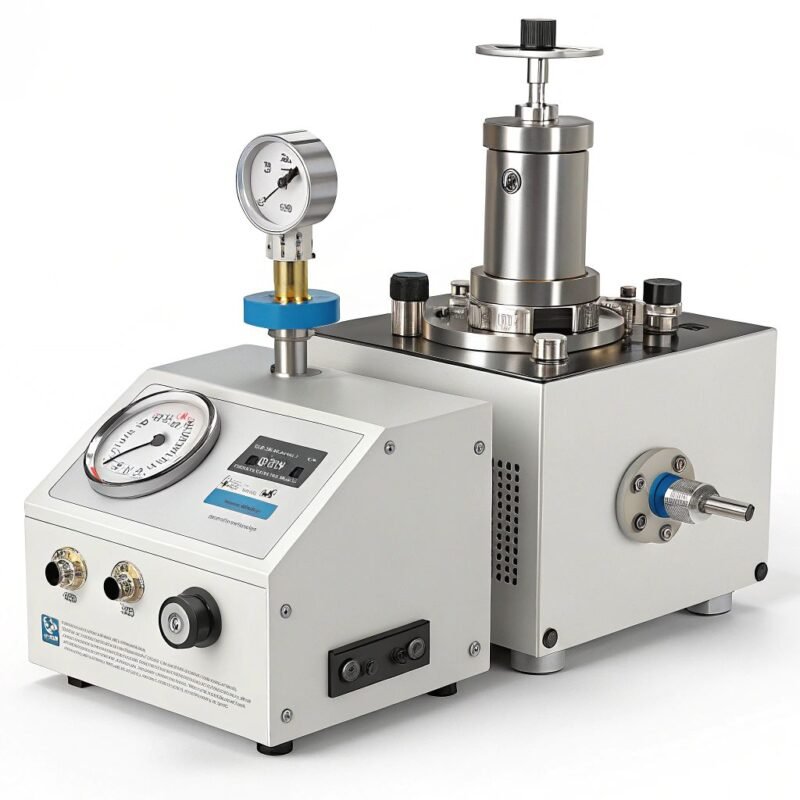
Quality Control Hardness Testing refers to the systematic measurement of material hardness as part of a quality assurance process. It evaluates a material’s resistance to indentation or deformation under standardized conditions.
This testing method is widely used because it is fast, repeatable, and strongly correlated with mechanical properties such as strength and wear resistance.
Definition of Quality Control Hardness Testing
Quality control hardness testing involves applying a controlled force to a material surface using a standardized indenter and measuring the resulting indentation. The measurement is converted into a hardness value that can be compared against specifications.
It provides a quantitative basis for acceptance or rejection decisions.
Importance of Hardness Testing in Quality Control
Hardness testing is critical for maintaining consistent product quality. It helps detect variations in material composition, heat treatment, or processing conditions that may affect performance.
By identifying deviations early, quality control hardness testing prevents defective products from reaching customers.
Role of Hardness Testing in Manufacturing Quality
In manufacturing, hardness testing acts as a checkpoint between processes. It verifies that materials respond correctly to machining, forming, or heat treatment.
This role makes hardness testing a powerful tool for process validation and continuous improvement.
Evolutie van hardheidstesten voor kwaliteitscontrole
Traditional quality control hardness testing relied on manual measurement and visual inspection. While effective, these methods required skilled operators.
Modern quality control hardness testing uses digital and automatic systems, improving accuracy, speed, and traceability.
Grondbeginselen van hardheidsmeting
Hardness testing measures resistance to permanent deformation. In quality control, standardized loads and indenters ensure results are comparable and repeatable.
The principle allows quick assessment without complex sample preparation.
Core Elements of Quality Control Hardness Testing
Effective quality control hardness testing relies on standardized procedures, calibrated equipment, trained operators, and proper documentation.
These elements ensure reliable and defensible results.
Types of Hardness Tests Used in Quality Control
Several hardness testing methods are commonly used in quality control environments.
The most widely applied include Rockwell, Brinell, and Vickers testing.
Rockwell hardheidsmeting in kwaliteitscontrole
Rockwell hardness testing is popular for quality control due to its speed and simplicity. It provides direct readings without optical measurement.
This makes it ideal for high-throughput inspection.
Brinell Hardness Testing in Quality Control
Brinell testing uses a larger indenter and load, making it suitable for bulk materials and cast components.
It is often used for incoming material inspection.
Vickers Hardness Testing in Quality Control
Vickers testing offers high precision across a wide hardness range. It is used when more detailed hardness evaluation is required.
Digital measurement enhances consistency.
Microhardness Testing for Quality Control
Microhardness testing is used for thin materials, coatings, and surface-hardened layers.
It supports detailed quality verification.
Macro Hardness Testing for Quality Control
Macrohardheidstesten evalueren de eigenschappen van bulkmateriaal.
It is commonly used for structural and industrial components.
Manual Hardness Testing in Quality Control
Manual hardness testing relies on operator skill. While flexible, it requires proper training to ensure consistency.
It is often used for low-volume inspection.
Digital Hardness Testing in Quality Control
Digital hardness testers improve accuracy by reducing human error. Results are displayed electronically and stored automatically.
This supports traceability and reporting.
Automatische hardheidsmeters
Automatic systems control loading, measurement, and evaluation. They are ideal for high-volume quality control environments.
Automation improves efficiency and consistency.
Portable Hardness Testing for Quality Control
Portable hardness testers enable on-site inspection of large or installed components.
They reduce downtime and logistical challenges.
Laboratoriumhardheidsmetingen voor kwaliteitscontrole
Laboratory hardness testing provides reference-level accuracy. It is used for validation and dispute resolution.
Controlled conditions ensure reliable results.
Materials Evaluated in Quality Control
Quality control hardness testing is primarily applied to metals and alloys.
Staal, aluminium, gietijzer en non-ferrometalen worden vaak getest.
Hardness Testing for Steel Quality Control
Steel hardness testing verifies heat treatment effectiveness. It ensures mechanical properties meet specifications.
Rockwell and Brinell methods are widely used.
Hardness Testing for Aluminum Quality Control
Aluminum alloys require careful load selection. Vickers testing is often preferred for precision.
Quality control ensures alloy consistency.
Hardness Testing for Cast Iron Quality Control
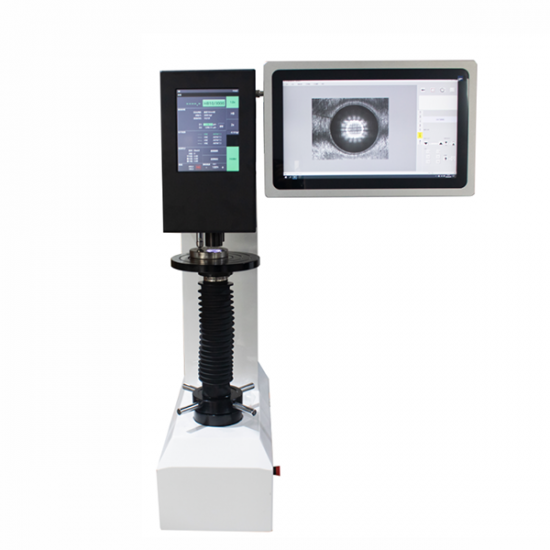
Cast iron hardness testing supports structural integrity. Brinell testing is commonly applied.
It accounts for material heterogeneity.
Applications in Incoming Material Inspection
Incoming material inspection uses hardness testing to verify supplier quality.
It prevents substandard materials from entering production.
Applications in In-Process Quality Control
In-process hardness testing monitors manufacturing consistency.
It enables real-time corrective action.
Applications in Final Product Inspection
Final inspection ensures products meet customer and regulatory requirements.
Hardness values often serve as acceptance criteria.
Hardness Testing in Automotive Quality Control
Automotive quality control relies heavily on hardness testing. Components must meet strict safety standards.
Consistentie is cruciaal.
Hardness Testing in Aerospace Quality Control
Aerospace applications demand precise and traceable hardness testing.
Quality control hardness testing supports safety-critical components.
Standards for Quality Control Hardness Testing
Quality control hardness testing follows ASTM and ISO standards.
Standard compliance ensures result credibility.
Nauwkeurigheid en herhaalbaarheid
Accuracy ensures correct hardness values. Repeatability ensures consistent inspection decisions.
Both are essential for quality control.
Kalibratie en traceerbaarheid
Regular calibration maintains confidence in results. Traceability supports audits and certifications.
It is a core requirement of quality systems.
Data Recording and Reporting
Digital quality control hardness testing simplifies data recording.
Clear documentation supports quality management systems.
Sample Preparation for Quality Control Testing
Een goede voorbereiding van het oppervlak zorgt voor een nauwkeurige indrukking.
Poor preparation can lead to misleading results.
Selecting Hardness Testers for Quality Control
Selection depends on material type, inspection volume, and required accuracy.
Deskundige begeleiding zorgt voor optimale prestaties.
Common Quality Control Testing Errors
Errors include improper surface preparation, incorrect settings, and poor calibration.
Standard procedures minimize risk.
Advantages of Hardness Testing in Quality Control
De belangrijkste voordelen zijn:
- Fast inspection
- Cost-effective testing
- Strong correlation with strength
- Hoge herhaalbaarheid
These benefits make hardness testing indispensable.
Beperkingen van hardheidsmetingen
Hardheidsmetingen meten niet alle mechanische eigenschappen.
Results must be interpreted within context.
Maintenance of Quality Control Hardness Testers
Routine maintenance preserves accuracy and reliability.
De juiste zorg verlengt de levensduur van de apparatuur.
Integration with Quality Management Systems
Modern hardness testers integrate with digital quality systems.
They support data-driven quality control.
Merkexpertise en -oplossingen
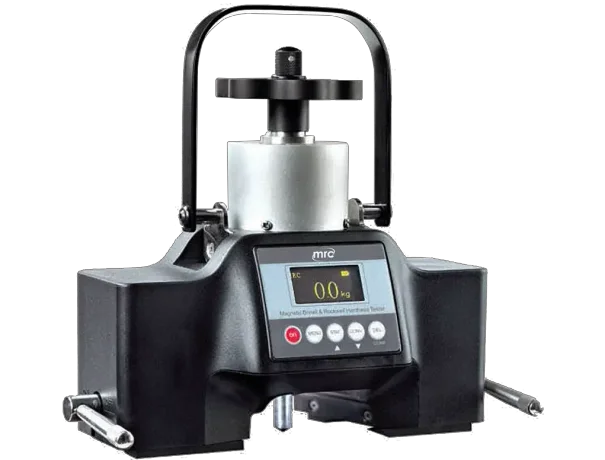
Reliable quality control hardness testing requires precise equipment and expert support. Johoyd, door https://hardnesstests.com, biedt geavanceerde Quality Control Hardness Testing solutions for manufacturing and inspection environments, supporting accuracy, efficiency, and compliance.
Toekomstige trends in hardheidstesten voor kwaliteitscontrole
Future trends include higher automation, AI-assisted analysis, and smart factory integration.
These developments will further strengthen quality assurance.
Veelgestelde vragen
What is quality control hardness testing used for?
Het controleert materiaalconsistentie en naleving.
Is hardness testing suitable for production environments?
Yes, especially Rockwell and automatic systems.
Do quality control hardness tests follow standards?
Ja, ASTM- en ISO-standaarden zijn van toepassing.
Kunnen hardheidsmetingen problemen met warmtebehandeling detecteren?
Yes, it is commonly used for this purpose.
Is calibration important in quality control hardness testing?
Yes, it ensures result reliability.
Kunnen hardheidsmetingen worden geautomatiseerd?
Yes, many systems support automation.
Conclusie
Quality Control Hardness Testing is a cornerstone of reliable manufacturing and inspection. By providing fast, accurate, and repeatable measurements, it ensures materials and products meet performance and safety requirements.
Met vertrouwde leveranciers zoals Johoyd het leveren van professionele oplossingen door hardnesstests.com, organizations can strengthen their quality control processes and maintain confidence in their products. As industries move toward smarter manufacturing, quality control hardness testing will remain an essential tool.
Aanbevolen interne koppelingen
- Laboratory Hardness Testers
- Digitale hardheidsmeetsystemen
Aanbevolen uitgaande links
- ASTM-standaarden voor hardheidsmeting
- ISO Quality Control Guidelines