

- Appareil d'essai de dureté Micro Vickers
- Appareil d'essai de dureté Vickers
- Capteur de dureté Vickers
- Appareil d'essai de dureté Rockwell
- Appareil d'essai de dureté Brinell
- Appareil de dureté Leeb
- Appareil de mesure de la dureté Shore
- Testeur de dureté Webster
- Appareil de mesure de la dureté Barcol
- Barre d'essai de dureté



precision hardness testerPrecision Hardness Tester: Comprehensive Guide, Working Principle, and Industrial Applicationsprecision hardness tester

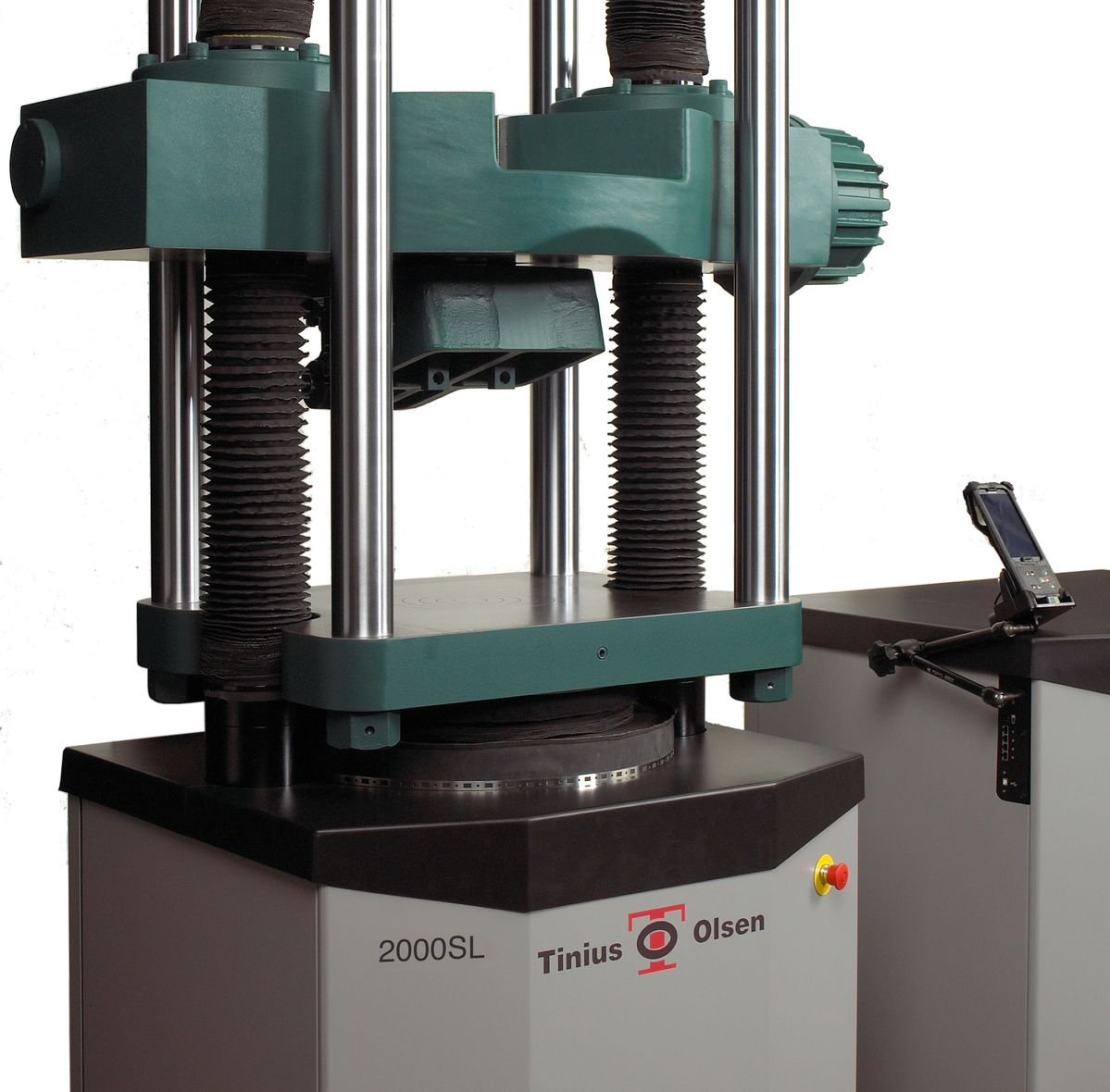
A precision hardness tester is an advanced material testing instrument used to measure the hardness of metals, alloys, ceramics, plastics, and other engineered materials with extremely high accuracy and repeatability. Hardness is a critical mechanical property that indicates a material’s resistance to indentation, scratching, wear, and deformation. Precision hardness testers are widely used in quality control laboratories, research facilities, manufacturing plants, and metallurgical analysis.
With modern industries demanding strict material specifications, precision hardness testers play a vital role in ensuring product reliability, durability, and compliance with international standards.
1. What is a Precision Hardness Tester? ⚙️
A precision hardness tester is a specialized instrument designed to determine the hardness of a material by applying a controlled force through a specific indenter and measuring the resulting indentation with high-resolution optical or digital systems.
Compared with conventional hardness testers, precision models offer:
- Higher measurement accuracy
- Advanced digital imaging systems
- Automated load control
- Computer-assisted analysis
- Microscopic indentation measurement
These testers are especially suitable for microhardness testing, thin materials, coatings, and small components.
2. Principle of Hardness Testing 🧪
The fundamental principle behind hardness testing involves pressing an indenter into the material surface under a defined load and measuring the indentation size or depth.
The hardness value is calculated using:
- Applied load
- Indenter geometry
- Indentation dimensions
Common hardness scales used include:
- Vickers (HV)
- Rockwell (HR)
- Brinell (HB)
- Knoop (HK)
Precision hardness testers often utilize optical measurement systems to evaluate indentation dimensions with micrometer-level accuracy.
3. Major Types of Precision Hardness Testers 📏
3.1 Vickers Precision Hardness Tester
Uses a diamond pyramid indenter with a square base.
Characteristics:
- Haute précision
- Suitable for micro and macro hardness testing
- Ideal for thin materials and coatings
Common applications:
- Metallography
- Aerospace components
- Heat treatment analysis
3.2 Microhardness Tester
Designed for very small loads and microscopic indentation measurement.
Typical load range:
- 10 g – 1000 g
Applications :
- Coatings
- Surface treatments
- Microstructures
- Semiconductor materials
3.3 Knoop Hardness Tester
Uses an elongated diamond indenter designed for brittle materials.
Avantages :
- Minimal surface damage
- Suitable for fragile materials
- Ideal for thin layers
3.4 High-Precision Rockwell Tester
Uses depth measurement instead of optical indentation.
Benefits:
- Faster testing
- Automatic results
- Suitable for production environments
4. Key Components of a Precision Hardness Tester 🔍
A modern precision hardness tester consists of several critical components:
Indentateur
The indenter penetrates the material surface.
Common types include:
- Diamond pyramid (Vickers)
- Diamond cone (Rockwell)
- Steel or carbide ball (Brinell)
Load Application System
Applies the testing force accurately.
Types include:
- Dead weight loading
- Motorized loading
- Electronic load control
Optical Measurement System
High-precision microscopes measure indentation dimensions.
Features may include:
- Digital cameras
- Automatic measurement software
- Image analysis
Test Stage
The platform holding the sample.
Capabilities include:
- Precision positioning
- X-Y movement
- Fine adjustment
Control and Display Unit
Modern testers include:
- Touchscreen interface
- Automatic calculations
- Data storage
- Computer connectivity
5. Precision Hardness Testing Methods 🔬
Several hardness testing methods are used depending on the material type and test requirements.
Vickers Method
Uses a diamond pyramid indenter with loads from 1 g to 100 kg.
Avantages :
- Universal hardness scale
- Suitable for most materials
- Accurate measurement
Brinell Method
Uses a steel or carbide ball indenter with heavy loads.
Best for:
- Cast metals
- Forgings
- Large components
Rockwell Method
Measures indentation depth rather than diameter.
Avantages :
- Fast testing
- No optical measurement required
- Ideal for production lines
Knoop Method
Primarily used for:
- Thin coatings
- Ceramics
- Glass
- Microstructures
6. Features of Modern Precision Hardness Testers 💻
Modern systems include numerous advanced features:
- Automatic loading and unloading
- High-resolution digital microscopes
- Image recognition software
- Automated hardness calculation
- Programmable test sequences
- Data storage and export
- Statistical analysis
- Remote monitoring
Some high-end testers also support fully automated multi-point hardness mapping.
7. Industrial Applications 🏭
Precision hardness testers are used across many industries.
Metallurgy
Used to evaluate:
- Heat treatment quality
- Metal structure integrity
- Alloy performance
Industrie automobile
Applications include testing:
- Engine components
- Gear hardness
- Transmission parts
- Bearings
Aérospatiale
Ensures material reliability for:
- Aircraft structures
- Turbine components
- High-temperature alloys
Electronics Industry
Used for testing:
- Semiconductor materials
- Thin coatings
- Micro components
Fabrication
Ensures consistency in:
- Tools
- Dies
- Industrial machinery parts
8. Advantages of Precision Hardness Testers ⭐
Precision hardness testers offer numerous advantages.
High Accuracy
Capable of measuring indentation at micrometer precision.
Polyvalence
Can test a wide range of materials:
- Metals
- Ceramics
- Polymers
- Composites
Automated Measurement
Advanced software reduces operator error.
Repeatability
Ensures consistent results across multiple tests.
Non-destructive Testing
Indentations are usually very small.
9. Factors Affecting Hardness Test Accuracy ⚠️
Several factors influence testing accuracy.
Surface Preparation
Rough surfaces can produce inaccurate results.
Proper preparation includes:
- Polishing
- Grinding
- Cleaning
Test Load Selection
Incorrect load may cause:
- Excessive indentation
- Insufficient measurement accuracy
Indenter Condition
Worn or damaged indenters can distort results.
Environmental Conditions
Temperature, vibration, and lighting may affect measurement precision.
10. Calibration and Maintenance 🛠️
To maintain reliable results, precision hardness testers require regular calibration.
Calibration procedures include:
- Using certified hardness blocks
- Verifying load accuracy
- Checking optical measurement systems
- Inspecting indenters
Routine maintenance also includes:
- Cleaning optical lenses
- Checking mechanical components
- Updating software
11. How to Choose a Precision Hardness Tester 📊
When selecting a tester, consider:
Testing Method
Choose between:
- Vickers
- Rockwell
- Brinell
- Knoop

Plage de charge
Ensure the tester supports required load levels.
Niveau d'automatisation
Options include:
- Manual
- Semi-automatic
- Fully automatic systems
Measurement Accuracy
High-resolution optics improve measurement reliability.
Data Management
Look for systems with:
- Digital storage
- Software integration
- Statistical analysis
12. Future Trends in Precision Hardness Testing 🚀
Advancements in hardness testing technology are focusing on:
- AI-assisted indentation recognition
- Fully automated robotic testing systems
- 3D surface scanning
- Integrated metallographic analysis
- Cloud-based data management
- Smart factory integration
These innovations will further enhance testing efficiency, reliability, and automation.
Conclusion 🧾
A precision hardness tester is an essential instrument for accurately measuring material hardness across various industries. With advanced features such as digital imaging, automated load control, and intelligent analysis software, these systems ensure reliable quality control and material performance evaluation.
As manufacturing standards become increasingly strict, precision hardness testers will continue to play a critical role in materials science, industrial testing, and research laboratories, helping engineers and manufacturers produce safer, stronger, and more durable products.