

- Appareil d'essai de dureté Micro Vickers
- Appareil d'essai de dureté Vickers
- Capteur de dureté Vickers
- Appareil d'essai de dureté Rockwell
- Appareil d'essai de dureté Brinell
- Appareil de dureté Leeb
- Appareil de mesure de la dureté Shore
- Testeur de dureté Webster
- Appareil de mesure de la dureté Barcol
- Barre d'essai de dureté



Material Hardness Testing Power Guide 14 Essential Insights for Reliable Material Performance

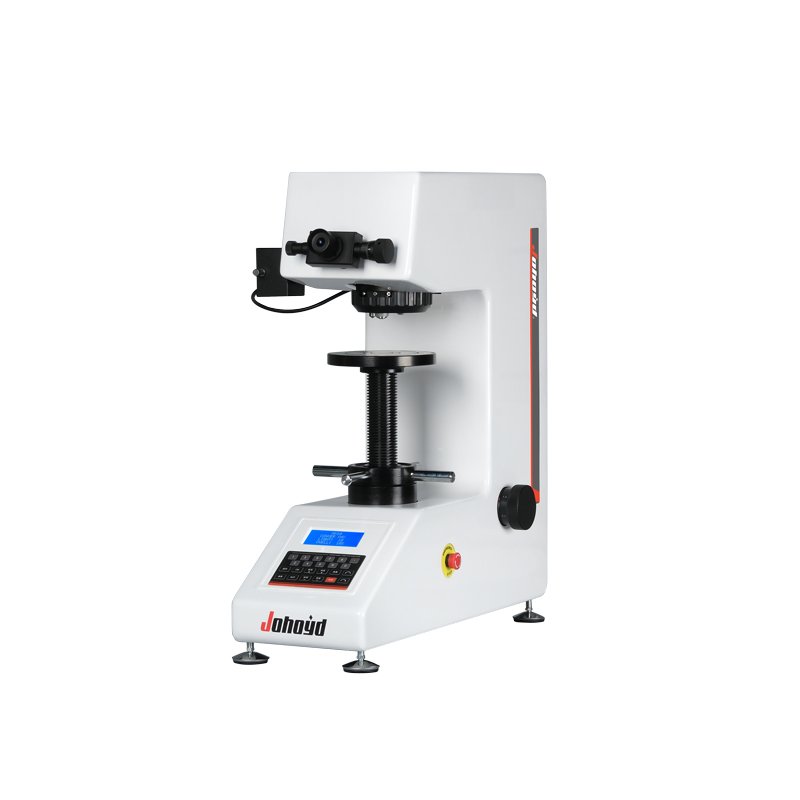
Plan de l'article sur les essais de dureté des matériaux
| Domaine thématique | Couverture détaillée avec des mots-clés LSI |
|---|---|
| Introduction aux essais de dureté des matériaux | material testing basics, hardness measurement |
| What Is Material Hardness Testing | la résistance à la déformation |
| Understanding Hardness in Materials | mechanical properties, surface strength |
| Why Material Hardness Testing Matters | quality, safety, durability |
| Historical Development of Hardness Testing | Brinell, Rockwell, Vickers |
| Fundamental Principles of Hardness Testing | indentation, load application |
| Méthodes courantes d'essai de dureté | Brinell, Rockwell, Vickers, Shore |
| Essai de dureté Brinell | heavy materials, castings |
| Essai de dureté Rockwell | fast industrial testing |
| Essai de dureté Vickers | precision and microhardness |
| Essai de dureté Shore | polymers and elastomers |
| Static vs Dynamic Hardness Testing | comparaison |
| Laboratory Material Hardness Testing | environnements contrôlés |
| Industrial Material Hardness Testing | production and inspection |
| Portable Material Hardness Testing | on-site evaluation |
| Digital and Automatic Hardness Testing | avantages de l'automatisation |
| Hardness Scales and Conversions | HB, HRC, HV |
| Accuracy and Repeatability in Hardness Testing | consistency |
| Calibration and Testing Standards | ASTM, ISO |
| Selecting the Right Hardness Testing Method | choix basé sur l'application |
| Role in Manufacturing Quality Control | vérification du processus |
| Role in Research and Development | material innovation |
| Role in Failure Analysis | root cause identification |
| Advantages of Material Hardness Testing | efficiency, reliability |
| Limitations and Challenges | état de surface |
| Safety Considerations | operator protection |
| Interpreting Hardness Test Results | data analysis |
| Brand Expertise and Testing Solutions | Johoyd material testing |
| Erreurs courantes dans les essais de dureté | prévention des erreurs |
| Future Trends in Material Hardness Testing | tests intelligents |
| FAQ | questions courantes |
| Conclusion | résumé |
Introduction
Essai de dureté des matériaux is one of the most fundamental procedures in material science and engineering. It provides measurable insight into how a material responds when force is applied to its surface. In industries where safety, durability, and consistency are essential, hardness testing offers a reliable way to evaluate material performance.
From raw materials to finished products, hardness testing supports informed decision-making. Without it, manufacturers and engineers would rely heavily on assumptions rather than verified data.
Essai de dureté des matériaux
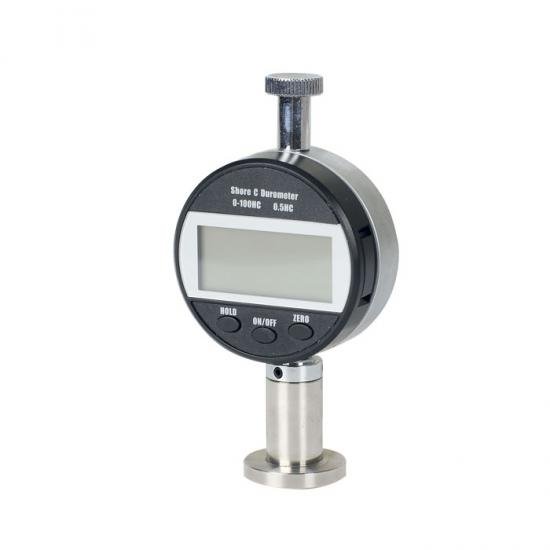
Essai de dureté des matériaux refers to a group of standardized methods used to measure a material’s resistance to localized plastic deformation. This deformation may involve indentation, penetration, or rebound.
Although simple in concept, hardness testing plays a powerful role. A single hardness value can indicate whether a material was processed correctly or whether it may fail prematurely in service.
Understanding Hardness in Materials
Hardness is a surface-related mechanical property. It reflects how well a material resists scratching, indentation, or wear. In metals, hardness often correlates with tensile strength and wear resistance.
For polymers and elastomers, hardness relates more to elasticity and deformation behavior. Material Hardness Testing allows these diverse behaviors to be measured and compared objectively.
Why Material Hardness Testing Matters
Material hardness testing matters because it protects quality and safety. Components that are too soft may wear quickly. Components that are too hard may become brittle and crack.
By applying Material Hardness Testing, industries ensure materials meet design requirements. This testing helps prevent failures, reduce waste, and maintain customer trust.
Historical Development of Hardness Testing
Hardness testing methods developed to meet industrial needs. The Brinell method introduced large-scale indentation for coarse materials. Later, Rockwell testing simplified measurements by using depth instead of diameter.
Vickers testing expanded precision across a wide hardness range. Together, these methods formed the foundation of modern Material Hardness Testing.
Fundamental Principles of Hardness Testing
Most hardness tests rely on indentation. A known load presses an indenter into the material surface. The size or depth of the indentation is then measured.
Harder materials resist deformation, producing smaller indentations. This consistent relationship allows reliable comparison between materials and batches.
Méthodes courantes d'essai de dureté
Several standardized methods are used worldwide. Each serves different materials and applications. Common methods include Brinell, Rockwell, Vickers, and Shore testing.
Selecting the correct method ensures meaningful results.
Essai de dureté Brinell
Brinell Hardness Testing uses a hardened steel or carbide ball with heavy load. It suits castings, forgings, and materials with coarse structures.
Although slower, it provides representative hardness values for bulk materials.
Essai de dureté Rockwell
Rockwell testing measures indentation depth. It delivers fast results and requires minimal surface preparation.
Because of its simplicity, Rockwell Hardness Testing dominates industrial environments.
Essai de dureté Vickers
Vickers testing uses a diamond pyramid indenter. It supports both macro and microhardness testing.
Laboratories prefer Vickers Hardness Testing for precision and versatility.
Essai de dureté Shore
Shore Hardness Testing applies mainly to rubber, plastics, and elastomers. It measures penetration depth rather than indentation size.
This method is widely used in polymer and rubber industries.
Static vs Dynamic Hardness Testing
Static hardness tests apply loads slowly and measure permanent indentation. Dynamic tests measure rebound or impact behavior.
Material Hardness Testing includes both approaches, depending on application requirements.
Laboratory Material Hardness Testing
Laboratory testing emphasizes accuracy and repeatability. Controlled environments reduce external influences.
Laboratory hardness data often serves as reference values for other testing methods.
Industrial Material Hardness Testing
In industrial settings, hardness testing supports production control and inspection. Fast testing methods ensure process stability.
Material Hardness Testing helps detect deviations early and reduce rework.
Portable Material Hardness Testing
Portable testers enable on-site hardness measurement. They eliminate the need to remove or cut samples.
This approach saves time and supports maintenance and inspection tasks.
Digital and Automatic Hardness Testing
Digital and automatic systems reduce operator influence. Automated loading, measurement, and data storage improve consistency.
These systems represent the modern evolution of Material Hardness Testing.
Hardness Scales and Conversions
Different methods use different scales, such as HB, HRC, and HV. Conversion tables allow comparison between scales.
Understanding scale limitations is essential for accurate interpretation.
Accuracy and Repeatability in Hardness Testing
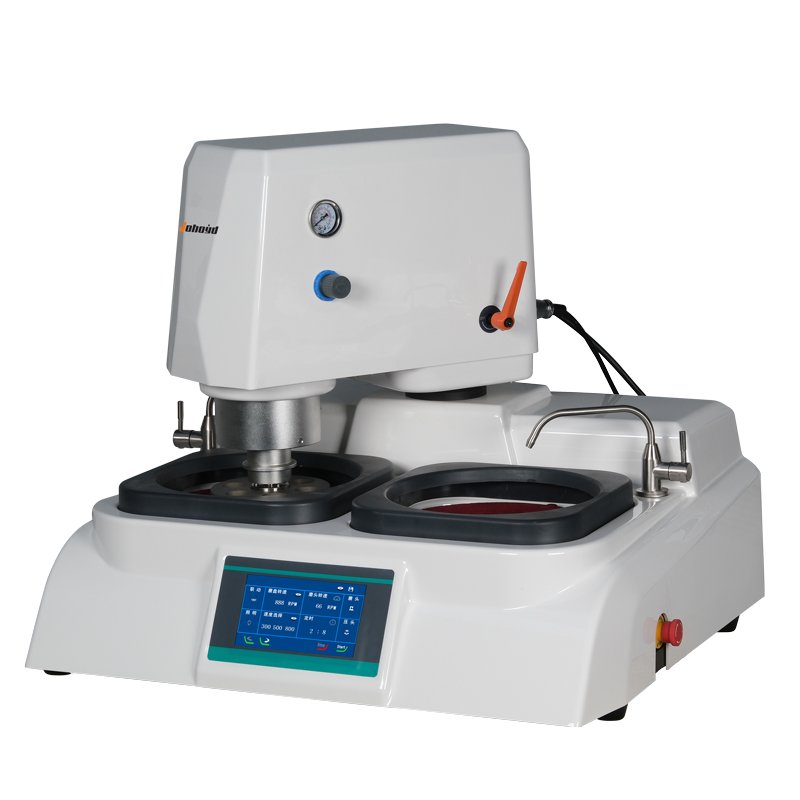
Accuracy ensures results reflect true material behavior. Repeatability ensures consistent results across tests.
Material Hardness Testing relies on proper calibration and standardized procedures to achieve both.
Calibration and Testing Standards
Hardness testing follows international standards such as ASTM and ISO. Calibration ensures traceability and compliance.
Without calibration, hardness results lose credibility.
Selecting the Right Hardness Testing Method
Selection depends on material type, thickness, surface condition, and required accuracy. No single method suits all applications.
Experienced suppliers like Johoyd help customers select appropriate material hardness testing solutions for real-world needs.
Role in Manufacturing Quality Control
Material Hardness Testing verifies heat treatment, welding quality, and machining processes. It supports consistent production.
Quality control teams rely on hardness data for acceptance decisions.
Role in Research and Development
Researchers use hardness testing to study material behavior and processing effects. Hardness data complements other mechanical tests.
This testing supports innovation and material optimization.
Role in Failure Analysis
Hardness testing helps identify failure causes. Unexpected hardness values may indicate improper processing or material defects.
Material Hardness Testing plays a key role in root cause analysis.
Advantages of Material Hardness Testing
Les principaux avantages sont les suivants :
- Fast and cost-effective testing
- Dommages matériels minimes
- Strong correlation with performance
- Broad industry acceptance
These benefits explain its widespread use.
Limitations and Challenges
Surface roughness, sample thickness, and incorrect method selection can affect results. Awareness reduces error risk.
Proper training improves reliability.
Safety Considerations
Operators should follow safety guidelines. Proper handling prevents injury and protects equipment.
Safe practices support consistent testing.
Interpreting Hardness Test Results
Hardness values must be interpreted in context. Comparing across scales requires caution.
Experience ensures meaningful conclusions.
Brand Expertise and Testing Solutions
Reliable testing depends on quality equipment. Brands like Johoyd, par le biais de https://hardnesstests.com, provide dependable Material Hardness Testing solutions that align with global standards.
Their experience supports accuracy, consistency, and long-term performance.
Erreurs courantes dans les essais de dureté
Common mistakes include poor surface preparation and skipped calibration. Awareness helps prevent errors.
Consistency improves with standardized procedures.
Future Trends in Material Hardness Testing
Future trends include smart sensors, AI-assisted analysis, and integrated data systems. These developments enhance efficiency and insight.
Material Hardness Testing continues to evolve with industry demands.
Questions fréquemment posées
What is Material Hardness Testing used for?
It measures resistance to deformation and supports quality control.
Les essais de dureté sont-ils destructifs ?
Most methods are minimally destructive.
Which hardness method is most common?
Rockwell testing is widely used in industry.
Can hardness testing predict material strength?
It often correlates with strength but does not replace tensile testing.
Why is calibration important?
It ensures accuracy and compliance.
Can one method test all materials?
Different materials require different methods.
Conclusion
Essai de dureté des matériaux remains one of the most valuable tools in material evaluation. It provides fast, reliable insight into material behavior and supports quality, safety, and innovation. While simple in concept, its impact across industries is profound.
With experienced manufacturers like Johoyd offering advanced solutions through hardnesstests.com, industries gain confidence in their testing processes. As technology advances, material hardness testing will continue to guide reliable and informed material decisions.
Liens internes suggérés
- Hardness Testing Methods Explained
- Mechanical Properties of Materials
Liens sortants suggérés
- Normes d'essai de dureté ASTM
- ISO Guidelines for Material Testing