

- Appareil d'essai de dureté Micro Vickers
- Appareil d'essai de dureté Vickers
- Capteur de dureté Vickers
- Appareil d'essai de dureté Rockwell
- Appareil d'essai de dureté Brinell
- Appareil de dureté Leeb
- Appareil de mesure de la dureté Shore
- Testeur de dureté Webster
- Appareil de mesure de la dureté Barcol
- Barre d'essai de dureté



Industrial Hardness Tester: Principles, Types, Applications, and Importance in Manufacturing

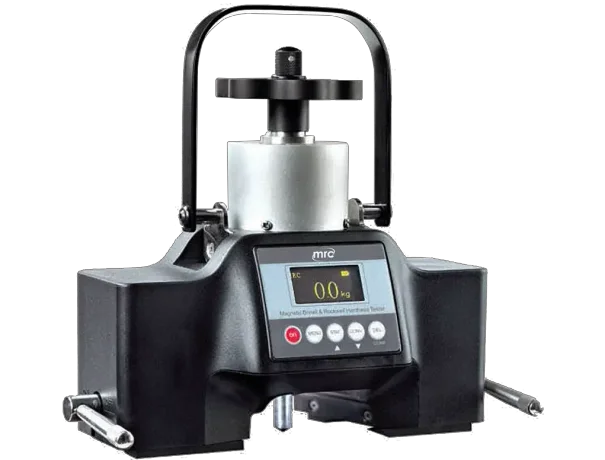
Introduction
Un industrial hardness tester is a specialized instrument used to measure the hardness of materials, particularly metals and alloys, in industrial environments. Hardness is an important mechanical property that indicates a material’s resistance to indentation, deformation, abrasion, or scratching. In manufacturing and quality control processes, hardness testing helps determine whether a material meets required engineering specifications and performance standards.
Industrial hardness testers are widely used in sectors such as automotive manufacturing 🚗, aerospace ✈️, metallurgy 🏭, construction 🏗️, heavy machinery production, and research laboratories. These devices allow engineers and technicians to evaluate material strength, ensure product durability, and verify the effectiveness of processes such as heat treatment, surface hardening, and alloy production.
Understanding Material Hardness 🧱
Hardness refers to a material’s ability to resist permanent deformation when subjected to an external force. In industrial settings, hardness testing typically involves pressing a specific indenter into the material surface under a controlled load and measuring the resulting indentation.
The hardness value is determined by:
- Le depth of indentation
- Le size of indentation
- Le applied test force
Because hardness often correlates with other mechanical properties such as résistance à la traction et à l'usure, hardness testing is frequently used as a quick and efficient quality control method.
Major Types of Industrial Hardness Testers 🔍
Different testing methods are used depending on the type of material, testing environment, and required accuracy.
Testeur de dureté Rockwell
Le Appareil d'essai de dureté Rockwell is one of the most commonly used industrial hardness testing machines.
Working Principle
The test measures hardness by determining the depth of penetration of an indenter under two loads:
- Minor load (initial reference load)
- Major load (test load)
The difference in penetration depth is converted into a hardness value.
Caractéristiques
- Direct digital or dial hardness readings
- Fast testing procedure
- Minimal sample preparation required
Échelles communes
- HRC – used for hardened steel
- HRB – used for softer metals such as brass or aluminum
Industrial Uses
- Tool manufacturing
- Automotive components
- Steel production
Testeur de dureté Brinell
Le Appareil d'essai de dureté Brinell is widely used for testing large metal components and rough materials.
Working Principle
A hardened steel or tungsten carbide ball indenter is pressed into the surface under a heavy load. The diameter of the indentation is measured using an optical system.
Avantages
- Suitable for coarse or uneven materials
- Good for testing large castings and forgings
Industrial Applications
- Fonderies
- Heavy machinery manufacturing
- Structural steel testing

Vickers Hardness Tester
Le Appareil d'essai de dureté Vickers is known for its precision and versatility.
Working Principle
A diamond pyramid indenter is pressed into the material under a specific load. The diagonals of the indentation are measured using a microscope.
Benefits
- Suitable for both hard and soft materials
- High accuracy for thin materials and coatings
- Wide load range
Applications
- Metallurgical research
- Microstructure analysis
- Coating thickness evaluation
Knoop Hardness Tester
Le Knoop hardness tester is a microhardness testing method used for very delicate materials.
Characteristics
- Uses an elongated diamond indenter
- Produces shallow indentations
- Idéal pour thin layers or brittle materials
Applications
- Electronic components
- Ceramic coatings
- Thin metal surfaces
Components of an Industrial Hardness Tester ⚙️
Industrial hardness testing machines include several important components that ensure accurate and repeatable measurements.
Indentateur
The indenter is the tool that presses into the material surface. It may be made of diamond, hardened steel, or tungsten carbide depending on the testing method.
Load Application System
This mechanism applies a controlled force to the indenter. The applied load varies depending on the hardness testing method.
Specimen Support (Anvil)
The anvil supports the sample during testing and keeps it stable.
Measurement System
Hardness values are determined by measuring indentation depth or size using:
- Optical microscopes
- Dial gauges
- Digital sensors
Control System
Modern testers include automated control panels, digital displays, and computer interfaces for improved accuracy and data management.
Types of Industrial Hardness Testing Equipment 🏭
Industrial hardness testers come in different configurations depending on their application.
Bench-Top Hardness Tester
These machines are commonly used in laboratories and quality control departments. They provide high precision and consistent results.
Testeur de dureté portable
Portable testers allow technicians to measure hardness directly on large or fixed components such as pipelines, heavy machinery, or structural parts.
Testeur de dureté automatique
Fully automated systems are often integrated into production lines for continuous quality monitoring.
Microhardness Tester
Used for extremely small samples or microstructures. These machines operate under very low loads and high magnification.
Applications of Industrial Hardness Testers 🏗️
Industrial hardness testers are used across numerous industries for quality control and material verification.
Industrie automobile
Hardness testing ensures durability and reliability of engine parts, gears, shafts, and bearings.
Industrie aérospatiale
Aircraft components must meet strict material standards. Hardness testing helps verify the properties of alliages haute performance.
Steel and Metal Production
Manufacturers test raw materials and finished products to confirm proper heat treatment and alloy composition.
Construction Industry
Structural materials such as steel beams and reinforced metal components must meet hardness specifications for safety and durability.
Tool Manufacturing
Cutting tools, molds, and dies require precise hardness levels to maintain wear resistance and performance.
Advantages of Industrial Hardness Testing ✅
Hardness testing offers several advantages compared to other mechanical testing methods:
- Fast and efficient testing process
- Relatively simple procedure
- Minimal damage to samples
- Suitable for both laboratory and field testing
- Reliable indicator of material strength
These advantages make hardness testing an essential part of industrial quality assurance systems.
Factors Affecting Hardness Test Accuracy ⚠️
To obtain reliable results, several factors must be controlled during testing.
Surface Preparation
A smooth and clean surface ensures accurate indentation measurements.
Proper Test Load
Incorrect load selection may lead to misleading hardness values.
Indenter Condition
Worn or damaged indenters can produce inaccurate results.
Sample Thickness
Materials that are too thin may bend or deform during testing.
Machine Calibration
Regular calibration is necessary to maintain measurement accuracy.
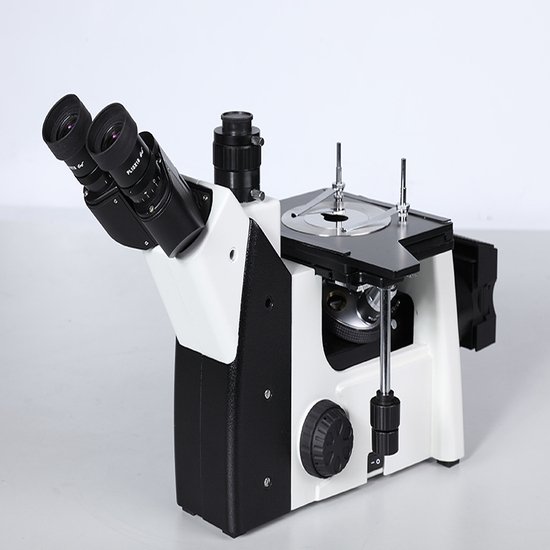
Modern Innovations in Industrial Hardness Testing 💻
Technological advancements have improved hardness testing equipment significantly.
Digital Hardness Testers
These systems provide automatic measurement and digital result display.
Computerized Testing Systems
Advanced machines can store and analyze data, generate reports, and integrate with quality management systems.
Automated Optical Measurement
High-resolution cameras and image processing software measure indentation sizes with exceptional precision.
Ultrasonic Portable Testers
These devices use ultrasonic contact impedance technology to measure hardness without large loads.
Maintenance and Calibration 🔧
To ensure reliable performance, industrial hardness testers must undergo regular maintenance.
Recommended practices include:
- Periodic calibration using certified hardness test blocks
- Cleaning and inspection of the indenter
- Checking load mechanisms
- Routine equipment servicing
Compliance with international testing standards such as ASTM and ISO is essential for industrial applications.
Conclusion 🎯
Industrial hardness testers play a crucial role in materials engineering, manufacturing, and quality assurance. By accurately measuring a material’s resistance to deformation, these instruments help ensure that industrial products meet required performance and safety standards.
Different testing methods—including Rockwell, Brinell, Vickers, and Knoop—allow industries to evaluate materials ranging from soft metals to extremely hard alloys. With the introduction of digital technology, automation, and advanced measurement systems, modern hardness testers offer improved accuracy, efficiency, and data management.
As industries continue to demand high-performance materials and reliable quality control, industrial hardness testing will remain an indispensable tool in modern manufacturing and materials science. ⚙️🔬