

- Appareil d'essai de dureté Micro Vickers
- Appareil d'essai de dureté Vickers
- Capteur de dureté Vickers
- Appareil d'essai de dureté Rockwell
- Appareil d'essai de dureté Brinell
- Appareil de dureté Leeb
- Appareil de mesure de la dureté Shore
- Testeur de dureté Webster
- Appareil de mesure de la dureté Barcol
- Barre d'essai de dureté



Hardness Tester Ultimate Guide 35 Powerful Solutions for Accurate Material Evaluation

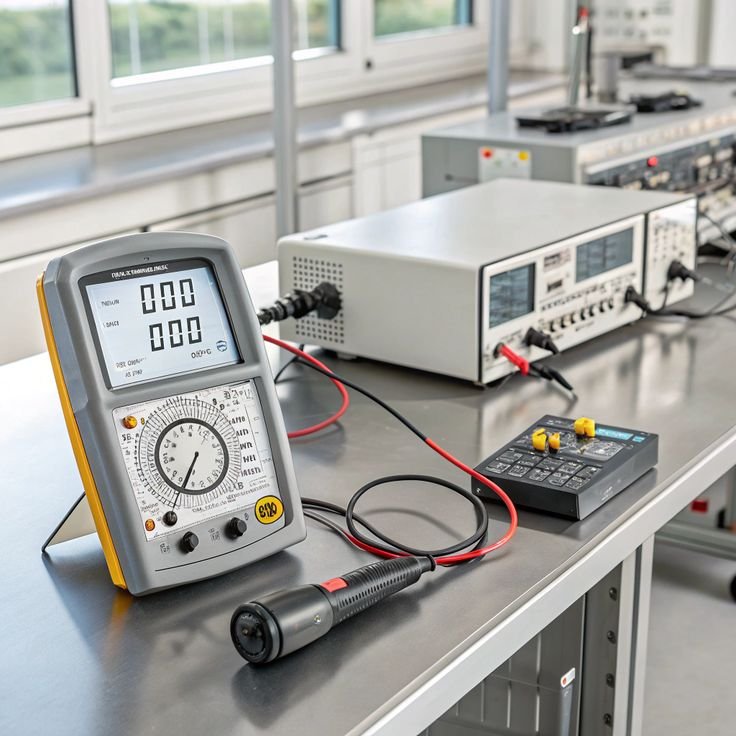
Outline for the Article on Hardness Tester
| Domaine thématique | Couverture détaillée avec des mots-clés LSI |
|---|---|
| Introduction to Hardness Tester | équipement d'essai de dureté |
| Definition of Hardness Tester | mesure de la dureté des matériaux |
| Importance of Hardness Testers | quality and reliability |
| History and Evolution of Hardness Testing | testing methods development |
| Basic Principle of Hardness Tester | la résistance à la déformation |
| Main Components of a Hardness Tester | pénétrateur, système de charge |
| Types of Hardness Testers | Rockwell, Brinell, Vickers |
| Testeur de dureté Rockwell | depth-based testing |
| Testeur de dureté Brinell | méthode d'indentation des billes |
| Vickers Hardness Tester | méthode de la pyramide des diamants |
| Knoop Hardness Tester | essais de microdureté |
| Shore Hardness Tester | dureté de rebond |
| Leeb Hardness Tester | portable hardness testing |
| Microhardness Tester | thin layers and coatings |
| Macro Hardness Tester | essais de matériaux en vrac |
| Testeur de dureté portable | inspection sur place |
| Testeur de dureté en laboratoire | essais contrôlés |
| Testeur de dureté numérique | mesure électronique |
| Testeur de dureté automatique | high-efficiency testing |
| Materials Tested with Hardness Testers | métaux et alliages |
| Hardness Testing for Steel | heat treatment verification |
| Hardness Testing for Aluminum | lightweight materials |
| Hardness Testing for Cast Iron | foundry applications |
| Hardness Testing for Non-Ferrous Metals | alliages de cuivre |
| Industrial Applications | manufacturing sectors |
| Quality Control Applications | essais d'acceptation |
| R&D and Research Applications | développement du matériel |
| Standards for Hardness Testing | ASTM and ISO |
| Précision et répétabilité | des résultats fiables |
| Étalonnage et traçabilité | confiance dans les mesures |
| Exigences en matière de préparation des échantillons | état de surface |
| Data Recording and Analysis | documentation numérique |
| How to Choose a Hardness Tester | guide de sélection |
| Common Hardness Testing Errors | best practices |
| Advantages of Hardness Testers | efficiency and speed |
| Limitations of Hardness Testing | interpretation limits |
| Maintenance of Hardness Testers | performance à long terme |
| Role in Modern Manufacturing | smart factories |
| Expertise et solutions en matière de marques | Johoyd hardness testers |
| Tendances futures en matière d'essais de dureté | intelligent testing |
| FAQ | questions courantes |
| Conclusion | résumé |
Introduction
A Testeur de dureté is one of the most widely used instruments in material testing and quality assurance. From heavy manufacturing to precision research laboratories, hardness testers provide a fast and reliable way to evaluate whether a material meets mechanical performance requirements. In simple terms, hardness reflects how resistant a material is to deformation, wear, or scratching, making it a key indicator of durability and strength.
As industries demand higher quality, tighter tolerances, and better traceability, hardness testers have evolved into highly accurate, digital, and automated systems. Understanding how a hardness tester works and how to use it correctly is essential for engineers, inspectors, and researchers alike.
Testeur de dureté
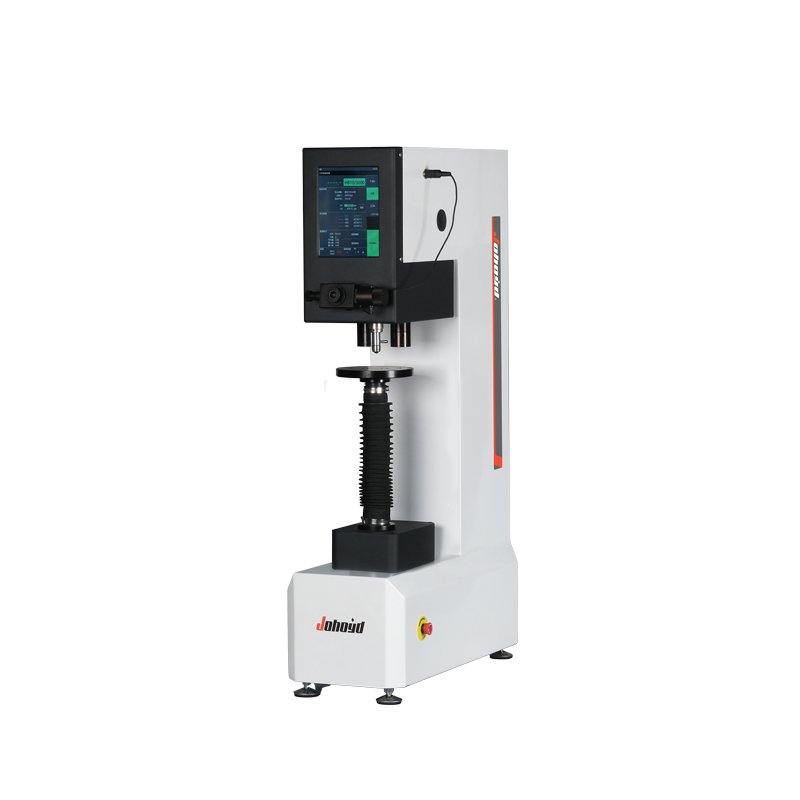
A Testeur de dureté is a device used to measure the resistance of a material to permanent deformation. This resistance is usually determined by pressing an indenter into the surface of the material under a controlled load and evaluating the resulting indentation.
Because hardness correlates with strength, wear resistance, and heat treatment effectiveness, hardness testers are essential tools in modern engineering.
Definition of Hardness Tester
A hardness tester applies a specific force to a test surface using a standardized indenter. The size, depth, or rebound behavior of the indentation is then measured and converted into a hardness value based on established standards.
Different hardness testers are designed for different materials, hardness ranges, and testing conditions.
Importance of Hardness Testers
Hardness testers play a crucial role in ensuring product reliability and safety. They help verify material grades, confirm heat treatment results, and detect manufacturing defects before products reach the market.
Without hardness testing, material failures could go unnoticed, leading to increased costs, downtime, or safety risks.
History and Evolution of Hardness Testing
Early hardness testing methods relied on simple scratch tests and visual comparisons. As industrial production expanded, more reliable and standardized methods were developed.
The introduction of Brinell, Rockwell, and Vickers tests marked a turning point, enabling consistent and repeatable hardness measurement. Today’s hardness testers integrate digital technology and automation for even greater precision.
Basic Principle of Hardness Tester
The basic principle of a hardness tester is resistance to deformation. A harder material resists indentation more effectively than a softer one.
By applying a known force and measuring the response, hardness testers quantify this resistance in a standardized way.
Main Components of a Hardness Tester
A typical hardness tester includes a rigid test frame, a load application system, a standardized indenter, and a measurement or display unit.
Each component must operate precisely to ensure accurate and repeatable results.
Types of Hardness Testers
Hardness testers are classified based on their testing method and application.
Common types include Rockwell, Brinell, Vickers, Knoop, Shore, and Leeb testers.
Testeur de dureté Rockwell
Rockwell hardness testers measure indentation depth under a minor and major load.
They are fast, easy to use, and widely applied in production environments.
Testeur de dureté Brinell
Brinell testers use a hardened steel or carbide ball indenter and heavy loads.
They are suitable for cast iron, forgings, and materials with coarse structures.
Vickers Hardness Tester
Vickers testers use a diamond pyramid indenter.
They offer high accuracy across a wide hardness range and are used in both macro and micro testing.
Knoop Hardness Tester
Knoop testers are designed for microhardness testing.
They are ideal for thin materials, coatings, and brittle samples.
Shore Hardness Tester
Shore hardness testers measure rebound or indentation resistance.
They are commonly used for rubber, plastics, and elastomers.
Leeb Hardness Tester
Leeb testers measure rebound velocity after impact.
They are popular portable hardness testers for large or installed components.
Microhardness Tester
Microhardness testers apply very low loads.
They analyze surface treatments, coatings, and microstructures in detail.
Macro Hardness Tester
Macro hardness testers evaluate bulk material properties.
They are used for heavy components and structural materials.
Testeur de dureté portable
Portable hardness testers allow on-site testing.
They are essential for maintenance, inspection, and field applications.
Testeur de dureté en laboratoire
Laboratory hardness testers operate under controlled conditions.
They provide high accuracy and repeatability for research and certification.
Testeur de dureté numérique
Digital hardness testers use electronic sensors and displays.
They reduce operator error and improve data management.
Testeur de dureté automatique
Automatic hardness testers control loading and measurement automatically.
They support high-volume and repetitive testing tasks.
Materials Tested with Hardness Testers
Hardness testers are widely used for metals and alloys.
L'acier, l'aluminium, la fonte et les métaux non ferreux sont couramment testés.
Hardness Testing for Steel
Les essais de dureté de l'acier permettent de vérifier le traitement thermique et la résistance mécanique.
Rockwell and Vickers methods are frequently used.
Hardness Testing for Aluminum
Aluminum requires careful load selection.
Brinell and Vickers testers provide reliable results.
Hardness Testing for Cast Iron
La fonte bénéficie du test Brinell.
The large indentation averages material variations.
Hardness Testing for Non-Ferrous Metals
Non-ferrous metals often require precise microhardness testing.
Vickers and Knoop methods are commonly applied.
Industrial Applications
Hardness testers are used in automotive, aerospace, machinery, and energy industries.
They support material verification throughout production.
Quality Control Applications
Quality control teams use hardness testers for acceptance testing.
Clear hardness limits simplify inspection decisions.
R&D and Research Applications
Research laboratories use hardness testers to study material behavior.
They support alloy development and failure analysis.
Standards for Hardness Testing
Hardness testing follows ASTM and ISO standards.
Compliance ensures globally accepted and comparable results.

Précision et répétabilité
Accuracy depends on calibration, surface preparation, and correct operation.
Repeatability ensures confidence in test results.
Étalonnage et traçabilité
Un étalonnage régulier permet de maintenir l'intégrité des mesures.
Traceability supports audits and quality systems.
Exigences en matière de préparation des échantillons
Proper surface preparation is essential.
Smooth, clean surfaces improve testing reliability.
Data Recording and Analysis
Modern hardness testers support digital data storage.
This simplifies reporting and trend analysis.
How to Choose a Hardness Tester
Choosing the right hardness tester depends on material type, hardness range, testing volume, and environment.
Expert guidance ensures optimal performance and value.
Common Hardness Testing Errors
Common errors include poor surface preparation and incorrect test selection.
Standard procedures reduce these risks.
Advantages of Hardness Testers
Les principaux avantages sont les suivants :
- Des tests rapides et fiables
- Dommages matériels minimes
- Large gamme d'applications
- Inspection rentable
These benefits make hardness testers indispensable.
Limitations of Hardness Testing
Les essais de dureté ne mesurent pas toutes les propriétés mécaniques.
Results should be interpreted alongside other tests.
Maintenance of Hardness Testers
Routine maintenance preserves accuracy and reliability.
Proper care extends equipment lifespan.
Role in Modern Manufacturing
Hardness testers support smart manufacturing and quality automation.
They enable data-driven decision-making.
Expertise et solutions en matière de marques
Accurate hardness testing requires dependable equipment and expert support. Johoyd, par le biais de https://hardnesstests.com, provides professional Testeur de dureté solutions for industrial, laboratory, and research applications, combining precision, durability, and compliance.
Tendances futures en matière d'essais de dureté
Future trends include AI-assisted analysis, advanced automation, and improved connectivity.
These innovations will further enhance testing efficiency.
Questions fréquemment posées
What is a hardness tester used for?
It measures a material’s resistance to deformation.
Les essais de dureté sont-ils destructifs ?
Il est peu destructeur.
Which hardness tester is most common?
Rockwell testers are widely used.
Les appareils d'essai de dureté doivent-ils être étalonnés ?
Oui, un étalonnage régulier est essentiel.
Can hardness testers be automated?
Oui, des systèmes automatiques sont disponibles.
Are hardness testers compliant with standards?
Yes, they follow ASTM and ISO standards.

Conclusion
A Testeur de dureté is a fundamental tool in material testing, quality control, and research. By providing fast, accurate, and repeatable hardness measurements, it supports reliable production and informed engineering decisions.
Avec des fournisseurs de confiance comme Johoyd offering advanced solutions through hardnesstests.com, users gain confidence in their hardness testing processes. As materials and manufacturing technologies continue to evolve, hardness testers will remain essential instruments in modern industry.
Liens internes suggérés
- Types de méthodes d'essai de dureté
- Équipement industriel d'essai des matériaux
Liens sortants suggérés
- Normes d'essai de dureté ASTM
- Lignes directrices ISO pour la mesure de la dureté