

- Appareil d'essai de dureté Micro Vickers
- Appareil d'essai de dureté Vickers
- Capteur de dureté Vickers
- Appareil d'essai de dureté Rockwell
- Appareil d'essai de dureté Brinell
- Appareil de dureté Leeb
- Appareil de mesure de la dureté Shore
- Testeur de dureté Webster
- Appareil de mesure de la dureté Barcol
- Barre d'essai de dureté



Digital Hardness Tester Advantages Powerful 29 Reasons Why Smart Testing Improves Accuracy

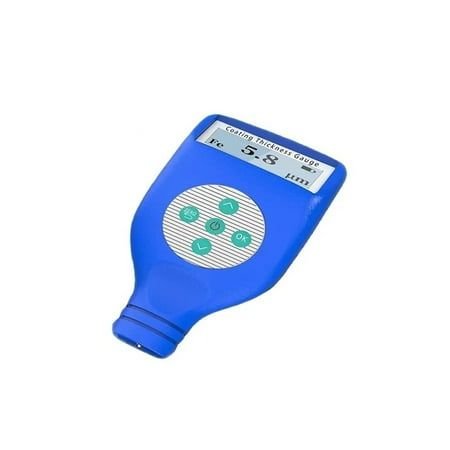
Outline for the Article on Digital Hardness Tester Advantages
| Domaine thématique | Couverture détaillée avec des mots-clés LSI |
|---|---|
| Introduction to Digital Hardness Tester Advantages | essai de dureté numérique |
| Qu'est-ce qu'un duromètre numérique ? | electronic hardness tester |
| Evolution des duromètres analogiques vers les duromètres numériques | technologie d'essai |
| Why Digital Hardness Testers Are Gaining Popularity | modern testing |
| Core Advantages of Digital Hardness Testers | précision et efficacité |
| Accuracy Improvement with Digital Measurement | precise hardness values |
| Repeatability and Consistency Benefits | reliable testing |
| Reduction of Operator Error | automated reading |
| Faster Testing and Higher Productivity | testing speed |
| Real-Time Data Display | digital interface |
| Automatic Hardness Value Calculation | tests intelligents |
| Multi-Scale Hardness Testing Capability | Rockwell, Vickers |
| Digital Load Control Advantages | stable loading |
| Data Storage and Traceability | quality records |
| Connectivity and Software Integration | USB, SPC |
| Digital Hardness Testers for Quality Control | inspection use |
| Digital Hardness Testers in Manufacturing | essais de production |
| Digital Hardness Testers for Laboratories | research accuracy |
| Portable Digital Hardness Tester Advantages | essais sur place |
| Appareils d'essai de dureté numériques automatiques | essais en grand volume |
| Digital vs Manual Hardness Testers | comparaison |
| Digital Hardness Testers and Industry Standards | ASTM, ISO |
| Calibration Benefits of Digital Systems | easier calibration |
| Maintenance Advantages | lower downtime |
| Training and Ease of Use | operator friendly |
| Cost Efficiency Over Time | long-term ROI |
| Digital Hardness Testers for Steel Testing | metal applications |
| Digital Hardness Testers for Non-Metal Materials | plastics |
| Limites des duromètres numériques | realistic view |
| How to Maximize Digital Hardness Tester Benefits | best practices |
| Choosing the Right Digital Hardness Tester | guide de sélection |
| Solutions d'essai de dureté numérique Johoyd | expertise de la marque |
| Tendances futures des essais de dureté numériques | l'automatisation |
| FAQ | questions courantes |
| Conclusion | résumé |
Introduction
Understanding digital hardness tester advantages is essential for manufacturers, laboratories, and quality control professionals seeking accurate and efficient material testing. Traditional analog hardness testers have served the industry for decades, but digital technology has transformed how hardness measurements are performed, recorded, and analyzed.
Digital hardness testers combine precision mechanics with electronic sensing and intelligent software, offering clear benefits in accuracy, repeatability, speed, and data management. This article explores the key advantages of digital hardness testers and explains why they are becoming the preferred choice across industries.
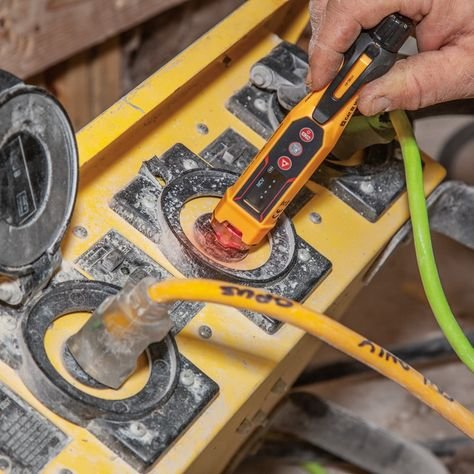
Digital Hardness Tester Advantages
Le digital hardness tester advantages extend beyond simple digital readouts. They influence the entire testing workflow, from measurement accuracy to long-term quality assurance.
Qu'est-ce qu'un duromètre numérique ?
A digital hardness tester is a hardness testing machine that uses electronic sensors and digital displays to measure and present hardness values automatically.
Digital systems replace subjective readings.
Evolution des duromètres analogiques vers les duromètres numériques
Analog testers rely on dials and visual interpretation. Digital testers eliminate manual reading by converting force and indentation depth into electronic signals.
La technologie améliore la fiabilité.
Why Digital Hardness Testers Are Gaining Popularity
Digital hardness testers meet modern demands for speed, traceability, and compliance.
Industry expectations are rising.
Core Advantages of Digital Hardness Testers
Key advantages include accuracy, consistency, automation, and data integration.
These benefits support quality.
Accuracy Improvement with Digital Measurement
Digital sensors provide precise force control and indentation measurement, reducing variability.
Accuracy builds confidence.
Repeatability and Consistency Benefits
Digital systems apply consistent loads and timing, ensuring repeatable results across operators.
Consistency improves comparability.
Reduction of Operator Error
Automatic reading eliminates subjective interpretation and reduces training dependency.
Human error is minimized.
Faster Testing and Higher Productivity
Digital hardness testers shorten test cycles and streamline workflows.
Speed increases output.
Real-Time Data Display
Digital displays provide instant hardness values, reducing waiting time.
Immediate feedback supports decisions.
Automatic Hardness Value Calculation
Digital testers automatically calculate hardness values and conversions.
Automation simplifies testing.
Multi-Scale Hardness Testing Capability
Many digital hardness testers support multiple hardness scales in one machine.
Flexibility increases usefulness.
Digital Load Control Advantages
Electronic load control ensures stable, precise force application.
Load accuracy improves results.
Data Storage and Traceability
Digital hardness testers store test results for audits and analysis.
Traceability supports compliance.
Connectivity and Software Integration
Modern testers connect to SPC systems, printers, and databases.
Connectivity enhances quality management.
Digital Hardness Testers for Quality Control
In quality control, digital testers ensure consistent inspection and documentation.
Reliable inspection prevents defects.
Digital Hardness Testers in Manufacturing
Manufacturing environments benefit from fast, repeatable digital testing.
Efficiency supports production flow.

Digital Hardness Testers for Laboratories
Laboratories value precision, repeatability, and data analysis.
Digital tools support research accuracy.
Portable Digital Hardness Tester Advantages
Portable digital testers allow accurate on-site testing of large components.
Mobility expands application range.
Appareils d'essai de dureté numériques automatiques
Automatic digital testers handle high testing volumes with minimal operator input.
Automation ensures uniformity.
Digital vs Manual Hardness Testers
Digital testers outperform manual models in accuracy, speed, and traceability.
Technology adds value.
Digital Hardness Testers and Industry Standards
Digital hardness testers comply with ASTM and ISO standards more easily.
La conformité garantit l'acceptation.
Calibration Benefits of Digital Systems
Digital calibration procedures are simpler and more precise.
Calibration confidence increases.
Maintenance Advantages
Digital systems reduce mechanical wear and simplify maintenance.
Lower downtime improves productivity.
Training and Ease of Use
User-friendly interfaces shorten training time.
Ease of use improves adoption.
Cost Efficiency Over Time
Although initial cost may be higher, digital testers reduce long-term operational costs.
ROI improves steadily.
Digital Hardness Testers for Steel Testing
Steel testing benefits from digital accuracy and scale flexibility.
Steel applications demand precision.
Digital Hardness Testers for Non-Metal Materials
Digital testers adapt well to plastics, polymers, and composites.
Versatility expands usage.
Limites des duromètres numériques
Digital systems require stable power and proper maintenance.
Understanding limits ensures proper use.
How to Maximize Digital Hardness Tester Benefits
Proper calibration, training, and data management maximize advantages.
Best practices ensure value.
Choosing the Right Digital Hardness Tester
Selection should consider material type, testing volume, environment, and standards.
Correct choice defines success.
Solutions d'essai de dureté numérique Johoyd
Understanding digital hardness tester advantages helps organizations modernize their testing processes. Johoyd, par le biais de https://hardnesstests.com, offers advanced digital hardness testers, portable models, and automatic systems designed to deliver superior accuracy, repeatability, and data integration for manufacturing, quality control, and laboratory applications.
Tendances futures des essais de dureté numériques
Future developments include AI-assisted analysis, inline digital testing, and smart factory integration.
Innovation continues.

Questions fréquemment posées
Are digital hardness testers more accurate than analog ones?
Yes, digital measurement reduces human error.
Do digital testers require special training?
Minimal training is usually required.
Can digital testers store test data?
Yes, most models include data storage.
Are digital hardness testers suitable for production lines?
Yes, especially automatic models.
Do digital testers comply with standards?
Most comply with ASTM and ISO standards.
Is a digital hardness tester worth the cost?
Long-term efficiency and accuracy justify the investment.
Conclusion
Le digital hardness tester advantages clearly demonstrate why digital systems are replacing traditional analog testers across industries. Improved accuracy, repeatability, speed, and data management make digital hardness testers a powerful tool for modern material testing.
With reliable digital hardness testing solutions from Johoyd disponible à l'adresse suivante hardnesstests.com, organizations can upgrade their testing capabilities with confidence. Embracing digital hardness testing ensures consistent quality, improved efficiency, and long-term value.
Liens internes suggérés
- Testeur de dureté numérique
- Hardness Tester Buyer’s Guide
Liens sortants suggérés
- Normes d'essai de dureté ASTM
- Lignes directrices ISO pour la mesure de la dureté