

- Appareil d'essai de dureté Micro Vickers
- Appareil d'essai de dureté Vickers
- Capteur de dureté Vickers
- Appareil d'essai de dureté Rockwell
- Appareil d'essai de dureté Brinell
- Appareil de dureté Leeb
- Appareil de mesure de la dureté Shore
- Testeur de dureté Webster
- Appareil de mesure de la dureté Barcol
- Barre d'essai de dureté



Alloy Hardness Measurement Complete Guide Essential Methods for Reliable Material Evaluation


Outline for the Article on Alloy Hardness Measurement
| Domaine thématique | Couverture détaillée avec des mots-clés LSI |
|---|---|
| Introduction to Alloy Hardness Measurement | alloy hardness testing |
| Definition of Alloy Hardness Measurement | hardness evaluation |
| Importance of Hardness Measurement for Alloys | material performance |
| Relationship Between Alloy Composition and Hardness | alloying elements |
| Basic Principles of Alloy Hardness Measurement | deformation resistance |
| Common Hardness Scales for Alloys | Rockwell, Brinell, Vickers |
| Rockwell Hardness Measurement for Alloys | depth-based testing |
| Brinell Hardness Measurement for Alloys | large indentation |
| Vickers Hardness Measurement for Alloys | universal method |
| Microhardness Measurement for Alloys | analyse de la microstructure |
| Macro Hardness Measurement for Alloys | bulk properties |
| Non-Destructive Alloy Hardness Measurement | in-service testing |
| Portable Alloy Hardness Testers | field inspection |
| Digital Alloy Hardness Measurement Systems | electronic data |
| Automatic Alloy Hardness Testing Systems | high efficiency |
| Sample Preparation for Alloy Hardness Measurement | état de surface |
| Influence of Surface Finish on Hardness Results | accuracy factors |
| Calibration and Standardization | traçabilité |
| International Standards for Alloy Hardness Measurement | ASTM, ISO |
| Hardness Measurement for Steel Alloys | carbon and alloy steels |
| Hardness Measurement for Aluminum Alloys | lightweight materials |
| Hardness Measurement for Copper Alloys | conductivity materials |
| Hardness Measurement for Titanium Alloys | aerospace materials |
| Hardness Measurement for Nickel Alloys | high-temperature alloys |
| Hardness Measurement After Heat Treatment | vérification du processus |
| Alloy Hardness Measurement in Manufacturing | contrôle des processus |
| Alloy Hardness Measurement in Quality Control | essais d'acceptation |
| Alloy Hardness Measurement in Research and Development | material design |
| Accuracy and Repeatability Considerations | fiabilité des mesures |
| Common Errors in Alloy Hardness Measurement | testing mistakes |
| Selecting the Right Hardness Tester for Alloys | guide de sélection |
| Data Recording and Analysis | quality documentation |
| Integration with Production Line Testing | inline inspection |
| Safety Considerations | operator protection |
| Expertise et solutions en matière de marques | Johoyd alloy hardness measurement |
| Future Trends in Alloy Hardness Measurement | tests intelligents |
| FAQ | questions courantes |
| Conclusion | résumé |
Introduction
Alloy hardness measurement is a fundamental process in materials engineering used to evaluate the resistance of alloy materials to deformation, indentation, or wear. Because alloys are engineered combinations of multiple elements, their hardness varies significantly depending on composition, processing, and heat treatment.
Accurate alloy hardness measurement supports product quality, performance, and safety across manufacturing, quality control, and research applications.

Alloy Hardness Measurement
Alloy hardness measurement refers to standardized testing methods used to determine how resistant an alloy is to surface or bulk deformation. Hardness values often correlate with strength, wear resistance, and durability.
This makes hardness testing a critical material property evaluation.
Definition of Alloy Hardness Measurement
Alloy hardness measurement is the process of determining the resistance of an alloy material to localized plastic deformation using controlled force and standardized test methods.
It provides quantifiable material data.
Importance of Hardness Measurement for Alloys
Hardness measurement helps ensure alloys meet design and performance requirements. Incorrect hardness may indicate improper composition or heat treatment.
Accurate measurement prevents failures.
Relationship Between Alloy Composition and Hardness
Alloying elements such as carbon, chromium, nickel, and aluminum directly influence hardness. Microstructure changes caused by alloying alter deformation behavior.
Composition defines performance.
Basic Principles of Alloy Hardness Measurement
Most hardness tests apply a defined load through an indenter and measure the resulting deformation. Harder alloys resist indentation more effectively.
Measurement principles are standardized.
Common Hardness Scales for Alloys
Alloy hardness is commonly measured using Rockwell, Brinell, and Vickers scales. Each scale suits different hardness ranges and applications.
Correct scale selection matters.
Rockwell Hardness Measurement for Alloys
Rockwell testing measures indentation depth under load. It is fast and widely used for steel and alloy components.
Efficiency makes it popular.
Brinell Hardness Measurement for Alloys
Brinell testing uses a large ball indenter and is ideal for coarse-grained alloys and cast materials.
It evaluates bulk hardness.
Vickers Hardness Measurement for Alloys
Vickers testing uses a diamond pyramid indenter and is suitable for a wide hardness range. It provides precise results for many alloy types.
Versatility is a key advantage.
Microhardness Measurement for Alloys
Microhardness testing evaluates small regions or phases within an alloy. It supports microstructural analysis and research.
Precision is essential.
Macro Hardness Measurement for Alloys
Macro hardness testing measures bulk material properties using higher loads. It reflects overall mechanical behavior.
It supports production testing.
Non-Destructive Alloy Hardness Measurement
Non-destructive methods such as rebound and ultrasonic testing allow hardness evaluation without visible damage.
They are ideal for finished parts.
Portable Alloy Hardness Testers
Portable testers enable on-site alloy hardness measurement for large or installed components.
Mobility improves efficiency.
Digital Alloy Hardness Measurement Systems
Digital systems provide electronic measurement, automatic calculations, and data storage.
Digitalization improves traceability.
Automatic Alloy Hardness Testing Systems
Automatic systems reduce operator influence and increase throughput. They are ideal for high-volume testing environments.
Automation enhances consistency.
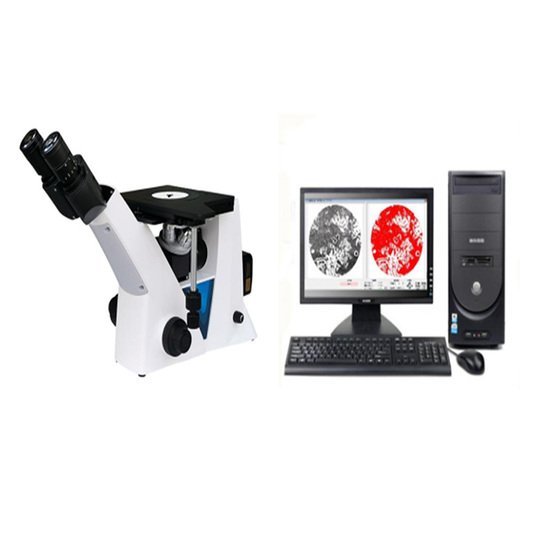
Sample Preparation for Alloy Hardness Measurement
Proper surface preparation ensures accurate results. Clean, flat surfaces improve indenter contact.
Preparation affects accuracy.
Influence of Surface Finish on Hardness Results
Rough surfaces can distort hardness values. Proper polishing or cleaning improves measurement reliability.
Surface quality matters.
Calibration and Standardization
Calibration using certified reference blocks ensures measurement accuracy. Regular calibration maintains confidence.
Traceability is essential.
International Standards for Alloy Hardness Measurement
ASTM and ISO standards define test procedures, loads, and reporting requirements.
Standards ensure consistency.
Hardness Measurement for Steel Alloys
Steel alloys are commonly tested to verify heat treatment and mechanical properties.
Hardness confirms performance.
Hardness Measurement for Aluminum Alloys
Aluminum alloys require careful testing due to softer surfaces. Appropriate methods ensure accurate values.
Lightweight materials need precision.
Hardness Measurement for Copper Alloys
Copper alloys balance hardness and conductivity. Hardness measurement supports quality control.
Accurate testing is critical.
Hardness Measurement for Titanium Alloys
Titanium alloys demand precise hardness control for aerospace and medical applications.
Reliability is mandatory.
Hardness Measurement for Nickel Alloys
Nickel alloys operate in high-temperature environments. Hardness testing verifies strength and durability.
Performance depends on accuracy.
Hardness Measurement After Heat Treatment
Post-heat-treatment hardness measurement verifies correct processing and microstructure.
It prevents defective batches.
Alloy Hardness Measurement in Manufacturing
Manufacturers use hardness measurement to monitor process stability and ensure consistent quality.
It supports efficiency.
Alloy Hardness Measurement in Quality Control
Quality control teams rely on hardness testing for acceptance and compliance verification.
Les audits sont étayés par des documents.
Alloy Hardness Measurement in Research and Development
R&D laboratories use hardness data to develop new alloys and optimize processing.
Innovation depends on data.
Accuracy and Repeatability Considerations
Accurate and repeatable results depend on proper equipment, calibration, and technique.
La cohérence permet d'instaurer la confiance.
Common Errors in Alloy Hardness Measurement
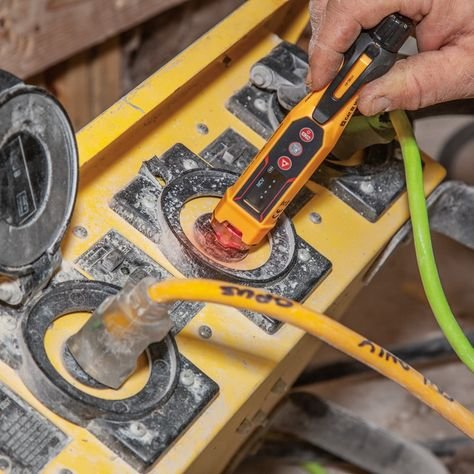
Errors include incorrect scale selection, poor surface preparation, and miscalibration.
Training reduces errors.
Selecting the Right Hardness Tester for Alloys
Selection depends on alloy type, hardness range, and testing environment.
Expert guidance ensures optimal choice.
Data Recording and Analysis
Digital data recording improves traceability and trend analysis.
Data supports improvement.
Integration with Production Line Testing
Inline hardness testing enables real-time alloy hardness measurement during production.
L'intégration améliore le contrôle.
Safety Considerations
Hardness testing is generally safe, but proper handling and training are necessary.
Safety supports productivity.
Expertise et solutions en matière de marques
Précision alloy hardness measurement requires reliable equipment and application expertise. Johoyd, par le biais de https://hardnesstests.com, provides advanced hardness testing solutions for alloy materials, supporting manufacturing, quality control, and research with precision, durability, and international compliance.
Future Trends in Alloy Hardness Measurement
Future developments include smarter sensors, AI-driven analysis, and deeper integration with digital manufacturing systems.
Innovation continues.
Questions fréquemment posées
What is alloy hardness measurement?
It determines an alloy’s resistance to deformation.
Which hardness scale is best for alloys?
It depends on alloy type and hardness range.
Is hardness related to strength?
Hardness often correlates with strength.
Can alloys be tested non-destructively?
Yes, using rebound or ultrasonic methods.
Why is calibration important?
It ensures accurate and traceable results.
Which industries use alloy hardness measurement?
Manufacturing, aerospace, automotive, and R&D.
Conclusion
Alloy hardness measurement is a vital process for understanding and controlling the mechanical performance of alloy materials. From production lines to research laboratories, accurate hardness data ensures reliability, safety, and quality.
With professional hardness testing solutions from Johoyd disponible à l'adresse suivante hardnesstests.com, industries can achieve precise alloy hardness measurement that supports innovation, compliance, and long-term success. As materials continue to evolve, alloy hardness measurement will remain a cornerstone of modern material evaluation.
Liens internes suggérés
- Machine d'essai de dureté
- Non-Destructive Hardness Testing
Liens sortants suggérés
- Normes d'essai de dureté ASTM
- Lignes directrices ISO pour la mesure de la dureté