- Appareil d'essai de dureté Micro Vickers
- Appareil d'essai de dureté Vickers
- Capteur de dureté Vickers
- Appareil d'essai de dureté Rockwell
- Appareil d'essai de dureté Brinell
- Appareil de dureté Leeb
- Appareil de mesure de la dureté Shore
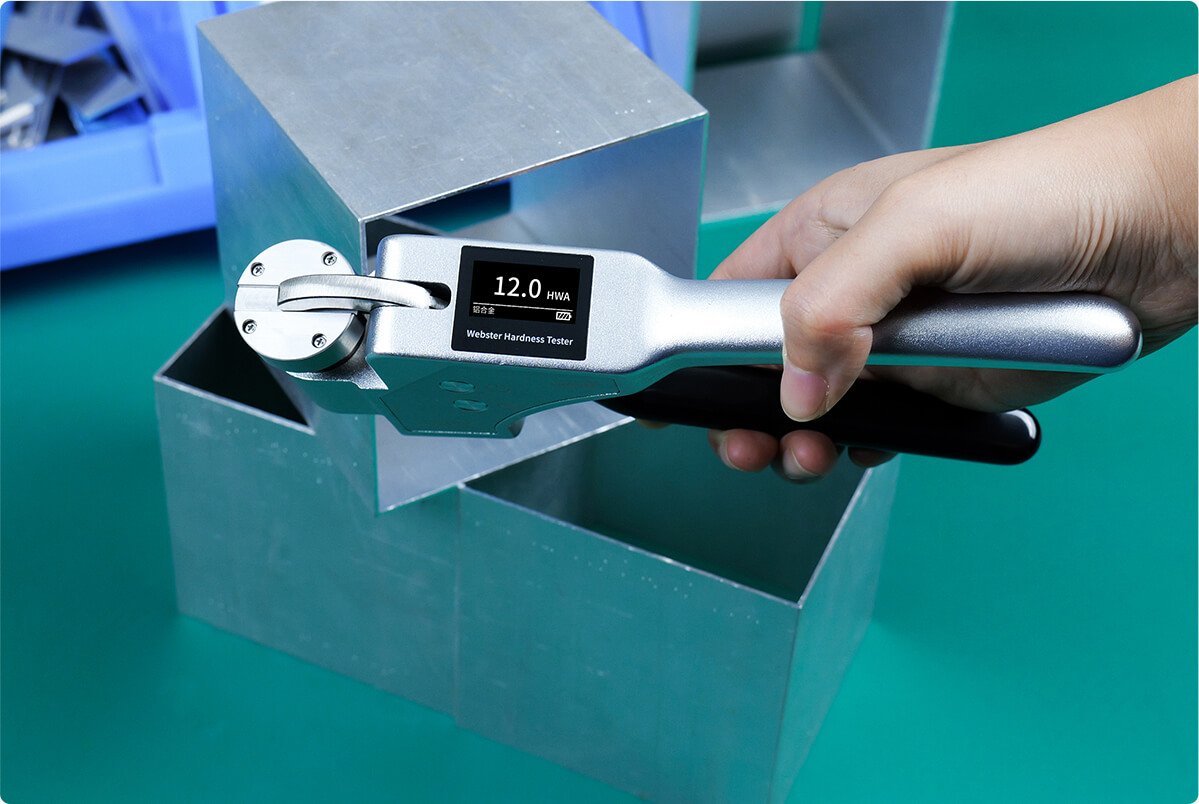
- Testeur de dureté Webster
- Appareil de mesure de la dureté Barcol
- Barre d'essai de dureté



Industrial Material Testing Equipment: Essential Solutions for Quality Control and Material Performance

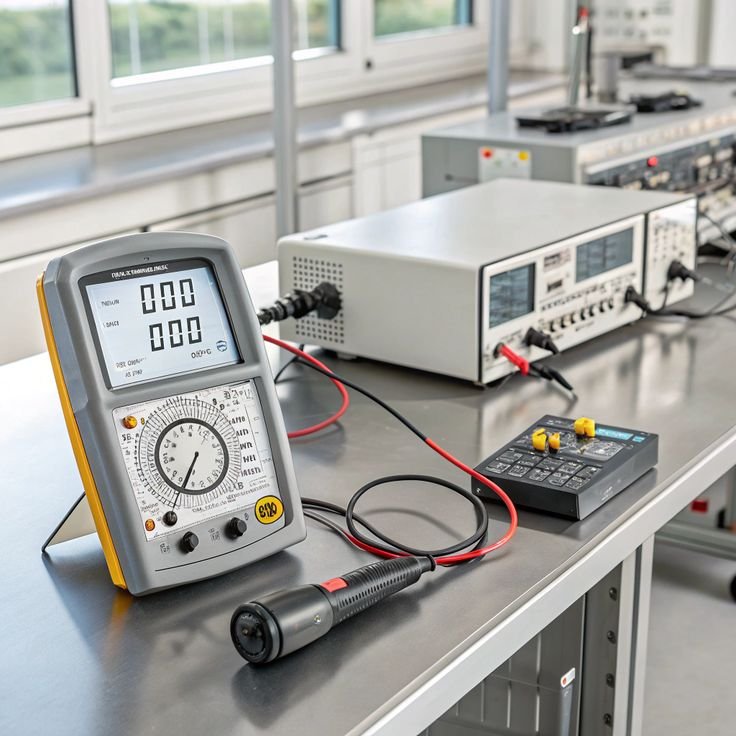
Introduction to Industrial Material Testing Equipment
In modern manufacturing and engineering environments, ensuring material quality is essential for producing reliable and safe products. Industrial material testing equipment plays a critical role in evaluating the mechanical, physical, and structural properties of materials before they are used in production or delivered to customers.
From automotive components and aerospace structures to construction materials and industrial machinery, material testing helps manufacturers verify performance, maintain consistency, and comply with international standards. Without accurate testing, organizations face increased risks of product failure, safety issues, and costly recalls.
Today’s testing systems integrate advanced sensors, automation, and software technologies to deliver precise and repeatable results across a wide range of industrial applications.
What Is Industrial Material Testing Equipment?
Définition et objectif
Industrial material testing equipment refers to specialized instruments and systems used to determine the properties and performance characteristics of materials under controlled conditions. These systems help engineers and quality professionals assess whether materials meet required specifications and performance standards.
Primary objectives include:
- Verifying material quality
- Evaluating mechanical properties
- Supporting product development
- Ensuring manufacturing consistency
- Meeting regulatory requirements
Why Material Testing Matters in Industry
Material testing is essential because material properties directly affect product performance and safety.
Les avantages comprennent
- Reduced product failures
- Improved quality control
- Enhanced customer satisfaction
- Better process optimization
- Increased compliance with industry standards
Testing data allows manufacturers to make informed decisions throughout the production cycle.
How Industrial Material Testing Equipment Works
Testing Principles and Data Collection
Most testing equipment applies controlled forces or environmental conditions to a specimen and measures its response.
Typical testing steps include:
- Preparing the sample
- Securing the specimen
- Applying force or stress
- Recording measurements
- Analyzing results
The collected data helps determine mechanical and physical properties.
Digital Measurement and Analysis
Modern systems use advanced technologies such as:
- Digital load cells
- High-resolution sensors
- Automated imaging systems
- Real-time monitoring software
These technologies improve accuracy, efficiency, and repeatability.
Main Types of Industrial Material Testing Equipment
Universal Testing Machines
Universal Testing Machines (UTMs) are among the most versatile testing systems available.
They perform:
- Tensile testing
- Compression testing
- Flexural testing
- Shear testing
UTMs are widely used across multiple industries.
Équipement d'essai de dureté
Hardness testing equipment measures a material’s resistance to indentation.
Common methods include:
- Rockwell
- Brinell
- Vickers
- Knoop
- Leeb
These tests help evaluate strength, wear resistance, and heat treatment quality.
Équipement d'essai d'impact
Impact testing determines a material’s ability to absorb energy during sudden loading events.
Popular methods include:
- Charpy testing
- Izod testing
Fatigue Testing Systems
Fatigue testing evaluates long-term performance under repeated loading conditions.
Les applications comprennent
- Automotive components
- Aerospace structures
- Industrial machinery
Compression and Flexural Testing Machines
These systems assess how materials behave under compressive and bending forces.
Équipement de contrôle non destructif
Non-destructive testing (NDT) methods evaluate materials without causing damage.
En voici quelques exemples :
- Ultrasonic testing
- Magnetic particle inspection
- Eddy current testing
- Radiographic inspection
Common Material Testing Methods
Tensile Testing
Tensile testing measures:
- Ultimate tensile strength
- Yield strength
- Elongation
- Young’s modulus
It is one of the most frequently performed mechanical tests.
Compression Testing
Compression testing evaluates resistance to crushing or compressive loads.
Hardness Testing
Hardness testing helps determine:
- Wear resistance
- Surface durability
- Efficacité du traitement thermique
Impact Testing
Impact testing measures toughness and fracture resistance.
Fatigue Testing
Fatigue testing determines how materials perform under cyclic loading over time.
Materials Commonly Evaluated
Metals and Alloys
En voici quelques exemples :
- Carbon steel
- Stainless steel
- Alliages d'aluminium
- Titanium alloys
- Copper alloys
Plastics and Polymers
Testing helps evaluate strength, flexibility, and long-term durability.
Rubber and Elastomers
Material testing supports product development and quality assurance.
Composites and Advanced Materials
Advanced materials require specialized testing to verify structural performance.
Applications industrielles
Manufacturing Industry
Manufacturers use testing equipment to maintain product quality and process consistency.
Automotive Sector
Applications include testing:
- Pièces de moteur
- Suspension components
- Fasteners
- Structural assemblies

Industrie aérospatiale
Material testing helps ensure safety, reliability, and compliance with stringent regulations.
Construction and Infrastructure
Testing supports the evaluation of:
- Acier de construction
- Concrete
- Reinforcement materials
- Building components
Energy and Power Generation
Power plants and energy facilities rely on material testing to ensure equipment integrity and long-term reliability.
Benefits of Industrial Material Testing Equipment
Modern testing systems provide numerous advantages:
- Accurate material evaluation
- Improved quality control
- Enhanced product reliability
- Reduced manufacturing defects
- Increased operational efficiency
- Better regulatory compliance
- Stronger customer confidence
These benefits contribute directly to business success and product performance.
Key Features of Modern Testing Systems
Today’s industrial testing equipment often includes:
- Automated testing procedures
- Digital data acquisition
- Real-time monitoring
- Advanced reporting tools
- Network connectivity
- Cloud-based data management
- Artificial intelligence-assisted analysis
These capabilities improve productivity and reduce human error.
Facteurs à prendre en compte lors de la sélection d'un équipement
Exigences en matière d'essais
Identify:
- Types de matériaux
- Required test methods
- Load capacity needs
Précision et répétabilité
Higher precision may be required for certification and research applications.
Automation Capabilities
Look for features such as:
- Automatic specimen alignment
- Motorized operation
- Integrated software solutions
Budget and Return on Investment
Evaluate both initial costs and long-term operational expenses.
Calibration, Maintenance, and Accuracy
To ensure reliable performance:
- Perform regular calibration
- Verify sensor accuracy
- Maintain fixtures and accessories
- Follow preventive maintenance schedules
- Keep detailed service records
Proper maintenance extends equipment lifespan and preserves measurement accuracy.
Normes et conformité de l'industrie
Industrial testing equipment commonly complies with internationally recognized standards such as:
- Normes ASTM
- Normes ISO
- EN Standards
- Normes DIN
- JIS Standards
Pour des informations sur les normes officielles :
Compliance ensures testing results are consistent, reliable, and accepted globally.

Questions fréquemment posées
1. What is industrial material testing equipment used for?
It is used to evaluate the mechanical and physical properties of materials to ensure quality, safety, and performance.
2. Which industries use industrial material testing equipment?
Manufacturing, automotive, aerospace, construction, energy, research, and education sectors.
3. What is the most common type of testing equipment?
Universal Testing Machines are among the most widely used due to their versatility.
4. Why is material testing important?
Material testing helps prevent failures, improve quality, and ensure compliance with industry standards.
5. Can one testing system perform multiple tests?
Yes. Many modern systems support multiple testing methods through interchangeable fixtures and software.
6. How often should testing equipment be calibrated?
Calibration schedules vary, but annual calibration is commonly recommended, with additional verification depending on usage.
Conclusion
Industrial material testing equipment is a critical investment for organizations that prioritize product quality, operational efficiency, and regulatory compliance. By providing accurate insights into material performance, these systems help manufacturers optimize production processes, reduce risks, and deliver reliable products to the market.
From tensile and hardness testing to fatigue and impact analysis, modern testing equipment supports a wide range of industrial applications. Selecting the right solution, maintaining proper calibration, and following industry standards will ensure dependable results and long-term value for any organization.