

- Appareil d'essai de dureté Micro Vickers
- Appareil d'essai de dureté Vickers
- Capteur de dureté Vickers
- Appareil d'essai de dureté Rockwell
- Appareil d'essai de dureté Brinell
- Appareil de dureté Leeb
- Appareil de mesure de la dureté Shore
- Testeur de dureté Webster
- Appareil de mesure de la dureté Barcol
- Barre d'essai de dureté



Système de mesure de dureté de précision : guide complet pour des mesures de haute précision


Introduction to Precision Hardness Testing System
A precision hardness testing system is a highly advanced solution designed for accurate measurement of material hardness in laboratory and industrial environments. As materials become more complex and performance requirements increase, the demand for highly accurate testing methods continues to grow.
In modern engineering and research, a hardness testing system ensures that materials meet strict quality standards and perform reliably under real-world conditions. These systems are widely used in aerospace, automotive, and advanced manufacturing industries.
What Is a Precision Hardness Testing System
Definition and Core Purpose
A hardness testing system is a specialized device used to measure a material’s resistance to deformation with exceptional accuracy. It combines mechanical testing with digital analysis to deliver reliable and repeatable results.
Why Precision Matters in Précision Hardness Testing
Small variations in hardness can significantly impact product performance. A high-quality hardness testing system helps detect these variations, ensuring better quality control and improved product reliability.
📎 Outbound reference:
https://en.wikipedia.org/wiki/Hardness
📎 Additional reference:
https://www.iso.org/
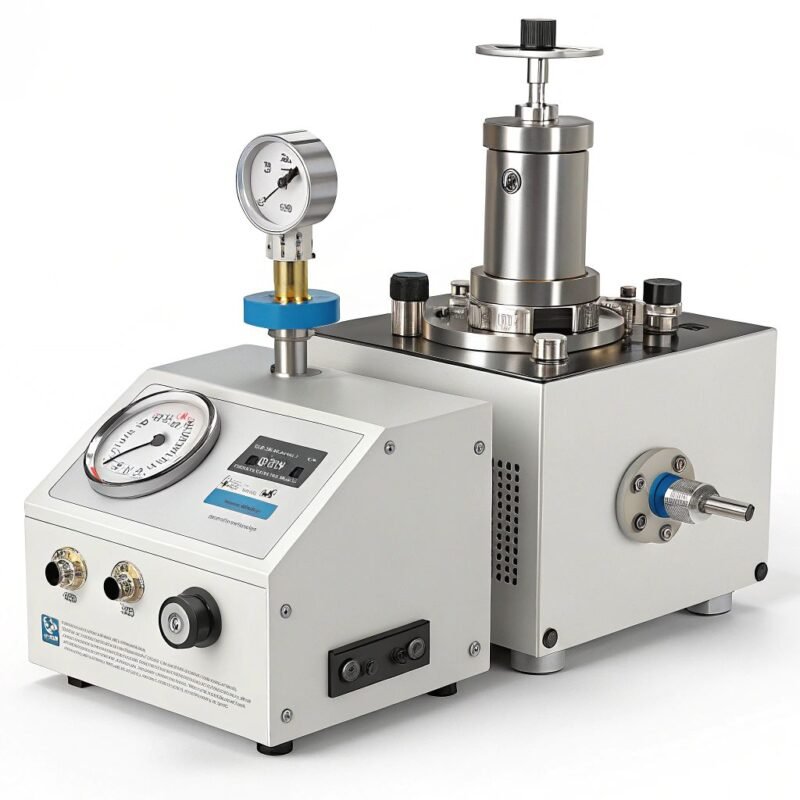
How a Precision Hardness Testing System Works
Precision Hardness Testing System Working Principles
A hardness testing system operates by applying a controlled force through an indenter and measuring the resulting deformation using advanced sensors and imaging systems.
Controlled Load Application
Precise control of applied force ensures consistent and repeatable results.
Indentation Measurement Techniques
The system measures indentation depth or size to calculate hardness values accurately.
Digital Data Analysis
Modern systems include software that processes data, generates reports, and stores test results.
Types of Precision Hardness Testing System
Micro Precision Systems
Used for testing small areas and thin materials with high accuracy.
Vickers and Knoop Precision Systems
Ideal for detailed material analysis and microstructure evaluation.
Automated Hardness Testing System
Automated systems improve efficiency and reduce operator error.
Integrated Laboratory Platforms
These systems combine multiple testing methods into a single platform.
👉 Internal link:
https://hardnesstests.com/laboratory-hardness-tester
Key Features of Precision Hardness Testing System
High Accuracy and Repeatability
Une fiabilité hardness testing system provides consistent results across multiple tests.
Advanced Imaging Capabilities
Integrated microscopes allow detailed observation of indentations.
Automation and Software Integration
Modern systems support automated workflows and data management.
Applications of Precision Hardness Testing System
Material Science and Research
Used to study material properties at micro and macro levels.
Aerospace and High-Performance Engineering
Ensures materials meet strict performance requirements.
Laboratoires de contrôle de la qualité
Supports consistent product quality in manufacturing.
👉 Internal link:
https://hardnesstests.com/metallographic-hardness-tester
Advantages of Precision Hardness Testing System
- Extremely high accuracy
- Suitable for advanced materials
- Supports automated testing
- Provides detailed data analysis
Limitations and Considerations
A precision hardness testing system may involve:
- Higher initial investment
- Need for trained operators
- Complex setup requirements
How to Choose a Hardness Testing System
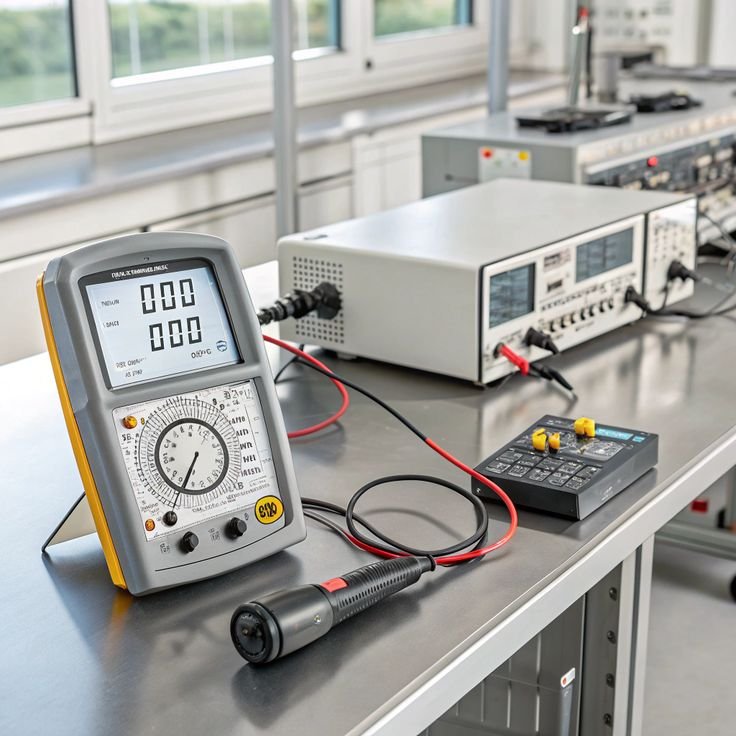
Material Requirements
Different materials require specific testing methods and load ranges.
Accuracy and Resolution Needs
High-precision applications require advanced systems.
Budget and Technical Support
Reliable suppliers ensure long-term performance and support.
Maintenance and Calibration of Precision Hardness Testing System
- Perform regular calibration
- Maintain optical components
- Clean indenters carefully
- Follow manufacturer guidelines
Normes et conformité de l'industrie
Most systems comply with:
- ASTM → https://www.astm.org/
- ISO → https://www.iso.org/
Best Practices for Using Hardness Testing System
- Prepare samples properly
- Maintain stable environmental conditions
- Use appropriate testing methods
- Take multiple measurements
Recommended Products and Internal Links
Explore advanced solutions:
- https://hardnesstests.com/laboratory-hardness-tester
- https://hardnesstests.com/metallographic-hardness-tester
- https://hardnesstests.com/ultrasonic-hardness-tester
- https://hardnesstests.com/portable-hardness-tester-equipment
FAQs About Precision Hardness Testing System
1. What is a precision hardness testing system used for?
It is used for high-accuracy measurement of material hardness.
2. Which method is most precise?
Vickers and micro hardness methods provide high precision.
3. Can it test thin materials?
Yes, micro hardness systems are ideal for thin materials.
4. Is calibration necessary?
Oui, un étalonnage régulier garantit des résultats précis.
5. What industries use it most?
Aerospace, research, and advanced manufacturing.
6. Is it suitable for automated testing?
Yes, many systems support automation and data integration.
Conclusion
A hardness testing system is essential for achieving accurate and reliable material analysis. Its advanced capabilities make it a critical tool for industries that demand high precision and consistency.

