

- Appareil d'essai de dureté Micro Vickers
- Appareil d'essai de dureté Vickers
- Capteur de dureté Vickers
- Appareil d'essai de dureté Rockwell
- Appareil d'essai de dureté Brinell
- Appareil de dureté Leeb
- Appareil de mesure de la dureté Shore
- Testeur de dureté Webster
- Appareil de mesure de la dureté Barcol
- Barre d'essai de dureté



Guide d'alimentation des duromètres industriels 32 solutions fiables pour la fabrication moderne


Plan de l'article sur les appareils de mesure de la dureté industrielle
| Domaine thématique | Couverture détaillée avec des mots-clés LSI |
|---|---|
| Introduction au testeur de dureté industriel | essais de dureté industriels |
| Définition du duromètre industriel | mesure de la dureté en usine |
| Importance des essais de dureté industriels | assurance qualité de la production |
| Évolution des duromètres industriels | l'histoire des essais industriels |
| Principe de fonctionnement du duromètre industriel | la résistance à la déformation |
| Principaux composants d'un appareil de test de dureté industriel | pénétrateur, cadre de charge |
| Classification des duromètres industriels | Rockwell, Brinell, Vickers |
| Testeur de dureté industriel Rockwell | des tests de production rapides |
| Appareil d'essai de dureté industrielle Brinell | matériaux résistants |
| Appareil d'essai de dureté industriel Vickers | essais de dureté de précision |
| Testeur de dureté industriel Knoop | analyse de la microdureté |
| Testeur de dureté industrielle Shore | dureté de rebond |
| Testeur de dureté industriel Leeb | essais industriels portables |
| Testeur industriel de microdureté | surfaces et revêtements |
| Appareil d'essai de dureté industriel Macro | essais de matériaux en vrac |
| Appareil d'essai de dureté industriel portable | inspection sur place |
| Appareil d'essai de dureté industriel de table | essais en atelier |
| Testeur de dureté industriel numérique | l'inspection fondée sur les données |
| Testeur de dureté industriel automatique | production en grande quantité |
| Matériaux testés dans l'industrie | métaux et alliages |
| Essais industriels de dureté de l'acier | contrôle du traitement thermique |
| Essai de dureté industrielle pour l'aluminium | métaux légers |
| Essai de dureté industrielle pour la fonte | applications de fonderie |
| Essais de dureté industriels pour les métaux non ferreux | alliages de cuivre |
| Applications industrielles | industries manufacturières |
| Contrôle de la qualité dans l'industrie | essais d'acceptation |
| Entretien et inspection | gestion du cycle de vie |
| Soutien à la R&D industrielle | optimisation des processus |
| Normes pour les duromètres industriels | ASTM, ISO |
| Précision et répétabilité | la cohérence dans les usines |
| Étalonnage en milieu industriel | traçabilité |
| Comment choisir un appareil d'essai de dureté industriel | guide de sélection |
| Erreurs courantes dans les essais industriels | la prévention |
| Avantages des duromètres industriels | l'efficacité |
| Limites des essais de dureté industriels | interprétation |
| Maintenance des appareils d'essai de dureté industriels | la durabilité |
| Automatisation et usines intelligentes | Automatisation de l'industrie |
| Expertise et solutions en matière de marques | Testeurs industriels Johoyd |
| Tendances futures dans les essais de dureté industriels | inspection intelligente |
| FAQ | questions courantes |
| Conclusion | résumé |
Introduction
Un Testeur de dureté industriel est un instrument essentiel utilisé dans les usines de production, les ateliers de fabrication et l'industrie lourde. Il permet de s'assurer que les matériaux et les composants répondent aux spécifications de dureté requises avant de poursuivre le processus de production. Dans les environnements industriels, la dureté est directement liée à la solidité, à la résistance à l'usure et à la fiabilité à long terme.
Les vitesses de production augmentant et les exigences de qualité devenant plus strictes, les appareils d'essai de dureté industriels sont devenus des systèmes robustes, précis et très efficaces. La compréhension de leur fonction et de leur utilisation correcte est essentielle pour les fabricants qui recherchent une qualité constante et une réduction des risques de défaillance.
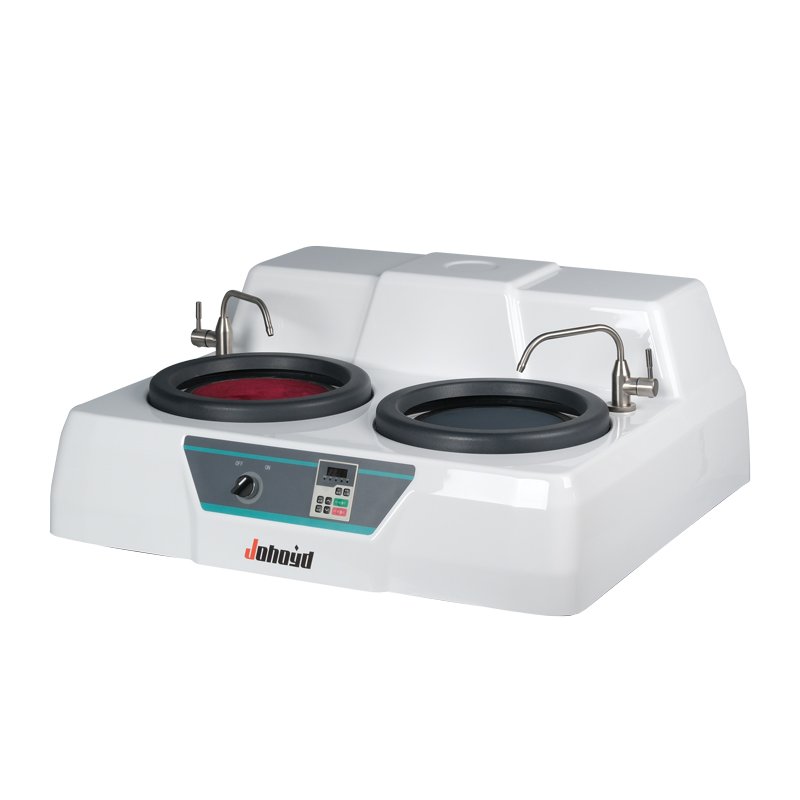
Testeur de dureté industriel
Un Testeur de dureté industriel mesure la résistance d'un matériau à une déformation permanente dans des conditions contrôlées. Contrairement aux instruments de laboratoire, les duromètres industriels sont conçus pour être durables, rapides et faciles à utiliser dans les environnements industriels.
Ils sont souvent intégrés directement dans les flux de production afin de permettre des décisions rapides en matière de qualité.
Définition du duromètre industriel
Un appareil d'essai de dureté industriel applique une charge normalisée à la surface d'un matériau à l'aide d'un pénétrateur. La profondeur, la taille ou la réaction de rebond de l'indentation qui en résulte est convertie en une valeur de dureté basée sur des normes reconnues.
Différents testeurs sont optimisés pour des matériaux, des plages de dureté et des conditions industrielles spécifiques.
Importance des essais de dureté industriels
Les essais de dureté industriels permettent de vérifier que les matériaux ont été traités correctement. Ils permettent de confirmer l'efficacité du traitement thermique, d'identifier les mauvaises qualités de matériaux et de détecter rapidement les erreurs de production.
L'utilisation d'appareils d'essai de dureté industriels permet aux fabricants de réduire les rebuts, de minimiser les reprises et d'améliorer la fiabilité globale des produits.
Évolution des duromètres industriels
Les premiers essais de dureté industriels reposaient sur des dispositifs manuels et des mesures visuelles. Avec l'expansion des usines et l'augmentation des exigences de qualité, les appareils d'essai mécaniques normalisés sont devenus essentiels.
Les appareils d'essai de dureté industriels d'aujourd'hui combinent la robustesse mécanique avec la mesure numérique, l'automatisation et le traitement avancé des données.
Principe de fonctionnement du duromètre industriel
Le principe de fonctionnement est la résistance à la déformation. Une force connue est appliquée à la surface d'essai à l'aide d'un pénétrateur normalisé.
Le comportement d'indentation ou de rebondissement qui en résulte reflète la dureté du matériau.
Principaux composants d'un appareil de test de dureté industriel
Un appareil d'essai de dureté industriel comprend généralement un pénétrateur, un cadre de charge rigide, un système d'application de la force et une unité de mesure.
Chaque composant est conçu pour fournir des résultats précis dans des conditions industrielles exigeantes.
Classification des duromètres industriels
Les appareils d'essai de dureté industriels sont classés en fonction de la méthode d'essai et des besoins d'application.
Les types les plus courants sont les testeurs Rockwell, Brinell, Vickers, Knoop, Shore et Leeb.
Testeur de dureté industriel Rockwell
Les testeurs industriels Rockwell mesurent la profondeur d'indentation sous une charge mineure et majeure.
Ils sont rapides, faciles à utiliser et idéaux pour les lignes de production à haut débit.
Appareil d'essai de dureté industrielle Brinell
Les testeurs Brinell utilisent des charges lourdes et des pénétrateurs à bille de grande taille.
Ils sont bien adaptés à la fonte, aux pièces forgées et aux matériaux industriels à gros grains.
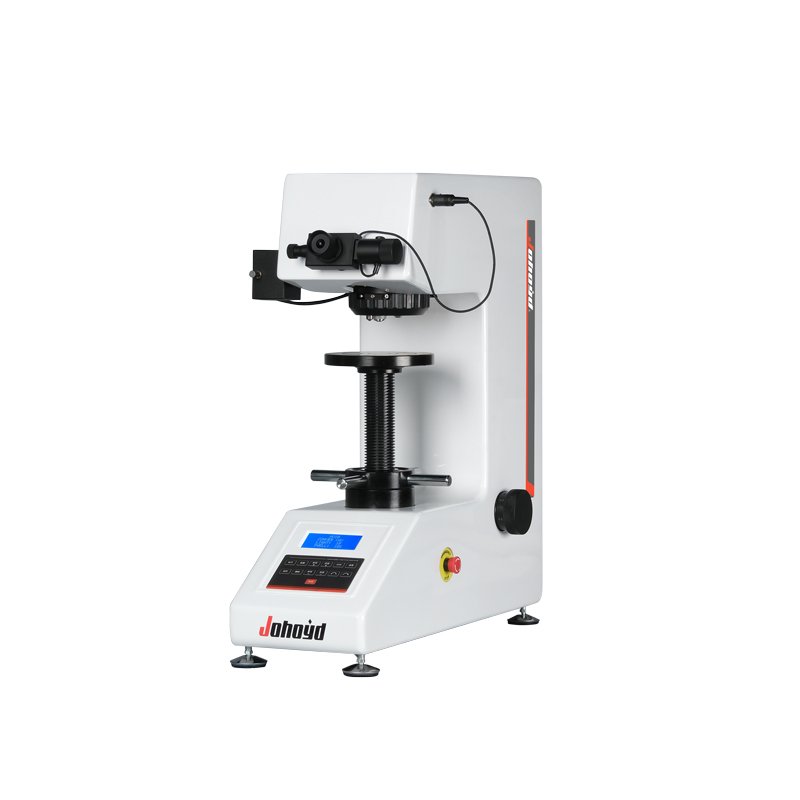
Appareil d'essai de dureté industriel Vickers
Les testeurs Vickers utilisent un pénétrateur pyramidal en diamant.
Ils offrent une grande précision sur une large gamme de dureté et permettent de réaliser des essais macro et micro.
Testeur de dureté industriel Knoop
Les testeurs Knoop sont conçus pour les applications de microdureté.
Ils sont utilisés pour les couches minces, les revêtements et les matériaux industriels fragiles.
Testeur de dureté industrielle Shore
Les testeurs Shore évaluent la résistance au rebond ou à l'indentation.
Ils sont couramment utilisés pour les élastomères et les matériaux plus souples en milieu industriel.
Testeur de dureté industriel Leeb
Les testeurs Leeb mesurent la vitesse de rebond après l'impact.
Ils sont largement utilisés comme appareils d'essai de dureté industriels portables pour les grandes pièces.
Testeur industriel de microdureté
Les testeurs de microdureté appliquent des charges très faibles.
Ils analysent les traitements de surface, les revêtements et les microstructures dans la fabrication de précision.
Appareil d'essai de dureté industriel Macro
Les macro-essayeurs évaluent la dureté des matériaux en vrac.
Ils sont utilisés pour les composants lourds et les pièces structurelles.
Appareil d'essai de dureté industriel portable
Les duromètres industriels portables permettent de tester sur place des équipements de grande taille ou installés.
Ils sont essentiels pour la maintenance, l'inspection et le service sur le terrain.
Appareil d'essai de dureté industriel de table
Les testeurs de table sont couramment utilisés dans les ateliers et les laboratoires de production.
Ils allient la précision à la durabilité industrielle.
Testeur de dureté industriel numérique
Les testeurs numériques automatisent les mesures et le calcul des résultats.
Ils améliorent la répétabilité, la traçabilité et la gestion des données.
Testeur de dureté industriel automatique
Les testeurs automatiques contrôlent automatiquement le chargement, la mesure et l'évaluation.
Ils permettent de produire des volumes importants avec des résultats constants.
Matériaux testés dans l'industrie
Les appareils d'essai de dureté industriels sont largement utilisés pour les métaux et les alliages.
L'acier, l'aluminium, la fonte et les métaux non ferreux sont couramment testés.

Essais industriels de dureté de l'acier
Les essais de dureté de l'acier permettent de vérifier le traitement thermique et les propriétés mécaniques.
Les testeurs Rockwell et Vickers sont fréquemment utilisés.
Essai de dureté industrielle pour l'aluminium
L'aluminium nécessite un contrôle minutieux de la charge en raison de sa plus faible dureté.
Les testeurs Brinell et Vickers fournissent des résultats fiables.
Essai de dureté industrielle pour la fonte
La fonte bénéficie du test Brinell.
La grande indentation permet d'établir une moyenne des variations de matériaux.
Essais de dureté industriels pour les métaux non ferreux
Les métaux non ferreux nécessitent des méthodes d'essai flexibles.
Le test Vickers est souvent préféré pour des raisons de précision.
Applications industrielles
Les appareils d'essai de dureté industriels sont utilisés dans les secteurs de l'automobile, de l'aérospatiale, de l'énergie, des machines et de la métallurgie.
Ils soutiennent la vérification des matériaux à chaque étape de la production.
Contrôle de la qualité dans l'industrie
Les équipes de contrôle de la qualité s'appuient sur des duromètres industriels pour les essais d'acceptation.
Des critères de dureté clairs permettent de prendre des décisions rapides et sûres.
Entretien et inspection
Les essais de dureté facilitent l'inspection des équipements et la gestion de leur cycle de vie.
Il permet de détecter la dégradation des matériaux et la fatigue.
Soutien à la R&D industrielle
Les équipes de R&D industrielles utilisent les essais de dureté pour optimiser les matériaux et les processus.
Les essais de microdureté soutiennent l'innovation et le développement.
Normes pour les duromètres industriels
Les essais de dureté industriels sont conformes aux normes ASTM et ISO.
La conformité garantit des résultats cohérents et acceptés au niveau mondial.
Précision et répétabilité
La précision dépend de l'étalonnage, de l'état du pénétrateur et du bon fonctionnement.
La répétabilité garantit la confiance dans les décisions de production.
Étalonnage en milieu industriel
Un étalonnage régulier permet de maintenir l'intégrité des mesures.
La traçabilité facilite les audits et les certifications de qualité.
Comment choisir un appareil d'essai de dureté industriel
Le choix dépend du type de matériau, de la plage de dureté, du volume de production et de l'environnement.
Le choix du bon testeur améliore l'efficacité et la fiabilité.
Erreurs courantes dans les essais industriels
Les erreurs les plus courantes sont une mauvaise préparation de la surface et une sélection incorrecte des tests.
La formation et les procédures normalisées réduisent ces risques.
Avantages des duromètres industriels
Les principaux avantages sont les suivants :
- Vitesse de test rapide
- Conception industrielle robuste
- Dommages matériels minimes
- Haute répétabilité
Ces avantages rendent les appareils d'essai de dureté industriels indispensables.
Limites des essais de dureté industriels
Les essais de dureté industriels ne remplacent pas les essais mécaniques complets.
Les résultats doivent être interprétés correctement.
Maintenance des appareils d'essai de dureté industriels
Le nettoyage, l'inspection et l'étalonnage de routine préservent la précision.
Un entretien adéquat prolonge la durée de vie de l'équipement.
Automatisation et usines intelligentes
Les duromètres industriels modernes s'intègrent aux systèmes de production automatisés.
Ils soutiennent les initiatives de fabrication intelligente et d'automatisation de l'industrie.
Expertise et solutions en matière de marques
Des essais de dureté industriels précis nécessitent un équipement robuste et une assistance experte. Johoyd, par le biais de https://hardnesstests.com, fournit des services professionnels d'information et de conseil. Testeur de dureté industriel conçues pour les environnements industriels exigeants, alliant durabilité, précision et conformité.
Tendances futures dans les essais de dureté industriels
Les tendances futures comprennent l'inspection assistée par l'IA, une automatisation plus poussée et une connectivité accrue.
Ces innovations permettront d'améliorer encore le contrôle de la qualité industrielle.
Questions fréquemment posées
À quoi sert un duromètre industriel ?
Il permet de vérifier la dureté des matériaux dans les environnements de production.
Les essais de dureté industriels sont-ils destructifs ?
Il est peu destructeur.
Quel est le testeur de dureté industriel le plus courant ?
Les testeurs Rockwell sont largement utilisés.
Les essais de dureté industriels peuvent-ils être automatisés ?
Oui, des systèmes automatiques sont disponibles.
Les duromètres industriels doivent-ils être étalonnés ?
Oui, un étalonnage régulier est essentiel.
Des normes sont-elles nécessaires pour les essais de dureté industriels ?
Oui, les normes ASTM et ISO s'appliquent.
Conclusion
Un Testeur de dureté industriel est la pierre angulaire de la qualité et de la fiabilité de la fabrication. En fournissant des mesures de dureté rapides et reproductibles, il contribue à une production efficace et à la prévention des défauts.
Avec des fournisseurs de confiance comme Johoyd offrir des solutions avancées grâce à hardnesstests.com, Grâce à cette technologie, les fabricants peuvent avoir confiance dans leurs processus d'essais de dureté industrielle. À mesure que les usines deviennent plus intelligentes et plus connectées, les appareils d'essai de dureté industrielle continueront à jouer un rôle essentiel dans la fabrication moderne.
Liens internes suggérés
- Types de méthodes d'essai de dureté
- Équipement industriel d'essai des matériaux
Liens sortants suggérés
- Normes d'essai de dureté ASTM
- Lignes directrices ISO pour la mesure de la dureté