

- Appareil d'essai de dureté Micro Vickers
- Appareil d'essai de dureté Vickers
- Capteur de dureté Vickers
- Appareil d'essai de dureté Rockwell
- Appareil d'essai de dureté Brinell
- Appareil de dureté Leeb
- Appareil de mesure de la dureté Shore
- Testeur de dureté Webster
- Appareil de mesure de la dureté Barcol
- Barre d'essai de dureté



Guide de référence sur les essais de dureté des matériaux 14 informations essentielles pour une performance fiable des matériaux

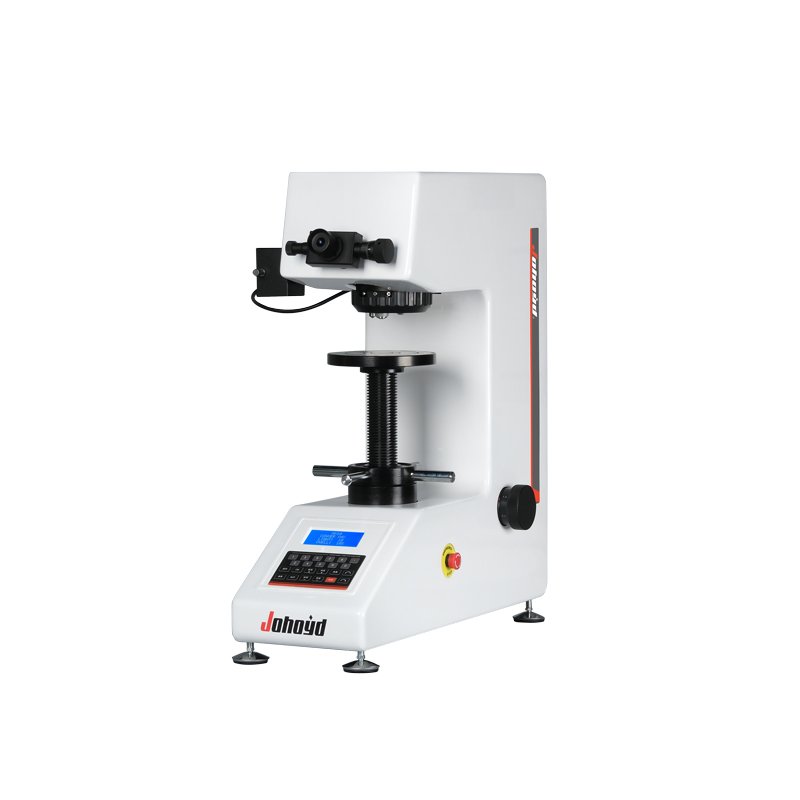
Plan de l'article sur les essais de dureté des matériaux
| Domaine thématique | Couverture détaillée avec des mots-clés LSI |
|---|---|
| Introduction aux essais de dureté des matériaux | principes de base des essais de matériaux, mesure de la dureté |
| Qu'est-ce que l'essai de dureté des matériaux ? | la résistance à la déformation |
| Comprendre la dureté des matériaux | propriétés mécaniques, résistance de la surface |
| L'importance des essais de dureté des matériaux | qualité, sécurité, durabilité |
| Évolution historique des essais de dureté | Brinell, Rockwell, Vickers |
| Principes fondamentaux des essais de dureté | indentation, application de la charge |
| Méthodes courantes d'essai de dureté | Brinell, Rockwell, Vickers, Shore |
| Essai de dureté Brinell | matériaux lourds, pièces moulées |
| Essai de dureté Rockwell | essais industriels rapides |
| Essai de dureté Vickers | précision et microdureté |
| Essai de dureté Shore | polymères et élastomères |
| Essai de dureté statique ou dynamique | comparaison |
| Essai de dureté des matériaux en laboratoire | environnements contrôlés |
| Essai de dureté des matériaux industriels | production et inspection |
| Essai portable de dureté des matériaux | évaluation sur place |
| Essai de dureté numérique et automatique | avantages de l'automatisation |
| Échelles de dureté et conversions | HB, HRC, HV |
| Précision et répétabilité des essais de dureté | cohérence |
| Normes d'étalonnage et d'essai | ASTM, ISO |
| Choisir la bonne méthode d'essai de dureté | choix basé sur l'application |
| Rôle dans le contrôle de la qualité de la fabrication | vérification du processus |
| Rôle dans la recherche et le développement | innovation matérielle |
| Rôle dans l'analyse des défaillances | identification des causes profondes |
| Avantages des essais de dureté des matériaux | efficacité, fiabilité |
| Limites et défis | état de surface |
| Considérations de sécurité | protection de l'opérateur |
| Interprétation des résultats des essais de dureté | l'analyse des données |
| Expertise de la marque et solutions d'essai | Essais des matériaux Johoyd |
| Erreurs courantes dans les essais de dureté | prévention des erreurs |
| Tendances futures des essais de dureté des matériaux | tests intelligents |
| FAQ | questions courantes |
| Conclusion | résumé |
Introduction
Essai de dureté des matériaux est l'une des procédures les plus fondamentales de la science et de l'ingénierie des matériaux. Il fournit des informations mesurables sur la manière dont un matériau réagit lorsqu'une force est appliquée à sa surface. Dans les industries où la sécurité, la durabilité et la cohérence sont essentielles, les essais de dureté offrent un moyen fiable d'évaluer les performances des matériaux.
Des matières premières aux produits finis, les essais de dureté permettent de prendre des décisions éclairées. Sans eux, les fabricants et les ingénieurs s'appuieraient davantage sur des hypothèses que sur des données vérifiées.
Essai de dureté des matériaux
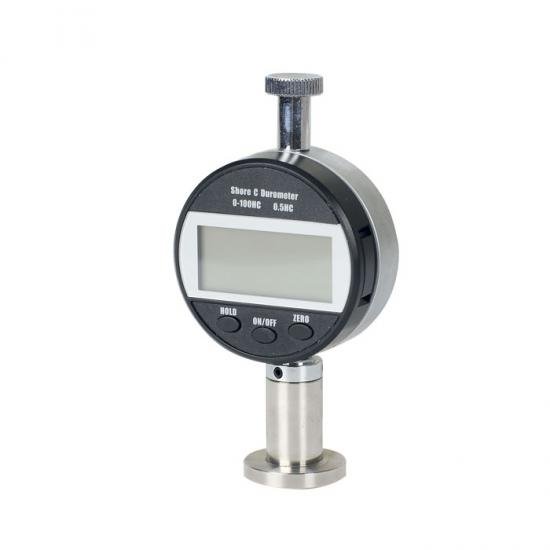
Essai de dureté des matériaux désigne un groupe de méthodes normalisées utilisées pour mesurer la résistance d'un matériau à une déformation plastique localisée. Cette déformation peut impliquer une indentation, une pénétration ou un rebond.
Bien que simple dans son concept, l'essai de dureté joue un rôle important. Une seule valeur de dureté peut indiquer si un matériau a été traité correctement ou s'il risque de se rompre prématurément en service.
Comprendre la dureté des matériaux
La dureté est une propriété mécanique liée à la surface. Elle indique dans quelle mesure un matériau résiste à la rayure, à l'indentation ou à l'usure. Dans les métaux, la dureté est souvent liée à la résistance à la traction et à l'usure.
Pour les polymères et les élastomères, la dureté est davantage liée à l'élasticité et au comportement de déformation. Les essais de dureté des matériaux permettent de mesurer et de comparer objectivement ces différents comportements.
L'importance des essais de dureté des matériaux
Les essais de dureté des matériaux sont importants car ils protègent la qualité et la sécurité. Les composants trop mous peuvent s'user rapidement. Les composants trop durs peuvent devenir cassants et se fissurer.
En effectuant des essais de dureté des matériaux, les industries s'assurent que les matériaux répondent aux exigences de conception. Ces essais permettent d'éviter les défaillances, de réduire les déchets et de conserver la confiance des clients.
Évolution historique des essais de dureté
Les méthodes d'essai de dureté ont été développées pour répondre aux besoins de l'industrie. La méthode Brinell a introduit l'indentation à grande échelle pour les matériaux grossiers. Plus tard, les essais Rockwell ont simplifié les mesures en utilisant la profondeur au lieu du diamètre.
Les essais Vickers ont permis d'accroître la précision sur une large gamme de dureté. Ensemble, ces méthodes ont constitué la base des essais modernes de dureté des matériaux.
Principes fondamentaux des essais de dureté
La plupart des essais de dureté reposent sur l'indentation. Une charge connue presse un pénétrateur dans la surface du matériau. La taille ou la profondeur de l'empreinte est ensuite mesurée.
Les matériaux plus durs résistent à la déformation et produisent des empreintes plus petites. Cette relation cohérente permet une comparaison fiable entre les matériaux et les lots.
Méthodes courantes d'essai de dureté
Plusieurs méthodes normalisées sont utilisées dans le monde entier. Chacune d'entre elles s'applique à des matériaux et à des applications différents. Les méthodes les plus courantes sont les essais Brinell, Rockwell, Vickers et Shore.
Le choix de la bonne méthode permet d'obtenir des résultats significatifs.
Essai de dureté Brinell
L'essai de dureté Brinell utilise une bille en acier trempé ou en carbure avec une charge importante. Il convient aux pièces coulées, aux pièces forgées et aux matériaux à structure grossière.
Bien que plus lente, elle fournit des valeurs de dureté représentatives pour les matériaux en vrac.
Essai de dureté Rockwell
L'essai Rockwell mesure la profondeur de l'indentation. Il fournit des résultats rapides et ne nécessite qu'une préparation minimale de la surface.
En raison de sa simplicité, l'essai de dureté Rockwell domine les environnements industriels.
Essai de dureté Vickers
Les essais Vickers utilisent un pénétrateur pyramidal en diamant. Il permet d'effectuer des essais de macrodureté et de microdureté.
Les laboratoires préfèrent les essais de dureté Vickers pour leur précision et leur polyvalence.
Essai de dureté Shore
Le test de dureté Shore s'applique principalement au caoutchouc, aux plastiques et aux élastomères. Il mesure la profondeur de pénétration plutôt que la taille de l'indentation.
Cette méthode est largement utilisée dans les industries des polymères et du caoutchouc.
Essai de dureté statique ou dynamique
Les essais de dureté statiques appliquent des charges lentement et mesurent l'indentation permanente. Les essais dynamiques mesurent le comportement de rebond ou d'impact.
Les essais de dureté des matériaux comprennent les deux approches, en fonction des exigences de l'application.
Essai de dureté des matériaux en laboratoire
Les essais en laboratoire mettent l'accent sur la précision et la répétabilité. Les environnements contrôlés réduisent les influences extérieures.
Les données de dureté en laboratoire servent souvent de valeurs de référence pour d'autres méthodes d'essai.
Essai de dureté des matériaux industriels
Dans l'industrie, les essais de dureté permettent de contrôler et d'inspecter la production. Des méthodes d'essai rapides garantissent la stabilité du processus.
L'essai de dureté des matériaux permet de détecter rapidement les écarts et de réduire les reprises.
Essai portable de dureté des matériaux
Les appareils d'essai portables permettent de mesurer la dureté sur place. Ils éliminent la nécessité de prélever ou de couper des échantillons.
Cette approche permet de gagner du temps et de faciliter les tâches de maintenance et d'inspection.
Essai de dureté numérique et automatique
Les systèmes numériques et automatiques réduisent l'influence de l'opérateur. L'automatisation du chargement, de la mesure et du stockage des données améliore la cohérence.
Ces systèmes représentent l'évolution moderne des essais de dureté des matériaux.
Échelles de dureté et conversions
Les différentes méthodes utilisent des échelles différentes, telles que HB, HRC et HV. Les tableaux de conversion permettent de comparer les échelles.
Il est essentiel de comprendre les limites de l'échelle pour une interprétation précise.
Précision et répétabilité des essais de dureté
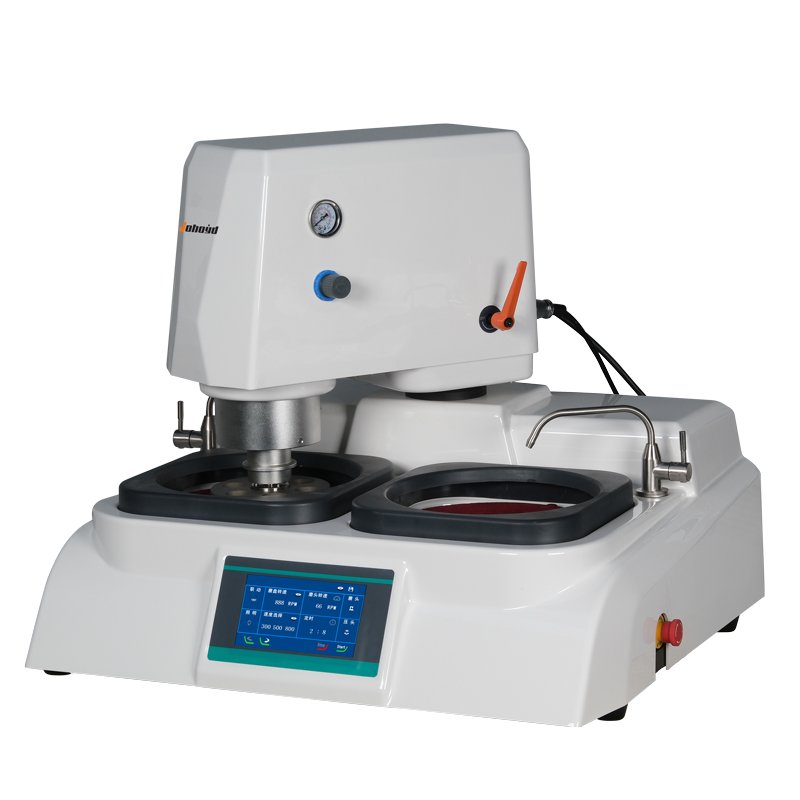
La précision garantit que les résultats reflètent le comportement réel du matériau. La répétabilité garantit des résultats cohérents d'un test à l'autre.
Les essais de dureté des matériaux reposent sur un étalonnage correct et des procédures normalisées pour atteindre ces deux objectifs.
Normes d'étalonnage et d'essai
Les essais de dureté sont conformes aux normes internationales telles que ASTM et ISO. L'étalonnage garantit la traçabilité et la conformité.
Sans étalonnage, les résultats de dureté perdent de leur crédibilité.
Choisir la bonne méthode d'essai de dureté
Le choix dépend du type de matériau, de l'épaisseur, de l'état de surface et de la précision requise. Aucune méthode ne convient à toutes les applications.
Des fournisseurs expérimentés comme Johoyd aider les clients à sélectionner des solutions d'essai de dureté des matériaux adaptées à leurs besoins réels.
Rôle dans le contrôle de la qualité de la fabrication
Les essais de dureté des matériaux permettent de vérifier le traitement thermique, la qualité du soudage et les processus d'usinage. Il favorise une production cohérente.
Les équipes de contrôle de la qualité s'appuient sur les données de dureté pour prendre des décisions d'acceptation.
Rôle dans la recherche et le développement
Les chercheurs utilisent les essais de dureté pour étudier le comportement des matériaux et les effets du traitement. Les données de dureté complètent d'autres essais mécaniques.
Ces tests favorisent l'innovation et l'optimisation des matériaux.
Rôle dans l'analyse des défaillances
Les essais de dureté permettent d'identifier les causes de défaillance. Des valeurs de dureté inattendues peuvent indiquer un traitement inapproprié ou des défauts du matériau.
Les essais de dureté des matériaux jouent un rôle clé dans l'analyse des causes profondes.
Avantages des essais de dureté des matériaux
Les principaux avantages sont les suivants :
- Des tests rapides et rentables
- Dommages matériels minimes
- Forte corrélation avec les performances
- Large acceptation par l'industrie
Ces avantages expliquent sa large utilisation.
Limites et défis
La rugosité de la surface, l'épaisseur de l'échantillon et le choix d'une méthode incorrecte peuvent affecter les résultats. La prise de conscience réduit le risque d'erreur.
Une formation adéquate améliore la fiabilité.
Considérations de sécurité
Les opérateurs doivent respecter les consignes de sécurité. Une manipulation correcte permet d'éviter les blessures et de protéger l'équipement.
Des pratiques sûres permettent de réaliser des tests cohérents.
Interprétation des résultats des essais de dureté
Les valeurs de dureté doivent être interprétées dans leur contexte. Les comparaisons entre échelles doivent être effectuées avec prudence.
L'expérience permet de tirer des conclusions significatives.
Expertise de la marque et solutions d'essai
La fiabilité des tests dépend de la qualité de l'équipement. Des marques comme Johoyd, par le biais de https://hardnesstests.com, Le groupe de travail sur les essais de dureté des matériaux fournit des solutions fiables et conformes aux normes internationales.
Leur expérience est un gage de précision, de cohérence et de performance à long terme.
Erreurs courantes dans les essais de dureté
Les erreurs les plus courantes sont une mauvaise préparation de la surface et l'absence d'étalonnage. La sensibilisation permet d'éviter les erreurs.
La cohérence s'améliore grâce à des procédures standardisées.
Tendances futures des essais de dureté des matériaux
Les tendances futures comprennent les capteurs intelligents, l'analyse assistée par l'IA et les systèmes de données intégrés. Ces développements améliorent l'efficacité et la perspicacité.
Les essais de dureté des matériaux continuent d'évoluer avec les demandes de l'industrie.
Questions fréquemment posées
À quoi sert l'essai de dureté des matériaux ?
Il mesure la résistance à la déformation et soutient le contrôle de la qualité.
Les essais de dureté sont-ils destructifs ?
La plupart des méthodes sont peu destructrices.
Quelle est la méthode de dureté la plus courante ?
L'essai Rockwell est largement utilisé dans l'industrie.
Les essais de dureté permettent-ils de prédire la résistance des matériaux ?
Elle est souvent en corrélation avec la résistance, mais ne remplace pas les essais de traction.
Pourquoi l'étalonnage est-il important ?
Il garantit l'exactitude et la conformité.
Une seule méthode permet-elle de tester tous les matériaux ?
Des matériaux différents requièrent des méthodes différentes.
Conclusion
Essai de dureté des matériaux reste l'un des outils les plus précieux dans l'évaluation des matériaux. Il fournit un aperçu rapide et fiable du comportement des matériaux et favorise la qualité, la sécurité et l'innovation. Bien que son concept soit simple, son impact sur l'ensemble des industries est profond.
Avec des fabricants expérimentés comme Johoyd offrir des solutions avancées grâce à hardnesstests.com, Les essais de dureté des matériaux permettent aux industries de gagner en confiance dans leurs processus d'essai. Au fur et à mesure que la technologie progresse, les essais de dureté des matériaux continueront à guider des décisions fiables et éclairées sur les matériaux.
Liens internes suggérés
- Méthodes d'essai de dureté expliquées
- Propriétés mécaniques des matériaux
Liens sortants suggérés
- Normes d'essai de dureté ASTM
- Lignes directrices ISO pour les essais de matériaux