

- Appareil d'essai de dureté Micro Vickers
- Appareil d'essai de dureté Vickers
- Capteur de dureté Vickers
- Appareil d'essai de dureté Rockwell
- Appareil d'essai de dureté Brinell
- Appareil de dureté Leeb
- Appareil de mesure de la dureté Shore
- Testeur de dureté Webster
- Appareil de mesure de la dureté Barcol
- Barre d'essai de dureté



Guide d'utilisation du duromètre automatique 12 avantages efficaces pour des essais de matériaux intelligents et fiables


Plan de l'article sur le testeur de dureté automatique
| Domaine thématique | Couverture détaillée avec des mots-clés LSI |
|---|---|
| Introduction au testeur de dureté automatique | automated hardness testing, smart measurement |
| Qu'est-ce qu'un appareil de test de dureté automatique ? | fully automatic hardness machine |
| Understanding Automation in Hardness Testing | precision, repeatability |
| Why Automation Matters in Material Testing | efficacité, cohérence |
| Evolution from Manual to Automatic Hardness Tester | technology development |
| Working Principle of Automatic Hardness Tester | automatic loading, sensing |
| Core Components of Automatic Hardness Tester | motorized system, sensors |
| Types of Automatic Hardness Tester | Rockwell, Vickers, Brinell automatic |
| Testeur automatique de dureté Rockwell | high-speed production testing |
| Appareil d'essai de dureté Vickers automatique | laboratory precision |
| Testeur de dureté Brinell automatique | essais intensifs |
| Image Recognition and Measurement Systems | camera-based analysis |
| Logiciels et gestion des données | traceability, reporting |
| Advantages of Automatic Hardness Tester | speed, accuracy |
| Précision et répétabilité | consistent results |
| Étalonnage et normes internationales | ASTM, ISO |
| Selecting the Right Automatic Hardness Tester | choix basé sur l'application |
| Automatic Hardness Tester in Manufacturing | production efficiency |
| Automatic Hardness Tester in Laboratories | soutien à la recherche |
| Automatic Hardness Tester in Quality Control | compliance |
| Integration with Smart Factories | Industrie 4.0 |
| Maintenance and System Care | reliability |
| Safety Features in Automatic Testing | protection de l'opérateur |
| Interpreting Automatic Test Results | échelles de dureté |
| Brand Expertise and Automatic Solutions | Johoyd systems |
| Common Automation Errors | la prévention |
| Future Trends in Automatic Hardness Tester | AI, robotics |
| FAQ | questions courantes |
| Conclusion | résumé |
Introduction
Un Testeur de dureté automatique represents a major step forward in material testing technology. As industries demand faster inspection, higher accuracy, and consistent results, automation has become essential. Manual hardness testing, although reliable, often depends on operator skill and experience. Automation removes much of this variability.
From advanced manufacturing plants to high-end laboratories, automatic hardness testing delivers confidence. By combining precise mechanics with intelligent software, the Automatic Hardness Tester ensures that every test follows the same standard process.
Testeur de dureté automatique
Un Testeur de dureté automatique is a hardness testing machine that performs load application, indentation measurement, and result calculation without manual intervention. Once the sample is positioned, the system completes the entire test cycle automatically.
This automation minimizes human error. At the same time, it improves repeatability and efficiency. As a result, automatic testers are increasingly preferred in modern quality-driven environments.
Understanding Automation in Hardness Testing
Automation in hardness testing focuses on consistency. Each test applies the same load, duration, and measurement method. Unlike manual systems, there is no variation caused by operator judgment.
An Automatic Hardness Tester ensures that results are comparable across shifts, operators, and locations. This consistency supports reliable decision-making and quality assurance.
Why Automation Matters in Material Testing
Automation matters because modern production demands speed without sacrificing accuracy. High-volume manufacturing environments cannot afford delays or inconsistent results.
Automatic hardness testing reduces inspection time. Moreover, it improves traceability by storing data digitally. These benefits make automation a strategic investment rather than a luxury.
Evolution from Manual to Automatic Hardness Tester
Early hardness testers relied entirely on manual operation. Operators applied loads, measured indentations, and recorded results by hand.
Over time, motorized loading systems and digital sensors emerged. Today’s Automatic Hardness Tester integrates image recognition, software analysis, and data management. This evolution reflects continuous improvement in testing reliability.
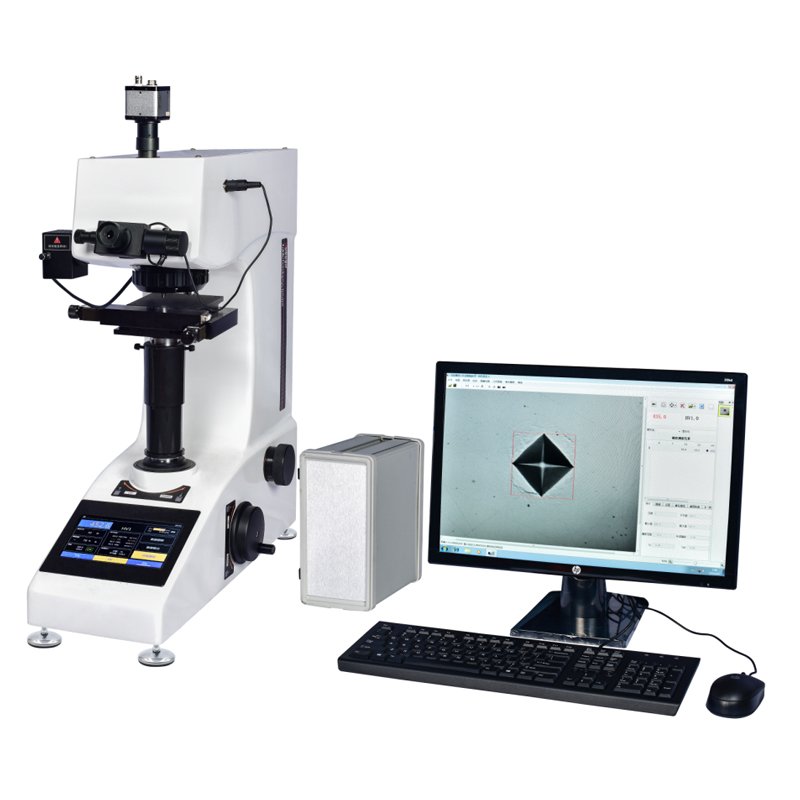
Working Principle of Automatic Hardness Tester
The working principle remains based on indentation. However, every step is automated. The tester positions the indenter, applies the load, holds it for a defined time, and measures the indentation automatically.
Electronic sensors or camera systems capture data. The software then calculates hardness values instantly. This process eliminates subjective interpretation.
Core Components of Automatic Hardness Tester
A typical Automatic Hardness Tester includes:
- Motorized load application system
- High-precision indenter
- Electronic sensors or optical camera
- Control software and processor
- Touchscreen interface
Each component works together to ensure accurate and repeatable testing.
Types of Automatic Hardness Tester
Automatic hardness testers are available for various testing methods. Common options include automatic Rockwell, automatic Vickers, and automatic Brinell testers.
Each type serves specific materials and applications. Automation enhances all methods equally by improving consistency.
Testeur automatique de dureté Rockwell
The Automatic Rockwell Hardness Tester is widely used in production environments. It offers fast cycle times and minimal surface damage.
Automatic scale selection and digital result display make it ideal for high-throughput testing.
Appareil d'essai de dureté Vickers automatique
Automatic Vickers testers focus on precision. They use motorized stages and camera-based measurement to analyze indentation size accurately.
Laboratories prefer this system for research, coatings, and microhardness testing.
Testeur de dureté Brinell automatique
Automatic Brinell testers handle heavy loads and large components. Automated optical measurement improves accuracy and reduces operator effort.
They are commonly used for castings and forged materials.
Image Recognition and Measurement Systems
Modern automatic testers often include image recognition technology. Cameras capture indentation images, and software analyzes them automatically.
This feature improves precision and eliminates manual measurement errors.
Logiciels et gestion des données
Software is a key strength of an Automatic Hardness Tester. Test data is stored digitally, enabling traceability and reporting.
Statistical analysis tools support quality improvement and audit preparation.
Advantages of Automatic Hardness Tester
Les principaux avantages sont les suivants :
- Fully automated testing process
- Précision et répétabilité élevées
- Reduced operator influence
- Improved efficiency and data management
These benefits explain the rapid adoption of automatic systems.
Précision et répétabilité
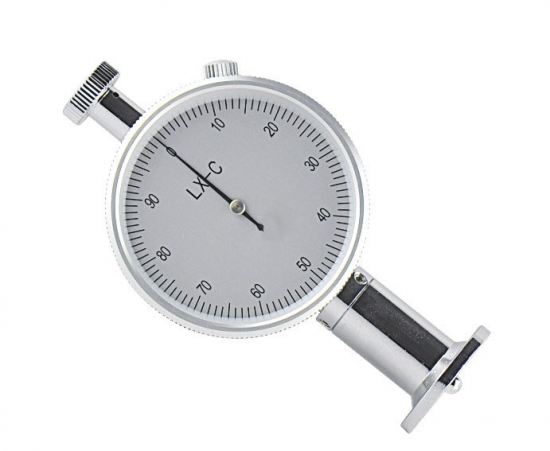
Automatic testers deliver highly repeatable results. Consistent load application and measurement eliminate variation.
This repeatability builds confidence in quality control decisions.
Étalonnage et normes internationales
Automatic hardness testing follows ASTM and ISO standards. Regular calibration ensures accuracy and compliance.
Traceable calibration supports certification and audits.
Selecting the Right Automatic Hardness Tester
Selection depends on material type, testing volume, and precision requirements. Production lines prioritize speed, while laboratories emphasize measurement accuracy.
Experienced manufacturers like Johoyd help customers select automatic solutions that align with real-world testing needs.
Automatic Hardness Tester in Manufacturing
In manufacturing, automatic hardness testing supports process control and inline inspection. Fast feedback improves productivity and reduces scrap.
Automation ensures consistent quality across large production volumes.
Automatic Hardness Tester in Laboratories
Laboratories use automatic testers for research and reference testing. Automated measurement improves accuracy and saves time.
Researchers benefit from reliable and reproducible data.
Automatic Hardness Tester in Quality Control
Quality control departments rely on automatic testers for compliance and traceability. Digital records simplify audits.
Trusted brands such as Johoyd, par le biais de https://hardnesstests.com, provide automatic hardness testing solutions aligned with global quality standards.
Integration with Smart Factories
Automatic hardness testers integrate easily with smart factory systems. Connectivity allows real-time data sharing and process optimization.
This integration supports Industry 4.0 initiatives.
Maintenance and System Care
Routine maintenance includes calibration, software updates, and optical system cleaning. Proper care ensures long-term reliability.
Well-maintained systems deliver consistent performance.
Safety Features in Automatic Testing
Automation improves safety by reducing manual handling. Interlocks and sensors protect operators during testing.
Training remains essential for safe operation.
Interpreting Automatic Test Results
Automatic systems present clear digital results. However, understanding hardness scales and conversions remains important.
Expert interpretation ensures meaningful conclusions.
Common Automation Errors
Errors may result from incorrect settings or poor sample preparation. Awareness and training minimize these risks.
Automation supports accuracy but does not replace good practice.
Future Trends in Automatic Hardness Tester
Future trends include AI-assisted analysis, robotic sample handling, and cloud-based data systems. These innovations will further enhance efficiency.
Automatic hardness testing continues to evolve with smart manufacturing.
Questions fréquemment posées
What is an Automatic Hardness Tester used for?
It performs fully automated hardness measurement with minimal operator input.
Is automatic testing more accurate than manual testing?
Yes, it improves repeatability and reduces human error.
Can automatic testers store test data?
Most systems support digital storage and reporting.
Are automatic testers suitable for production lines?
Yes, they are ideal for high-volume testing.
Les testeurs automatiques doivent-ils être étalonnés ?
Oui, un étalonnage régulier est essentiel.
Why choose an automatic system?
For efficiency, consistency, and traceability.
Conclusion
Le Testeur de dureté automatique has transformed material testing by combining precision mechanics with intelligent automation. It delivers consistent, accurate, and traceable results while reducing operator workload. In modern industry, these advantages are essential.
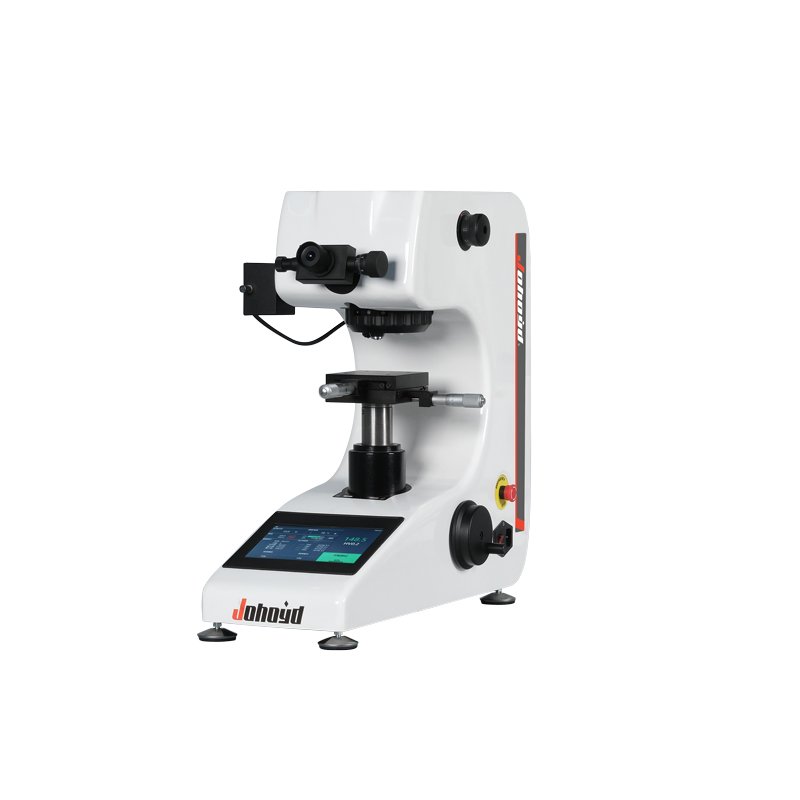
Avec des fabricants expérimentés comme Johoyd offering advanced automatic solutions through hardnesstests.com, companies gain confidence in their testing processes. As automation and smart technologies continue to advance, automatic hardness testing will remain a key pillar of quality and innovation.
Liens internes suggérés
- Automated Material Testing Solutions
- Digital and Smart Hardness Testing Methods
Liens sortants suggérés
- ASTM Automatic Hardness Testing Standards
- ISO Guidelines for Automated Measurement