




Hardness Tester: Principles, Technologies, and Applications in Modern Materials Engineering

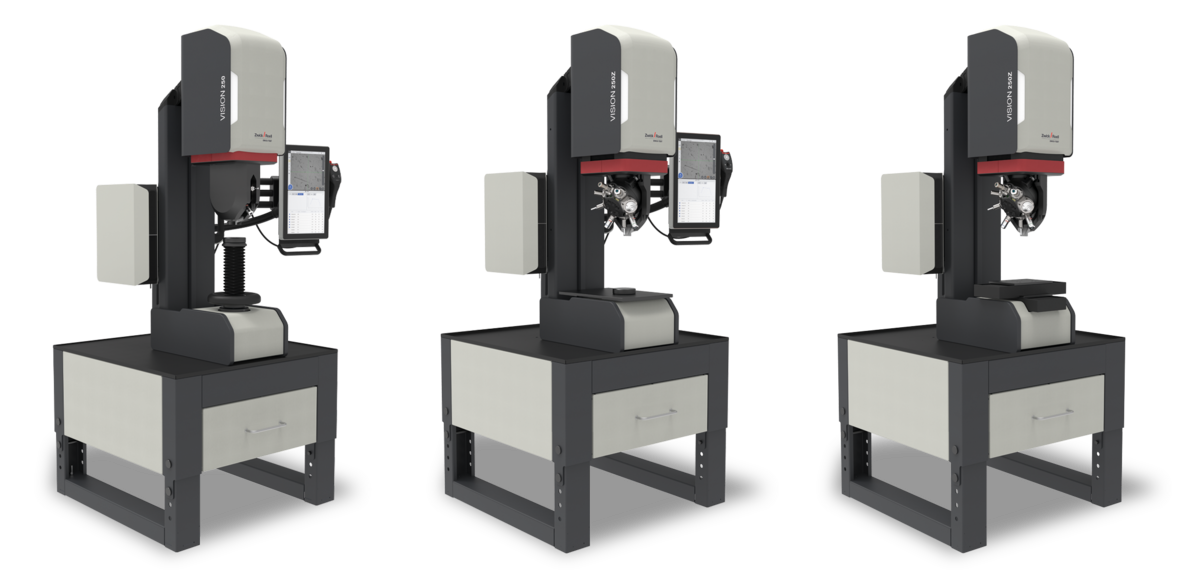
Hardness testing represents one of the most critical quality control procedures in materials science and manufacturing engineering. A durómetro is a precision instrument designed to quantify a material’s resistance to localized plastic deformation—essentially measuring how well a substance resists indentation, scratching, or abrasion. Unlike fundamental properties such as density or melting point, hardness is an engineering property that combines elastic and plastic deformation behavior under controlled loading conditions.
This comprehensive examination explores the metallurgical principles, technological classifications, international standards, and industrial applications that define contemporary hardness testing methodologies.
Fundamental Principles of Hardness Testing
All conventional hardness testing operates on the indentation principle: a penetrator of defined geometry and material composition is forced into the test specimen surface under a specific load for a predetermined duration. The resulting hardness value correlates either to the depth of penetration or the dimensions of the residual impression left after load removal
.
The relationship between hardness and other mechanical properties is particularly significant in metals. High hardness values typically indicate high tensile strength but potentially reduced ductility, while low hardness suggests greater formability but decreased wear resistance. In welding applications, hardness measurements are crucial for assessing susceptibility to hydrogen-induced cold cracking (HICC) and stress corrosion cracking (SCC), often requiring weld zones to maintain hardness below critical threshold values
.
Classification of Hardness Testing Methods
1. Rockwell Hardness Testing
The Rockwell method, governed by ASTM E18 and ISO 6508, is the most widely utilized hardness testing protocol in North American manufacturing due to its speed, cost-effectiveness, and minimal surface preparation requirements
.
Operational Principle: The Rockwell tester measures the depth of penetration under large load relative to that made by a preliminary minor load. A diamond cone indenter (120° angle) or hardened steel ball (1/16″ or 1/8″ diameter) is forced into the material under preliminary loads (10 kgf for regular Rockwell, 3 kgf for superficial Rockwell) followed by major loads ranging from 60–150 kgf
.
Scale Designations:
- HRC: Diamond indenter, 150 kgf (hardened steels)
- HRB: 1/16″ ball indenter, 100 kgf (softer steels, copper alloys)
- Superficial Rockwell: 15N, 30N, 45N scales using reduced loads (15–45 kgf) for thin materials, case-hardened components, and coatings
Advantages:
- Direct hardness reading without optical measurement
- Rapid testing suitable for production environments
- Minimal surface finish requirements
- Wide hardness range coverage through multiple scales
2. Brinell Hardness Testing
Developed in 1900, the Brinell test remains the preferred method for coarse-grained or inhomogeneous materials such as castings and forgings, following ASTM E10 and ISO 6506 standards
.
Operational Principle: A hardened steel or tungsten carbide ball (typically 10 mm diameter) is impressed into the material under a 3000 kgf load for ferrous materials (or 500 kgf for non-ferrous alloys). The resulting indentation diameter is measured optically, and hardness is calculated as the load divided by the spherical surface area of the impression
.
Key Characteristics:
- Large indentation area (2–6 mm typical diameter) averages out local heterogeneities
- Load range: 1–3000 kgf with standardized force-diameter ratios (1, 2.5, 5, 10, 30)
- Designated as HBW (Hardness Brinell Wolfram carbide) when using tungsten carbide balls
- Limited resolution for narrow heat-affected zones in welds due to impression size
3. Vickers Hardness Testing
The Vickers test, standardized under ASTM E92/E384 and ISO 6507, represents the most versatile hardness measurement method, applicable to all solid materials regardless of hardness level
.
Operational Principle: A diamond indenter in the form of a right pyramid with a square base (136° angle between opposite faces) creates a geometrically similar indentation at all test forces. The two diagonals of the resulting square impression are measured microscopically, and hardness (HV) equals the applied force divided by the sloped surface area of the indentation
.
Testing Ranges:
- Macro Vickers: 5–120 kgf for bulk material characterization
- Microhardness: 10–1000 gf (ASTM E384) for thin coatings, surface layers, and microstructural constituents
- Nanohardness: <10 gf for advanced material research
Distinctive Advantages:
- Single continuous scale from very soft to very hard materials
- Indentation geometry remains constant regardless of load
- Suitable for thin materials and surface-hardened components
4. Knoop Hardness Testing
The Knoop method, also covered by ASTM E384 and ISO 4545, utilizes a rhombic-based diamond indenter with long-to-short diagonal ratios of approximately 7:1
.

Applications:
- Extremely thin coatings and surface treatments
- Brittle materials (ceramics, glasses) where shallow indentations prevent cracking
- Microstructural phase identification in metallographic analysis
- Long, narrow indentations facilitate measurement in confined microstructural regions
5. Shore (Durometer) Hardness Testing
For elastomers, rubbers, and soft plastics, ASTM D2240 and ISO 48-4 define the Shore hardness methodology using spring-loaded indenters
.
Scale Variations:
- Shore A: Soft rubbers, elastomers, flexible plastics
- Shore D: Hard plastics, rigid thermoplastics
- Shore OO: Extremely soft gels and sponge materials
The durometer measures indentation depth under spring force, with higher values indicating greater resistance to penetration
.
Portable and Advanced Hardness Testing Technologies
Leeb (Rebound) Hardness Testing
Standardized under ASTM A956, ISO 16859, and DIN 50156, the Leeb method deploys a portable device that propels a tungsten carbide or diamond-tipped impact body against the test surface. Hardness is calculated from the ratio of rebound velocity to impact velocity, following the principle that harder materials produce higher rebound velocities
.
Best Applications:
- Large, heavy components unsuitable for bench testing
- On-site inspection of pipelines, pressure vessels, and structural steel
- Rapid sorting of materials in warehouse environments
Ultrasonic Contact Impedance (UCI)
Defined in ASTM A1038 and DIN 50159-1, UCI testers utilize a Vickers diamond indenter attached to a vibrating rod. The resonant frequency shift correlates with indentation area and material hardness
.
Advantages:
- Minimal indentation size (nearly non-destructive)
- Suitable for thin-walled components (<1 mm thickness)
- Effective for weld hardness profiling and heat-affected zone evaluation
Pencil Hardness Testing (ASTM D3363)
For coating hardness evaluation, particularly in aerospace and electronics manufacturing, calibrated graphite pencils of increasing hardness (6B to 6H) are drawn across coated surfaces to determine the hardest pencil that does not scratch or gouge the coating
.
International Standards and Calibration Protocols
Standardization ensures reproducibility across laboratories and manufacturing facilities worldwide. The primary standardization bodies include:表格
复制
| Test Method | ASTM Standards | ISO Standards | DIN Standards |
|---|---|---|---|
| Rockwell | E18 | 6508 | 50157 |
| Brinell | E10 | 6506 | 50151 |
| Vickers | E92, E384 | 6507 | 50133 |
| Knoop | E384 | 4545 | — |
| Leeb | A956 | 16859 | 50156 |
| Shore | D2240 | 48-4 | 53505 |
| UCI | A1038 | — | 50159-1 |
Verification Requirements: Hardness testers require regular calibration using certified reference blocks traceable to national metrology institutes. Daily verification involves testing reference specimens at various hardness levels to ensure measurement drift remains within tolerance limits defined by the respective standards
.
Industrial Applications and Selection Criteria
Aerospace and Automotive
- Surface-hardened steels: Superficial Rockwell or Vickers for case depth verification
- Aluminum alloys: Brinell or Rockwell B-scale for heat treat verification
- Coatings: Microhardness (Vickers/Knoop) for thermal barrier coatings and PVD/CVD layers
Oil and Gas
Pipeline steels and wellhead components require hardness testing per ISO 15156-2 (NACE MR0175) to ensure resistance to sulfide stress cracking in hydrogen sulfide environments. Maximum hardness limits (typically 250 HV or 22 HRC) are strictly enforced for carbon and low-alloy steels
.
Medical Devices
Orthopedic implants and surgical instruments undergo Vickers or Knoop testing per ASTM F746 and ASTM F1372 to verify surface hardness affects wear resistance and biocompatibility without compromising corrosion resistance
.
Electronics
Microhardness testing (ASTM E384) evaluates solder joints, gold wire bonds, and silicon wafer metallization layers where indentation loads range from 10–500 gf.
Selection Guidelines
表格
复制
| Material/Condition | Recommended Method | Rationale |
|---|---|---|
| Bulk steel, production QC | Rockwell | Speed, direct reading, cost efficiency |
| Cast iron, coarse grain | Brinell | Large indentation averages microstructure |
| Thin sheets (<0.5 mm) | Superficial Rockwell or Vickers | Low load prevents anvil effect |
| Case-hardened gears | Vickers cross-section | Precise case depth measurement |
| Ceramic coatings | Knoop | Shallow penetration prevents fracture |
| Field inspection of welds | UCI or Leeb | Portability, minimal sample preparation |
Modern Developments and Digital Integration
Contemporary hardness testing has evolved toward universal testing platforms capable of performing Rockwell, Brinell, and Vickers measurements within a single instrument. These systems feature:
- Automated indentation measurement using high-resolution optics and image analysis software
- Robotic sample handling for high-throughput quality control laboratories
- Wireless data transmission to laboratory information management systems (LIMS)
- Automated scale conversion between hardness values and tensile strength estimates
- Cloud-based calibration tracking ensuring compliance with ISO/IEC 17025 laboratory accreditation requirements
Portable hardness testers now integrate smartphone applications for GPS-tagged measurements, photographic documentation of test locations, and instant statistical analysis of batch hardness distributions.
Conclusión
The hardness tester remains an indispensable instrument in materials characterization, serving as the gatekeeper for mechanical reliability across virtually every industrial sector. From the shop-floor Rockwell tester verifying heat treatment of automotive gears to the laboratory microhardness system analyzing nanometer-scale thin films in semiconductor manufacturing, these instruments provide critical data linking material microstructure to macroscopic performance.
Understanding the specific capabilities and limitations of each testing methodology—whether the depth-sensing Rockwell approach, the optical measurement requirements of Brinell and Vickers, or the dynamic rebound principles of Leeb testing—enables engineers to select appropriate quality control protocols that ensure component reliability while maintaining manufacturing efficiency.
As materials science advances toward nanostructured alloys, gradient coatings, and additively manufactured components, hardness testing technology continues to evolve, offering higher resolution, improved automation, and enhanced portability without compromising the metrological rigor established by international standards bodies.