




Coating Hardness Testing: Essential Guide to Methods, Standards, and Industrial Applications

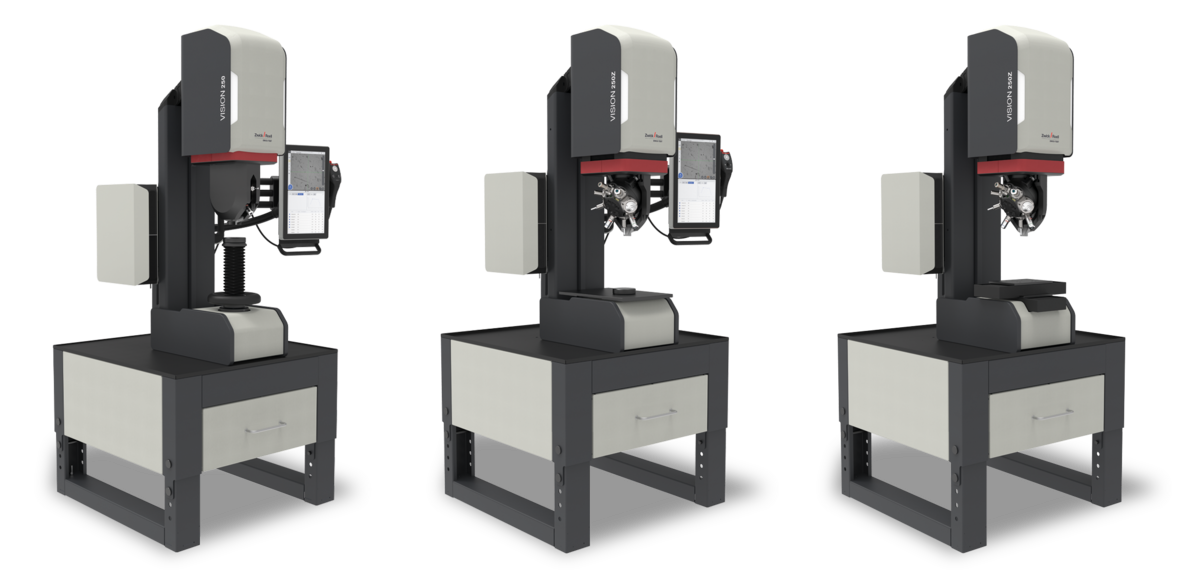
Coating Hardness Testing
Introducción
Coating hardness testing is a specialized evaluation method used to determine the resistance of a coated surface to indentation, scratching, abrasion, or mechanical deformation. Many industrial products rely on protective coatings to improve durability, corrosion resistance, and surface strength. Testing the hardness of these coatings ensures they can withstand mechanical stress during operation.
Coatings are widely used in industries such as automotive, aerospace, electronics, construction, marine engineering, and manufacturing. Examples include paint coatings, protective metal layers, ceramic coatings, and polymer finishes.
Because coatings are often thin layers applied to a substrate, measuring their hardness requires precise testing techniques. Coating hardness testing helps manufacturers verify coating quality, ensure product reliability, and comply with international standards.
What Is Coating Hardness Testing?
Coating hardness testing is a material testing process used to measure how resistant a coating layer is to mechanical damage. The test evaluates how well the coating withstands indentation, scratching, penetration, or wear under controlled conditions.
The main objectives of coating hardness testing include:
- Determining coating durability
- Verifying surface protection performance
- Ensuring coating adhesion and integrity
- Evaluating resistance to scratching or abrasion
- Supporting quality control in production
Since coatings are typically thin, specialized testing methods are used to avoid penetrating the underlying substrate.
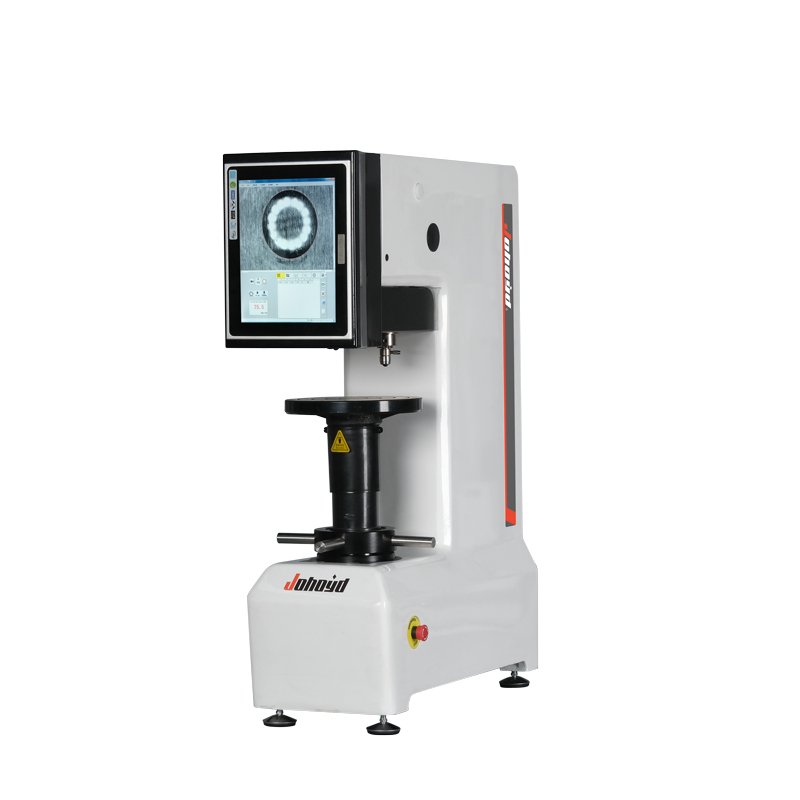
Importance of Coating Hardness Testing
Coating hardness testing is essential in many industries where surface protection plays a critical role.
Ensures Coating Durability
Hardness indicates how well a coating can resist mechanical damage during use.
Improves Product Lifespan
Harder coatings often provide better protection against wear, corrosion, and environmental damage.
Maintains Quality Standards
Manufacturers rely on hardness testing to ensure coatings meet design specifications and industry requirements.
Supports Product Development
Testing allows engineers to compare coating materials and select the most suitable option.
Principle of Coating Hardness Testing
The basic principle of coating hardness testing involves applying a controlled force to a coated surface and measuring the resulting deformation or damage.
General Testing Process
- A testing tool or indenter is applied to the coating surface.
- A defined load or force is applied.
- The resistance of the coating to indentation or scratching is measured.
- The hardness value or rating is determined based on standardized methods.
Harder coatings produce less deformation or scratching, indicating stronger surface protection.
Common Methods of Coating Hardness Testing
Several testing methods are used to evaluate coating hardness depending on coating thickness and material type.
Pencil Hardness Test
En pencil hardness test is one of the simplest and most widely used coating hardness tests.
How It Works
Different pencils with varying hardness levels are pushed across the coating surface. The hardest pencil that does not scratch the coating determines the hardness rating.
Ventajas
- Simple and inexpensive
- Quick testing process
- Widely used for paint coatings
This method is commonly applied in automotive coatings and decorative finishes.
Scratch Hardness Test
The scratch hardness test evaluates the resistance of a coating to scratching under a controlled load.
Procedure
A stylus or diamond tip is drawn across the coating surface while gradually increasing the applied force.
Aplicaciones
- Protective coatings
- Thin film coatings
- Hard coatings such as ceramics
The force required to damage the coating indicates its hardness level.
Microhardness Testing
Microhardness testing methods such as Vickers or Knoop tests are used for thin coatings.
Características
- Uses a diamond indenter
- Applies very small loads
- Produces microscopic indentations
This method is commonly used for metal coatings, electroplated layers, and thin films.
Nanoindentation Testing
Nanoindentation is an advanced hardness testing method used for extremely thin coatings.
Key Features
- High precision measurement
- Suitable for nanometer-scale coatings
- Measures hardness and elastic modulus
Nanoindentation is widely used in research laboratories and advanced material science studies.
Equipment Used in Coating Hardness Testing
Several specialized instruments are used to perform coating hardness tests.
Pencil Hardness Tester
This device holds pencils at a fixed angle and applies controlled pressure to the coating surface.
It is widely used for testing paint and polymer coatings.
Scratch Tester
Scratch testers use a diamond stylus to evaluate coating resistance to scratching.
They allow:
- Adjustable load application
- Accurate scratch measurement
- Controlled testing conditions
Microdurómetro
Microhardness testers use optical microscopes to measure indentation size.
They are commonly used in laboratories and quality control departments.
Nanoindentation System
Nanoindentation systems measure extremely small indentations using advanced sensors and software.
They are used in advanced coating research and material development.
Factors Affecting Coating Hardness Testing
Several factors can influence test results.
Coating Thickness
Thin coatings require low-load testing methods.
Surface Preparation
Clean and smooth surfaces improve measurement accuracy.
Substrate Material
The hardness of the substrate can influence test results if the coating is very thin.
Test Load
Different loads may produce different hardness measurements.
Applications of Coating Hardness Testing
Coating hardness testing is widely used across many industries.
Industria del automóvil
Automotive manufacturers test coating hardness to ensure durability of:
- Vehicle paint coatings
- Protective metal coatings
- Interior decorative finishes
Industria aeroespacial
Aircraft components require coatings that resist extreme wear and environmental exposure.
Electronics Industry
Hard coatings protect electronic components from scratches and corrosion.
Construction Industry
Protective coatings on building materials require hardness testing to ensure long-term durability.
Manufacturing Industry
Manufacturers test coatings applied to:
- Industrial tools
- Machinery components
- Metal surfaces
Advantages of Coating Hardness Testing
Coating hardness testing offers many benefits.
Improves Product Quality
Testing ensures coatings meet required durability standards.
Supports Quality Control
Manufacturers can monitor coating performance during production.
Enhances Product Reliability
Hard coatings provide better protection and longer service life.
Non-Destructive or Minimal Damage
Most tests cause only minor surface marks.
Limitations of Coating Hardness Testing
Despite its benefits, the testing process has some limitations.
- Thin coatings require specialized equipment
- Substrate influence may affect results
- Surface preparation is often required
- Some tests may cause visible scratches
Proper testing methods help minimize these challenges.
Standards for Coating Hardness Testing
To ensure consistent results, hardness testing follows internationally recognized standards.
Common standards include:
- ASTM coating hardness testing standards
- ISO coating testing standards
- DIN coating hardness standards
For more information about material testing standards, visit:
https://www.astm.org
Future Trends in Coating Hardness Testing
Advancements in testing technology continue to improve accuracy and efficiency.
Emerging innovations include:
⚡ Automated hardness testing systems
⚡ AI-assisted coating analysis
⚡ Nano-scale hardness measurement technologies
⚡ Digital testing equipment with real-time data analysis
⚡ Integration with smart manufacturing systems
These technologies help industries maintain higher quality standards and improved coating performance.
Frequently Asked Questions (FAQs)
1. What is coating hardness testing used for?
Coating hardness testing measures a coating’s resistance to scratching, indentation, and mechanical damage.
2. Which method is commonly used for coating hardness testing?
Common methods include pencil hardness testing, scratch testing, microhardness testing, and nanoindentation.
3. Why is coating hardness important?
Hard coatings provide better protection against wear, corrosion, and mechanical damage.
4. Can coating hardness testing damage the coating?
Some tests may create small marks or scratches, but they generally do not cause significant damage.
5. What industries use coating hardness testing?
Industries such as automotive, aerospace, electronics, construction, and manufacturing use coating hardness testing.
6. What equipment is used for coating hardness testing?
Common equipment includes:
- Pencil hardness testers
- Scratch testers
- Microhardness testers
- Nanoindentation systems
Conclusión
Coating hardness testing is an essential process for evaluating the durability and mechanical strength of protective coatings. By measuring a coating’s resistance to indentation, scratching, and wear, manufacturers can ensure that coatings provide reliable protection for industrial components.
With advancements in microhardness testing, nanoindentation technology, and digital testing systems, coating hardness evaluation continues to evolve. These innovations help industries improve product quality, enhance durability, and maintain high manufacturing standards across a wide range of applications. ⚙️