




Bench rockwell hardness testerbench rockwell hardness testerbench rockwell hardness tester


What is a Bench Rockwell Hardness Tester?
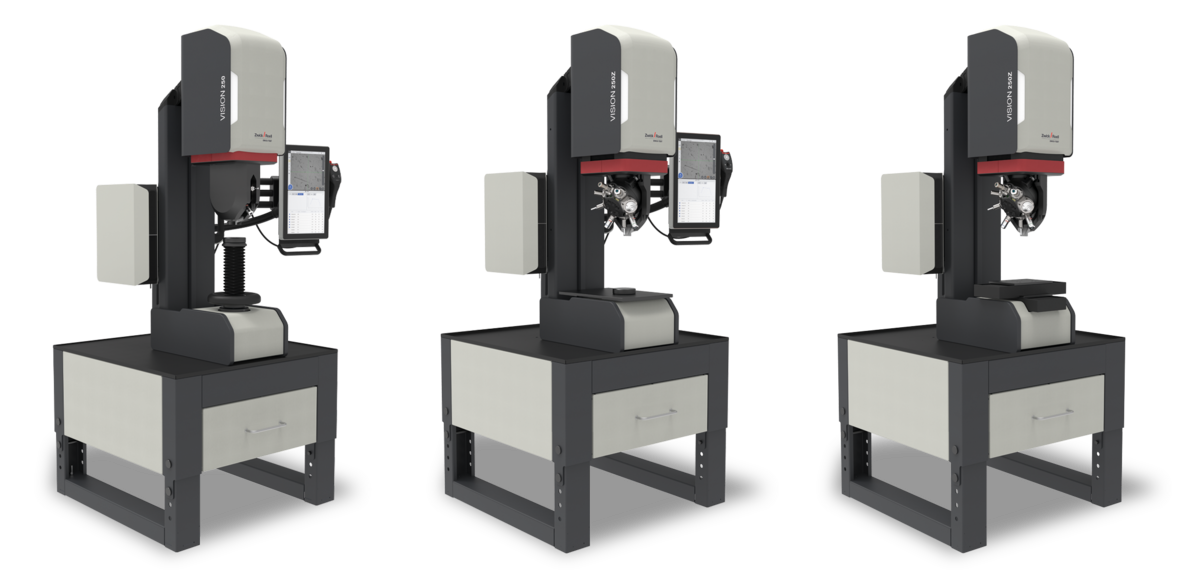
A bench Rockwell hardness tester is a stationary laboratory or workshop instrument designed to measure the hardness of materials using the Ensayo de dureza Rockwell. Mounted on a stable bench or table, this type of hardness tester provides highly accurate and repeatable hardness measurements for metals and alloys.
Bench Rockwell hardness testers are widely used in quality control laboratories, manufacturing plants, educational institutions, and research centers. Their rigid structure and precise load application make them ideal for testing a wide range of materials such as steel, aluminum, brass, and heat-treated components.
Compared with portable testers, bench models offer higher stability, improved accuracy, and better measurement consistency, making them a preferred choice for professional material testing environments.
Principle of the Rockwell Hardness Test ⚙️
The bench Rockwell hardness tester operates based on the Ensayo de dureza Rockwell, which determines hardness by measuring the depth of indentation produced by a standard indenter under specific loads.
Basic Testing Procedure
- Application of Minor Load
- A minor load (typically 10 kgf) is applied to seat the indenter against the specimen surface.
- Application of Major Load
- A major load (60 kgf, 100 kgf, or 150 kgf) is applied to create the indentation.
- Removal of Major Load
- The major load is removed while the minor load remains.
- Hardness Measurement
- The tester measures the permanent indentation depth and converts it into a Rockwell hardness value.
The hardness is displayed in Rockwell scales such as:
- HRC – used for hardened steels
- HRB – used for softer metals
- HRA – used for very hard materials
Main Components of a Bench Rockwell Hardness Tester
A bench Rockwell hardness tester consists of several precision components that ensure accurate and reliable hardness measurements.
1. Rigid Machine Frame
The machine frame provides structural stability during testing and minimizes vibration that could affect measurement accuracy.
2. Indenter Assembly
The indenter penetrates the specimen surface during the hardness test.
Common types include:
- Diamond cone (Brale indenter)
- Hardened steel ball indenter

3. Load Application System
The system applies the required test loads through mechanical or electronic mechanisms.
4. Dial Gauge or Digital Display
The hardness value is displayed on either:
- Analog dial indicator
- Digital display panel
5. Anvil and Specimen Stage
The anvil supports the test specimen and can be adjusted vertically to ensure proper contact with the indenter.
Common anvil types include:
- Flat anvil
- V-shaped anvil
- Spot anvil
6. Control Panel
Modern bench hardness testers include controls for selecting hardness scales and test parameters.
Types of Bench Rockwell Hardness Testers
Bench Rockwell hardness testers are available in different configurations depending on the level of automation and testing requirements.
Manual Bench Rockwell Hardness Tester
These testers require manual operation for load application and measurement. They are widely used in educational laboratories and small workshops.
Digital Bench Rockwell Hardness Tester
Digital testers automatically calculate and display hardness values, improving accuracy and efficiency.
Automatic Bench Rockwell Hardness Tester
Fully automated machines control load application, indentation measurement, and result calculation electronically.
Superficial Rockwell Hardness Tester
Designed for testing thin materials or surface-treated components with lower test loads.
Applications of Bench Rockwell Hardness Testers 🏭
Bench Rockwell hardness testers are widely used across numerous industries for material quality verification.
Fabricación de metales
Manufacturers use hardness testing to verify the mechanical properties of metals such as:
- Carbon steel
- Stainless steel
- Aluminum alloys
- Copper alloys
Industria del automóvil
Hardness testing ensures reliability and durability of automotive components such as:
- Gears
- Camshafts
- Engine parts
- Bearings
Heat Treatment Inspection
After heat treatment processes like quenching or tempering, hardness testing verifies whether the desired hardness level has been achieved.
Industria aeroespacial
Aircraft components require strict material quality standards. Bench hardness testers help ensure structural reliability.
Educational Institutions
Engineering colleges and universities use bench hardness testers to teach students about material testing methods.
Advantages of Bench Rockwell Hardness Testers 🌟
Bench-mounted hardness testers provide several advantages over portable testing equipment.
High Measurement Accuracy
The rigid structure ensures precise load application and indentation measurement.
Excellent Repeatability
Consistent testing conditions lead to reliable and repeatable results.
Ease of Operation
Most machines have simple controls and user-friendly interfaces.
Wide Testing Range
Bench testers support multiple Rockwell hardness scales for different materials.
Durable Construction
These machines are designed for long-term use in demanding laboratory and industrial environments.
Key Testing Parameters
To achieve accurate hardness results, certain parameters must be carefully controlled.
Test Loads
Standard Rockwell test loads include:
| Load Type | Force |
|---|---|
| Minor Load | 10 kgf |
| Major Load | 60 kgf |
| Major Load | 100 kgf |
| Major Load | 150 kgf |
Indenter Type
Different indenters are used depending on the Rockwell hardness scale.
Surface Condition
The specimen surface should be clean, flat, and smooth to ensure accurate indentation.
Specimen Thickness
The material must be thick enough to avoid distortion during testing.
How to Use a Bench Rockwell Hardness Tester
Operating a bench Rockwell hardness tester typically involves the following steps:
- Prepare the test sample surface.
- Select the appropriate Rockwell scale.
- Place the specimen on the anvil.
- Adjust the anvil height until the indenter contacts the sample.
- Apply the minor load and set the reference point.
- Apply the major load.
- Remove the major load and read the hardness value.
Maintenance and Calibration
Regular maintenance ensures accurate and reliable testing results.
Routine Maintenance
- Clean the indenter and test surface regularly
- Check mechanical components for wear
- Inspect electrical connections
Calibration
Calibration should be performed periodically using certified hardness test blocks according to international standards.
For reference testing procedures and standards, organizations such as ASTM International provide guidelines for hardness testing methods.
Future Trends in Hardness Testing Technology 🚀
Material testing equipment continues to evolve with advanced technologies.
Digital Integration
Modern hardness testers can connect to computers and laboratory management systems.
Smart Data Analysis
Automated systems analyze test results and generate reports instantly.
Industrial Automation
Hardness testers are increasingly integrated into automated production lines for real-time quality monitoring.
AI-Assisted Quality Control
Artificial intelligence may soon help detect material defects during hardness testing.
Preguntas más frecuentes (FAQ)
What materials can be tested using a bench Rockwell hardness tester?
Bench Rockwell hardness testers can test metals such as steel, aluminum, brass, copper, and heat-treated alloys.
What is the difference between portable and bench hardness testers?
Portable testers are designed for field use, while bench testers provide higher accuracy and stability for laboratory testing.
Which Rockwell scale is commonly used for steel?
En HRC scale is commonly used for hardened steel materials.
Why is surface preparation important in hardness testing?
A smooth and clean surface ensures accurate indentation measurement and reliable hardness results.
How often should a hardness tester be calibrated?
Calibration frequency depends on usage but is typically performed every 6–12 months or according to testing standards.
What industries use Rockwell hardness testers?
Industries such as manufacturing, automotive, aerospace, metal processing, and research laboratories commonly use hardness testers.
Conclusión
A bench Rockwell hardness tester is an essential instrument for accurate and reliable hardness measurement in laboratories and industrial environments. By utilizing the proven Ensayo de dureza Rockwell, these machines help manufacturers verify material strength, ensure product quality, and maintain strict engineering standards.