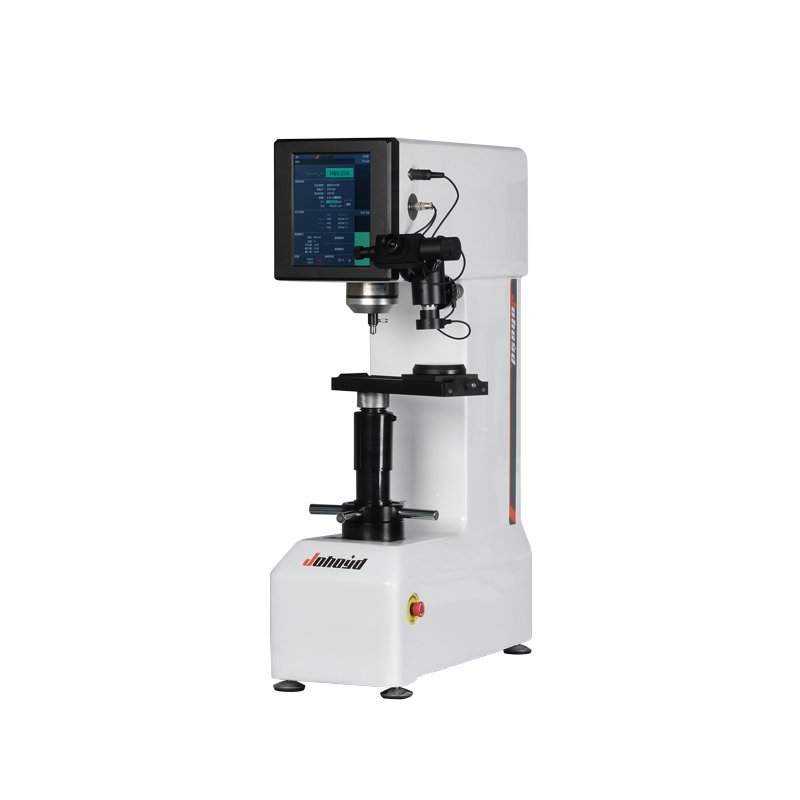
Rockwell Hardness Test Machine: Types, Features and Buying Guide

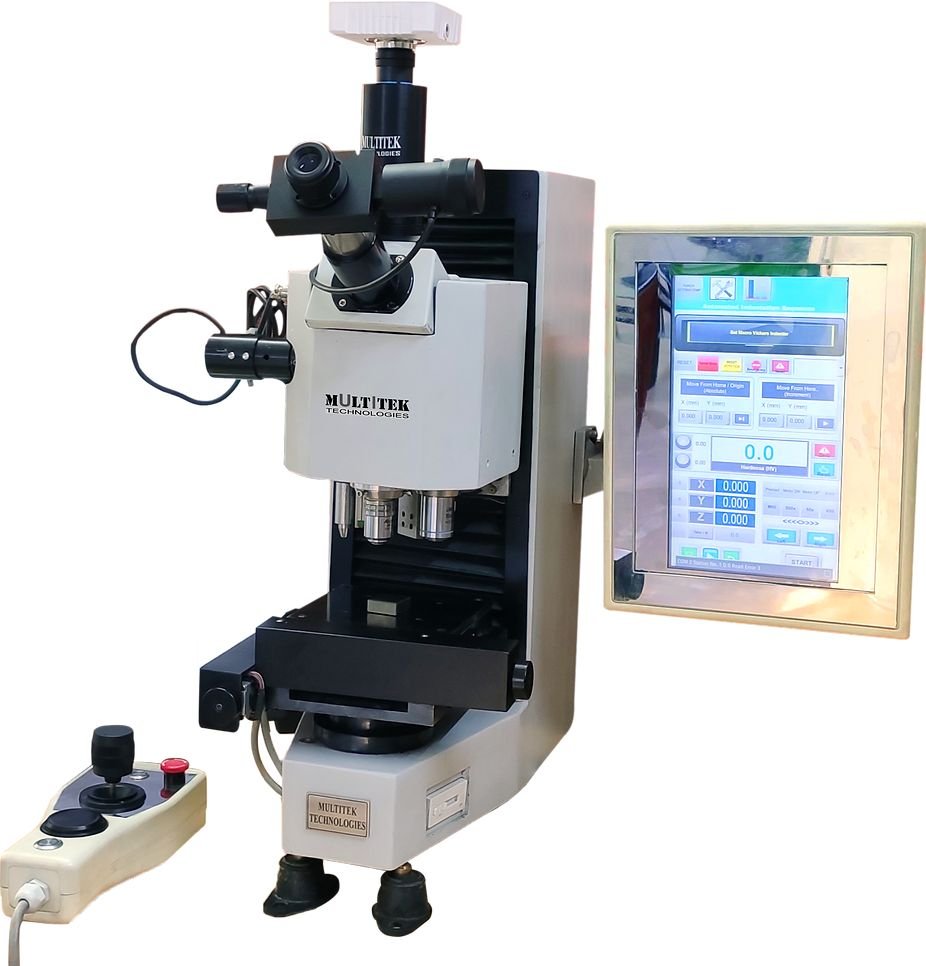
Introduction to Rockwell Hardness Test Machines
A Rockwell hardness test machine is one of the most widely used instruments in materials testing and quality control. It is designed to measure the hardness of metals by evaluating the depth of indentation created under a controlled load. Because it provides fast and direct readings, it is a standard tool in manufacturing, heat treatment, automotive, aerospace, and laboratory environments.
Unlike optical hardness testing methods, a Rockwell hardness test machine eliminates the need for microscope-based measurement. Instead, it directly calculates hardness based on indentation depth differences between minor and major loads. This makes it highly efficient for both production lines and laboratory inspections.
Modern Rockwell hardness test machines are available in manual, digital, automatic, and superficial versions, offering flexible solutions for different industrial requirements.
What Is a Rockwell Hardness Test Machine?
Definición y finalidad
A Rockwell hardness test machine is a precision testing instrument used to determine the hardness of a material by measuring the permanent depth of penetration of an indenter under a specific load.
Its main purposes include:
- Material inspection and classification
- Verificación del tratamiento térmico
- Quality control in production
- Research and development testing
- Cumplimiento de las normas internacionales
How It Works
The operation of a Rockwell hardness test machine follows these steps:
- Apply a minor load to establish a reference position.
- Apply a major load based on the selected Rockwell scale.
- Remove the major load while maintaining the minor load.
- Measure the permanent indentation depth.
- Display the hardness value automatically.
This direct-reading system makes Rockwell testing one of the fastest hardness measurement methods available.
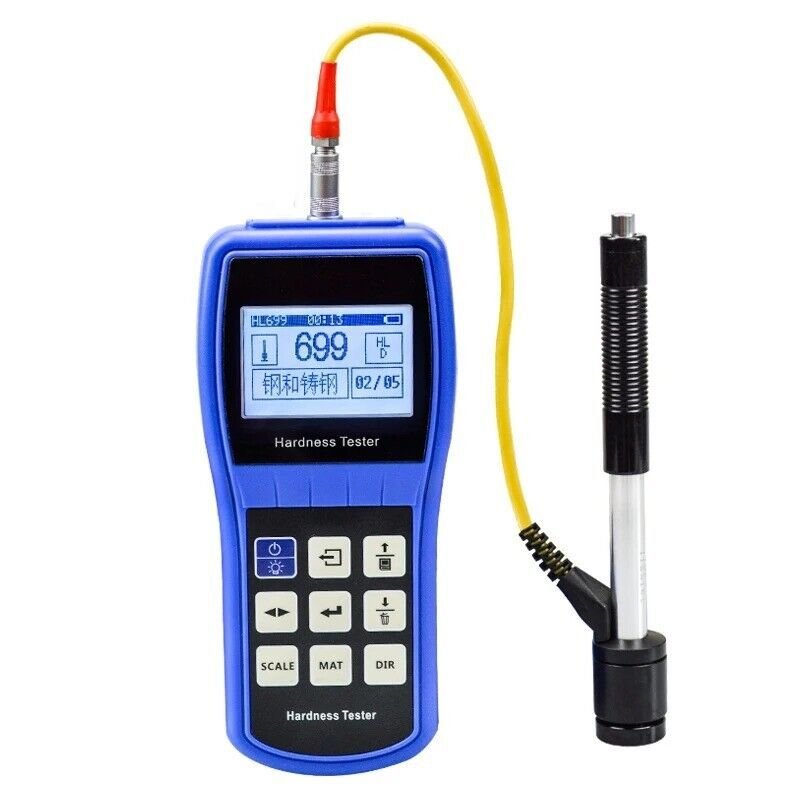
Rockwell Hardness Testing Principle
Carga menor y carga mayor
Rockwell testing uses two controlled forces:
- Minor load: typically 10 kgf
- Major load: 60 kgf, 100 kgf, or 150 kgf depending on scale
The difference in indentation depth is converted into a Rockwell hardness number.
Indentation Depth Measurement
The machine measures the depth difference between pre-load and full-load conditions. This eliminates the need for optical measurement and improves testing speed.
Escalas de dureza Rockwell
Entre las escalas más comunes se encuentran:
- HRC – hardened steel
- HRB – soft metals like aluminum and brass
- HRA – hard materials and carbides
- Superficial scales – thin or delicate materials
Types of Rockwell Hardness Test Machines
Manual Machines
Best for:
- Small labs
- Low-cost setups
- Educational use
Digital Machines
Features include:
- Automatic calculation
- Digital display
- Almacenamiento de datos
- Multi-scale support
Automatic Machines
Designed for:
- High-volume production
- Batch testing
- Automated loading and reporting
Superficial Rockwell Machines
Se utiliza para:
- Thin sheets
- Surface-hardened parts
- Componentes de precisión
Key Components of a Rockwell Hardness Test Machine
Loading System
Applies controlled minor and major forces with high precision.
Sistema de penetrador
Uses either a diamond cone or tungsten carbide ball depending on material type.
Anvil and Specimen Stage
Holds the test sample securely to ensure accurate results.
Sistema de visualización y control
Modern machines include digital screens or touchscreen interfaces for easy operation.
Key Features of Modern Machines
Touchscreen Interface
Simplifies operation and improves user experience.
Aplicación automática de carga
Reduces operator error and improves repeatability.
Almacenamiento de datos y conectividad
Supports USB, Ethernet, SPC software, and LIMS integration.
High Accuracy Sensors
Ensure consistent and traceable hardness results.
Applications of Rockwell Hardness Test Machines
Heat Treatment Industry
Used to verify hardness after quenching, tempering, and carburizing.
Fabricación de automóviles
Tests gears, shafts, bearings, and engine components.
Industria aeroespacial
Ensures structural integrity of critical components.
Plantas de transformación de metales
Used for raw material inspection and final product testing.
Laboratorios de control de calidad
Provides routine hardness verification and certification.
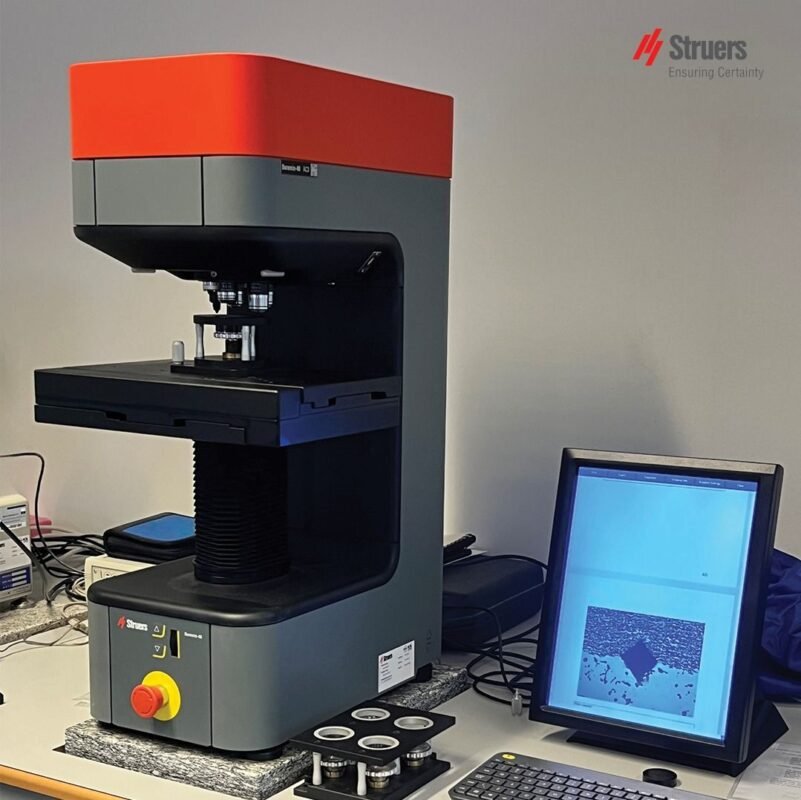
How to Choose the Right Rockwell Hardness Test Machine
Tipo de material
Select based on metals and hardness range required.
Test Volume
Manual for low use, automatic for high production.
Nivel de automatización
Digital and automatic machines improve efficiency.
Compliance Standards
Ensure compatibility with ASTM E18 and ISO 6508.
Calibración y mantenimiento
Bloques de calibración
Certified blocks ensure measurement accuracy.
Routine Inspection
Regular checks maintain performance consistency.
Mantenimiento preventivo
Includes cleaning indenters, checking load systems, and software updates.
Ventajas y limitaciones
Ventajas
- Pruebas rápidas
- Alta precisión
- Funcionamiento sencillo
- Direct reading
- Wide industrial use
Limitaciones
- Not ideal for ultra-thin coatings
- Requires proper specimen thickness
- Needs periodic calibration
Industry Standards
Common standards include:
- ASTM E18 – Rockwell hardness testing
- ISO 6508 – Rockwell hardness method
- ASTM E140 – Hardness conversion tables
Referencias oficiales:
Preguntas frecuentes
1. What is a Rockwell hardness test machine used for?
It is used to measure material hardness through indentation depth under controlled loads.
2. What materials can it test?
Steel, stainless steel, aluminum, brass, copper, and other metals.
3. What is the difference between digital and manual machines?
Digital machines automate readings and data storage, while manual machines rely more on operator input.
4. What is the most common Rockwell scale?
HRC for hardened steel and HRB for softer metals.
5. How often should it be calibrated?
Regular verification with certified hardness blocks is recommended.
6. Can it be used in production lines?
Yes, especially automatic and digital models designed for industrial environments.
Conclusión
A Rockwell hardness test machine is an essential tool for modern material testing and quality control. It delivers fast, reliable, and repeatable hardness measurements across a wide range of industrial applications. Whether manual, digital, or fully automatic, choosing the right machine helps improve production quality, ensure compliance, and reduce testing errors.