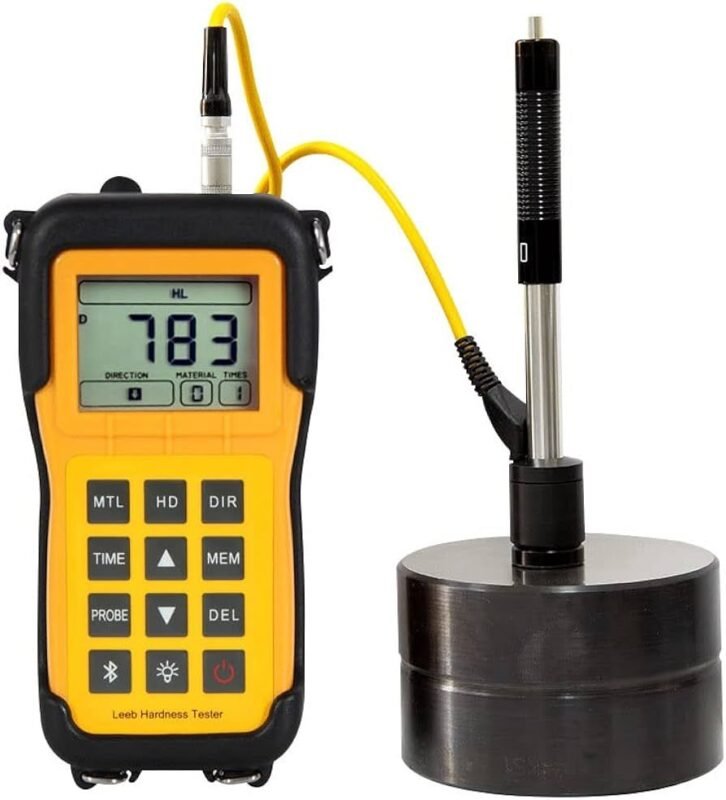
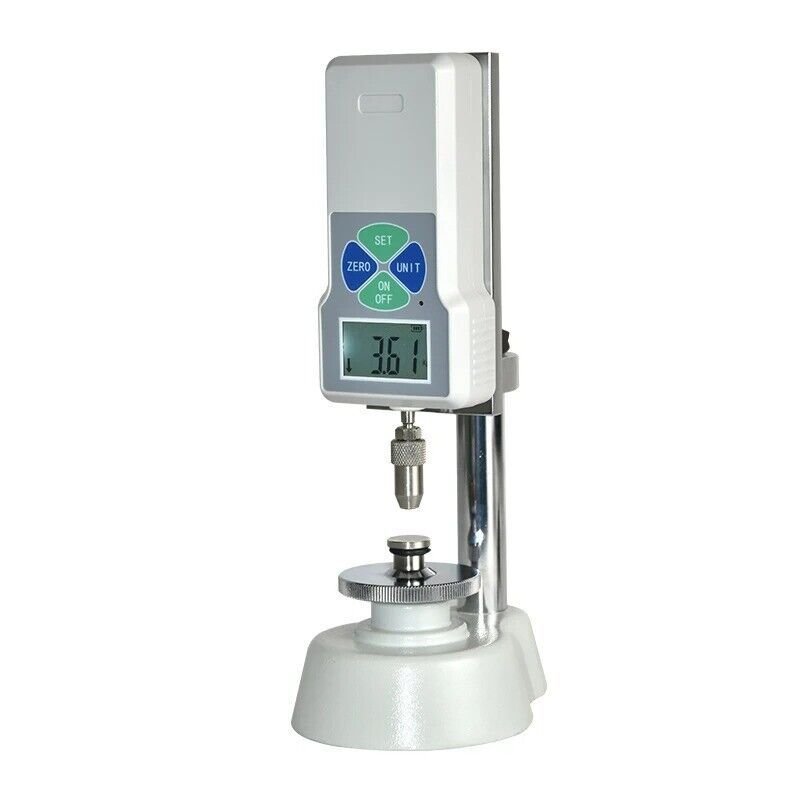
Hardness Test Blocks: Complete Guide for Calibration and Verification


Introduction to Hardness Test Blocks
Hardness test blocks are precision reference materials used to calibrate and verify the accuracy of hardness testing machines. These blocks are manufactured with certified hardness values and highly controlled surfaces to ensure reliable hardness measurement in industrial and laboratory environments.
Industries such as metallurgy, aerospace, automotive manufacturing, and quality inspection rely on hardness test blocks to maintain testing consistency and ensure compliance with international standards.
Why Calibration Blocks Are Important
Ensuring Testing Accuracy
Calibration blocks help verify that hardness testing machines provide accurate and repeatable results.
Apoyo al control de calidad industrial
Regular calibration reduces testing errors and improves product reliability.
📎 Referencia de salida:
https://en.wikipedia.org/wiki/Hardness_testing
📎 Referencia adicional:
https://www.iso.org/

How Hardness Test Blocks Work
Reference Hardness Value Principle
Each block contains a certified hardness value determined through controlled testing procedures.
Calibration and Verification Process
Technicians use the block to compare machine readings with certified reference values.
Accuracy Validation for Hardness Testers
Calibration ensures testing equipment operates within approved tolerances.
👉 Enlace interno:
https://hardnesstests.com/hardness-calibration-blocks
Types of Hardness Test Blocks
Rockwell Calibration Blocks
Used for Rockwell hardness tester verification.
Brinell Calibration Blocks
Designed for Brinell hardness testing systems.
Vickers Calibration Blocks
Suitable for Vickers and microhardness equipment.
Microhardness Reference Blocks
Used for precise low-load hardness measurement systems.
👉 Enlace interno:
https://hardnesstests.com/rockwell-test-blocks
Materials Used in Hardness Test Blocks
Hardened Steel
Widely used for industrial calibration applications.
Carbide Materials
Suitable for high-hardness reference testing.
Precision Heat-Treated Alloys
Provide stable and repeatable hardness values.
Mirror-Polished Reference Surfaces
Improve indentation visibility and measurement precision.
👉 Enlace interno:
https://hardnesstests.com/vickers-test-blocks
Key Features of High-Quality Hardness Test Blocks
Certified Hardness Values
Blocks are supplied with traceable certification data.
High Surface Precision
Precision polishing improves testing reliability.
Long-Term Stability
High-quality materials ensure stable hardness values over time.
International Standards Compliance
Manufactured according to ISO and ASTM standards.
👉 Enlace interno:
https://hardnesstests.com/hardness-reference-blocks
Applications of Hardness Test Blocks
Industrial Manufacturing
Used for routine hardness tester calibration in factories.
Calibration Laboratories
Supports certified testing and equipment verification.
Aerospace and Automotive Industries
Ensures reliable hardness measurement for critical components.
Research and Educational Institutions
Used for laboratory training and scientific analysis.
👉 Enlace interno:
https://hardnesstests.com/laboratory-hardness-tester
Advantages of Using Certified Calibration Blocks
- Improved hardness testing accuracy
- Better equipment reliability
- Compliance with industrial standards
- Reduced measurement uncertainty
- Enhanced quality control performance
Common Challenges and Maintenance
- Surface damage can affect accuracy
- Improper storage may reduce stability
- Regular recertification is recommended
Industry Standards and Certifications
Calibration blocks commonly follow:
- Normas ASTM → https://www.astm.org/
- Normas ISO → https://www.iso.org/
Best Practices for Calibration Accuracy
- Store blocks in clean and dry environments
- Avoid scratching or damaging the surface
- Use certified calibration procedures
- Verify tester accuracy regularly
Productos recomendados y enlaces internos
Explora soluciones relacionadas:
- https://hardnesstests.com/brinell-test-blocks
- https://hardnesstests.com/micro-hardness-tester
- https://hardnesstests.com/hardness-testing-machine
- https://hardnesstests.com/precision-hardness-testing-system
FAQs About Hardness Test Blocks
1. What are hardness test blocks used for?
They are used to calibrate and verify hardness testing machines.
2. Why are calibration blocks important?
They ensure accurate and repeatable hardness measurements.
3. What types of hardness test blocks are available?
Rockwell, Brinell, Vickers, and microhardness calibration blocks.
4. How often should calibration be performed?
Regular verification depends on equipment usage and industry standards.
5. Are calibration blocks certified?
Yes, certified blocks include traceable hardness values.
6. How should calibration blocks be stored?
They should be kept clean, dry, and protected from surface damage.
Conclusión
Hardness test blocks are essential tools for maintaining hardness testing accuracy and ensuring reliable industrial quality control. With certified reference values, precision surfaces, and international standards compliance, these calibration blocks support accurate material testing across a wide range of industries.