




Automatic Hardness Tester: 9 Powerful Advantages and Complete Industrial Guide

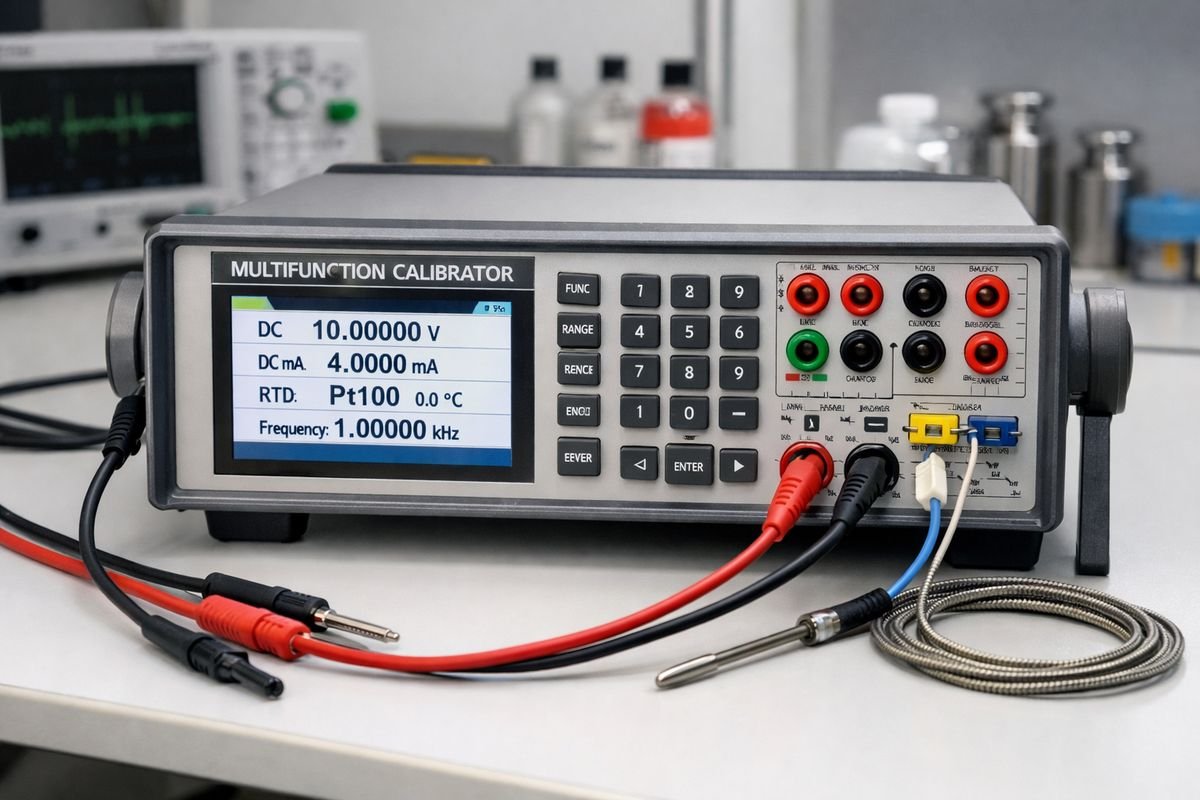
Introduction to Automatic Hardness Tester
Eine automatic hardness tester is a modern material testing instrument designed to measure the hardness of metals and other engineering materials with minimal human intervention. Unlike conventional manual machines, automatic hardness testers perform the entire testing cycle—including load application, indentation measurement, hardness calculation, and data recording—automatically.
Hardness testing is one of the most widely used methods in materials science and industrial quality control. It helps engineers evaluate how resistant a material is to indentation, deformation, abrasion, and wear. Because hardness often correlates with other mechanical properties such as tensile strength and durability, hardness testing is a critical step in verifying the reliability of materials used in manufacturing.
Automatic hardness testers are commonly used in industries such as automotive manufacturing 🚗, aerospace engineering ✈️, steel production, heavy machinery manufacturing, and metallurgical laboratories. These systems improve testing efficiency, reduce human error, and provide highly accurate and repeatable results.
As industries move toward automation and smart manufacturing, automatic hardness testers have become essential tools in modern production environments.

What is an Automatic Hardness Tester?
Eine automatic hardness tester is a hardness testing machine that automatically performs the entire hardness testing process using motorized systems, digital sensors, and computer-controlled measurement technology.
The system typically performs the following steps automatically:
- Positioning the sample
- Applying the correct test load
- Creating the indentation
- Measuring the indentation size or depth
- Calculating the hardness value
- Displaying and storing the results
Modern automatic hardness testers often include touchscreen interfaces, automated microscopes, and advanced software that allow users to monitor, store, and analyze test results.
These machines are particularly valuable in high-volume manufacturing environments, where large numbers of samples must be tested quickly and accurately.
How an Automatic Hardness Tester Works
The working principle of an automatic hardness tester follows standard hardness testing procedures but with automated control.
Step 1: Sample Placement
The operator places the test sample on the specimen stage or anvil. In advanced systems, automated stages can move the sample automatically.
Step 2: Automatic Load Selection
The machine selects the appropriate test load depending on the testing scale (Rockwell, Vickers, Brinell, etc.).
Step 3: Indentation Process
An indenter presses into the material surface under controlled force.
Step 4: Optical or Sensor Measurement
Built-in cameras or sensors measure the indentation size or depth.
Step 5: Hardness Value Calculation
The machine automatically calculates the hardness value and displays it on the digital interface.
Step 6: Data Recording
Results can be saved, printed, or transferred to laboratory management software.
Automation ensures consistent testing procedures and highly reliable measurements.
Types of Automatic Hardness Testers
Automatic hardness testers are available in several types depending on the hardness testing method used.
Automatischer Rockwell-Härteprüfer
The Rockwell hardness test is widely used in industrial environments.
Testing Principle
Hardness is determined by measuring the depth of indentation created by an indenter under two different loads.
Advantages
- Fast testing process
- Direct hardness readings
- Suitable for production environments
Applications
- Steel and alloy testing
- Automotive components
- Machine parts
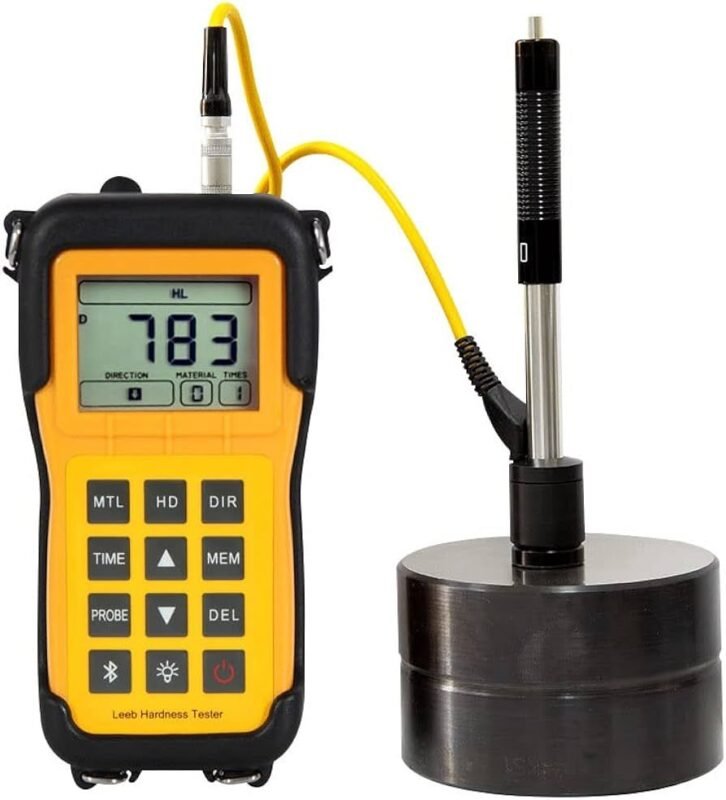
Automatisches Brinell-Härteprüfgerät
Brinell hardness testers are used to measure hardness in large or rough metal surfaces.
Testing Method
A tungsten carbide ball indenter is pressed into the material under heavy load, and the indentation diameter is measured.
Advantages
- Geeignet für grobkörnige Materialien
- Ideal for large components
Applications
- Cast iron testing
- Structural steel inspection
- Heavy machinery manufacturing
Automatic Vickers Hardness Tester
The Vickers hardness test provides high precision and flexibility.
Testing Principle
A diamond pyramid indenter creates a square indentation, and its diagonals are measured using optical systems.
Benefits
- Suitable for both soft and hard materials
- High measurement accuracy
- Wide testing range
Applications
- Metallurgical laboratories
- Surface coating analysis
- Microstructure evaluation
Micro Automatic Hardness Tester
Micro hardness testers are designed for very small loads and delicate materials.
Applications
- Thin coatings
- Elektronische Komponenten
- Microstructures in metals
Key Components of an Automatic Hardness Tester
An automatic hardness testing machine contains several components that ensure accurate and repeatable measurements.
Eindringkörper
The indenter is the tool that penetrates the material surface. It may be made of diamond, hardened steel, or tungsten carbide.
Load Application System
This system applies a precisely controlled force to create the indentation.
Motorized Test Stage
Advanced machines include automatic stages that move the sample into position for multiple tests.
Optisches Messsystem
High-resolution cameras or microscopes measure the indentation created during testing.
Control System
A computer-controlled interface manages the testing process and stores the results.
Digital Display and Software
Modern testers include software that provides automatic hardness calculations, graphical reports, and data storage.
Advantages of Automatic Hardness Tester
Automatic hardness testers offer several advantages compared with manual machines.
Higher Accuracy
Automated measurement systems reduce operator error and improve consistency.
Faster Testing
Multiple samples can be tested quickly, making these machines ideal for high-volume production environments.
Repeatable Results
Automation ensures consistent testing procedures and reliable hardness values.
Reduced Operator Dependency
Minimal manual intervention improves overall testing efficiency.
Data Management
Automatic hardness testers can store large volumes of test data and generate detailed reports.
Improved Productivity
Automation allows laboratories and factories to perform more tests in less time.
Industrial Applications of Automatic Hardness Testers
Automatic hardness testing equipment is used across numerous industries.
Autoindustrie
Used to test hardness of:
- Engine components
- Transmission gears
- Axles and shafts
Luft- und Raumfahrtindustrie
Ensures that aircraft materials meet strict performance and safety standards.
Steel Manufacturing
Hardness testing verifies proper heat treatment and alloy composition.
Tool Manufacturing
Cutting tools and molds must maintain specific hardness levels to ensure durability.
Research Laboratories
Scientists use automatic hardness testers to study material properties and innovations.
International Standards for Hardness Testing
To ensure consistent results worldwide, hardness testing must follow established standards.
Organizations such as
ASTM International and
International Organization for Standardization
provide guidelines for hardness testing procedures and equipment calibration.
These standards ensure that hardness measurements are accurate, reliable, and internationally comparable.
Factors Affecting Hardness Testing Accuracy
Several factors can influence the accuracy of hardness test results.
Surface Preparation
The sample surface must be smooth and clean.
Sample Thickness
Thin materials may deform during testing.
Correct Test Load
Using the wrong load can produce inaccurate hardness values.
Kalibrierung
Regular calibration using standard hardness test blocks is essential.
Future Trends in Automatic Hardness Testing
Advancements in technology continue to improve automatic hardness testing systems.
Artificial Intelligence Integration
AI systems may analyze hardness data to predict material performance and defects.
Fully Robotic Testing Systems
Future machines may include robotic sample loading and automated production line integration.
Smart Factory Connectivity
Hardness testers can be integrated into Industry 4.0 manufacturing systems for real-time quality monitoring.
Advanced Image Analysis
Improved optical systems will allow even more accurate measurement of indentation sizes.

Frequently Asked Questions (FAQs)
1. What is the purpose of an automatic hardness tester?
An automatic hardness tester measures the resistance of materials to indentation or deformation with minimal operator involvement.
2. What materials can be tested using automatic hardness testers?
They can test metals, alloys, ceramics, plastics, and coatings, depending on the testing method.
3. What hardness scales are commonly used?
Common hardness scales include Rockwell (HR), Brinell (HB), and Vickers (HV).
4. Why are automatic hardness testers preferred in manufacturing?
They provide faster testing, higher accuracy, and automated data recording, improving production efficiency.
5. How often should hardness testers be calibrated?
Calibration should be performed regularly using certified hardness test blocks to maintain measurement accuracy.
6. Can automatic hardness testers be integrated into production lines?
Yes, many modern systems are designed to integrate with automated manufacturing and quality control systems.
Fazit
Die automatic hardness tester represents a major advancement in material testing technology. By automating the entire hardness testing process, these machines provide accurate, reliable, and efficient hardness measurements for modern manufacturing environments.
From automotive and aerospace industries to steel manufacturing and research laboratories, automatic hardness testers play a crucial role in ensuring that materials meet strict quality standards.
With the continued development of automation, digital imaging systems, and smart manufacturing technologies, automatic hardness testing will remain an essential tool for maintaining high-quality industrial production and material reliability.