




Portable Hardness Testing Device: Complete Guide to Accurate Field Inspection

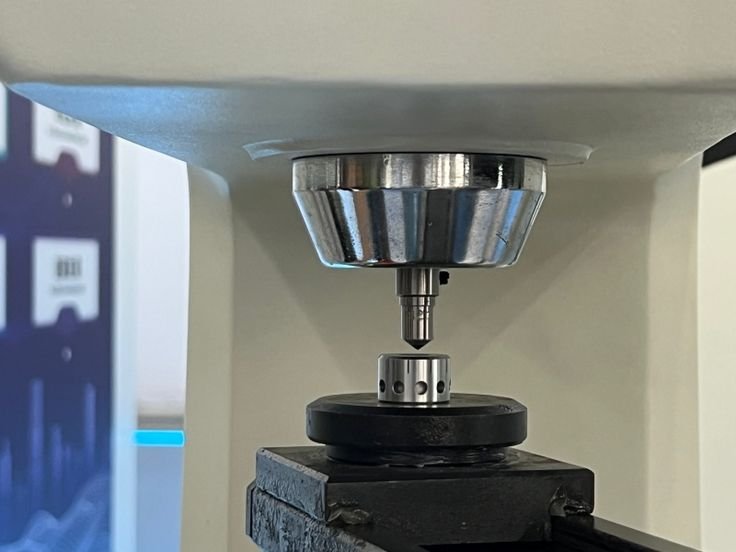
Introduction to Portable Hardness Testing Devices
A portable hardness testing device is a compact instrument designed to measure the hardness of metallic materials directly at the inspection site. Unlike conventional laboratory hardness testers, portable devices allow engineers, quality inspectors, and maintenance personnel to evaluate large, heavy, or installed components without removing them from service.
Portable hardness testing devices are widely used in manufacturing, automotive, aerospace, oil and gas, power generation, mining, shipbuilding, rail transportation, and heavy machinery industries. They provide fast, non-destructive hardness measurements for quality control, heat treatment verification, weld inspection, incoming material inspection, and preventive maintenance.
Modern portable hardness testing devices combine advanced sensing technologies, intelligent software, digital displays, and wireless communication to deliver reliable and repeatable hardness measurements in demanding industrial environments.
What Is a Portable Hardness Testing Device?
Definition und Zweck
A portable hardness testing device is a handheld electronic instrument that measures the hardness of metals using technologies such as Leeb Rebound Hardness Testing und Ultraschall-Kontaktimpedanz (UCI). It enables fast, on-site testing where stationary hardness testing machines are impractical.
Zu den üblichen Anwendungen gehören:
- Field hardness inspection
- Qualitätskontrolle in der Fertigung
- Heat treatment verification
- Weld inspection
- Material identification
- Druckbehälter-Inspektion
- Pipeline maintenance
- Equipment servicing
How a Portable Hardness Testing Device Works
The testing process generally includes:
- Prepare the test surface.
- Select the material type.
- Choose the hardness scale.
- Position the impact device or UCI probe.
- Perform the measurement.
- Process the signal electronically.
- Display and store the hardness value.
Most portable hardness testing devices automatically convert results into several hardness scales, including:
- HRC (Rockwell)
- HBW (Brinell)
- HV (Vickers)
- HL (Leeb)
- HS (Shore)
- MPa (Approximate tensile strength for selected steels)
Portable Hardness Testing Technologies
Leeb Rebound Hardness Testing
Leeb testing determines hardness by comparing the impact and rebound velocities of an impact body after it strikes the test surface.
It is best suited for:
- Heavy steel components
- Schmiedeteile
- Castings
- Druckbehälter
- Large industrial machinery
Ultrasonic Contact Impedance (UCI) Testing
UCI testing uses a vibrating Vickers diamond indenter to measure hardness through ultrasonic frequency changes during indentation.
This technology is ideal for:
- Dünne Materialien
- Welds
- Präzisionsgefertigte Teile
- Heat-treated surfaces
- Small workpieces
Choosing the Right Testing Technology
| Technology | Recommended Applications |
|---|---|
| Leeb | Large, heavy, and rough metal components |
| UCI | Thin sections, welds, and finished surfaces |
| Dual Technology | Multiple applications requiring greater flexibility |
Types of Portable Hardness Testing Devices
Handheld Leeb Testing Devices
Designed for rapid field inspections of large metallic structures and industrial equipment.
Portable UCI Testing Devices
Provide highly accurate measurements on thin materials, precision components, and finished surfaces.
Dual-Technology Hardness Testing Devices
Advanced systems combine Leeb and UCI technologies, allowing users to select the most suitable testing method.
Smart Wireless Hardness Testing Devices
Modern models commonly include:
- Bluetooth connectivity
- Wi-Fi communication
- Mobile app support
- Cloud-based data storage
- Automatic report generation
Main Components of a Portable Hardness Testing Device
Impact Device or UCI Probe
Depending on the testing method, the device uses:
- Leeb impact device
- UCI ultrasonic probe
Interchangeable probes improve versatility across different applications.
Electronic Control Unit
The processor performs signal acquisition, hardness calculations, scale conversion, and data storage.
Display and User Interface
Modern devices feature:
- Color touchscreen displays
- User-friendly operation
- Multi-language support
- Real-time measurement display
Datenspeicherung und Konnektivität
Typical communication options include:
- USB
- Bluetooth
- Wi-Fi
- PDF reports
- Excel export
- Cloud synchronization
Key Features of Modern Portable Hardness Testing Devices
Fast Non-Destructive Measurements
Most hardness measurements are completed within seconds without damaging the inspected component.
Multi-Skalen-Härteumrechnung
Automatic conversion between HRC, HBW, HV, HL, HS, and other hardness scales simplifies inspection and reporting.
Automatic Material Recognition
Built-in material libraries optimize testing parameters for different engineering metals.
Digital Data Management
Modern software supports:
- Statistische Analyse
- Automatic report generation
- QR code identification
- Cloud backup
- Quality management system integration
Industrielle Anwendungen
Manufacturing and Metal Fabrication
Portable hardness testing devices are widely used during forging, casting, machining, fabrication, and final inspection.
Heat Treatment Inspection
Verify hardness after:
- Aufkohlen
- Nitriding
- Induction hardening
- Flame hardening
- Quenching and tempering
Weld Hardness Testing
Inspect hardness across:
- Schweißgut
- Heat-affected zone (HAZ)
- Base material
Oil & Gas Equipment Inspection
Typical inspection targets include:
- Pipelines
- Druckbehälter
- Lagertanks
- Offshore platforms
- Refinery equipment
Aerospace, Mining, and Heavy Industry
Überprüfen Sie:
- Turbine shafts
- Landing gear
- Rail components
- Mining machinery
- Heavy construction equipment
How to Choose the Best Portable Hardness Testing Device
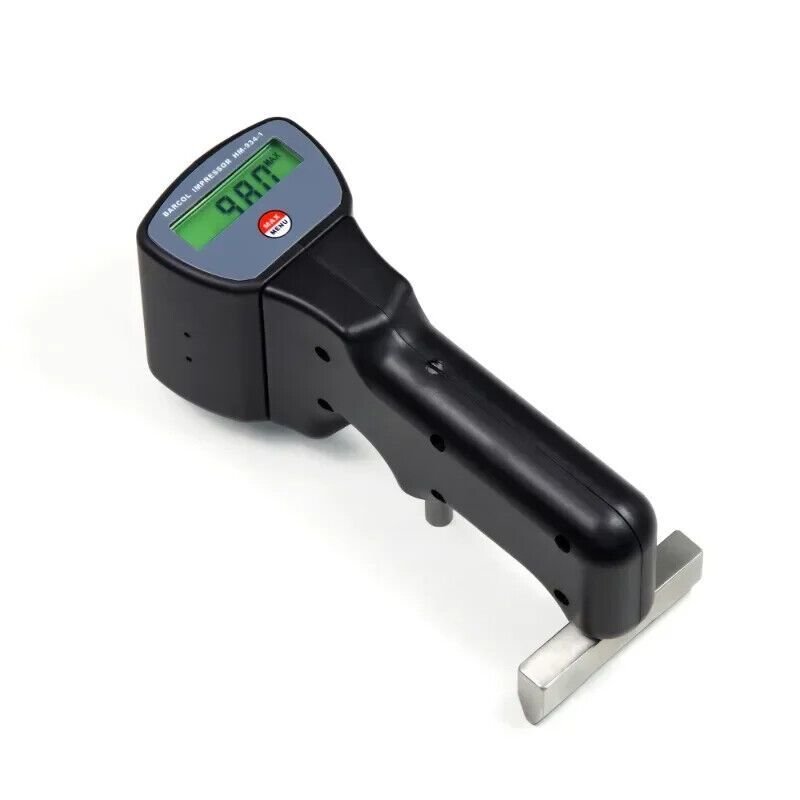
Material Compatibility
Choose a device compatible with carbon steel, stainless steel, cast iron, aluminum alloys, titanium, copper alloys, and other engineering metals.
Genauigkeit und Reproduzierbarkeit
Select an instrument offering certified calibration, excellent repeatability, and compliance with international standards.
Portability and Ease of Use
Bedenken Sie:
- Lightweight construction
- Long battery life
- High-resolution display
- Ergonomic design
- Multiple probe options
Software and Connectivity
Look for:
- Automatic hardness conversion
- Statistische Analyse
- Bluetooth and Wi-Fi connectivity
- Cloud synchronization
- Mobile app compatibility
Kalibrierung und Wartung
Die routinemäßige Wartung umfasst:
- Verification with certified hardness reference blocks
- Cleaning probes and impact devices
- Battery inspection
- Software-Updates
- Annual calibration following manufacturer recommendations
Proper maintenance ensures consistent measurement accuracy and reliable long-term performance.
Vorteile und Beschränkungen
Vorteile
A portable hardness testing device offers:
- Excellent portability
- Fast field inspections
- Non-destructive testing
- Multi-scale hardness conversion
- Einfache Bedienung
- Digital reporting
- High testing efficiency
Beschränkungen
Zu den möglichen Einschränkungen zählen:
- Surface preparation may be necessary.
- Accuracy depends on proper calibration.
- Leeb testing requires sufficient specimen mass.
- UCI testing is preferable for thin or lightweight materials.
Internationale Normen
Common standards for portable hardness testing device Zu den Anwendungsbereichen gehören:
- ASTM A956 – Standard Test Method for Leeb Hardness Testing of Steel Products
- ASTM A1038 – Standard Test Method for Portable Hardness Testing by the Ultrasonic Contact Impedance (UCI) Method
- ISO 16859 – Metallic Materials—Leeb Hardness Test
- ISO 18265 – Metallic Materials—Conversion of Hardness Values
- DIN 50156 – Metal Testing Using the Leeb Method
Offizielle Quellen:
Häufig gestellte Fragen
1. What is a portable hardness testing device used for?
A portable hardness testing device is used to measure the hardness of metallic materials on-site for quality control, maintenance, heat treatment verification, weld inspection, and material identification.
2. Which materials can be tested with a portable hardness testing device?
Most devices support carbon steel, stainless steel, alloy steel, cast iron, aluminum alloys, titanium, brass, bronze, and other engineering metals.
3. What is the difference between Leeb and UCI testing?
Leeb testing is better suited for large and heavy components, while UCI testing provides greater accuracy on thin materials, welds, and precision-machined parts.
4. Can a portable hardness testing device display multiple hardness scales?
Yes. Most modern devices automatically convert measurements into HRC, HBW, HV, HL, HS, and other commonly used hardness scales.
5. How often should a portable hardness testing device be calibrated?
Routine verification should be performed with certified reference blocks, while complete calibration should follow manufacturer recommendations and relevant ASTM or ISO standards.
6. What factors should I consider when purchasing a portable hardness testing device?
Consider testing technology, supported materials, measurement accuracy, portability, battery life, software capabilities, connectivity features, and compliance with international standards.
Fazit
A portable hardness testing device is an indispensable tool for engineers, inspectors, and maintenance professionals who require accurate, fast, and non-destructive hardness measurements outside the laboratory. By combining advanced Leeb Rebound and UCI technologies with intelligent software and portable design, modern devices deliver dependable results across a wide range of industrial applications.
When selecting a portable hardness testing device, evaluate your inspection requirements, material compatibility, testing technology, software functionality, connectivity options, and compliance with international standards. The right device will improve inspection efficiency, strengthen quality assurance, reduce maintenance costs, and ensure reliable hardness verification throughout the manufacturing and maintenance lifecycle.

