




Härtekalibrierungsblöcke: Vollständiger Leitfaden für die Präzisionsüberprüfung


Introduction to Hardness Calibration Blocks
Hardness calibration blocks are essential reference materials used to verify and calibrate hardness testing machines. They ensure that testing equipment delivers accurate, repeatable, and reliable measurements across different environments.
In industries where material performance is critical, hardness calibration blocks play a key role in maintaining quality standards and ensuring compliance with international regulations.
What Are Hardness Calibration Blocks

Definition und Zweck
Hardness calibration blocks are certified samples with known hardness values used as reference standards to check and adjust hardness testing equipment.
Why Calibration Matters in Hardness Testing
Accurate hardness measurement is crucial for product quality and safety. Using hardness calibration blocks ensures that testing machines provide consistent and trustworthy results.
📎 Ausgehende Referenz:
https://en.wikipedia.org/wiki/Hardness
📎 Zusätzliche Referenz:
https://www.iso.org/
How Hardness Calibration Blocks Work
Calibration Principles Explained
A hardness tester applies force to the calibration block, and the result is compared with the certified hardness value to verify accuracy.
Reference Hardness Values
Each block comes with a certified hardness value traceable to international standards.
Verification Process
Multiple tests are conducted to confirm consistency and detect any deviations in measurement.
Types of Hardness Calibration Blocks
Rockwell Calibration Blocks
Used for Rockwell hardness testing systems.
Brinell Calibration Blocks
Suitable for large indentation testing methods.
Vickers Calibration Blocks
Ideal for precise and micro-level measurements.
Micro Hardness Calibration Blocks
Designed for testing thin materials and coatings.
👉 Interner Link:
https://hardnesstests.com/hardness-test-blocks
Key Features of Hardness Calibration Blocks
Zertifizierte Genauigkeit und Rückverfolgbarkeit
Each block is produced and certified under strict quality standards.
Surface Finish and Consistency
A smooth surface ensures reliable and repeatable results.
Materialstabilität
Blocks are made from stable materials to maintain accuracy over time.
Applications of Hardness Calibration Blocks
Labor-Kalibrierung
Ensures accurate performance of hardness testing equipment.
Industrielle Qualitätskontrolle
Maintains consistent product quality during manufacturing.
Equipment Verification
Regularly checks machine accuracy and performance.
👉 Interner Link:
https://hardnesstests.com/laboratory-hardness-tester
Advantages of Hardness Calibration Blocks
- Reliable reference standards
- Ensures consistent test results
- Supports compliance with international standards
- Easy to use and maintain
Beschränkungen und Überlegungen
- Surface wear over time
- Requires proper handling and storage
- Must match testing method and hardness range
How to Choose Hardness Calibration
Matching Testing Method
Select blocks compatible with your hardness tester.
Selecting Correct Hardness Range
Choose blocks that match your testing requirements.
Certification Standards
Ensure compliance with ASTM or ISO standards.
Pflege und Handhabung
- In Schutzhüllen aufbewahren
- Avoid repeated indentation in the same spot
- Halten Sie Oberflächen sauber und trocken
- Vorsichtig handhaben, um Verunreinigungen zu vermeiden
Industriestandards und Compliance
Die meisten hardness calibration entsprechen:
- → ASTM https://www.astm.org/
- ISO → https://www.iso.org/
Bewährte Praktiken für eine genaue Kalibrierung
- Perform calibration regularly
- Use correct testing procedures
- Vermeiden Sie Oberflächenkontamination
- Keep detailed calibration records
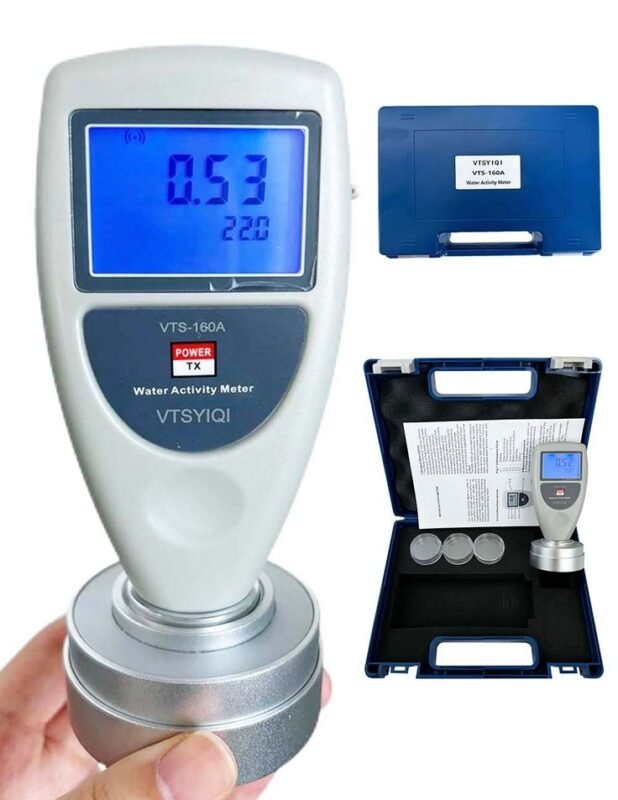
Empfohlene Produkte und interne Links
Entdecken Sie Kalibrierungs- und Testlösungen:
- https://hardnesstests.com/rockwell-test-blocks
- https://hardnesstests.com/brinell-test-blocks
- https://hardnesstests.com/vickers-test-blocks
- https://hardnesstests.com/portable-hardness-tester-equipment
FAQs
1. What are hardness calibration blocks used for?
They are used to verify and calibrate hardness testing machines.
2. How often should calibration be performed?
It depends on usage frequency and industry requirements.
3. Do calibration blocks wear out?
Yes, repeated testing can affect their surface.
4. Are they standardized?
Ja, sie folgen den ASTM- und ISO-Normen.
5. Can one block be used for all methods?
No, each testing method requires specific blocks.
6. Wie sollten sie gelagert werden?
In sauberen, trockenen und geschützten Umgebungen.
Fazit
Hardness calibration are essential tools for maintaining accurate and reliable hardness testing. Proper selection, usage, and maintenance ensure consistent calibration and high-quality measurement results.
