Brinell-Testblöcke: Vollständiger Leitfaden für Kalibrierung und Genauigkeit

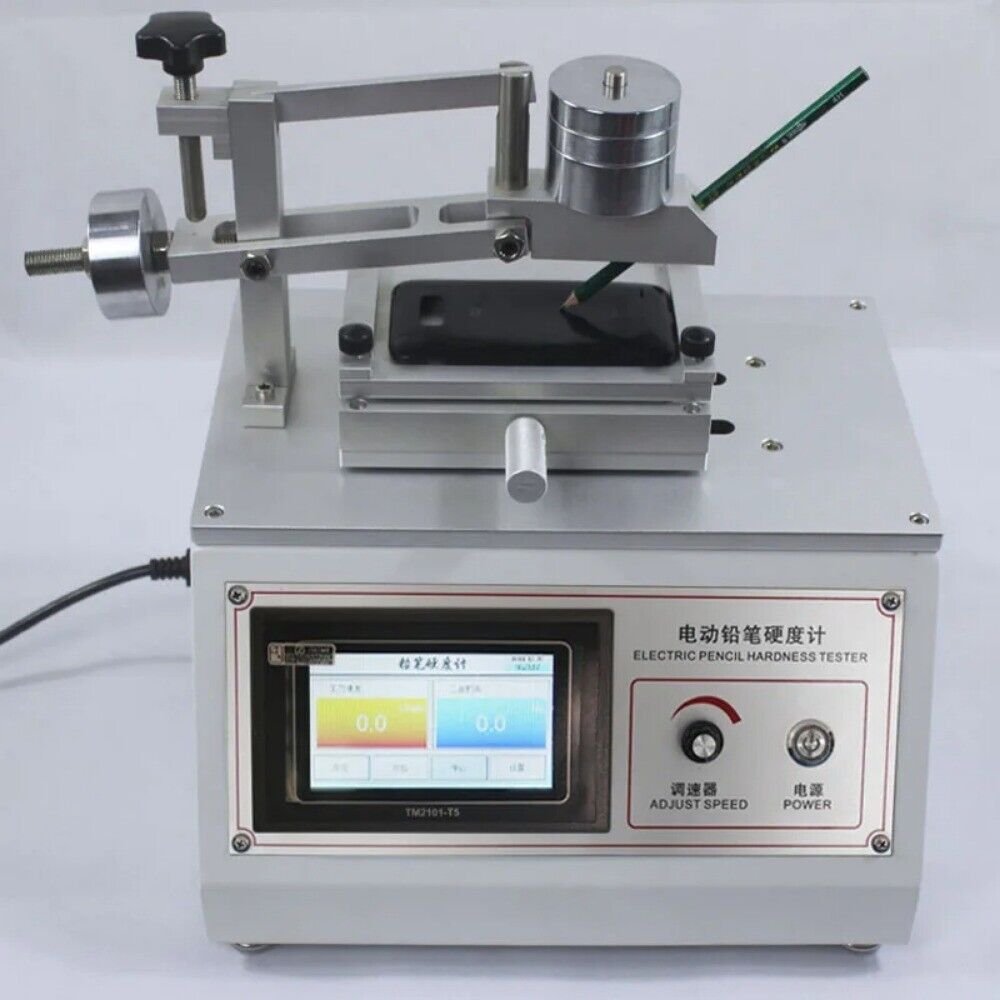
Introduction to Brinell Test Blocks
Brinell test blocks are essential reference materials used to calibrate Brinell hardness testing machines. They provide a known hardness value that allows operators to verify whether testing equipment is functioning correctly.
In industrial manufacturing and laboratory environments, Brinell test blocks play a crucial role in ensuring measurement accuracy, quality control, and compliance with international standards.
What Are Brinell Test Blocks
Definition und Zweck
Brinell test blocks are certified metal samples with known hardness values used as calibration standards for Brinell hardness testers.
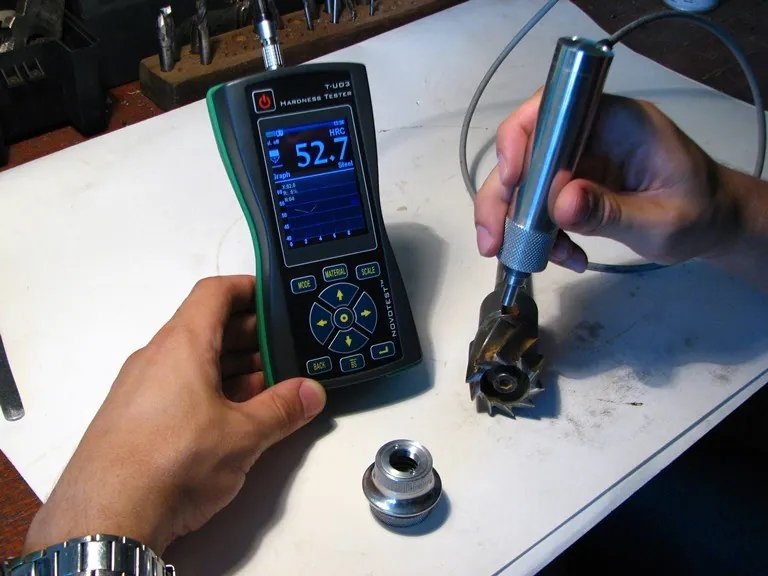
Importance in Hardness Testing Systems
They ensure that hardness testing machines deliver consistent and reliable results, reducing measurement errors in production and research.
📎 Ausgehende Referenz:
https://en.wikipedia.org/wiki/Hardness
📎 Zusätzliche Referenz:
https://www.iso.org/
How Brinell Test Blocks Work
Calibration Principle Explained
A hardness tester applies a load to the test block, and the resulting indentation is measured and compared to the certified value.
Indentation Comparison Method
The Brinell method uses a ball indenter, and the diameter of the indentation is used for hardness calculation.
Reference Value Verification
Each block has a certified hardness value used as a benchmark for machine calibration.
Types of Brinell Test Blocks
Standard Brinell Test Blocks
Used for general calibration in industrial applications.
High-Hardness Test Blocks
Designed for testing hard metals and alloys.
Low-Hardness Test Blocks
Suitable for softer metals such as aluminum and copper.
Benutzerdefinierte Kalibrierungsblöcke
Manufactured for specialized testing requirements.
👉 Interner Link:
https://hardnesstests.com/hardness-test-blocks
Key Features of Brinell Test Blocks
Certified Accuracy
Each block is manufactured under strict standards and comes with certification.
Surface Uniformity
A smooth and consistent surface ensures reliable indentation results.
Materialstabilität
Blocks are made from stable materials to maintain long-term accuracy.
Applications of Brinell Test Blocks
Labor-Kalibrierung
Used in labs to ensure testing equipment accuracy.
Industrielle Qualitätskontrolle
Sorgt für Konsistenz in den Herstellungsprozessen.
Equipment Verification
Used to verify performance of hardness testing machines.
👉 Interner Link:
https://hardnesstests.com/laboratory-hardness-tester
Advantages of Brinell Test Blocks
- High measurement reliability
- Standardized calibration reference
- Easy to use in industrial environments
- Supports compliance with international standards
Beschränkungen und Überlegungen
- Surface wear over repeated use
- Muss dem richtigen Härtebereich entsprechen
- Requires proper storage conditions
How to Choose Brinell Test Blocks
Hardness Range Selection
Choose blocks that match your testing requirements.
Certification Standards
Ensure compliance with ASTM or ISO standards.
Compatibility with Testing Machines
Blocks must match the Brinell testing method and load range.
Pflege und Handhabung
- In Schutzhüllen aufbewahren
- Avoid repeated testing in same area
- Halten Sie Oberflächen sauber und trocken
- Handle carefully to prevent damage
Industriestandards und Compliance
Die meisten test blocks entsprechen:
- → ASTM https://www.astm.org/
- ISO → https://www.iso.org/
Bewährte Praktiken für eine genaue Kalibrierung
- Use correct load settings
- Regelmäßige Kalibrierungsprüfungen durchführen
- Avoid contaminated surfaces
- Record calibration results for traceability
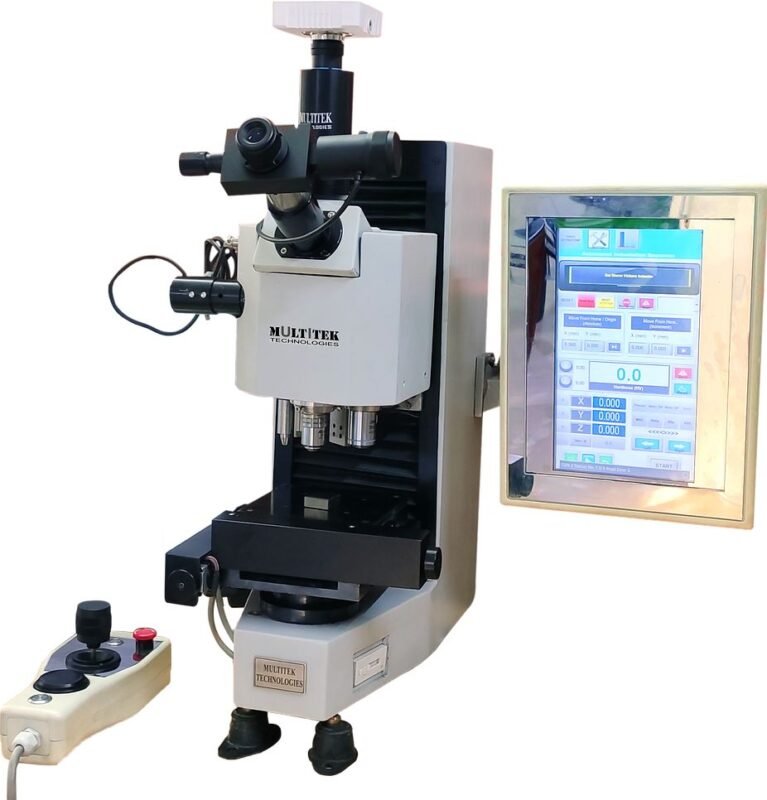
Empfohlene Produkte und interne Links
Explore related calibration solutions:
- https://hardnesstests.com/rockwell-test-blocks
- https://hardnesstests.com/hardness-test-blocks
- https://hardnesstests.com/portable-hardness-tester-equipment
- https://hardnesstests.com/ultrasonic-hardness-tester
FAQs
1. What are Brinell test blocks used for?
They are used to calibrate Brinell hardness testing machines.
2. Do they wear out?
Ja, wiederholter Gebrauch kann die Oberfläche beeinträchtigen.
3. How often should calibration be done?
It depends on usage frequency and industry standards.
4. Are they standardized?
Ja, sie folgen den ASTM- und ISO-Normen.
5. Can one block be used for all materials?
No, different hardness ranges require different blocks.
6. Wie sollten sie gelagert werden?
In sauberen, trockenen und geschützten Umgebungen.
Fazit
Brinell test blocks are essential tools for ensuring accurate and reliable hardness testing. Proper selection, usage, and maintenance help maintain consistent calibration and high-quality measurement results in both laboratory and industrial environments.