




Automatisches Härteprüfgerät Vollständiger Leitfaden 31 Leistungsstarke Einblicke für die hocheffiziente Materialprüfung

Gliederung für den Artikel über automatische Härteprüfer
| Themenbereich | Detaillierte Abdeckung mit LSI-Schlüsselwörtern |
|---|---|
| Einführung in den automatischen Härteprüfer | Automatische Härteprüfung |
| Was ist ein automatischer Härteprüfer? | automatisierte Materialprüfung |
| Entwicklung von der manuellen zur automatischen Härteprüfung | Testautomatisierung |
| Warum Automatisierung bei der Härteprüfung wichtig ist | Effizienz und Konsistenz |
| Zentrales Arbeitsprinzip | Automatisches Laden und Messen |
| Die wichtigsten Komponenten eines automatischen Härteprüfers | Motoren, Sensoren, Software |
| Arten von automatischen Härteprüfern | Rockwell, Brinell, Vickers |
| Automatischer Rockwell-Härteprüfer | Produktionsprüfung |
| Automatisches Brinell-Härteprüfgerät | strapazierfähige Materialien |
| Automatisches Vickers-Härteprüfgerät | Präzisions-Automatisierung |
| Automatische Mikrohärteprüfgeräte | Feinstrukturprüfung |
| Vollautomatische vs. halbautomatische Systeme | Automatisierungsstufen |
| Automatische Tisch-Härteprüfgeräte | Laborgebrauch |
| Automatische Härteprüfgeräte für den Standbetrieb | industrielle Umgebungen |
| CNC-gesteuerte Härteprüfgeräte | fortschrittliche Automatisierung |
| Vorteile von automatischen Härteprüfern | Produktivitätsvorteile |
| Einschränkungen von automatischen Härteprüfgeräten | Systemzwänge |
| Genauigkeit und Reproduzierbarkeit | Messsicherheit |
| Automatisierte Lastkontrolle | Konsistenz erzwingen |
| Automatische Einrückung und Messung | reduzierter Einfluss des Bedieners |
| Software und Datenverwaltung | digitale Berichterstattung |
| Integration mit Produktionslinien | Inline-Tests |
| Standards und Einhaltung | ASTM, ISO |
| Kalibrierung von automatischen Härteprüfgeräten | Genauigkeitssicherung |
| Anforderungen an die Probenvorbereitung | Testbereitschaft |
| Automatische Härteprüfung in der Fertigung | Prozesskontrolle |
| Automatische Härteprüfung in der Qualitätskontrolle | Effizienz der Inspektion |
| Automatische Härteprüfung für F&E | Unterstützung der Forschung |
| Industrie Anwendungen | Automobil, Luft- und Raumfahrt |
| Die Wahl eines automatischen Härteprüfers | Einkaufsführer |
| Kostenüberlegungen | Investitionsplanung |
| Wartung und Serviceanforderungen | langfristige Leistung |
| Johoyd Automatisches Härteprüfgerät Lösungen | Markenkompetenz |
| Zukünftige Trends in der automatischen Härteprüfung | intelligente Fertigung |
| FAQs | allgemeine Fragen |
| Fazit | Zusammenfassung |
Einführung
Eine automatisches Härteprüfgerät stellt einen großen Schritt nach vorn in der Materialprüftechnologie dar. Durch die Automatisierung von Kraftaufbringung, Eindrücken, Messung und Datenverarbeitung verringern diese Systeme den Einfluss des Bedieners erheblich und verbessern gleichzeitig die Genauigkeit, Wiederholbarkeit und Produktivität. Automatische Härteprüfgeräte sind in Fertigungsbetrieben, Qualitätskontrolllabors und Forschungseinrichtungen weit verbreitet, wo konsistente und durchsatzstarke Prüfungen erforderlich sind.
Da die Produktionsmengen steigen und die Qualitätsanforderungen strenger werden, hat sich die Automatisierung der Härteprüfung von einer Annehmlichkeit zu einer Notwendigkeit entwickelt. Dieser Artikel bietet einen umfassenden Überblick über automatische Härteprüfgeräte, einschließlich ihrer Funktionsprinzipien, Typen, Anwendungen, Vorteile und Auswahlkriterien.
Automatischer Härteprüfer
Eine automatisches Härteprüfgerät führt mit motorisierten und softwaregesteuerten Systemen Härtemessungen mit minimalem manuellem Aufwand durch.
Automatisierung sorgt für Konsistenz.
Was ist ein automatischer Härteprüfer?
Ein automatisches Härteprüfgerät ist eine Härteprüfmaschine, die automatisch die Prüfkraft aufbringt, den Eindruck erzeugt, die Ergebnisse misst und die Härtewerte anzeigt.
Weniger manuelle Schritte verbessern die Zuverlässigkeit.
Entwicklung von der manuellen zur automatischen Härteprüfung
Die traditionelle Härteprüfung war stark von den Fähigkeiten des Bedieners abhängig. Die Automatisierung ersetzt die subjektiven Schritte durch kontrollierte, wiederholbare Prozesse.
Technologie reduziert die Variabilität.
Warum Automatisierung bei der Härteprüfung wichtig ist
Die Automatisierung erhöht den Durchsatz, minimiert menschliche Fehler und gewährleistet konsistente Ergebnisse für alle Mitarbeiter und Schichten.
Konsistenz unterstützt die Qualitätssicherung.
Zentrales Arbeitsprinzip
Automatische Härteprüfer üben eine kontrollierte Last mit motorisierten Systemen aus und messen elektronisch die Tiefe oder Größe des Eindrucks.
Die Physik bleibt unverändert, die Steuerung wird verbessert.
Die wichtigsten Komponenten eines automatischen Härteprüfers
Zu den wichtigsten Komponenten gehören motorisierte Ladeeinheiten, Präzisionssensoren, optische Systeme, Steuerungen und spezielle Software.
Systemintegration definiert Leistung.
Arten von automatischen Härteprüfern
Automatische Systeme sind in den Konfigurationen Rockwell, Brinell, Vickers, Knoop und Mikrohärte erhältlich.
Mehrere Methoden für unterschiedliche Bedürfnisse.
Automatischer Rockwell-Härteprüfer
Automatische Rockwell-Tester liefern schnelle, direkte Messwerte, die sich für die Prüfung hoher Stückzahlen eignen.
Geschwindigkeit unterstützt die Produktionseffizienz.
Automatisches Brinell-Härteprüfgerät
Automatische Brinell-Prüfgeräte wenden hohe Lasten an und verwenden automatische Messungen für große und grobe Materialien.
Automatisierung verbessert schwere Tests.
Automatisches Vickers-Härteprüfgerät
Automatische Vickers-Prüfgeräte kombinieren Präzisionsoptik mit automatischer Eindrückung und Messung.
Präzision trifft Automatisierung.
Automatische Mikrohärteprüfgeräte
Automatische Mikrohärteprüfer werden für dünne Schichten, Beschichtungen und die Bewertung der Mikrostruktur verwendet.
Kleine Lasten erfordern Präzision.
Vollautomatische vs. halbautomatische Systeme
Vollautomatische Systeme erfordern nur minimale Eingriffe des Bedieners, während bei halbautomatischen Systemen einige manuelle Schritte beibehalten werden.
Der Automatisierungsgrad beeinflusst den Arbeitsablauf.
Automatische Tisch-Härteprüfgeräte
Benchtop-Modelle sind ideal für Labore, die Präzision und einen moderaten Durchsatz benötigen.
Kompaktes Design für Labore.
Automatische Härteprüfgeräte für den Standbetrieb
Bodenstehende Systeme handhaben große und schwere Komponenten.
Die Kapazität definiert die Anwendung.

CNC-gesteuerte Härteprüfgeräte
CNC-gesteuerte Prüfgeräte ermöglichen komplexe Prüfmuster und programmierbare Abläufe.
Erweiterte Kontrolle unterstützt Flexibilität.
Vorteile von automatischen Härteprüfern
Zu den Vorteilen gehören höhere Produktivität, verbesserte Genauigkeit, geringere Abhängigkeit vom Bediener und bessere Rückverfolgbarkeit der Daten.
Automatisierung schafft messbaren Mehrwert.
Einschränkungen von automatischen Härteprüfgeräten
Zu den Einschränkungen gehören höhere Anschaffungskosten und eine höhere Systemkomplexität.
Die Investitionen müssen dem Bedarf entsprechen.
Genauigkeit und Reproduzierbarkeit
Automatische Härteprüfgeräte liefern konsistente Ergebnisse, da manuelle Schwankungen ausgeschlossen sind.
Wiederholbarkeit schafft Vertrauen.
Automatisierte Lastkontrolle
Die elektronische Lastkontrolle gewährleistet eine präzise und wiederholbare Kraftanwendung.
Kraftgenauigkeit führt zu Ergebnissen.
Automatische Einrückung und Messung
Automatisierte Einkerbung und optische Messung reduzieren die subjektive Interpretation.
Objektivität verbessert die Zuverlässigkeit.
Software und Datenverwaltung
Die integrierte Software verwaltet die Datenspeicherung, die Analyse und die Berichterstattung.
Digitale Aufzeichnungen unterstützen Audits.
Integration mit Produktionslinien
Automatische Härteprüfgeräte können in Produktions- oder Inline-Prüfsysteme integriert werden.
Integration unterstützt die intelligente Fertigung.
Standards und Einhaltung
Automatische Härteprüfgeräte entsprechen den ASTM- und ISO-Normen.
Konformität sorgt für weltweite Akzeptanz.
Kalibrierung von automatischen Härteprüfgeräten
Durch regelmäßige Kalibrierung bleiben Genauigkeit und Rückverfolgbarkeit erhalten.
Kalibrierung schützt die Glaubwürdigkeit.
Anforderungen an die Probenvorbereitung
Die ordnungsgemäße Vorbereitung der Oberfläche bleibt auch bei der Automatisierung unerlässlich.
Vorbereitung garantiert Genauigkeit.
Automatische Härteprüfung in der Fertigung
Hersteller verwenden automatische Härtetester für die Prozessüberwachung und Konsistenz.
Überwachung verhindert Fehler.
Automatische Härteprüfung in der Qualitätskontrolle
Qualitätskontrollabteilungen verlassen sich auf die Automatisierung für schnelle und zuverlässige Inspektionen.
Effizienz verbessert den Durchsatz.
Automatische Härteprüfung für F&E
Forschungslabors verwenden automatische Prüfgeräte für eine reproduzierbare Materialbewertung.
Reproduzierbarkeit fördert Innovation.
Industrie Anwendungen
Zu den Anwendungsbereichen gehören Automobil, Luft- und Raumfahrt, Werkzeuge, Energie und Metallurgie.
Die Industrie verlangt Effizienz.
Die Wahl eines automatischen Härteprüfers
Die Auswahl hängt vom Materialtyp, der Testmethode, dem Durchsatz und den Integrationsanforderungen ab.
Klare Ziele vereinfachen die Auswahl.
Kostenüberlegungen
Die Kosten variieren je nach Automatisierungsgrad, Softwarefunktionen und Kapazität.
Langfristiger Wert überwiegt den Preis.
Wartung und Serviceanforderungen
Vorbeugende Wartung gewährleistet einen stabilen Langzeitbetrieb.
Sorgfalt schützt die Investition.
Johoyd Automatisches Härteprüfgerät Lösungen
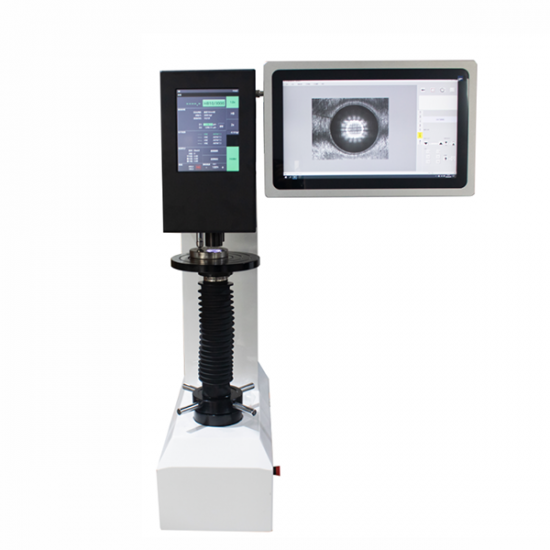
Eine zuverlässige automatisches Härteprüfgerät ist für moderne Qualitätskontrollen und Produktionsumgebungen unerlässlich. Johoyd, durch https://hardnesstests.com, Johoyd bietet fortschrittliche automatische Härteprüfgeräte, darunter Rockwell-, Brinell-, Vickers- und Mikrohärtesysteme. Die Lösungen von Johoyd sind auf Präzision, Automatisierung und Einhaltung von Normen ausgelegt und unterstützen hocheffiziente Prüfungen in Labors und Produktionsstätten weltweit.
Zukünftige Trends in der automatischen Härteprüfung
Zukünftige Entwicklungen umfassen KI-gestützte Messungen, Inline-Automatisierung und die Integration intelligenter Fabriken.
Die Innovation entwickelt das Testen weiter.
Häufig gestellte Fragen
Was ist ein automatisches Härteprüfgerät?
Es führt Härtetests mit minimaler manueller Eingabe durch.
Sind automatische Tests genauer als manuelle?
Ja, es reduziert die bedienerbedingte Variabilität.
Können automatische Härteprüfgeräte in der Produktion eingesetzt werden?
Ja, viele sind für Umgebungen mit hohem Datenaufkommen konzipiert.
Müssen automatische Prüfgeräte kalibriert werden?
Ja, eine regelmäßige Kalibrierung ist erforderlich.
Sind automatische Härteprüfgeräte teuer?
Sie haben höhere Anschaffungskosten, aber niedrigere langfristige Testkosten.
Können automatische Prüfgeräte Daten speichern und exportieren?
Ja, die meisten beinhalten eine erweiterte Datenverwaltung.
Fazit
Eine automatisches Härteprüfgerät liefert hocheffiziente, genaue und wiederholbare Härtemessungen durch die Kombination bewährter Prüfprinzipien mit moderner Automatisierung und digitaler Steuerung. Vom Labor bis zur Produktionslinie verbessert die Automatisierung die Konsistenz, reduziert Fehler und unterstützt strenge Qualitätsanforderungen.
Mit fortschrittlichen automatischen Härteprüfungslösungen von Johoyd verfügbar unter hardnesstests.com, können Unternehmen ihre Produktivität steigern und gleichzeitig das Vertrauen in ihre Materialprüfungsergebnisse bewahren. Die Wahl des richtigen automatischen Härteprüfers gewährleistet langfristige Leistung, Konformität und Wettbewerbsvorteile.
Vorgeschlagene interne Links
- Digitaler Härteprüfer
- Labor-Härteprüfer
Vorgeschlagene ausgehende Links
- ASTM-Härteprüfnormen
- ISO-Richtlinien zur Härtemessung