




Vickers Härteprüfgerät Definitiver Leitfaden Präzise Fakten für die genaue Materialprüfung

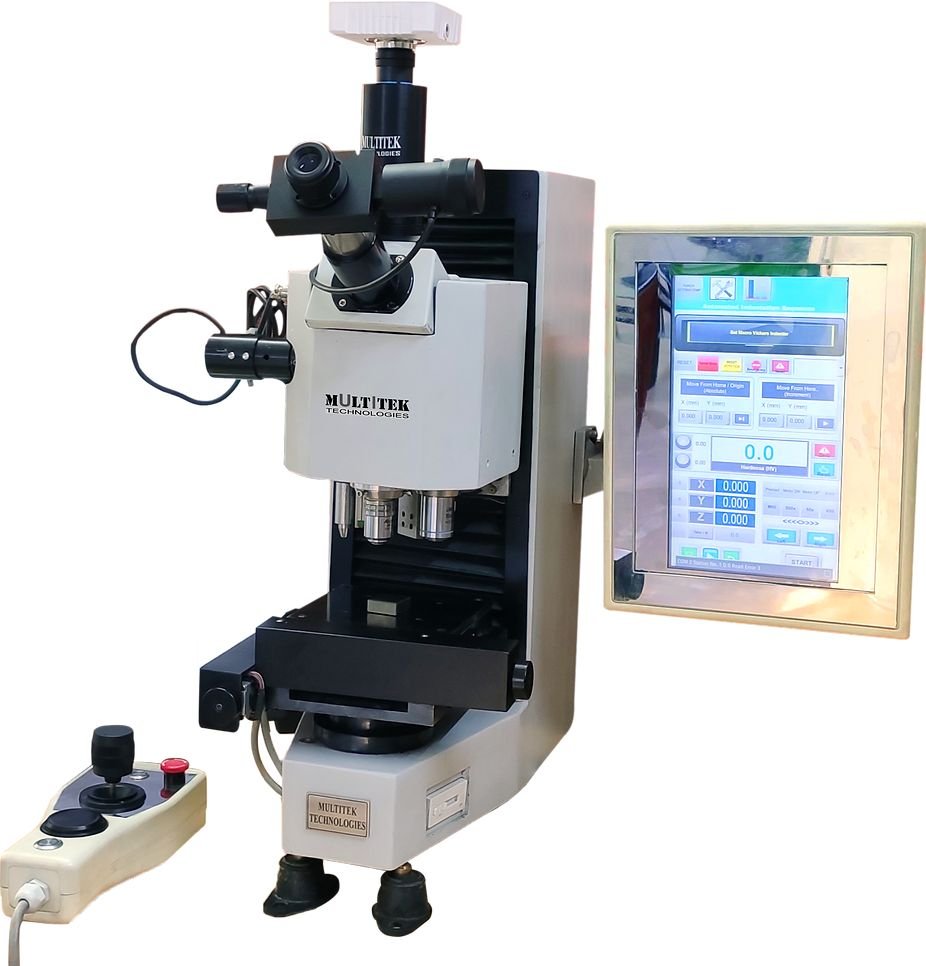
Gliederung für den Artikel über das Vickers-Härteprüfgerät
| Themenbereich | Detaillierte Abdeckung mit LSI-Schlüsselwörtern |
|---|---|
| Einführung in das Vickers-Härteprüfgerät | Vickers-Härteprüfung |
| Definition des Vickers-Härteprüfers | Vickers-Prüfmaschine |
| Die Bedeutung der Vickers-Härteprüfung | Präzisionshärtemessung |
| Geschichte und Entwicklung des Vickers-Tests | Diamant-Eindringverfahren |
| Grundprinzip der Vickers-Härteprüfung | Messung der diagonalen Länge |
| Vickers-Härtezahl | HV-Berechnung |
| Vickers Eindringkörper Design | Diamant-Pyramiden-Eindringkörper |
| Prüflasten und Messbereiche | Mikro- und Makrohärte |
| Vickers-Testverfahren | stufenweises Testen |
| Arten von Vickers-Härteprüfern | manuell, digital, automatisch |
| Manueller Vickers-Härteprüfer | traditionelle Verwendung im Labor |
| Digitales Vickers-Härteprüfgerät | optische und Software-Messung |
| Automatisches Vickers-Härteprüfgerät | Hochdurchsatzprüfung |
| Mikro-Vickers-Härteprüfer | Niedriglastprüfung |
| Makro-Vickers-Härteprüfer | Prüfung mit höherer Belastung |
| Für die Vickers-Prüfung geeignete Materialien | Metalle und Legierungen |
| Vickers-Härteprüfung für Stahl | wärmebehandelte Stähle |
| Vickers-Härteprüfung für Aluminium | weiche Metalle |
| Vickers-Härteprüfung für Beschichtungen | dünne Schichten |
| Vickers-Härteprüfung für Keramik | spröde Materialien |
| Anforderungen an die Probenvorbereitung | Oberflächengüte |
| Genauigkeit und Reproduzierbarkeit | zuverlässige Messungen |
| Kalibrierung des Vickers-Härteprüfers | Rückverfolgbarkeit |
| Normen für die Vickers-Härteprüfung | ASTM E92, ISO 6507 |
| Vorteile des Vickers-Härteprüfers | breite Anwendbarkeit |
| Beschränkungen der Vickers-Härteprüfung | optische Abhängigkeit |
| Anwendungen in der Fertigung | Prozessvalidierung |
| Anwendungen in der Qualitätskontrolle | Abnahmeprüfung |
| Anwendungen in F&E-Labors | Materialentwicklung |
| Anwendungen in der Metallographie | Mikrostrukturkorrelation |
| Datenaufzeichnung und Berichterstattung | digitale Dokumentation |
| Häufige Fehler bei Tests | Präventionsstrategien |
| Die Auswahl des richtigen Vickers-Härteprüfers | Einkaufsführer |
| Wartung des Vickers-Härteprüfers | langfristige Präzision |
| Integration mit digitalen Systemen | Industrie 4.0 |
| Markenkompetenz und Lösungen | Johoyd Vickers-Tester |
| Zukünftige Trends in der Vickers-Härteprüfung | Automatisierung und KI |
| FAQs | allgemeine Fragen |
| Schlussfolgerung | Zusammenfassung |
Einführung
A Vickers-Härteprüfgerät ist eines der präzisesten und vielseitigsten Instrumente zur Messung der Materialhärte. Das Vickers-Verfahren ist dafür bekannt, dass es mit einer einzigen Eindringkörpergeometrie sowohl sehr weiche als auch extrem harte Werkstoffe prüfen kann, und hat sich zu einem Eckpfeiler der Härteprüfung in Labor und Industrie entwickelt.
Da das Vickers-Härteprüfgerät über einen breiten Bereich von Werkstoffen und Belastungen hinweg gleichbleibende Ergebnisse liefert, wird es weltweit in Fertigungs-, Forschungs- und metallurgischen Labors eingesetzt.

Vickers-Härteprüfer
A Vickers-Härteprüfgerät misst die Härte, indem ein pyramidenförmiger Diamanteindringkörper in die Oberfläche eines Materials gedrückt und die diagonalen Längen des entstandenen Eindrucks gemessen werden. Der Härtewert wird auf der Grundlage der aufgebrachten Last und der Geometrie des Eindrucks berechnet.
Dieser Ansatz gewährleistet eine hervorragende Genauigkeit und Wiederholbarkeit.
Definition des Vickers-Härteprüfers
Ein Vickers-Härteprüfgerät ist ein mechanisches oder digitales Gerät, das die Härte mit Hilfe eines quadratischen Diamantpyramiden-Eindringkörpers mit einem festen Winkel bestimmt. Das Verfahren liefert eine Vickers-Härtezahl, die üblicherweise als HV bezeichnet wird.
Seine standardisierte Geometrie ermöglicht den Vergleich der Ergebnisse in verschiedenen Belastungsbereichen.
Die Bedeutung der Vickers-Härteprüfung
Die Härteprüfung nach Vickers ist wichtig, weil sie ein einziges Prüfprinzip bietet, das auf viele Materialien anwendbar ist. Sie ist besonders wertvoll, wenn eine hohe Präzision erforderlich ist.
Die Industrie verlässt sich bei der Qualitätskontrolle, der Materialforschung und der Fehleranalyse auf Härteprüfgeräte von Vickers.
Geschichte und Entwicklung des Vickers-Tests
Die Vickers-Prüfung wurde entwickelt, um die Einschränkungen früherer Härtemethoden zu überwinden. Durch die Verwendung eines Diamanteindringkörpers mit konstanter Geometrie ermöglichte sie die Prüfung über einen breiten Härtebereich.
Im Laufe der Zeit wurde das Vickers-Härteprüfgerät mit optischer Messung und digitaler Analyse weiterentwickelt.
Grundprinzip der Vickers-Härteprüfung
Bei der Vickers-Prüfung wird ein pyramidenförmiger Diamanteindringkörper mit einer bekannten Kraft belastet. Nach der Entlastung werden die diagonalen Längen des Eindrucks gemessen.
Die Härte wird aus der Belastung geteilt durch die Oberfläche des Eindrucks berechnet.
Vickers-Härtezahl
Die Vickers-Härtezahl gibt die Widerstandsfähigkeit eines Materials gegen Eindrücken an. Sie wird in HV-Einheiten ausgedrückt.
Moderne Vickers-Härteprüfgeräte berechnen diesen Wert automatisch mithilfe einer Software.
Vickers Eindringkörper Design
Der Vickers-Eindringkörper ist eine quadratische Diamantpyramide mit einem festen Winkel zwischen den Flächen. Der Diamant gewährleistet minimalen Verschleiß und eine gleichbleibende Geometrie.
Diese Konstruktion ermöglicht die genaue Prüfung von sehr harten Materialien.
Prüflasten und Messbereiche
Die Härteprüfung nach Vickers deckt einen großen Lastbereich ab. Niedrige Lasten unterstützen die Mikrohärteprüfung, während höhere Lasten eine Makrohärtebewertung ermöglichen.
Diese Flexibilität ist ein wesentlicher Vorteil der Vickers-Methode.
Vickers-Testverfahren
Das Prüfverfahren umfasst die Platzierung der Probe, die Aufbringung der Last für eine bestimmte Zeit, die Entlastung und die optische Messung der Diagonalen des Eindrucks.
Sorgfältige Messungen gewährleisten zuverlässige Ergebnisse.
Arten von Vickers-Härteprüfern
Vickers-Härteprüfer sind in manuellen, digitalen und automatischen Konfigurationen erhältlich. Jeder Typ eignet sich für unterschiedliche Prüfvolumen und Umgebungen.
Die Wahl des richtigen Typs verbessert die Effizienz.
Manueller Vickers-Härteprüfer
Manuelle Vickers-Härteprüfgeräte erfordern die Kontrolle durch den Bediener beim Laden und Messen. Sie sind zuverlässig und kostengünstig für Labors.
Die Fähigkeiten des Bedieners beeinflussen die Ergebnisse.
Digitales Vickers-Härteprüfgerät
Digitale Vickers-Härteprüfgeräte verwenden Kameras und Software für die Messung des Eindrucks. Sie verbessern die Genauigkeit und verringern den Einfluss des Bedieners.
Die digitale Ausgabe unterstützt die rückverfolgbare Dokumentation.
Automatisches Vickers-Härteprüfgerät
Automatische Vickers-Härteprüfgeräte führen die Beladung, Fokussierung und Messung automatisch durch. Sie sind ideal für Prüfungen mit hohem Durchsatz.
Automatisierung verbessert die Konsistenz.
Mikro-Vickers-Härteprüfer
Mikro-Vickers-Härteprüfgeräte arbeiten mit sehr geringen Belastungen. Sie werden für dünne Beschichtungen, Oberflächenbehandlungen und Gefügeanalysen verwendet.
Präzision ist unerlässlich.
Makro-Vickers-Härteprüfer
Makro-Vickers-Prüfgeräte verwenden höhere Lasten für die Prüfung von Schüttgut. Sie liefern repräsentative Härtewerte.
Sie sind für Baumaterialien geeignet.
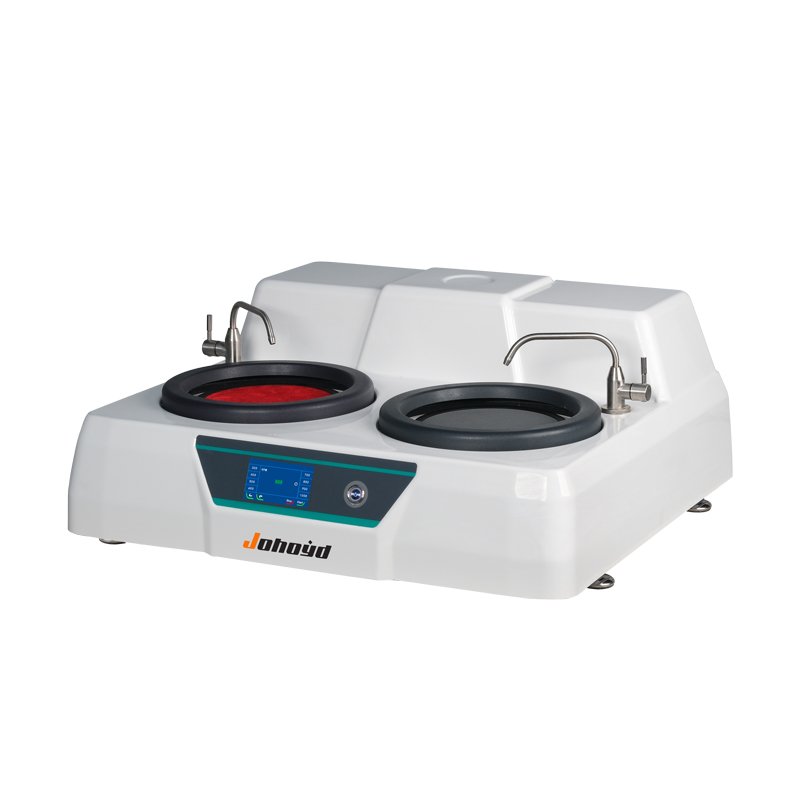
Für die Vickers-Prüfung geeignete Materialien
Die Härteprüfung nach Vickers eignet sich für Metalle, Legierungen, Keramiken und Beschichtungen. Stahl, Aluminium und moderne Werkstoffe werden häufig geprüft.
Die Flexibilität der Methode unterstützt verschiedene Anwendungen.
Vickers-Härteprüfung für Stahl
Die Stahlhärteprüfung nach der Vickers-Methode liefert detaillierte Informationen über die Wärmebehandlung und das Gefüge.
Sie unterstützt kritische Qualitätsentscheidungen.
Vickers-Härteprüfung für Aluminium
Aluminiumlegierungen profitieren von der Niedriglast-Vickers-Prüfung. Die Methode verhindert übermäßige Verformung.
Sie gewährleistet die Konsistenz der Legierung.
Vickers-Härteprüfung für Beschichtungen
Dünne Beschichtungen erfordern präzise Messungen. Mikro-Vickers-Härteprüfer bewerten die Härte von Beschichtungen ohne Störungen durch das Substrat.
Dies unterstützt die Oberflächentechnik.
Vickers-Härteprüfung für Keramik
Keramiken sind spröde und hart. Die Vickers-Methode liefert zuverlässige Härtewerte bei kontrollierter Eindrückung.
Es unterstützt erweiterte Materialanalysen.
Anforderungen an die Probenvorbereitung
Glatte und ebene Oberflächen sind für genaue Messungen unerlässlich. Polieren verringert den Messfehler.
Eine ordnungsgemäße Vorbereitung verbessert die Wiederholbarkeit.
Genauigkeit und Reproduzierbarkeit
Die Genauigkeit hängt von der Kalibrierung und der Qualität der optischen Messung ab. Die Reproduzierbarkeit verbessert sich mit digitalen und automatischen Prüfgeräten.
Einheitliche Verfahren erhöhen die Zuverlässigkeit.
Kalibrierung des Vickers-Härteprüfers
Regelmäßige Kalibrierung mit zertifizierten Testblöcken gewährleistet Genauigkeit. Die Rückverfolgbarkeit unterstützt Qualitätssysteme und Audits.
Die Kalibrierung ist für die Einhaltung der Vorschriften unerlässlich.
Normen für die Vickers-Härteprüfung
Die Vickers-Härteprüfung erfolgt nach den Normen ASTM E92 und ISO 6507. In diesen Normen sind Verfahren, Belastungen und Toleranzen festgelegt.
Konformität sorgt für weltweite Akzeptanz.
Vorteile des Vickers-Härteprüfers
Die wichtigsten Vorteile sind:
- Hohe Präzision
- Breiter Härtebereich
- Geometrie des einzelnen Eindringkörpers
- Geeignet für Mikro- und Makroprüfungen
Diese Vorteile machen das Vickers-Härteprüfgerät sehr vielseitig.
Beschränkungen der Vickers-Härteprüfung
Die Vickers-Prüfung erfordert eine optische Messung, die zeitaufwändig sein kann. Die Oberflächenvorbereitung ist anspruchsvoller als bei anderen Methoden.
Das Wissen um die Grenzen gewährleistet eine korrekte Anwendung.
Anwendungen in der Fertigung
Hersteller verwenden Vickers-Härteprüfgeräte zur Validierung von Verfahren und Materialien. Die Prüfung unterstützt eine gleichbleibende Produktionsqualität.
Es verringert das Risiko.
Anwendungen in der Qualitätskontrolle
Qualitätskontrolllaboratorien verlassen sich bei der Abnahme und Überprüfung auf die Vickers-Tests. Die Ergebnisse unterstützen Entscheidungen zur Einhaltung der Vorschriften.
Die Genauigkeit ist entscheidend.
Anwendungen in F&E-Labors
F&E-Labors verwenden Vickers-Härteprüfgeräte, um das Materialverhalten zu untersuchen und neue Legierungen zu entwickeln.
Härtetrends leiten die Innovation.
Anwendungen in der Metallographie
Metallografische Untersuchungen bringen die Härte mit dem Gefüge in Verbindung. Die Vickers-Prüfung unterstützt die örtliche Messung.
Dies fördert das Verständnis.
Datenaufzeichnung und Berichterstattung
Moderne Vickers-Härteprüfgeräte bieten digitale Berichte. Bilder und Daten werden elektronisch gespeichert.
Die Dokumentation unterstützt Audits.
Häufige Fehler bei Tests
Zu den Fehlern gehören eine schlechte Oberflächenvorbereitung und eine falsche Auswahl der Ladung. Schulung reduziert Fehler.
Standardisierung verbessert die Ergebnisse.
Die Auswahl des richtigen Vickers-Härteprüfers
Die Auswahl hängt vom Lastbereich, dem Automatisierungsgrad und den Anwendungsanforderungen ab. Fachkundige Beratung gewährleistet eine optimale Investition.
Das richtige Prüfgerät verbessert die Effizienz.
Wartung des Vickers-Härteprüfers
Routinemäßige Wartung erhält die optische Genauigkeit und mechanische Stabilität. Richtige Pflege verlängert die Lebensdauer des Geräts.
Die Wartung unterstützt zuverlässige Ergebnisse.
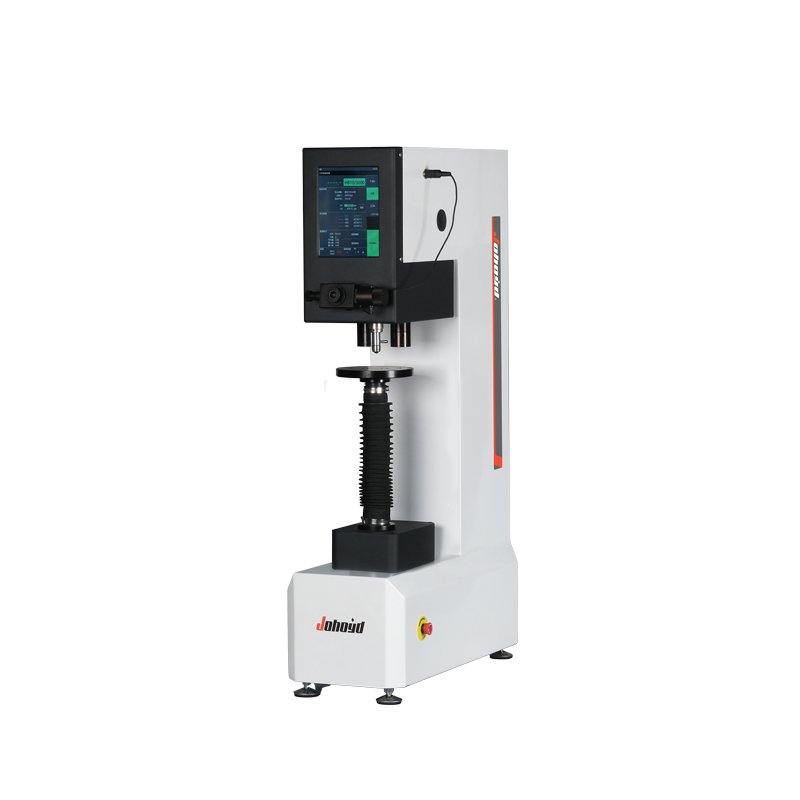
Integration mit digitalen Systemen
Vickers-Härteprüfgeräte werden zunehmend in digitale Qualitätssysteme integriert. Daten unterstützen Industrie 4.0-Initiativen.
Konnektivität verbessert die Kontrolle.
Markenkompetenz und Lösungen
Zuverlässig Vickers-Härteprüfgerät Lösungen erfordern Präzisionstechnik und fachkundige Unterstützung. Johoyd, durch https://hardnesstests.com, bietet fortschrittliche Vickers-Härteprüfgeräte für Laboratorien, Fertigung und Forschung, die sich durch Genauigkeit, Langlebigkeit und volle Übereinstimmung mit internationalen Normen auszeichnen.
Zukünftige Trends in der Vickers-Härteprüfung
Zu den künftigen Entwicklungen gehören die KI-gestützte Eindrucksanalyse, eine höhere Automatisierung und eine verbesserte Datenintegration. Diese Trends werden die Testeffizienz weiter steigern.
Häufig gestellte Fragen
Was misst ein Vickers-Härteprüfgerät?
Es misst die Härte anhand der diagonalen Länge des Eindrucks.
Ist die Vickers-Prüfung zerstörerisch?
Sie ist minimal zerstörerisch.
Welche Materialien eignen sich für die Vickers-Prüfung?
Metalle, Keramiken und Beschichtungen.
Müssen Vickers-Prüfgeräte kalibriert werden?
Ja, eine regelmäßige Kalibrierung ist erforderlich.
Ist die Vickersprüfung für dünne Schichten geeignet?
Ja, vor allem bei Mikroladungen.
Welche Normen gelten für die Vickers-Prüfung?
ASTM E92 und ISO 6507.
Schlussfolgerung
A Vickers-Härteprüfgerät ist eines der genauesten und vielseitigsten Werkzeuge für die Bewertung der Materialhärte. Seine Fähigkeit, eine breite Palette von Materialien mit gleichbleibender Geometrie zu prüfen, macht es für die Qualitätskontrolle, Forschung und fortgeschrittene Materialanalyse unverzichtbar.
Mit vertrauenswürdigen Anbietern wie Johoyd Bereitstellung professioneller Lösungen durch hardnesstests.com, Die Industrie kann sich auf Vickers-Härteprüfgeräte verlassen, die Präzision, Zuverlässigkeit und Konformität gewährleisten. Mit der Weiterentwicklung der Technologie wird die Vickers-Härteprüfung ein wichtiger Bestandteil der modernen Materialbewertung bleiben.
Vorgeschlagene interne Links
- Mikrohärteprüfmaschinen
- Metallurgische Laborausrüstung
Vorgeschlagene ausgehende Links
- ASTM E92 Vickers-Härteprüfnorm
- ISO 6507 Vickers-Härtemessung