




Surface Hardness Testing: Powerful Guide to Methods, Equipment, and Industrial Applications

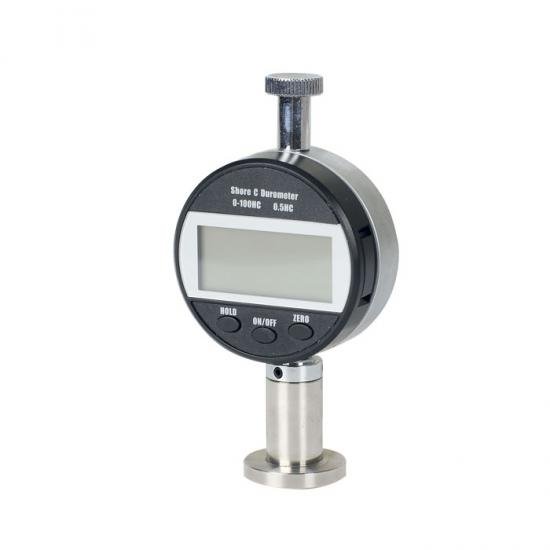
Surface Hardness Testing
Einführung
Surface hardness testing is a critical process used to evaluate the hardness of a material’s outer layer. Hardness is an essential mechanical property that indicates a material’s resistance to indentation, scratching, abrasion, and wear. Surface hardness testing is widely used in industries such as manufacturing, automotive, aerospace, metallurgy, and material science to ensure product durability and performance.
Many engineering components undergo surface treatment processes like carburizing, nitriding, or heat treatment to improve surface strength while maintaining a tough core. Surface hardness testing helps verify that these treatments achieve the required hardness levels.
By measuring hardness at or near the surface, engineers and quality control professionals can determine whether materials meet design specifications and industry standards.
What Is Surface Hardness Testing?
Surface hardness testing is a material testing technique used to measure the hardness of the outermost layer of a material. It evaluates how resistant a material surface is to deformation caused by an applied force.
The test typically involves pressing an indenter with a specific shape and force into the material surface and measuring the resulting indentation.
Surface hardness testing is used to:
- Assess wear resistance
- Verify heat treatment effectiveness
- Evaluate coating quality
- Ensure material durability
- Maintain product quality standards
This testing is essential in industries where surface properties determine the performance of components such as gears, shafts, bearings, and cutting tools.
Importance of Surface Hardness Testing
Surface hardness testing plays a vital role in quality control and product reliability.
Ensures Product Durability
Hardness directly influences a component’s ability to resist wear and deformation during operation.
Verifies Heat Treatment Processes
Surface hardening processes like carburizing or induction hardening must achieve specific hardness levels. Surface hardness testing confirms whether these treatments are successful.
Improves Product Safety
Components with insufficient hardness may fail prematurely, potentially causing safety hazards.
Supports Material Selection
Engineers use hardness test results to select appropriate materials for specific applications.
Principle of Surface Hardness Testing
The principle of surface hardness testing involves measuring a material’s resistance to localized plastic deformation.
Basic Testing Process
- A hard indenter is pressed into the material surface.
- A controlled force is applied for a specific duration.
- The size or depth of the indentation is measured.
- Hardness values are calculated based on standardized formulas.
Harder materials produce smaller indentations, while softer materials create larger indentations.
Common Surface Hardness Testing Methods
Several hardness testing methods are commonly used to evaluate surface hardness.
Rockwell Hardness Test
Die Rockwell hardness test is one of the most widely used methods for surface hardness measurement.
Key Features
- Direkte Härtemessung
- Fast and simple testing process
- Minimal sample preparation
The test measures the depth of indentation produced by an indenter under a specific load.
Common scales include:
- HRC (Rockwell C) for hardened steel
- HRB (Rockwell B) for softer metals
Vickers Hardness Test
Die Vickers hardness test uses a diamond pyramid-shaped indenter to create an indentation on the material surface.
Merkmale
- Suitable for thin materials and coatings
- High accuracy
- Applicable to a wide range of materials
The hardness value is calculated by measuring the diagonal length of the indentation.
Brinell Hardness Test
Die Brinell hardness test uses a hardened steel or carbide ball indenter.
Eigenschaften
- Ideal for large or coarse-grained materials
- Provides average hardness over a larger area
- Often used for castings and forgings
However, it is less suitable for very thin materials or surface coatings.
Mikrohärteprüfung
Microhardness testing methods such as micro Vickers or Knoop tests are used for very small areas or thin surface layers.
Applications include:
- Coating thickness evaluation
- Analyse der Mikrostruktur
- Surface treatment inspection
These tests use very small loads and produce microscopic indentations.
Surface Hardness Testing Equipment
Various instruments are used to perform surface hardness testing.
Rockwell-Härteprüfer
This equipment measures hardness directly by determining the depth of indentation.
Advantages include:
- Quick measurement
- Einfache Bedienung
- Reliable results
Vickers-Härteprüfer
A Vickers tester uses a diamond pyramid indenter and an optical system to measure indentation size.
It is widely used in laboratories and research facilities.
Tragbarer Härteprüfer
Portable hardness testers allow testing directly on large components or installed equipment.
They are commonly used in:
- Vor-Ort-Kontrollen
- Heavy machinery testing
- Large industrial structures
Mikrohärteprüfer
Microhardness testers are specialized instruments designed for high-precision testing of thin layers and small samples.
They often include digital microscopes for accurate measurement.
Factors Affecting Surface Hardness Testing
Several factors can influence hardness test results.
Surface Preparation
A smooth and clean surface ensures accurate indentation measurement.
Test Load
Different loads are used depending on the material and test method.
Material Structure
Microstructure variations can affect hardness results.
Indenter Type
Different indenters produce different indentation shapes and depths.
Applications of Surface Hardness Testing
Surface hardness testing is widely used in many industries.
Autoindustrie
Used to evaluate hardness of:
- Engine components
- Zahnräder
- Camshafts
- Bearings
Luft- und Raumfahrtindustrie
Ensures durability and reliability of critical aircraft components.
Manufacturing Industry
Used for quality control of:
- Heat-treated parts
- Metal components
- Cutting tools
Metallurgical Research
Researchers analyze hardness to study material properties and microstructures.
Advantages of Surface Hardness Testing
Surface hardness testing offers several benefits.
Non-Destructive or Minimally Destructive
The test leaves only a small indentation without damaging the component.
Fast Testing Process
Most hardness tests can be completed within seconds.
High Accuracy
Modern digital testers provide precise and repeatable results.
Wide Material Compatibility
Hardness testing can be applied to metals, ceramics, and coatings.
Limitations of Surface Hardness Testing
Despite its advantages, the method has some limitations.
- Surface preparation may be required
- Results can be affected by rough surfaces
- Some methods are unsuitable for thin materials
- Indentations may still be visible on finished parts
Proper testing procedures help minimize these limitations.
Standards for Surface Hardness Testing
Hardness testing must follow recognized international standards.
Zu den gemeinsamen Standards gehören:
- ASTM-Härteprüfnormen
- ISO hardness testing standards
- DIN material testing standards
These standards ensure accuracy, repeatability, and global consistency.
For more information on international testing standards, visit:
https://www.astm.org
Future Trends in Surface Hardness Testing
Advancements in technology are improving hardness testing capabilities.
Emerging developments include:
⚡ Digital hardness testers with automated measurement
⚡ Computer-assisted hardness analysis
⚡ Portable testing devices for field applications
⚡ Integration with smart manufacturing systems
⚡ Advanced microhardness testing for nanomaterials
These innovations help industries maintain higher quality standards and more efficient production processes.

Frequently Asked Questions (FAQs)
1. What is surface hardness testing used for?
Surface hardness testing is used to measure a material’s resistance to indentation, wear, and deformation.
2. Which hardness test is best for surface hardness?
Common methods include Rockwell, Vickers, and microhardness tests, depending on the material and thickness.
3. Can surface hardness testing damage the material?
The test usually leaves a small indentation, but it does not significantly damage the material.
4. Why is hardness testing important in manufacturing?
It ensures that materials meet quality and performance requirements.
5. What industries use surface hardness testing?
Industries such as automotive, aerospace, metallurgy, and manufacturing commonly use hardness testing.
6. What equipment is used for hardness testing?
Common equipment includes:
- Rockwell-Härteprüfgeräte
- Vickers hardness testers
- Brinell hardness testers
- Microhardness testing machines
Schlussfolgerung
Surface hardness testing is an essential technique for evaluating the durability, wear resistance, and mechanical performance of materials. By measuring the hardness of a material’s outer layer, engineers and quality control specialists can ensure that components meet strict performance standards.
With advancements in digital testing equipment, microhardness analysis, and automated systems, surface hardness testing continues to evolve and support modern manufacturing and material science industries. Reliable hardness testing ultimately contributes to safer products, improved quality control, and enhanced industrial efficiency.