




Hardness Analysis Machine: 9 Powerful Benefits and Complete Guide for Accurate Material Testing


A hardness analysis machine is an essential instrument used in materials testing laboratories and manufacturing industries to determine the hardness and durability of materials. Hardness refers to a material’s resistance to indentation, scratching, or deformation under applied force.
Industries such as aerospace, automotive, construction, and metal manufacturing rely heavily on hardness testing to ensure the quality and reliability of materials. Testing standards are often established by organizations like American Society for Testing and Materials and International Organization for Standardization, ensuring consistent and accurate measurement methods worldwide.
This article explores the hardness analysis machine in detail, including its working principles, types, advantages, and applications across different industries.
What is a Hardness Analysis Machine?
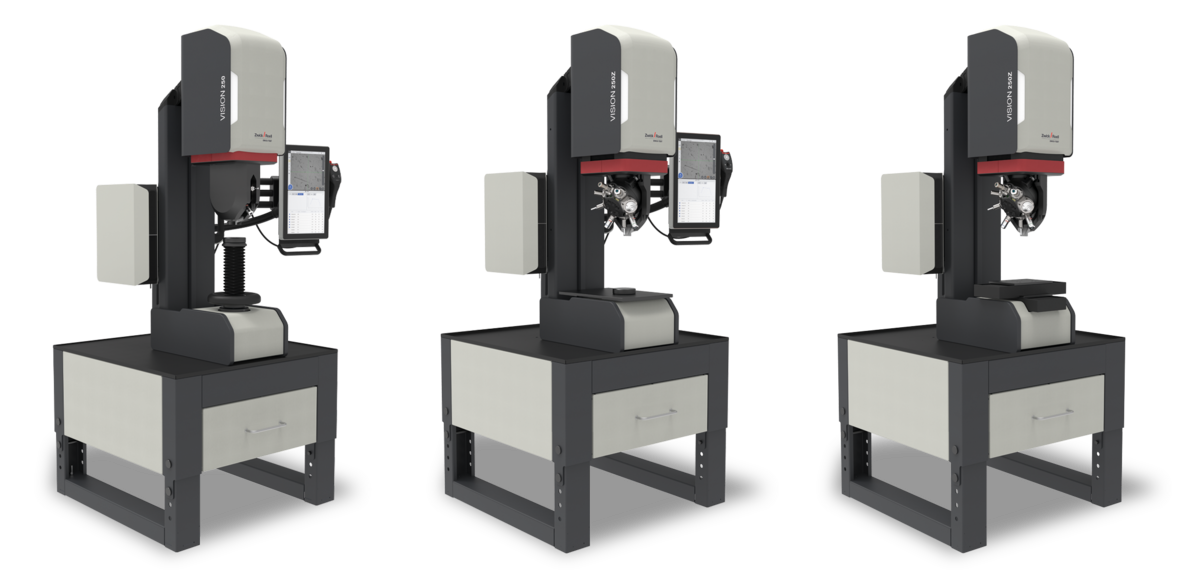
A hardness analysis machine is a testing device designed to measure how resistant a material is to deformation when a specific force is applied. It evaluates the strength and durability of metals, alloys, plastics, and other materials.
Hardness testing plays a critical role in quality control, material development, and product reliability testing.
Key Functions
A hardness analysis machine is primarily used to:
- Determine material strength
- Measure resistance to indentation
- Verify heat treatment processes
- Ensure product quality and compliance
- Analyze material durability
These machines are widely used in laboratories and manufacturing facilities for accurate material evaluation.
How a Hardness Analysis Machine Works
The working principle of a hardness analysis machine is based on applying a controlled force through an indenter onto a material surface and measuring the resulting indentation.
Step-by-Step Process
- Sample Preparation
The material surface is cleaned and placed on the machine’s testing platform. - Indenter Application
A diamond or steel indenter is pressed into the material using a predetermined load. - Indentation Formation
The applied force creates a small indentation on the material surface. - Measurement
The machine measures the size or depth of the indentation. - Berechnung der Härte
The hardness value is calculated using standardized formulas depending on the testing method.
This process provides valuable insights into the material’s mechanical properties.
Main Components of a Hardness Analysis Machine
A hardness analysis machine consists of several key components that work together to ensure accurate measurements.
Eindringkörper
The indenter is the component that presses into the material surface.
Common indenter types include:
- Diamond cone
- Diamond pyramid
- Hardened steel ball
Anwendungssystem laden
This system applies a precise force to the indenter during testing.
Specimen Stage
The stage supports the test sample and ensures proper alignment.
Optical Measurement System
Some machines include microscopes or digital cameras to measure indentation size accurately.
Control Panel or Digital Interface
Modern machines include digital displays and software for easy operation and data analysis.
Types of Hardness Analysis Machines
Different hardness testing methods require different types of machines.
Rockwell-Härteprüfmaschine
Rockwell testing measures hardness by calculating the depth of indentation under a major load.
Advantages include:
- Fast testing
- Einfache Bedienung
- Suitable for production environments
Brinell-Härteprüfmaschine
Brinell testing uses a steel or carbide ball indenter to create a large indentation.
It is commonly used for:
- Gegossene Metalle
- Geschmiedete Komponenten
- Large industrial parts
Vickers-Härteprüfmaschine
Vickers testing uses a Diamant-Pyramiden-Eindringkörper and measures indentation diagonals.
Benefits include:
- Hohe Präzision
- Suitable for thin materials
- Applicable to a wide range of materials
Mikrohärteprüfmaschine
Microhardness machines test very small or delicate materials.
They are widely used in:
- Metallography
- Coating analysis
- Thin film testing
Advantages of Hardness Analysis Machines
Hardness analysis machines offer several benefits for quality control and material evaluation.
High Measurement Accuracy
Modern machines provide extremely precise hardness measurements.
Wide Material Compatibility
They can test metals, plastics, ceramics, and composites.
Qualitätssicherung
Hardness testing ensures that materials meet required specifications.
Zerstörungsfreie Prüfung
The small indentation does not significantly damage the material.
Supports Research and Development
Researchers use hardness analysis machines to develop stronger materials.
Applications of Hardness Analysis Machines
Hardness testing machines are used in many industries.
Autoindustrie
Manufacturers test engine components, gears, and bearings to ensure durability.
Luft- und Raumfahrtindustrie
Aircraft components require precise hardness testing to guarantee safety.
Metallverarbeitung
Steel and metal producers use hardness testing to verify heat treatment results.
Construction Industry
Hardness analysis helps evaluate structural materials and metal components.
Forschungslaboratorien
Scientists use hardness machines to study material properties and innovations.
Factors to Consider When Choosing a Hardness Analysis Machine
Selecting the right hardness analysis machine requires careful consideration.
Testing Method
Choose a machine compatible with required testing methods such as Rockwell or Vickers.
Material Typ
Different machines are better suited for different materials.
Testing Accuracy
Precision is crucial for laboratory and industrial applications.
Automation Level
Automatic machines increase testing efficiency and reduce human error.
Software Integration
Modern systems include data analysis and reporting capabilities.
Maintenance of Hardness Analysis Machines
Regular maintenance ensures accurate and reliable performance.
Maintenance practices include:
- Cleaning testing surfaces
- Calibrating the machine regularly
- Inspecting indenters for wear
- Verifying load accuracy
- Updating software systems
Proper maintenance extends the machine’s lifespan and ensures accurate results.
Future Trends in Hardness Analysis Machines
Advances in technology are improving hardness testing systems.
Digital Automation
Automated hardness testers reduce manual operation and improve efficiency.
AI-Based Data Analysis
Artificial intelligence can analyze test results and detect material inconsistencies.
Portable Hardness Testers
Compact machines allow on-site testing in factories and field environments.
Smart Manufacturing Integration
Hardness testing machines are increasingly integrated into smart production lines.
Frequently Asked Questions (FAQs)
1. What is a hardness analysis machine used for?
It is used to measure the resistance of materials to indentation or deformation, helping evaluate material strength and durability.
2. What materials can be tested using hardness analysis machines?
Materials commonly tested include metals, alloys, ceramics, plastics, and composite materials.
3. What are the most common hardness testing methods?
The most widely used methods include Rockwell, Brinell, and Vickers hardness testing.
4. Is hardness testing destructive?
No. Hardness testing is considered minimally destructive because the indentation is very small.
5. How accurate are hardness analysis machines?
Modern machines provide highly accurate and repeatable measurements when properly calibrated.
6. Where are hardness analysis machines used?
They are widely used in manufacturing plants, laboratories, research centers, and quality control departments.
Schlussfolgerung
A hardness analysis machine is an essential tool for evaluating the strength and durability of materials used in modern industries. By accurately measuring material resistance to indentation, these machines help ensure product quality, safety, and performance. With advancements in automation, digital technology, and smart manufacturing, hardness analysis machines will continue to play a crucial role in materials testing and industrial innovation.