




Precision Hardness Tester: The Ultimate Guide to High-Accuracy Material Testing

Introduction to Precision Hardness Testing
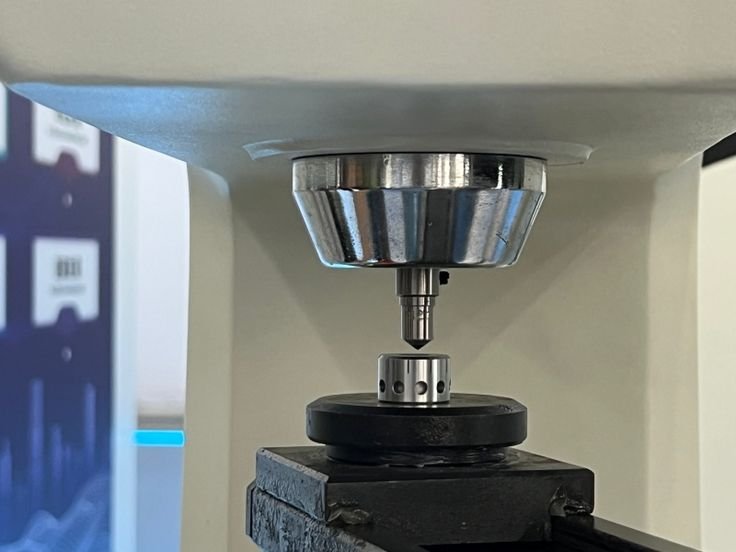
Accurate material testing is essential for ensuring product quality, reliability, and performance. A precision hardness tester is specifically designed to provide highly accurate and repeatable hardness measurements for metals, alloys, coatings, and other engineering materials. These systems are commonly used in laboratories, manufacturing facilities, research institutions, and quality control departments where measurement accuracy is critical.
Hardness testing evaluates a material’s resistance to indentation, penetration, or deformation. The results help engineers understand material properties such as strength, wear resistance, heat treatment effectiveness, and structural integrity. Because hardness often correlates with other mechanical properties, it serves as a valuable indicator of overall material performance.
Modern precision testing equipment combines advanced mechanics, digital imaging, automation, and intelligent software to achieve exceptional measurement reliability.

What Is a Precision Hardness Tester?
Begriffsbestimmung und Zweck
A precision hardness tester is a specialized instrument engineered to perform hardness measurements with minimal uncertainty and maximum repeatability. These systems are designed to meet demanding quality requirements in industries where small measurement variations can significantly impact product performance.
Typical applications include:
- Material certification
- Quality assurance
- Metallurgical analysis
- Heat treatment verification
- Research and development
- Failure investigations
Importance of High-Accuracy Measurements
In many industries, even slight deviations in hardness can indicate significant differences in material properties. Accurate measurements help organizations:
- Maintain product consistency
- Reduce defects
- Verify manufacturing processes
- Meet customer specifications
- Ensure regulatory compliance
How Precision Hardness Testing Works
Most hardness testing methods involve:
- Preparing the specimen
- Applying a controlled force through an indenter
- Creating an indentation
- Measuring the indentation
- Berechnung des Härtewerts
Precision systems use advanced technologies to control each stage of the testing process and minimize measurement errors.
Why Precision Matters in Hardness Testing
Quality Assurance Requirements
Manufacturers rely on precise measurements to ensure products meet strict performance and safety standards.
Research and Development Applications
Material scientists and engineers require highly accurate data when developing new alloys, coatings, and manufacturing processes.
Einhaltung internationaler Standards
Accurate testing helps organizations comply with recognized standards and maintain confidence in test results.
Types of Precision Hardness Tester Systems
Precision Rockwell Hardness Testers
Rockwell systems measure indentation depth and provide rapid hardness readings.
Die Vorteile sind:
- Hohe Wiederholgenauigkeit
- Schnelle Prüfgeschwindigkeit
- Direct digital readings
- Efficient production inspections
Precision Brinell Hardness Testers
Die Brinell-Prüfung wird üblicherweise verwendet für:
- Gusseisen
- Schmiedeteile
- Konstruktionsstahl
- Große industrielle Komponenten
Digital imaging technology improves indentation measurement accuracy.
Precision Vickers Hardness Testers
Vickers systems offer exceptional versatility and precision.
Die Vorteile umfassen:
- Broad load range
- Thin material testing
- Detailed metallurgical analysis
- Excellent measurement resolution
Microhardness Testing Systems
Microhardness equipment is designed for:
- Dünne Schichten
- Elektronische Materialien
- Oberflächenbehandlungen
- Microstructural studies
These systems operate under very low loads and require advanced optical measurement capabilities.
Universal Precision Hardness Testers
Universal systems combine multiple testing methods in a single machine, providing maximum flexibility and efficiency.
Key Features of Modern Precision Hardness Tester Equipment
Advanced Load Control Systems
Precision testing requires highly accurate force application. Modern systems use sophisticated load control mechanisms to ensure consistency.
High-Resolution Optical Measurement
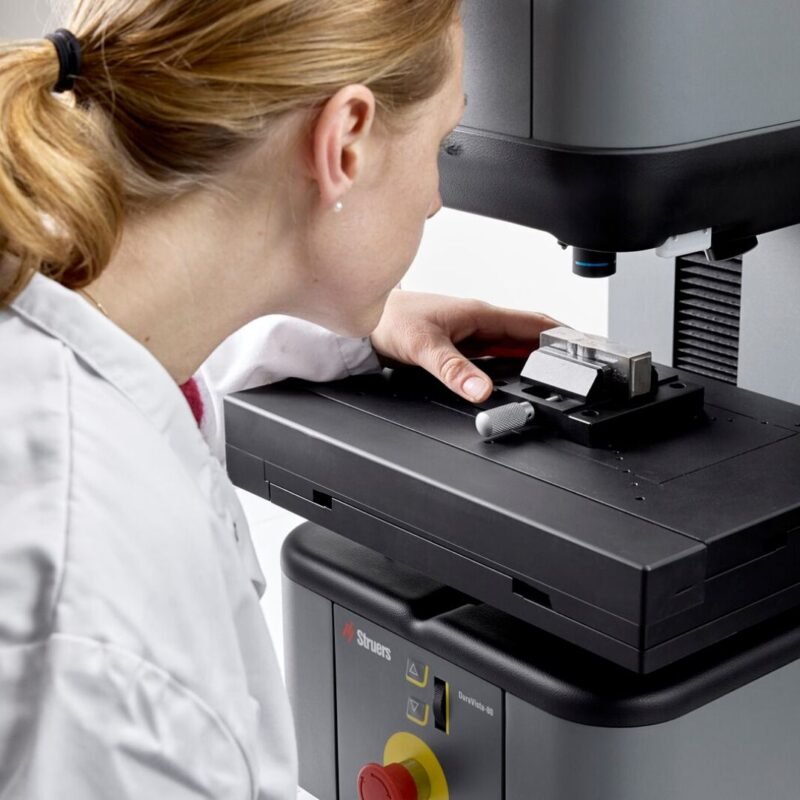
Many systems include:
- Digital microscopes
- High-resolution cameras
- Automated image analysis
These technologies improve measurement accuracy and reduce operator influence.
Automated Indentation Analysis
Advanced software automatically identifies and measures indentations, minimizing human error and increasing efficiency.
Intelligent Software and Data Management
Modern systems often provide:
- Automated calculations
- Hardness scale conversions
- Statistische Analyse
- Berichterstellung
- Data storage and export
These capabilities support quality management and traceability requirements.
Materials Commonly Evaluated
Steel and Stainless Steel
Precision testing helps verify heat treatment quality and mechanical performance.
Aluminum and Lightweight Alloys
High-accuracy measurements are critical for aerospace and transportation applications.
Cast Iron and Forged Components
Large industrial components benefit from reliable hardness verification.
Thin Coatings and Surface Treatments
Microhardness testing is particularly effective for evaluating thin layers and engineered surfaces.
Industrielle Anwendungen
Manufacturing Quality Control
Precision testing helps manufacturers maintain consistent product quality and reduce defects.
Luft- und Raumfahrttechnik
Aircraft materials require accurate hardness verification to meet strict performance and safety requirements.
Autoindustrie
Applications include testing:
- Zahnräder
- Bearings
- Motorkomponenten
- Transmission parts
- Suspension systems
Research Laboratories and Universities
Researchers use precision hardness testing to support material development and scientific investigations.
Benefits of Using a Precision Hardness Tester
Organizations gain several important advantages:
- Exceptional measurement accuracy
- Superior repeatability
- Improved quality control
- Automated analysis
- Enhanced traceability
- Geringerer Einfluss des Bedieners
- Greater confidence in results
These benefits support both operational efficiency and product reliability.
Factors to Consider When Choosing Equipment
Testing Method Requirements
Select a system that supports the hardness methods most relevant to your applications.
Material Types
Different materials may require different load ranges, indenters, or measurement technologies.
Merkmale der Automatisierung
Consider equipment with:
- Automatic focusing
- Motorized stages
- Automated measurement
- Intelligent reporting tools
Software-Fähigkeiten
Bewerten:
- Data management functions
- Statistical analysis tools
- Konnektivitätsoptionen
- Reporting flexibility

Budget and Long-Term Value
Consider both initial investment and ongoing maintenance, calibration, and training costs.
Calibration and Maintenance Best Practices
To maintain measurement accuracy:
- Use certified hardness reference blocks
- Follow scheduled calibration procedures
- Clean optical systems regularly
- Maintain detailed service records
- Perform preventive maintenance
Routine calibration helps ensure long-term performance and compliance.
Industrienormen und Konformität
Precision hardness testing equipment commonly complies with international standards such as:
- ASTM E18
- ASTM E10
- ASTM E384
- ISO 6506
- ISO 6507
- ISO 6508
For additional information:
Compliance ensures reliable and globally recognized testing results.
Häufig gestellte Fragen
1. What is a precision hardness tester?
It is a high-accuracy instrument designed to provide reliable and repeatable hardness measurements for materials testing.
2. Which industries require precision hardness testing?
Aerospace, automotive, manufacturing, metallurgy, research laboratories, and quality control facilities.
3. What is the difference between standard and precision hardness testers?
Precision systems offer higher measurement accuracy, improved repeatability, and advanced analysis capabilities.
4. Can precision testers perform multiple hardness methods?
Many advanced systems support Rockwell, Brinell, Vickers, and microhardness testing within a single platform.
5. Why is calibration important?
Calibration ensures accurate measurements and compliance with industry standards.
6. Are digital precision hardness testers available?
Yes. Most modern systems feature digital controls, automated measurements, and comprehensive reporting functions.
Schlussfolgerung
A precision hardness tester is an essential tool for organizations that require highly accurate and repeatable material hardness measurements. Whether used in manufacturing, aerospace, automotive, research, or quality assurance applications, these systems provide the reliability needed to make informed decisions and maintain product quality.
By combining advanced measurement technology, automation, and intelligent software, modern precision hardness testers help improve testing efficiency, support compliance with international standards, and ensure consistent material performance. Investing in a high-quality precision testing system can deliver long-term value through enhanced accuracy, productivity, and quality control.

