




Automatic Brinell Hardness Tester: 13 Powerful Benefits for Precision Material Testing


Article Outline
| Heading Level | Topic |
|---|---|
| H1 | Automatisches Brinell-Härteprüfgerät |
| H2 | Introduction to Automatic Brinell Hardness Testing |
| H3 | What Is an Automatic Brinell Hardness Tester |
| H3 | Evolution from Manual to Automatic Systems |
| H2 | Working Principle of Automatic Brinell Hardness Tester |
| H3 | Indentation Process |
| H3 | Automated Measurement and Calculation |
| H2 | Key Components of Automatic Brinell Hardness Tester |
| H3 | Automatic Load Control System |
| H3 | Optical Imaging and Measurement Unit |
| H3 | Control Panel and Software |
| H2 | Features of Automatic Brinell Hardness Tester |
| H3 | Fully Automated Operation |
| H3 | High Precision Measurement |
| H3 | Datenspeicherung und Konnektivität |
| H2 | Advantages of Automatic Brinell Hardness Tester |
| H3 | Reduced Human Error |
| H3 | Increased Testing Speed |
| H3 | Consistent Results |
| H2 | Applications of Automatic Brinell Hardness Tester |
| H3 | Verarbeitendes Gewerbe |
| H3 | Metallurgische Laboratorien |
| H3 | Heavy Equipment Testing |
| H2 | Comparison with Other Hardness Testing Methods |
| H3 | Automatic vs Manual Brinell |
| H3 | Brinell vs Rockwell and Vickers |
| H2 | How to Choose an Automatic Brinell Hardness Tester |
| H3 | Technical Specifications |
| H3 | Automatisierungsgrad |
| H3 | Software-Integration |
| H2 | Maintenance and Calibration |
| H2 | Zukünftige Trends in der automatischen Härteprüfung |
| H2 | Häufig gestellte Fragen |
| H2 | Schlussfolgerung |
Automatic Brinell Hardness Tester: Complete Guide to Advanced Material Testing Technology
Eine automatic brinell hardness tester is a modern testing machine designed to measure material hardness with minimal human intervention. By combining automation, digital imaging, and precise load control, these testers deliver highly accurate and repeatable results, making them essential for industrial quality control and research applications.
The testing method is based on the Brinell Hardness Test, where a hardened ball indenter is pressed into the material surface. Automatic systems enhance this process by performing measurement and calculation without manual input.

Introduction to Automatic Brinell Hardness Testing
Automatic Brinell hardness testers represent a major advancement in testing technology.
What Is an Automatic Brinell Hardness Tester
An automatic brinell hardness tester is a machine that performs the entire hardness testing process automatically, including load application, indentation measurement, and hardness calculation.
Die wichtigsten Merkmale sind:
- Fully automated operation
- Digital measurement systems
- Hohe Genauigkeit und Wiederholbarkeit
- Integrated software for analysis
Evolution from Manual to Automatic Systems
Traditional Brinell testers required manual measurement using microscopes. Automation has transformed this process by introducing:
- Optical imaging systems
- Software-based measurement
- Automated reporting
This evolution improves efficiency and reduces operator dependency.
Working Principle of Automatic Brinell Hardness Tester ⚙️
The working principle remains based on indentation but is enhanced by automation.
Indentation Process
A hardened steel or tungsten carbide ball is pressed into the material under a controlled load for a specific duration.
Automated Measurement and Calculation
After indentation, the system:
- Captures the indentation image
- Measures the diameter automatically
- Calculates the hardness value
The result is displayed as HB (Brinell Hardness Number).
Key Components of Automatic Brinell Hardness Tester
Automatic testers consist of advanced components.
Automatic Load Control System
Ensures precise and consistent application of force.
Optical Imaging and Measurement Unit
High-resolution cameras measure indentation accurately.
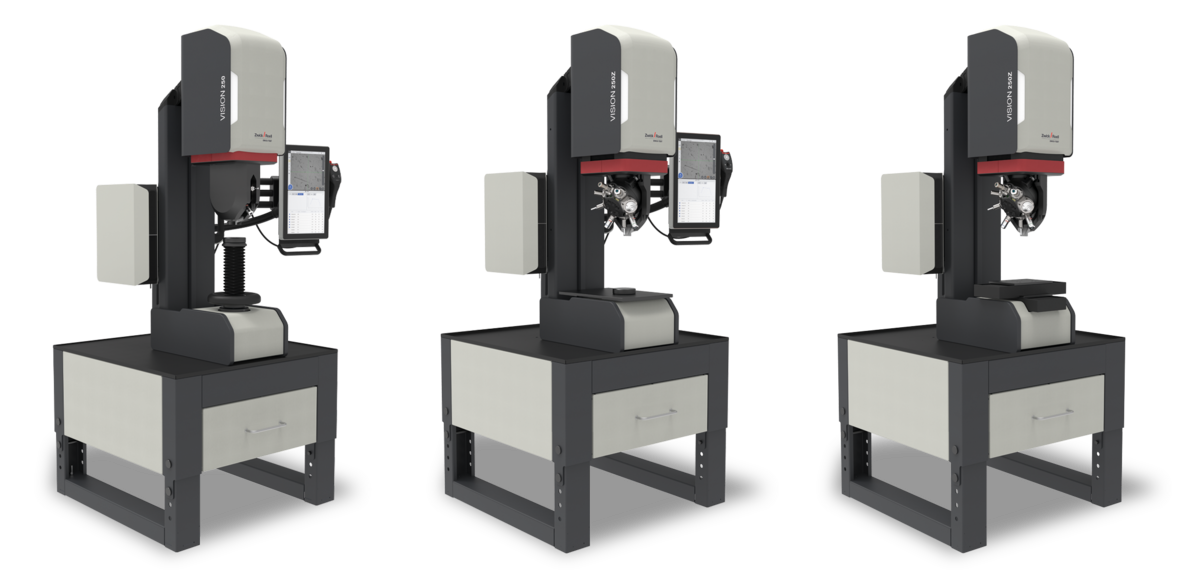
Control Panel and Software
Provides:
- Real-time results
- Data storage and export
- User-friendly interface
Features of Automatic Brinell Hardness Tester 🌟
Modern automatic testers offer advanced capabilities.
Fully Automated Operation
The entire testing process is completed without manual intervention.
High Precision Measurement
Advanced sensors and imaging systems ensure accurate results.
Datenspeicherung und Konnektivität
Results can be stored, analyzed, and shared digitally.
Advantages of Automatic Brinell Hardness Tester 🚀
Automatic Brinell testers provide several benefits.
Reduced Human Error
Automation eliminates operator-related inconsistencies.
Increased Testing Speed
Faster measurement improves productivity.
Consistent Results
Uniform testing conditions ensure repeatable outcomes.
Applications of Automatic Brinell Hardness Tester 🏭
These testers are widely used in various industries.
Verarbeitendes Gewerbe
Used for quality control of metals and alloys.
Metallurgische Laboratorien
Provides accurate data for research and development.
Heavy Equipment Testing
Ideal for testing large components such as castings and forgings.
Comparison with Other Hardness Testing Methods
Automatic vs Manual Brinell
| Merkmal | Manual Tester | Automatic Tester |
|---|---|---|
| Operation | Handbuch | Fully automatic |
| Genauigkeit | Mäßig | Hoch |
| Speed | Slow | Schnell |
| Data Handling | Limited | Advanced |
Brinell vs Other Hardness Tests
Compared to:
- Rockwell Hardness Test
- Vickers-Härteprüfung
Brinell testing is best for soft and coarse-grained materials.
How to Choose an Automatic Brinell Hardness Tester 🔍
Selecting the right tester depends on several factors.
Technical Specifications
Bedenken Sie:
- Load range
- Indenter size
- Measurement accuracy
Automatisierungsgrad
Choose a system that matches your production or laboratory needs.
Software-Integration
Ensure compatibility with quality control and data management systems.
Maintenance and Calibration
Proper maintenance ensures reliable performance.
Routine Maintenance
- Clean optical components
- Inspect indenter condition
- Check alignment
Calibration
Use certified reference blocks to maintain accuracy.
Future Trends in Automatic Hardness Testing 🔮
Die Technologie entwickelt sich ständig weiter.
AI-Based Analysis
Artificial intelligence enhances measurement accuracy.
Integration intelligenter Fertigung
Machines are integrated into automated production lines.
Cloud Data Management
Remote access and storage of test results.
Enhanced Imaging Systems
High-resolution cameras improve precision.
Häufig gestellte Fragen
What is an automatic Brinell hardness tester?
It is a machine that performs hardness testing automatically using the Brinell method.
What are its main advantages?
High accuracy, faster testing, and reduced human error.
What materials can be tested?
Soft to medium-hard metals such as cast iron, aluminum, and steel.
How is hardness measured?
By measuring the diameter of the indentation made by a ball indenter.
Is calibration necessary?
Yes, regular calibration ensures accurate results.
How does it differ from digital testers?
Automatic testers perform the entire process, while digital testers may still require some manual steps.
Schlussfolgerung
Eine automatic brinell hardness tester is a powerful tool for modern material testing, combining the reliability of the Brinell Hardness Test with advanced automation technology. It offers superior accuracy, efficiency, and consistency, making it indispensable for industrial and laboratory applications.
As industries continue to embrace automation and smart manufacturing, automatic Brinell hardness testers will play a key role in ensuring quality and reliability in material testing processes. 🔬