




Der ultimative Leitfaden für Härteprüfer 27 leistungsstarke Methoden zur genauen Materialprüfung


Gliederung für den Artikel über Härteprüfer
| Themenbereich | Detaillierte Abdeckung mit LSI-Schlüsselwörtern |
|---|---|
| Einführung in Härteprüfer | Härteprüfgeräte |
| Definition eines Härteprüfers | Messung der Materialhärte |
| Die Bedeutung der Härtemessung | qualitätssicherung |
| Geschichte der Härteprüfgeräte | Entwicklung der Härteprüfung |
| Grundprinzip der Härteprüfung | Verformungsbeständigkeit |
| Hauptkomponenten eines Härteprüfers | Eindringkörper, Belastungssystem |
| Klassifizierung von Härteprüfgeräten | Rockwell, Brinell, Vickers |
| Rockwell-Härteprüfer | tiefenabhängige Härte |
| Brinell-Härteprüfer | Kugeleindringprüfung |
| Vickers-Härteprüfer | Diamant-Pyramiden-Methode |
| Knoop-Härteprüfer | Mikrohärteprüfung |
| Shore-Härteprüfer | Rückprallhärte |
| Leeb Härteprüfer | mobile Härtemessung |
| Mikrohärteprüfer | dünne Materialien |
| Makro-Härteprüfgerät | Volumenhärte |
| Tragbarer Härteprüfer | Vor-Ort-Besichtigung |
| Labor-Härteprüfer | Präzisionsprüfung |
| Digitaler Härteprüfer | automatische Messung |
| Automatisches Härteprüfgerät | Großserienprüfung |
| Mit Härtemessgeräten geprüfte Werkstoffe | Metalle und Legierungen |
| Härteprüfung bei Stahl | Wärmebehandlungsnachweis |
| Härteprüfung bei Aluminium | leichte Metalle |
| Härteprüfung bei Gusseisen | Gießerei-Anwendungen |
| Härteprüfung bei Nichteisenmetallen | Kupferlegierungen |
| Anwendungen in der Fertigung | Prozesssteuerung |
| Anwendungen in der Qualitätskontrolle | Abnahmeprüfung |
| Anwendungen in F&E | Materialentwicklung |
| Normen für die Härteprüfung | ASTM, ISO |
| Genauigkeit und Reproduzierbarkeit | zuverlässige Ergebnisse |
| Kalibrierung und Rückverfolgbarkeit | Messsicherheit |
| So wählen Sie ein Härteprüfgerät aus | Auswahlhilfe |
| Häufige Fehler bei der Härteprüfung | Prävention |
| Vorteile von Härteprüfgeräten | Effizienz |
| Einschränkungen bei der Härteprüfung | Auslegung |
| Wartung von Härteprüfgeräten | Haltbarkeit |
| Automatisierung und digitale Trends | intelligentes Testen |
| Markenkompetenz und Lösungen | Johoyd-Härteprüfer |
| Zukünftige Trends in der Härteprüfung | Innovation |
| FAQs | allgemeine Fragen |
| Schlussfolgerung | Zusammenfassung |
Einführung
A Härteprüfer ist eines der wichtigsten Werkzeuge in der Materialprüfung und der industriellen Qualitätssicherung. Von großen Produktionsstätten bis hin zu hochmodernen Forschungslabors hilft die Härtemessung dabei, festzustellen, ob Materialien die geforderten Standards hinsichtlich Festigkeit, Haltbarkeit und Leistungsfähigkeit erfüllen. Schon geringfügige Abweichungen bei der Härte können auf eine unsachgemäße Verarbeitung, Materialfehler oder potenzielle Ausfallrisiken hinweisen.
Da die Industrie zunehmend auf höhere Präzision und Automatisierung setzt, haben sich Härteprüfgeräte zu hochmodernen Messgeräten weiterentwickelt, die schnelle, wiederholbare und rückverfolgbare Ergebnisse liefern. Für Ingenieure, Prüfer und Hersteller ist es von entscheidender Bedeutung, die Funktionsweise von Härteprüfgeräten zu verstehen und sie korrekt anzuwenden.
Härteprüfer
A Härteprüfer ist ein Gerät zur Messung der Beständigkeit eines Werkstoffs gegen bleibende Verformung. Diese Verformung wird in der Regel dadurch hervorgerufen, dass ein Eindringkörper unter einer kontrollierten Kraft in die Werkstoffoberfläche gedrückt wird.
Da die Härte in engem Zusammenhang mit mechanischen Eigenschaften wie Festigkeit und Verschleißfestigkeit steht, wird die Härtemessung häufig als schnelle und zuverlässige Bewertungsmethode eingesetzt.
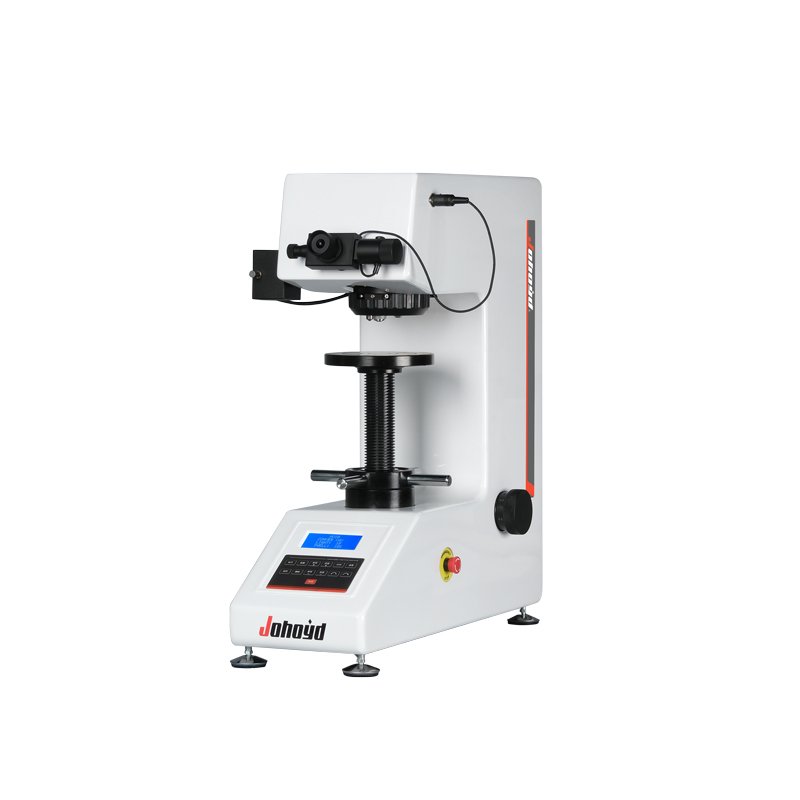
Definition eines Härteprüfers
Ein Härteprüfer wandelt das physikalische Eindrück- oder Rückprallverhalten in einen numerischen Härtewert um. Je härter das Material, desto kleiner ist die Eindrückung bzw. desto stärker ist die Rückprallreaktion.
Verschiedene Härteprüfgeräte sind für unterschiedliche Werkstoffe, Dicken und Prüfbedingungen optimiert, weshalb die richtige Auswahl von entscheidender Bedeutung ist.
Die Bedeutung der Härtemessung
Die Härtemessung spielt eine entscheidende Rolle bei der Überprüfung der Materialkonsistenz und der Verarbeitungsqualität. Sie hilft Herstellern dabei, die Wirksamkeit der Wärmebehandlung zu bestätigen, falsche Werkstoffsorten zu erkennen und vorzeitige Bauteilausfälle zu verhindern.
Durch den Einsatz eines Härtemessgeräts während der Produktion und bei der Qualitätskontrolle verbessern Unternehmen die Zuverlässigkeit ihrer Produkte und reduzieren kostspielige Nacharbeiten.
Geschichte der Härteprüfgeräte
Frühe Verfahren zur Härteprüfung basierten auf der Kratzfestigkeit und dem visuellen Vergleich. Mit steigenden Anforderungen der Industrie wurden standardisierte, auf Eindrücken basierende Verfahren entwickelt.
Moderne Härteprüfgeräte verbinden heute mechanische Präzision mit digitaler Messtechnik, Automatisierung und Datenintegration.
Grundprinzip der Härteprüfung
Das Grundprinzip der Härtemessung ist die Verformungsfestigkeit. Eine bekannte Kraft wird über einen genormten Eindringkörper auf die Prüffläche ausgeübt.
Die dabei entstehende Eindrückgröße bzw. -tiefe spiegelt die Härte des Materials wider.
Hauptkomponenten eines Härteprüfers
Ein typisches Härteprüfgerät besteht aus einem Eindringkörper, einem Kraftaufbringungssystem, einer Messeinheit sowie einem Display oder einer Bedienoberfläche.
Jede Komponente muss präzise arbeiten, um konsistente und zuverlässige Ergebnisse zu gewährleisten.
Klassifizierung von Härteprüfgeräten
Härteprüfgeräte werden nach Prüfverfahren und Anwendungsbereich klassifiziert.
Zu den gängigen Typen zählen Rockwell-, Brinell-, Vickers-, Knoop-, Shore- und Leeb-Härteprüfgeräte.
Rockwell-Härteprüfer
Rockwell-Härteprüfgeräte messen die Eindringtiefe unter einer geringen und einer hohen Belastung.
Sie sind schnell, einfach zu bedienen und finden in Produktionsumgebungen breite Anwendung.
Brinell-Härteprüfer
Brinell-Prüfgeräte verwenden einen Eindringkörper aus gehärtetem Stahl oder Hartmetall und hohe Belastungen.
Sie eignen sich ideal für Gusseisen, Schmiedeteile und Werkstoffe mit grober Kornstruktur.
Vickers-Härteprüfer
Vickers-Prüfgeräte verwenden einen pyramidenförmigen Diamanteindringkörper.
Sie bieten eine hohe Genauigkeit über einen breiten Härtebereich und unterstützen sowohl Makro- als auch Mikroprüfungen.
Knoop-Härteprüfer
Knoop-Prüfgeräte sind für Mikrohärteprüfungen ausgelegt.
Sie eignen sich für dünne Schichten, Beschichtungen und spröde Werkstoffe.
Shore-Härteprüfer
Shore-Härteprüfgeräte messen die Rückprall- bzw. Eindrückhärte.
Sie werden häufig für Elastomere und weichere Materialien verwendet.
Leeb Härteprüfer
Leeb-Prüfgeräte messen die Rückprallgeschwindigkeit nach dem Aufprall.
Sie werden häufig als tragbare Härteprüfgeräte für große Bauteile eingesetzt.
Mikrohärteprüfer
Mikrohärteprüfgeräte wenden sehr geringe Prüfkräfte an.
Sie untersuchen Oberflächenbehandlungen, Beschichtungen und Mikrostrukturen.
Makro-Härteprüfgerät
Makro-Härteprüfgeräte dienen zur Beurteilung der Materialeigenschaften von Schüttgütern.
Sie werden in der Regel für schwere Bauteile und Konstruktionsmaterialien verwendet.
Tragbarer Härteprüfer
Tragbare Härteprüfgeräte ermöglichen die Prüfung großer oder eingebauter Bauteile vor Ort.
Sie sind für Wartungsarbeiten und Inspektionen vor Ort unverzichtbar.
Labor-Härteprüfer
Labor-Härteprüfgeräte bieten kontrollierte Prüfbedingungen und eine hohe Genauigkeit.
Sie werden für Zertifizierungen, Referenzprüfungen und Forschungszwecke verwendet.
Digitaler Härteprüfer
Digitale Härteprüfgeräte automatisieren die Messung der Eindrückung und die Datenerfassung.
Sie verbessern die Genauigkeit, Rückverfolgbarkeit und Wiederholbarkeit.
Automatisches Härteprüfgerät
Automatische Härteprüfgeräte steuern die Belastungsaufbringung und die Messung automatisch.
Sie ermöglichen Prüfungen in großen Mengen bei minimalem Bedienereinfluss.
Mit Härtemessgeräten geprüfte Werkstoffe
Härteprüfgeräte finden bei Metallen und Legierungen breite Anwendung.
Stahl, Aluminium, Gusseisen und Nichteisenmetalle werden üblicherweise geprüft.
Härteprüfung bei Stahl
Die Härteprüfung von Stahl dient zur Überprüfung der Wärmebehandlung und der mechanischen Eigenschaften.
Häufig kommen Rockwell- und Vickers-Härteprüfer zum Einsatz.
Härteprüfung bei Aluminium
Aluminium erfordert aufgrund seiner Weichheit eine sorgfältige Auswahl der Belastung.
Brinell- und Vickers-Prüfgeräte liefern genaue Ergebnisse.
Härteprüfung bei Gusseisen
Gusseisen profitiert von der Brinell-Prüfung.
Die große Vertiefung gleicht Materialschwankungen aus.
Härteprüfung bei Nichteisenmetallen
Nichteisenmetalle erfordern flexible Prüfmethoden.
Vickers-Prüfungen werden oft bevorzugt.
Anwendungen in der Fertigung
Hersteller setzen Härteprüfgeräte zur Prozesssteuerung und Fehlererkennung ein.
Sie tragen dazu bei, während des gesamten Produktionsprozesses eine gleichbleibende Qualität zu gewährleisten.

Anwendungen in der Qualitätskontrolle
Qualitätskontrollteams nutzen Härteprüfgeräte für die Abnahmeprüfung.
Klare Härtegrenzen vereinfachen Inspektionsentscheidungen.
Anwendungen in F&E
Forschungs- und Entwicklungslabore nutzen Härteprüfgeräte, um das Materialverhalten zu untersuchen.
Mikro- und Nanotests fördern die Materialinnovation.
Normen für die Härteprüfung
Die Härteprüfung unterliegt den Normen der ASTM und der ISO.
Die Einhaltung der Vorschriften gewährleistet einheitliche und weltweit anerkannte Ergebnisse.
Genauigkeit und Reproduzierbarkeit
Die Genauigkeit hängt von der Kalibrierung, dem Zustand des Eindringkörpers und dem ordnungsgemäßen Betrieb ab.
Die Wiederholbarkeit gewährleistet zuverlässige Vergleiche über einen längeren Zeitraum hinweg.
Kalibrierung und Rückverfolgbarkeit
Eine regelmäßige Kalibrierung gewährleistet die Zuverlässigkeit der Härtemesswerte.
Rückverfolgbare Messungen dienen als Grundlage für Audits und Zertifizierungen.
So wählen Sie ein Härteprüfgerät aus
Die Auswahl hängt von der Materialart, dem Härtebereich, dem Prüfvolumen und den Umgebungsbedingungen ab.
Eine fachkundige Beratung trägt dazu bei, eine optimale Leistung zu gewährleisten.
Häufige Fehler bei der Härteprüfung
Zu den häufigsten Fehlern gehören eine schlechte Oberflächenvorbereitung und eine falsche Auswahl der Tests.
Standardisierte Verfahren verringern diese Risiken.
Vorteile von Härteprüfgeräten
Die wichtigsten Vorteile sind:
- Schnelle Prüfung
- Minimale Sachschäden
- Kostengünstige Inspektion
- Breiter Anwendungsbereich
Diese Vorteile machen Härteprüfgeräte unverzichtbar.
Einschränkungen bei der Härteprüfung
Härteprüfungen ersetzen keine umfassenden mechanischen Prüfungen.
Die Ergebnisse müssen im Zusammenhang mit anderen Materialeigenschaften interpretiert werden.
Wartung von Härteprüfgeräten
Routinemäßige Reinigung, Inspektion und Kalibrierung erhalten die Genauigkeit.
Eine ordnungsgemäße Wartung verlängert die Lebensdauer der Geräte.
Automatisierung und digitale Trends
Moderne Härteprüfgeräte vereinen Automatisierung und digitale Vernetzung.
Diese Funktionen unterstützen die intelligente Fertigung und die datengestützte Qualitätskontrolle.
Markenkompetenz und Lösungen
Für zuverlässige Härtemessungen sind vertrauenswürdige Geräte und professionelle Unterstützung erforderlich. Johoyd, durch https://hardnesstests.com, bietet erweiterte Härteprüfer Lösungen für Industrie-, Labor- und Forschungsanwendungen, die Präzision, Langlebigkeit und Konformität miteinander verbinden.
Zukünftige Trends in der Härteprüfung
Zu den zukünftigen Trends zählen KI-gestützte Analysen, fortschrittliche Automatisierung und eine tiefgreifendere digitale Integration.
Diese Entwicklungen werden die Effizienz der Tests weiter steigern.

Häufig gestellte Fragen
Wozu dient ein Härtemessgerät?
Er misst die Verformungsbeständigkeit eines Materials.
Ist die Härteprüfung zerstörerisch?
Sie ist minimal zerstörerisch.
Welches Härteprüfgerät ist am weitesten verbreitet?
Rockwell-Härteprüfgeräte sind weit verbreitet.
Kann die Härteprüfung automatisiert werden?
Ja, es gibt automatische Systeme.
Müssen Härtemessgeräte kalibriert werden?
Ja, eine regelmäßige Kalibrierung ist unerlässlich.
Sind Normen für die Härteprüfung erforderlich?
Ja, es gelten die ASTM- und ISO-Normen.
Schlussfolgerung
A Härteprüfer ist ein Eckpfeiler der Werkstoffbewertung und Qualitätssicherung. Durch schnelle und präzise Härtemessungen unterstützt es zuverlässige Fertigungs-, Forschungs- und Prüfprozesse.
Mit vertrauenswürdigen Anbietern wie Johoyd Bereitstellung professioneller Lösungen durch hardnesstests.com, … gewinnen die Anwender Vertrauen in ihre Härtemessergebnisse. Da sich Werkstoffe und Technologien ständig weiterentwickeln, werden Härtemessgeräte auch weiterhin unverzichtbare Werkzeuge in der modernen Industrie bleiben.
Vorgeschlagene interne Links
- Arten von Härteprüfverfahren
- Industrielle Härteprüfgeräte
Vorgeschlagene ausgehende Links
- ASTM-Härteprüfnormen
- ISO-Richtlinien für die Härtemessung