




Metal Hardness Scales Power Guide 26 Essential Standards for Accurate Material Comparison

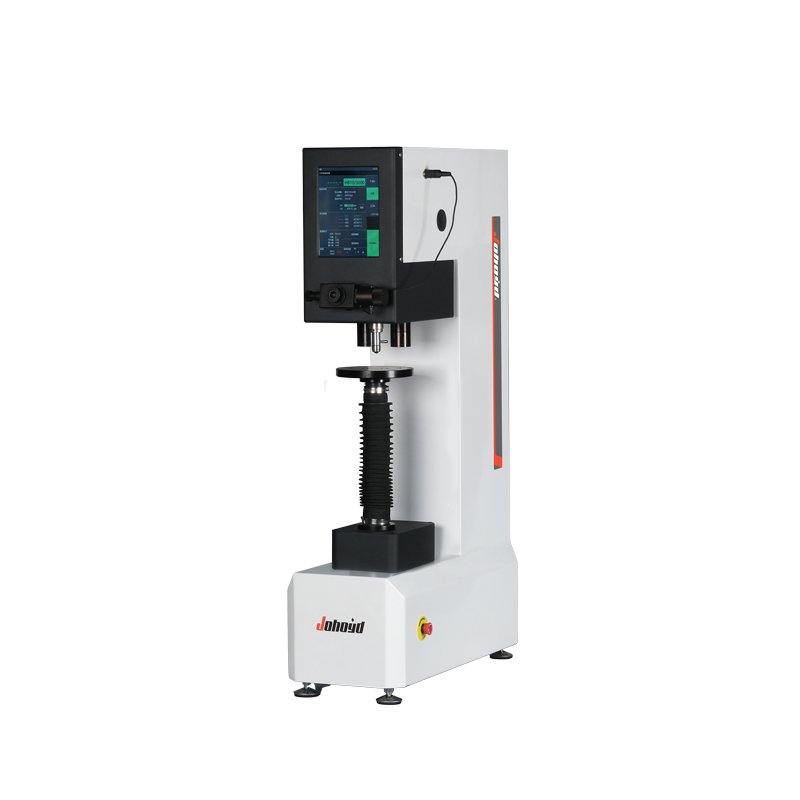
Outline for the Article on Metal Hardness Scales
| Themenbereich | Detaillierte Abdeckung mit LSI-Schlüsselwörtern |
|---|---|
| Introduction to Metal Hardness Scales | metal hardness measurement |
| What Are Metal Hardness Scales | hardness rating systems |
| Why Metal Hardness Scales Matter | material comparison |
| History of Metal Hardness Scales | development of testing |
| Fundamental Concept Behind Hardness Scales | Verformungsbeständigkeit |
| Relationship Between Hardness and Strength | mechanical properties |
| Overview of Common Metal Hardness Scales | Rockwell, Brinell, Vickers |
| Rockwell Hardness Scale Explained | HR scales |
| Brinell Hardness Scale Explained | HB values |
| Die Vickers-Härteskala erklärt | HV-Skala |
| Knoop Hardness Scale Explained | HK microhardness |
| Shore Hardness Scale for Metals | Rückprallhärte |
| Leeb Hardness Scale for Metals | mobile Prüfung |
| Microhardness Scales for Metals | dünne Schichten |
| Macro Hardness Scales for Metals | Schüttgut |
| Superficial Hardness Scales | dünne Materialien |
| Conversion Between Metal Hardness Scales | comparison tables |
| Limitations of Hardness Scale Conversions | accuracy issues |
| Metal Hardness Scales for Steel | heat treatment |
| Metal Hardness Scales for Aluminum | weiche Metalle |
| Metal Hardness Scales for Cast Iron | coarse structure |
| Metal Hardness Scales for Non-Ferrous Metals | Kupferlegierungen |
| Metal Hardness Scales in Manufacturing | Qualitätskontrolle |
| Metal Hardness Scales in R&D Labs | Materialentwicklung |
| Metal Hardness Scales in Quality Inspection | acceptance criteria |
| Standards Governing Metal Hardness Scales | ASTM, ISO |
| Genauigkeit und Reproduzierbarkeit | Messsicherheit |
| Kalibrierung und Rückverfolgbarkeit | confidence |
| Choosing the Right Metal Hardness Scale | application-based |
| Common Mistakes When Using Hardness Scales | misinterpretation |
| Advantages of Using Hardness Scales | simplicity |
| Limitations of Metal Hardness Scales | scope |
| Digital Interpretation of Hardness Scales | data analysis |
| Automation and Hardness Scale Reporting | Effizienz |
| Markenkompetenz und Lösungen | Johoyd guidance |
| Future Trends in Metal Hardness Scales | intelligentes Testen |
| FAQs | allgemeine Fragen |
| Schlussfolgerung | Zusammenfassung |
Einführung
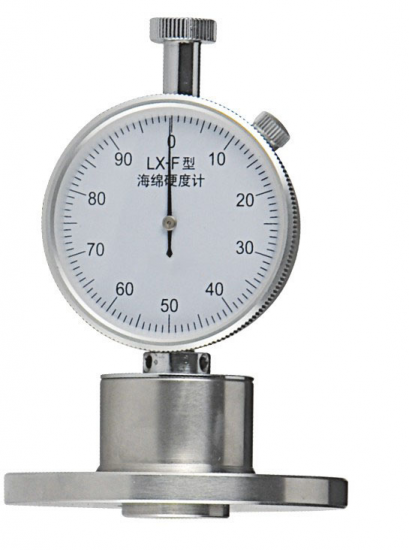
Metal Hardness Scales form the foundation of material testing and comparison across engineering, manufacturing, and research environments. When engineers discuss whether a metal is “hard” or “soft,” they rely on standardized hardness scales to quantify that property. Without these scales, meaningful comparison between materials would be impossible.
From simple workshop inspections to advanced laboratory research, metal hardness scales provide a universal language for evaluating mechanical behavior. Understanding how these scales work, when to use them, and how to interpret results is essential for anyone involved in material selection or quality control.
Metal Hardness Scales
Metal Hardness Scales are standardized systems used to express a metal’s resistance to permanent deformation. Each scale is linked to a specific test method, indenter type, and applied load.
Because different metals and applications require different testing approaches, multiple hardness scales exist. Each scale serves a specific purpose and measurement range.
What Are Metal Hardness Scales
Metal hardness scales convert physical test results into numerical values. These values allow direct comparison between materials tested under the same method.
A hardness scale alone does not describe the full mechanical behavior of a metal, but it provides a fast and reliable indicator of strength and wear resistance.
Why Metal Hardness Scales Matter
Hardness scales matter because they enable consistency. Engineers can specify hardness requirements, manufacturers can verify compliance, and inspectors can approve products.
Without standardized metal hardness scales, material quality would rely on subjective judgment rather than measurable data.
History of Metal Hardness Scales
The development of metal hardness scales followed the rise of industrial manufacturing. Early methods relied on scratch testing and manual assessment.
As engineering demands increased, formal hardness testing methods and numerical scales were introduced, leading to modern standardized systems.
Fundamental Concept Behind Hardness Scales
All metal hardness scales are based on resistance to deformation. This deformation may be measured as indentation depth, indentation size, or rebound energy.
The harder the metal, the greater its resistance to deformation under a given load.
Relationship Between Hardness and Strength
Hardness often correlates with tensile strength, especially in steels. This correlation allows hardness testing to serve as a quick quality indicator.
However, hardness is not a direct substitute for full mechanical testing and should be interpreted carefully.
Overview of Common Metal Hardness Scales
Several hardness scales are commonly used in industry.
Rockwell, Brinell, Vickers, and Knoop are the most widely recognized metal hardness scales.
Rockwell Hardness Scale Explained
The Rockwell scale measures indentation depth under a minor and major load.
Different Rockwell scales, such as HRC and HRB, are used for different materials and hardness ranges.
Brinell Hardness Scale Explained
The Brinell scale measures the diameter of an indentation created by a hardened ball.
It is well suited for softer metals and materials with coarse grain structures.
Die Vickers-Härteskala erklärt
The Vickers scale uses a diamond pyramid indenter.
It offers a continuous scale and is applicable across a wide range of metal hardness values.
Knoop Hardness Scale Explained
The Knoop scale is used for microhardness testing.
It is ideal for thin layers, coatings, and brittle materials.
Shore Hardness Scale for Metals
Shore hardness testing measures rebound or indentation resistance.
It is commonly used for portable testing and field inspection.
Leeb Hardness Scale for Metals
The Leeb scale measures rebound velocity after impact.
It is widely used in portable hardness testers for large metal components.
Microhardness Scales for Metals
Microhardness scales apply very low loads.
They are essential for analyzing surface layers and microstructures.
Macro Hardness Scales for Metals
Macro hardness scales evaluate bulk material properties.
They are commonly used in production and structural testing.
Superficial Hardness Scales
Superficial hardness scales use reduced loads.
They are suitable for thin metals and surface-hardened parts.
Conversion Between Metal Hardness Scales
Hardness conversion tables allow approximate comparison between scales.
These conversions are useful but should be treated as estimates.
Limitations of Hardness Scale Conversions
Conversions are not exact due to differences in test principles.
Direct testing on the required scale is always preferred.
Metal Hardness Scales for Steel
Steel hardness is commonly specified using Rockwell or Vickers scales.
Hardness scales help verify heat treatment and mechanical performance.
Metal Hardness Scales for Aluminum
Aluminum is softer and often tested using Brinell or Vickers scales.
Appropriate scale selection ensures accuracy.
Metal Hardness Scales for Cast Iron
Gusseisen profitiert von der Brinell-Prüfung.
The scale provides reliable average hardness values.

Metal Hardness Scales for Non-Ferrous Metals
Copper alloys and similar metals require careful scale selection.
Vickers testing is often preferred for flexibility.
Metal Hardness Scales in Manufacturing
Manufacturers use hardness scales to control processes.
Hardness values support consistency and defect prevention.
Metal Hardness Scales in R&D Labs
Research laboratories rely on precise hardness scales.
They support material development and innovation.
Metal Hardness Scales in Quality Inspection
Inspection teams use hardness scales for acceptance decisions.
Clear specifications simplify compliance.
Standards Governing Metal Hardness Scales
ASTM and ISO standards define hardness testing methods and scales.
Standards ensure global consistency and trust.
Genauigkeit und Reproduzierbarkeit
Accuracy depends on proper calibration and method selection.
Repeatability ensures reliable comparisons.
Kalibrierung und Rückverfolgbarkeit
Calibration maintains measurement validity.
Traceability supports quality audits and certification.
Choosing the Right Metal Hardness Scale
The correct scale depends on material type, thickness, and application.
Expert guidance improves testing outcomes.
Common Mistakes When Using Hardness Scales
Mistakes include using the wrong scale or relying solely on conversions.
Clear procedures reduce errors.
Advantages of Using Hardness Scales
Hardness scales offer simplicity, speed, and cost efficiency.
They provide valuable insight into material performance.
Limitations of Metal Hardness Scales
Hardness does not represent all mechanical properties.
Results must be interpreted in context.
Digital Interpretation of Hardness Scales
Digital testers simplify reading and reporting.
They reduce operator variability.
Automation and Hardness Scale Reporting
Automated systems improve efficiency.
They support high-volume inspection.
Markenkompetenz und Lösungen
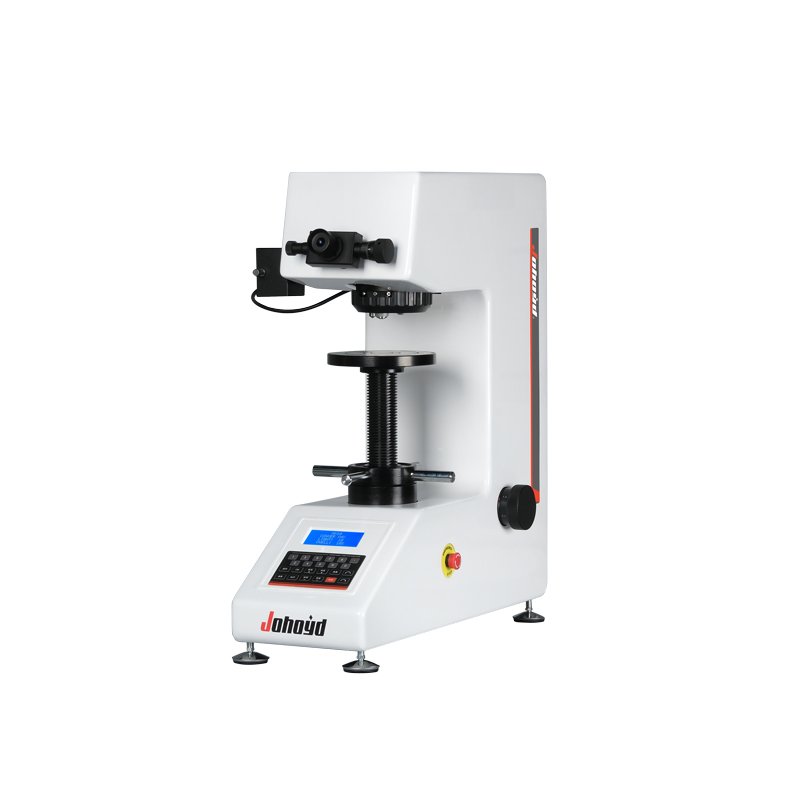
Understanding and applying Metal Hardness Scales correctly requires reliable equipment and expert support. Brands like Johoyd, durch https://hardnesstests.com, provide advanced hardness testers and professional guidance to ensure accurate scale selection and interpretation across industrial and laboratory applications.
Future Trends in Metal Hardness Scales
Future developments include smart testers, automated conversion analysis, and AI-assisted interpretation.
These innovations will improve reliability and usability.
Häufig gestellte Fragen
What are metal hardness scales used for?
They quantify resistance to deformation.
Which hardness scale is most common for metals?
Rockwell and Vickers are widely used.
Can hardness values be converted between scales?
Yes, approximately.
Are hardness scales universal for all metals?
No, scale selection depends on material.
Do hardness scales indicate strength?
They correlate but are not identical.
Are standards required for hardness scales?
Ja, es gelten die ASTM- und ISO-Normen.
Schlussfolgerung
Metal Hardness Scales provide a standardized and reliable way to evaluate and compare metal properties across industries. By understanding the principles behind each scale and choosing the appropriate method, engineers and inspectors can make informed decisions that improve quality and performance.
With experienced providers like Johoyd offering professional solutions through hardnesstests.com, users gain confidence in hardness testing accuracy and interpretation. As materials and testing technologies evolve, metal hardness scales will remain a cornerstone of material science and quality control.
Vorgeschlagene interne Links
- Types of Metal Hardness Testers
- Hardness Testing Standards Explained
Vorgeschlagene ausgehende Links
- ASTM Metal Hardness Testing Standards
- ISO-Richtlinien für die Härtemessung