




Leitfaden für die Messung der Oberflächenhärte 27 bewährte Techniken für genaue Ergebnisse


Gliederung für den Artikel zur Messung der Oberflächenhärte
| Themenbereich | Detaillierte Abdeckung mit LSI-Schlüsselwörtern |
|---|---|
| Einführung in die Messung der Oberflächenhärte | surface hardness testing |
| Was ist die Messung der Oberflächenhärte? | surface property evaluation |
| Warum die Oberflächenhärte wichtig ist | Verschleißfestigkeit |
| Difference Between Surface and Bulk Hardness | material behavior |
| Fundamentals of Surface Hardness Measurement | Eindringtiefe-Theorie |
| Common Methods of Surface Hardness Measurement | Vickers, Knoop |
| Vickers Surface Hardness Measurement | Präzisionsprüfung |
| Knoop Surface Hardness Measurement | thin layer testing |
| Rockwell Surface Hardness Scales | superficial hardness |
| Microhardness Testing for Surface Analysis | coatings |
| Nanoindentation for Surface Hardness | ultra-thin layers |
| Surface Hardness Measurement for Metals | steel and alloys |
| Surface Hardness Measurement for Heat-Treated Parts | Gehäusetiefe |
| Surface Hardness Measurement for Coatings | plating |
| Surface Hardness Measurement for Polymers | soft materials |
| Surface Hardness Measurement in Manufacturing | Qualitätskontrolle |
| Surface Hardness Measurement in R&D Labs | material research |
| Surface Hardness Measurement in Quality Inspection | acceptance |
| Surface Preparation for Accurate Measurement | Polieren |
| Load Selection for Surface Hardness Testing | accuracy |
| Depth of Indentation Considerations | layer thickness |
| Normen für die Messung der Oberflächenhärte | ASTM, ISO |
| Genauigkeit und Reproduzierbarkeit | Messsicherheit |
| Kalibrierung und Rückverfolgbarkeit | confidence |
| Common Errors in Surface Hardness Measurement | Prävention |
| Selecting the Right Surface Hardness Tester | application-based |
| Advantages of Surface Hardness Measurement | performance insight |
| Limitations of Surface Hardness Measurement | Auslegung |
| Automation in Surface Hardness Testing | Effizienz |
| Digital Surface Hardness Measurement | data analysis |
| Markenkompetenz und Lösungen | Johoyd surface testing |
| Zukünftige Trends bei der Messung der Oberflächenhärte | fortgeschrittene Materialien |
| FAQs | allgemeine Fragen |
| Schlussfolgerung | Zusammenfassung |
Einführung
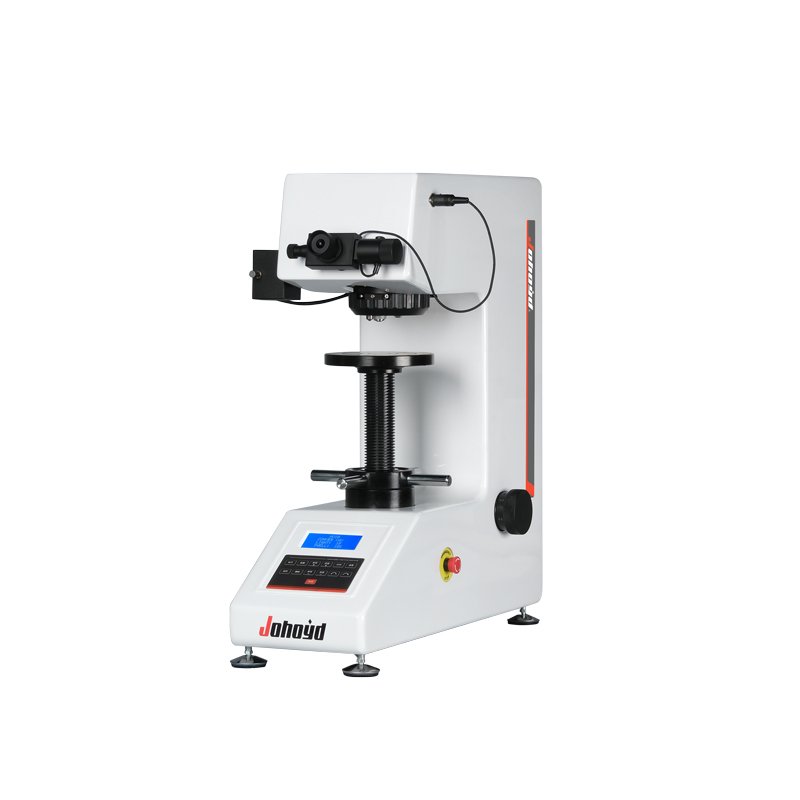
Messung der Oberflächenhärte plays a vital role in understanding how materials perform in real-world conditions. While bulk hardness reflects overall strength, surface hardness directly influences wear resistance, friction behavior, and service life. In many applications, failures begin at the surface, not within the core.
Industries such as manufacturing, automotive, aerospace, and research rely on surface hardness measurement to validate heat treatments, coatings, and surface modifications. Accurate measurement ensures that materials meet functional requirements before entering service.
Messung der Oberflächenhärte
Messung der Oberflächenhärte is the process of evaluating a material’s resistance to localized deformation at or near its surface. Unlike bulk hardness testing, this method focuses on shallow indentation depths to analyze surface layers.
Because many engineering components rely on hardened surfaces with tougher cores, surface hardness measurement provides critical performance insight.
Warum die Oberflächenhärte wichtig ist
Surface hardness determines how a material resists wear, abrasion, and contact fatigue. A hard surface reduces friction and slows degradation.
Even when bulk properties are adequate, insufficient surface hardness can lead to premature failure. Therefore, surface hardness measurement is essential for reliability.
Difference Between Surface and Bulk Hardness
Bulk hardness measures average material strength throughout the cross-section. Surface hardness focuses only on the outer layer.
Heat-treated and coated components often show significant differences between surface and core hardness, making surface-specific testing necessary.
Fundamentals of Surface Hardness Measurement
Surface hardness measurement relies on controlled indentation using low test loads. The indentation size or depth reflects hardness.
The key principle is to limit penetration depth so that results represent only the surface layer.
Common Methods of Surface Hardness Measurement
Several testing methods support surface hardness measurement.
Vickers, Knoop, and superficial Rockwell testing are widely used due to their precision and adaptability.
Vickers Surface Hardness Measurement
Vickers testing uses a diamond pyramid indenter.
It offers excellent accuracy and is suitable for surface layers, coatings, and case-hardened materials.
Knoop Surface Hardness Measurement
Knoop testing uses an elongated diamond indenter.
It is ideal for very thin layers and brittle surfaces where minimal penetration is required.
Rockwell Surface Hardness Scales
Superficial Rockwell scales use lower loads than standard Rockwell tests.
They allow fast surface hardness measurement on thin materials.
Microhardness Testing for Surface Analysis
Microhardness testing applies low forces to analyze shallow regions.
It is widely used for surface treatments, diffusion layers, and coatings.
Nanoindentation for Surface Hardness
Nanoindentation measures hardness at extremely small scales.
It supports advanced material research and ultra-thin surface layers.
Surface Hardness Measurement for Metals
Surface hardness measurement is widely applied to metals.
Steel, aluminum, and alloys benefit from surface analysis after processing.
Surface Hardness Measurement for Heat-Treated Parts
Wärmebehandelte Bauteile weisen häufig gehärtete Oberflächen und weichere Kerne auf.
Surface hardness measurement confirms proper heat treatment and case depth.
Surface Hardness Measurement for Coatings
Coatings improve wear and corrosion resistance.
Microhardness testing evaluates coating performance without penetrating the substrate.
Surface Hardness Measurement for Polymers
Polymers require low-load testing methods.
Specialized microhardness testers ensure accurate results.
Surface Hardness Measurement in Manufacturing
Manufacturers use surface hardness measurement for process control.
It verifies surface treatments and ensures consistent quality.
Surface Hardness Measurement in R&D Labs
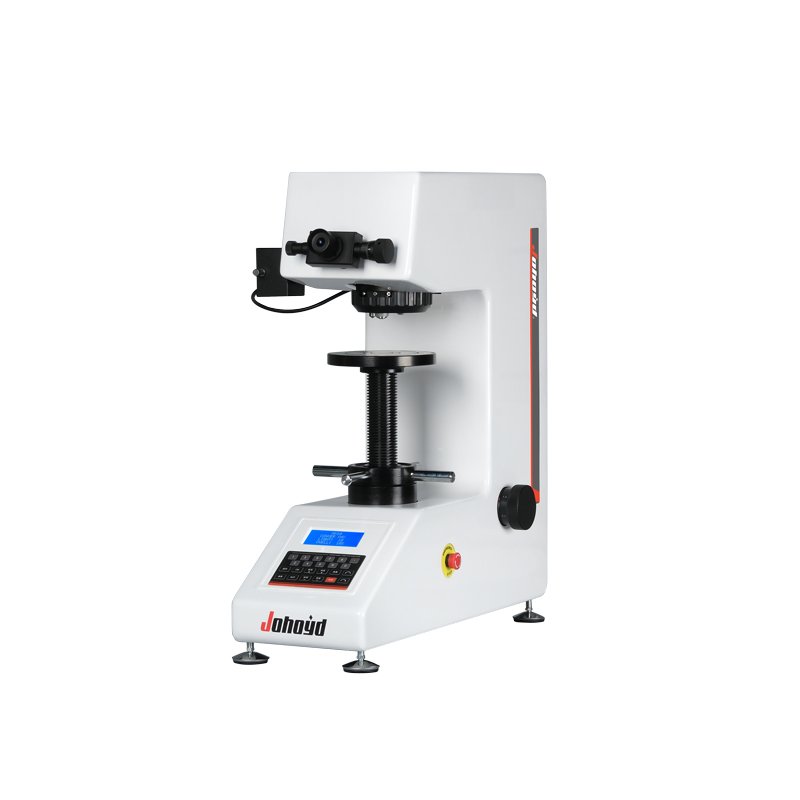
Research laboratories use surface hardness measurement to study material behavior.
It supports innovation and development of advanced surfaces.
Surface Hardness Measurement in Quality Inspection
Quality inspection relies on surface hardness to validate specifications.
Accurate testing supports acceptance decisions.
Surface Preparation for Accurate Measurement
Proper surface preparation is critical.
Polishing and cleaning reduce measurement variability.
Load Selection for Surface Hardness Testing
Load selection determines penetration depth.
Too much force compromises surface-specific results.
Depth of Indentation Considerations
Indentation depth must remain within the surface layer.
This ensures accurate surface hardness measurement.
Normen für die Messung der Oberflächenhärte
Surface hardness testing follows ASTM and ISO standards.
Standards ensure repeatability and credibility.
Genauigkeit und Reproduzierbarkeit
Accuracy depends on calibration, surface condition, and operator skill.
Repeatability ensures reliable comparisons.
Kalibrierung und Rückverfolgbarkeit
Regular calibration maintains accuracy.
Traceable results support audits and certifications.
Common Errors in Surface Hardness Measurement
Errors include excessive load, poor surface preparation, and incorrect method selection.
Standard procedures reduce these risks.
Selecting the Right Surface Hardness Tester
Selection depends on material type, layer thickness, and accuracy requirements.
Expert guidance ensures optimal results.
Advantages of Surface Hardness Measurement
Die wichtigsten Vorteile sind:
- Insight into wear resistance
- Validation of surface treatments
- Early defect detection
- Improved product performance
These benefits support reliability.
Limitations of Surface Hardness Measurement
Surface hardness alone does not define overall strength.
Results require proper interpretation.
Automation in Surface Hardness Testing
Automation improves repeatability and efficiency.
It supports high-volume inspection.
Digital Surface Hardness Measurement
Digital systems improve data analysis and reporting.
They support quality documentation.
Markenkompetenz und Lösungen
Reliable surface analysis requires advanced equipment. Brands like Johoyd, durch https://hardnesstests.com, provide professional solutions for Messung der Oberflächenhärte, supporting manufacturing, research, and quality inspection applications.
Their expertise ensures accurate, repeatable, and industry-compliant testing.
Zukünftige Trends bei der Messung der Oberflächenhärte
Future trends include nano-scale testing, AI-driven analysis, and smart inspection systems.
These advancements will expand surface characterization capabilities.

Häufig gestellte Fragen
What is surface hardness measurement used for?
It evaluates wear resistance and surface quality.
Which method is best for surface hardness?
Vickers and Knoop are widely used.
Is surface hardness different from bulk hardness?
Yes, surface hardness focuses on outer layers.
Can coatings be tested without damage?
Yes, with microhardness testing.
How accurate is surface hardness measurement?
Highly accurate when properly calibrated.
Are standards required for surface hardness testing?
Ja, es gelten die ASTM- und ISO-Normen.
Schlussfolgerung
Messung der Oberflächenhärte is a critical tool for evaluating material performance, durability, and surface treatments. By focusing on the outer layer, it provides insights that bulk hardness testing cannot.
With experienced providers like Johoyd Bereitstellung von fortschrittlichen Lösungen durch hardnesstests.com, industries gain confidence in their surface evaluation processes. As materials and applications evolve, surface hardness measurement will remain essential for quality and innovation.
Vorgeschlagene interne Links
- Microhardness Testing Methods
- Surface Treatment Quality Control
Vorgeschlagene ausgehende Links
- ASTM Standards for Surface Hardness Measurement
- ISO Guidelines for Microhardness Testing